I was in Beijing with not much vacation time, and I had that same travel question everyone searches online: should I see the Forbidden City or the Great Wall? I’ve been to both spots in China, so I get why picking between them is tough. The Forbidden City takes you deep into China’s royal past inside its amazing palace. Meanwhile, the Great Wall gives you this awesome outdoor hike along old defenses. This comparison helps you choose which landmark fits your interests, fitness level, and time. That’s super helpful if you’re planning how long to fly to China and want to pack in your Beijing sightseeing.
Table of Content
- Historical Significance and Cultural Value Comparison
- Visitor Experience and Practical Considerations
- Educational Value and Learning Opportunities
- Photography Opportunities and Scenic Beauty
- Combination Tours and Itinerary Planning
- Personal Recommendations and Final Decision Guide
- FAQ About Forbidden City or Great Wall?
Historical Significance and Cultural Value Comparison
Imperial Power vs Military Defense History
Core analysis: The Forbidden City was China’s political and ceremonial hub for about 500 years, spanning the Ming and Qing dynasties. When I walked through the Meridian Gate, I really felt history’s weight.
Emperors used to handle state business here, give imperial exams, and hold big ceremonies inside these walls. The architectural philosophy reflects Confucian principles and Chinese cosmology.
with the Hall of Supreme Harmony positioned as the literal center of the universe according to ancient belief. All 980 buildings have tales to tell – about royal life, political schemes, and art that helped shape China.
Historical context: The Great Wall has over 2,000 years of history. Some parts were built way back in the 7th century BC. While the Forbidden City had one main purpose, the Great Wall did many jobs – military defense.
border control, managing trade, and helping transportation. Up on the Mutianyu section, I pictured soldiers looking out for Mongol attacks and signal fires sending messages over the mountains.
Building the Great Wall was one of history’s biggest projects. They think about a million workers died making it. Its military value changed over China’s history, adapting to new threats and war technology.
Architectural Styles and Construction Methods
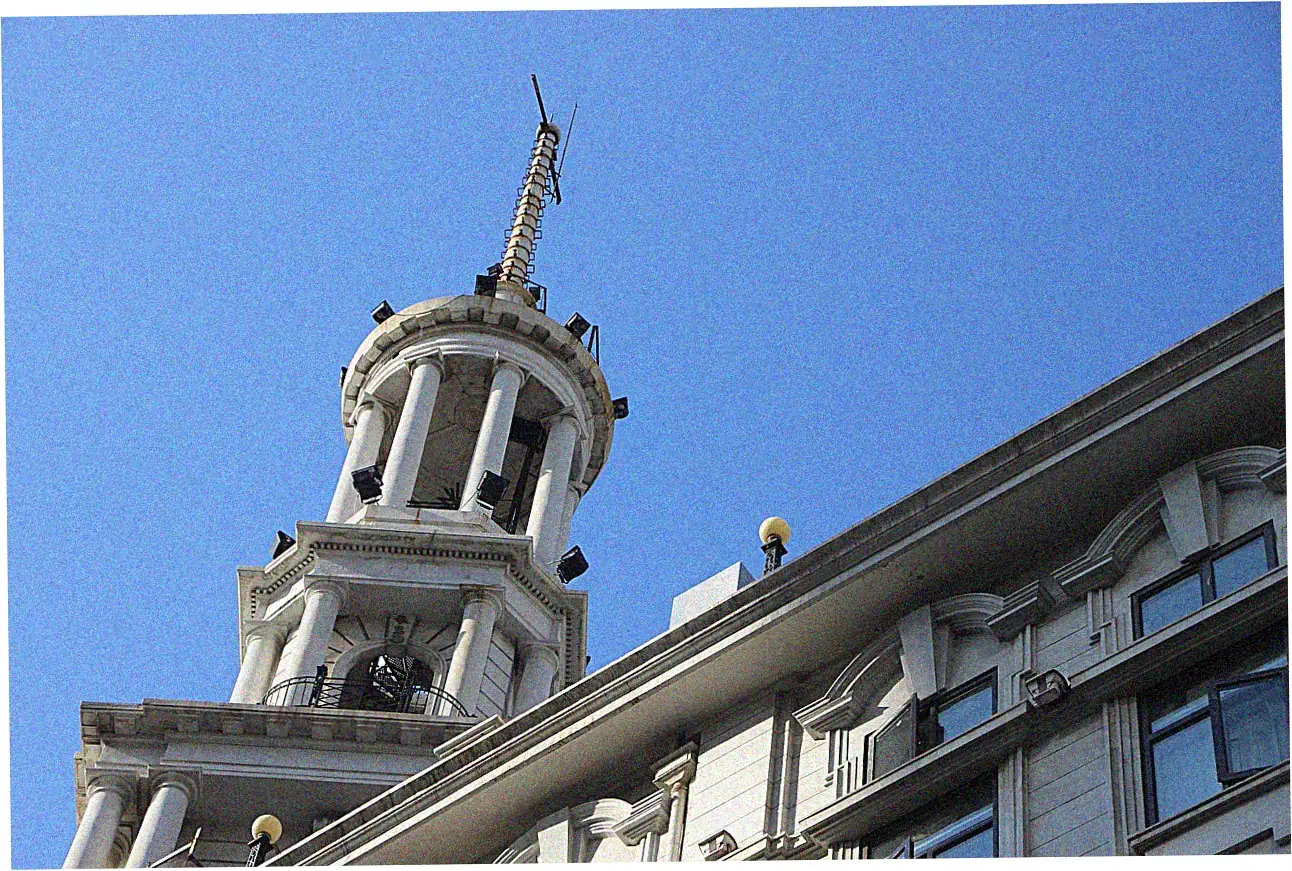
Design comparison: The Forbidden City shows off the finest Chinese palace design. It’s all about symmetry, hierarchy, and what colors mean. Those yellow tiles stand for imperial power, and the whole layout follows feng shui rules.
When I visited, I was amazed by the dougong brackets – these complex wooden pieces hold up the huge roofs with no nails at all. They used really valuable stuff to build it – special wood from southwest China.
golden bricks from Suzhou, and Fangshan marble. Thousands of workers moved all these materials to create this amazing place between 1406 and 1420.
Engineering marvels: The Great Wall shows amazing flexibility across different landscapes. How they built it changed depending on the area and what materials they had. At Badaling, you see perfectly cut stones and rectangular battlements.
But Jiankou has rougher, more natural-looking stonework. What really impressed me was how they placed the watchtowers – each one was within arrow-shot of the next, so they could communicate perfectly.
The wall has all kinds of defense elements – parapets, arrow slits, and beacon towers. Everything was meant to stop invasions from the north across China’s different terrains.
Visitor Experience and Practical Considerations
Accessibility and Physical Demands
Getting around the Forbidden City means lots of walking – it’s huge at 72 hectares. But the good news is most paths are flat and paved. When I visited, I walked about 3-4 kilometers just checking out the main central area and western palaces.
They’ve made it better for wheelchairs with special routes, but some halls still have steps that can be tough if you have trouble moving around. The Great Wall feels totally different depending on where you go.
Mutianyu has cable cars and even a toboggan to skip the climbing, but Jiankou means serious hiking over rough, sometimes broken ground. You really need to be honest about how fit you are when picking which one to visit.
For the Forbidden City, plan on 3-4 hours to really see it properly. That gives you time for the main halls, the imperial garden, and maybe one special exhibit.
The Great Wall timing really depends – Mutianyu with the cable car takes 2-3 hours, but the wilder parts can eat up your whole day. Since flying to China takes ages – like 12-14 hours from the US – you’ll want to make the most of your time there.
Most Beijing tours do the Forbidden City and Tiananmen Square together in half a day, but Great Wall trips usually take all day because of the travel time.

Crowd Patterns and Best Visiting Times
To avoid crowds at the Forbidden City: they only let in 80,000 people daily, but it still gets packed between 10 AM and 2 PM. I learned that going right when they open at 8:30 AM, or during the last entry at 3:30 PM, gives you a much calmer visit.
Great Wall crowds depend completely on the section. Badaling gets the most people, while Mutianyu, Jinshanling, and Simatai get progressively quieter. For both places, weekdays when it’s not a Chinese holiday are your best bet for smaller crowds.
Early mornings at the Great Wall are amazing – the mountains often have mist and hardly any tourists are around yet.
For the best weather at both spots, spring (April-May) and fall (September-October) are perfect. Summer gets really hot and humid in the Forbidden City’s open courtyards. Winter is cooler with beautiful snow scenes and way fewer people.
The Great Wall has something special each season – spring flowers, summer green views, fall colors, and winter snow landscapes. But be careful in winter – ice can make walking on the wall pretty dangerous.
Rainy days are okay for the Forbidden City since there are indoor exhibits, but the Great Wall gets slippery and risky when it rains.
Educational Value and Learning Opportunities
Museum Collections and Guided Tours
You can learn a lot at the Forbidden City – it’s home to the Palace Museum with more than 1.8 million imperial artifacts. When I visited, I was really drawn to the clock and watch exhibition – it had these amazing European and Chinese timepieces.
The guides really know their stuff – they make history come alive, telling you about everything from how concubines were ranked to how imperial exams worked.
At the Great Wall, you get to learn about different things like military history, engineering, and border culture. When I was at Mutianyu, I really liked the information signs that explained the defensive features and historical background. Both places have audio guides you can use, and they come in lots of different languages.
| Educational Aspect | Forbidden City | Great Wall |
|---|---|---|
| Primary Focus | Imperial court life, architecture, art | Military strategy, engineering, border culture |
| Museum Collections | 1.8 million artifacts | Site-specific small museums |
| Guided Tour Quality | Excellent for historical context | Varies by section |
| Self-Guided Options | Comprehensive audio guide | Informative signage |
Interactive Experiences and Special Exhibitions
There are some cool interactive things to do at the Forbidden City – they’ve added digital displays and touchscreens that show building details and historical scenes.
They also have special exhibits that change regularly in different halls – these focus on specific parts of imperial life like court paintings or ceremonial items.
The Great Wall gives you more hands-on experience – just walking along the wall makes you feel connected to history. At some parts, you can even ride camels or take photos with guards dressed in traditional costumes.
Both spots have gone high-tech with augmented reality in their official apps – this lets you see what historical scenes looked like right where you’re standing.
The Forbidden City puts on cultural events all year round – you might catch traditional music shows, calligraphy demos, or seasonal festivals that recreate imperial celebrations.
When I went in autumn, I saw this gorgeous chrysanthemum display in the imperial garden – it was just like the flower shows they had back in Qing dynasty times.
The Great Wall holds marathons, photo competitions, and cultural festivals that celebrate the different ethnic groups from the border areas. If you time it right, these special events can really make your visit extra special – just be prepared for bigger crowds.
Photography Opportunities and Scenic Beauty
Iconic Shots and Unique Angles
Photography highlights: You’ll find amazing symmetrical shots along the Forbidden City’s main axis. The Hall of Supreme Harmony gives you that classic photo everyone wants. Head to the corners of the big courtyards for some really cool views.
You can capture layers of those traditional roofs against the sky. Don’t miss the imperial garden – it’s got these ancient cypress trees and decorative rock formations that make for great close-up shots.
The Great Wall is perfect for epic landscape photos. You get that snake-like structure winding through some really dramatic mountains. Mutianyu has these super photogenic views with well-kept watchtowers. If you want fewer people, try Jinshanling for amazing sunrise and sunset shots.
Seasonal photography: Both places look totally different depending on the season. In spring, cherry blossoms make the Forbidden City architecture pop. Come autumn, the fall colors really make the Great Wall’s mountain backdrop stand out.
Winter snow turns both spots into something magical. Just be ready to change your plans if it’s actually snowing when you visit. Summer storms can give you some really dramatic skies behind those golden roofs at the Forbidden City.
The Great Wall has different vibes all day long. You’ve got soft morning light, then bright midday sun, and that warm golden hour – each one gives you unique photo chances. Night shots are pretty limited at both places, but sometimes they do special evening openings.
Equipment Recommendations and Photography Restrictions
Gear guidance: At the Forbidden City, you’ll want a wide-angle lens for the buildings. A telephoto zoom is great for picking out details like the roof decorations.
You can’t use tripods inside the palace buildings, but outside in the courtyards is fine. The Great Wall needs different gear. A standard zoom lens handles most scenes, and a light tripod is handy for sunrise and sunset pictures.
A polarizing filter helps at both spots – it cuts down glare and makes colors pop. No drone shots allowed at either place unless you’ve got special permission. Bring a big memory card – I usually end up taking 200-300 photos at each spot.
| Photography Consideration | Forbidden City | Great Wall |
|---|---|---|
| Best Lenses | Wide-angle, standard zoom | Standard zoom, telephoto |
| Tripod Policy | Restricted in buildings | Generally permitted |
| Best Time of Day | Morning, late afternoon | Sunrise, sunset |
| Unique Challenges | Crowds, limited elevation | Weather, physical access |
Combination Tours and Itinerary Planning
Beijing Sightseeing Tours Integration
Tour options: Most Beijing tours group nearby spots together. The Forbidden City usually goes with Tiananmen Square and Temple of Heaven since they’re all in the city center. You’ll need a whole day for the Great Wall.
Many tours combine it with the Ming Tombs or Summer Palace. Last time I went, I hired a private car to Mutianyu. This let me skip the crowds and take my time at the prettiest parts of the wall.
Bus tours are cheaper but you’re stuck with their schedule. You might miss the best times to visit. Since flights to China take so long, multi-day tours covering both the Great Wall and Forbidden City plus other sights make the most of your vacation.
Customization strategies: From my experience, give yourself two full days. Do the Forbidden City and nearby spots one day, then the Great Wall the next day.
If you only have one day, try this packed schedule: hit Mutianyu at 6 AM, then rush to the Forbidden City for a 2 PM entry. You’ll need perfect timing and might skip parts of both places. Evening shows like Kung Fu or acrobatics are great after daytime sightseeing – they’re fun but not tiring.
Ticket Booking and Transportation Logistics
Advance planning: For the Forbidden City, you must book tickets online with set entry times. You can book up to 7 days ahead. In busy seasons, tickets disappear fast, so plan ahead.
For the Great Wall, you can often buy tickets when you arrive, but some parts prefer online booking now. Getting there differs a lot. The Forbidden City is an easy subway ride, but the Great Wall needs buses, trains, or a private car.
I liked the tourist buses from Dongzhimen to Mutianyu. For Badaling, take the high-speed train from Beijing North Station.
Budget considerations: Ticket prices vary a lot between these places. The Forbidden City costs 60 yuan from April to October, 40 yuan from November to March. Special exhibits cost extra.
Great Wall tickets run from 45 yuan at Badaling to 65 yuan at Mutianyu, which includes the shuttle bus. Transportation really adds up for the Great Wall.
A private car costs 600-800 yuan roundtrip, while bus tours start at about 200 yuan with entry included. Students and seniors get discounts at both places, just show your ID.

Personal Recommendations and Final Decision Guide
Traveler Profiles and Ideal Matches
I’ve been to both places many times, so I know exactly what kind of traveler each one suits best. The Forbidden City is perfect for history buffs, architecture fans.
and people who have trouble getting around – they can just stick to the main central path. The Great Wall really calls out to adventure lovers, landscape photographers, and anyone looking for some physical exercise.
First-timers to China usually think they have to see both, but if you’re coming back, you might want to check out quieter spots like Chengde Mountain Resort or parts of the Great Wall outside Beijing.
Families with little kids usually find the Forbidden City easier to handle, though the Mutianyu section’s cable car and toboggan slide work well for older children.
When people ask me to pick between these two famous spots, I look at four main things: how much time you have, your fitness level, whether you’re into history, and what the weather’s like.
If you’re short on time – say just 2-3 days in Beijing – the Forbidden City packs more cultural bang for your buck. But if you’ve got extra days or really love scenic views, the Great Wall gives you experiences you can’t get anywhere else.
When the weather gets really bad – super hot, rainy, or freezing – the Forbidden City has more places to duck inside. Honestly, if you can swing it time-wise and money-wise, I’d really suggest seeing both – they show you different sides of Chinese civilization, and both are equally amazing.
The Forbidden City and Great Wall are both incredible achievements from Chinese history, but they give you totally different experiences. Since I’ve visited both many times, I think you should pick based on what you’re personally into.
how active you are, and how much time you’ve got. The palace gives you deep culture in spaces that are easy to get around, while the wall offers physical adventure with stunning views all around.
No matter which one you pick, planning ahead makes your visit way better. First, check the official sites for ticket info, and think about joining a Beijing tour to get the most out of your trip.
Don’t forget – since it takes so long to fly to China, every minute counts, so pick the place that really matches what you want from your travels.
FAQ About Forbidden City or Great Wall?
Wondering which takes more energy to visit – the Forbidden City or the Great Wall?
The Great Wall is definitely tougher on your body, particularly if you check out the unrestored parts. Sure, you’ll do plenty of walking at the Forbidden City – about 3-4 kilometers if you see everything – but it’s mostly flat ground.
The Great Wall has steep climbs, uneven steps, and can be pretty challenging – you’ll want to be in decent shape. If you have trouble getting around, the Forbidden City is much easier to handle, especially if you stay on the main central path.
Can you see both the Forbidden City and Great Wall in just one day?
Technically yes if you start super early and have private transport, but you’ll be rushing through both places and won’t really appreciate either one. I’d suggest giving each its own day – pair the Forbidden City with Tiananmen Square and Temple of Heaven, and give the Great Wall at least half a day plus travel time. If you’re determined to do both in one day, pick the Mutianyu section since it has a cable car and is closer to Beijing.
Which one’s better for kids – the Forbidden City or Great Wall?
It really depends on how old your kids are and what they’re into. Little ones under 8 usually love the Forbidden City more – they’re fascinated by the bright buildings, big courtyards, and tales of emperors.
Older kids tend to prefer the Great Wall’s adventure and physical challenge, especially at spots like Mutianyu where they can ride the fun toboggan down. Both places are educational, but the sheer size of the Great Wall really wows kids.
When’s the best time to visit these Beijing spots?
Spring from April to May and fall from September to October give you the nicest weather – comfortable temperatures and gorgeous views at both places. Summer gets really hot and packed with people.
while winter offers beautiful snowy views with smaller crowds – just bundle up for the cold. The shoulder seasons usually hit that sweet spot – nice weather and reasonable crowds at both the Forbidden City and Great Wall.

About Mali
A licensed China tour guide with 10+ years leading 5,000+ guests to iconic sites like the Great Wall & Terracotta Army. Expert in seamless tours, cultural insights, and VIP access!