Jiankou Great Wall is seriously stunning and tough—it’s one of the wildest parts of China’s Great Wall. It’s got this raw beauty with crazy steep paths that haven’t been fixed up. Adventurers and history lovers totally dig it. Planning to hike? Want cool photo spots? Or just into its history? This guide’s got you covered.
Table of Content
- Best time to visit Jiankou Great Wall
- How to get to Jiankou Great Wall from Beijing
- Jiankou Great Wall hiking difficulty level
- Jiankou Great Wall photography spots
- Jiankou Great Wall restoration efforts
- Jiankou Great Wall vs. Mutianyu comparison
- Jiankou Great Wall safety precautions
- Jiankou Great Wall camping overnight
- Jiankou Great Wall history and significance
- Jiankou Great Wall local guides and tours
- Jiankou Great Wall packing list essentials
- Jiankou Great Wall nearby attractions
- Jiankou Great Wall environmental impact concerns
Best time to visit Jiankou Great Wall
Spring (April-June) and fall (September-November) are prime time for visiting Jiankou. Weather’s perfect then—not too hot or cold. Plus you get awesome views with flowers in spring or colorful leaves in fall.
Summers get sticky and hot. Winters? Snow and ice make the trails sketchy. I went in October—views were insane! But pack layers, it gets chilly fast.
How to get to Jiankou Great Wall from Beijing
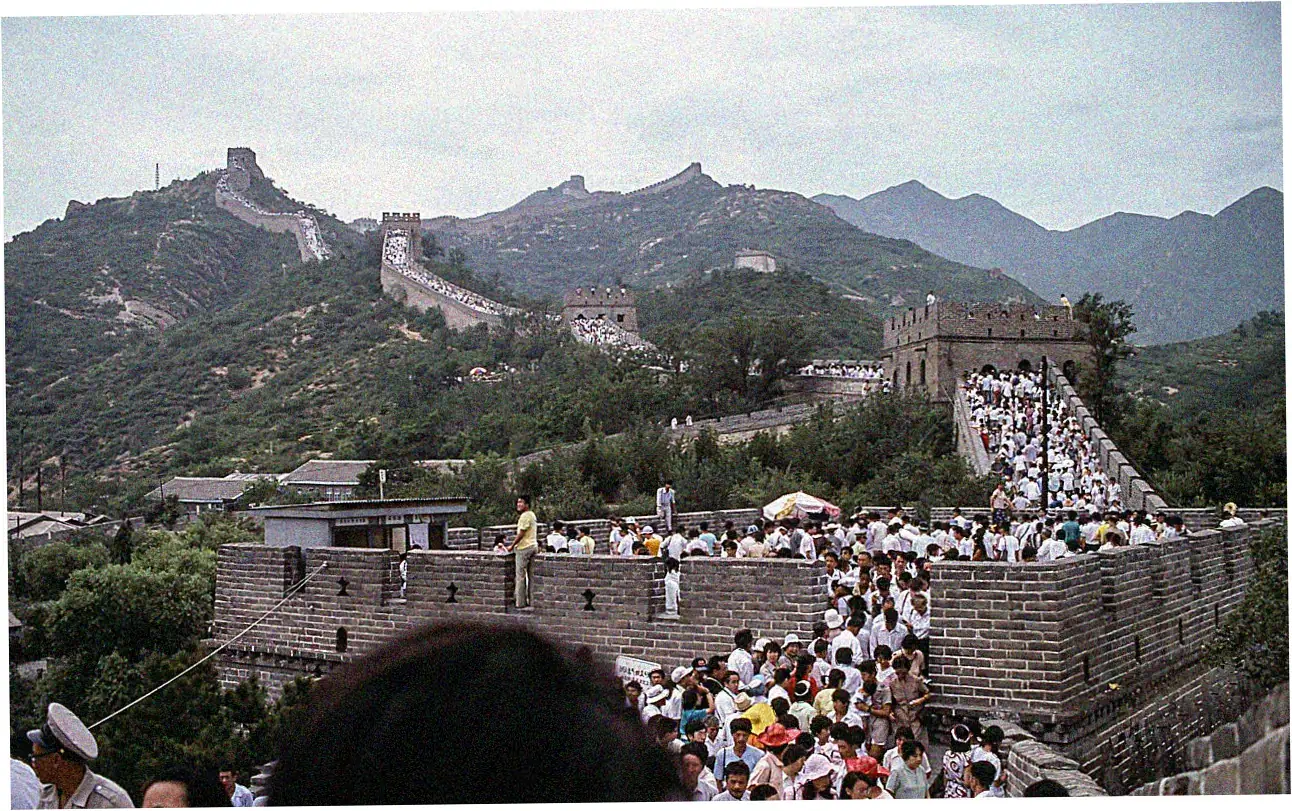
From Beijing, it’s a 2-3 hour ride by car or bus. Easiest options? Get a private driver or hop on a tour.
You can take public transit, but it’s a hassle—bus to Huairou, then taxi to Xizhazi Village where hikes start. I split a van with other travelers—cheap and faster. Fair warning—that last bit’s a bumpy ride!
Jiankou Great Wall hiking difficulty level
Jiankou isn’t beginner-friendly.
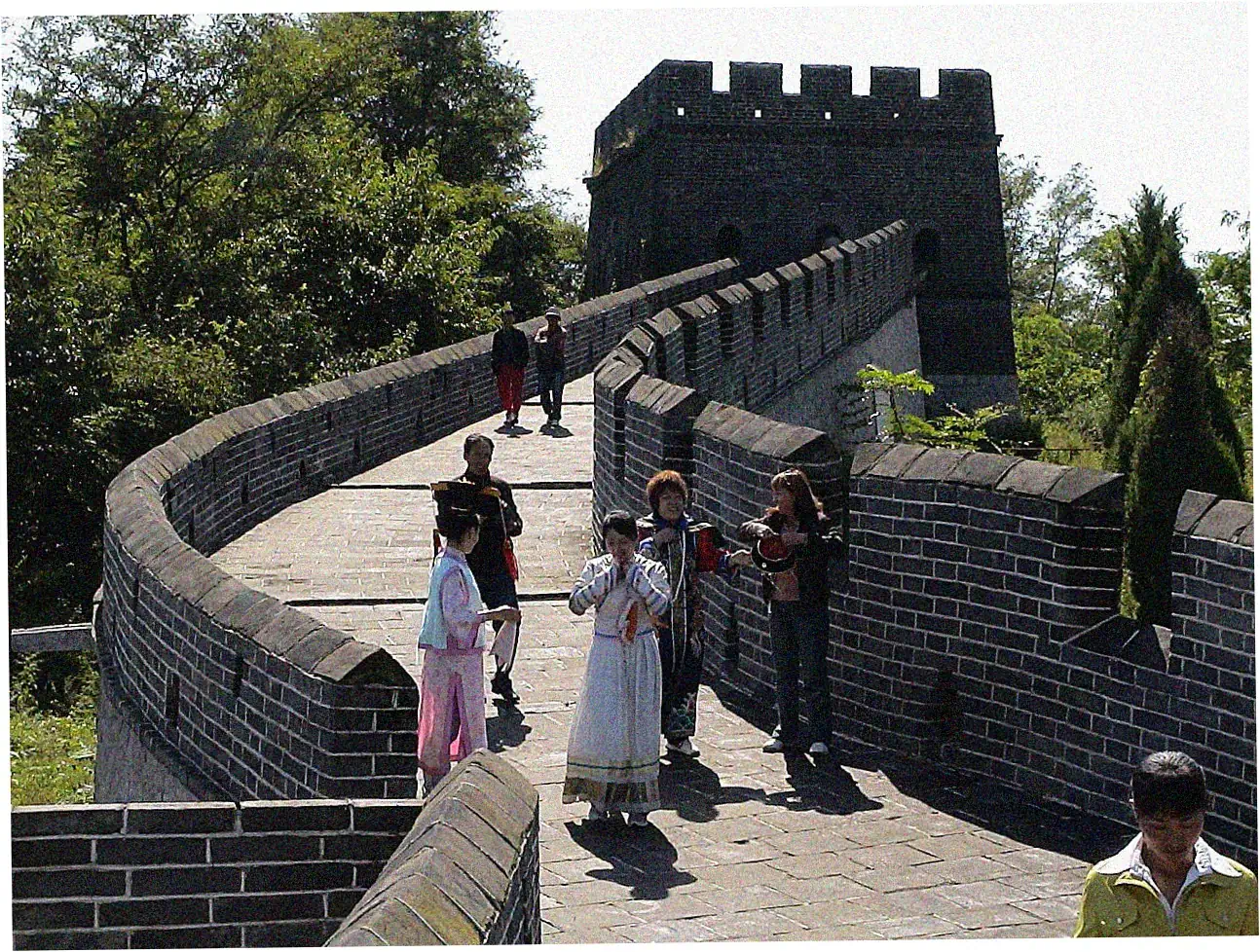
Trails are crazy steep, rough, and no guardrails. Some parts? You’re climbing over loose rocks or straight-up vertical steps.
I’m pretty fit, but man, some sections wiped me out. Not sure about your fitness? Try the shorter hike to Zhengbeilou Tower first. Good boots and lots of water are must-haves.
Jiankou Great Wall photography spots
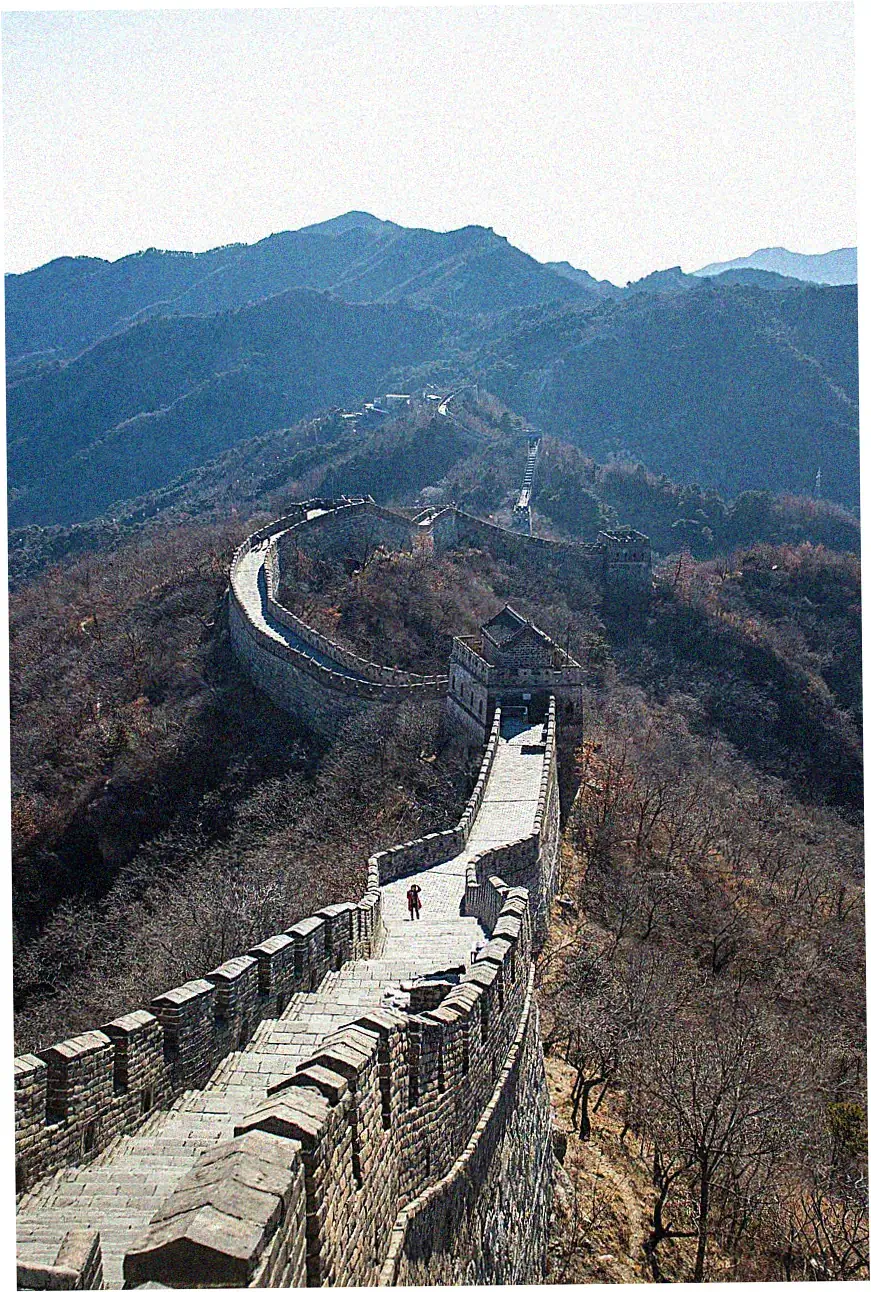
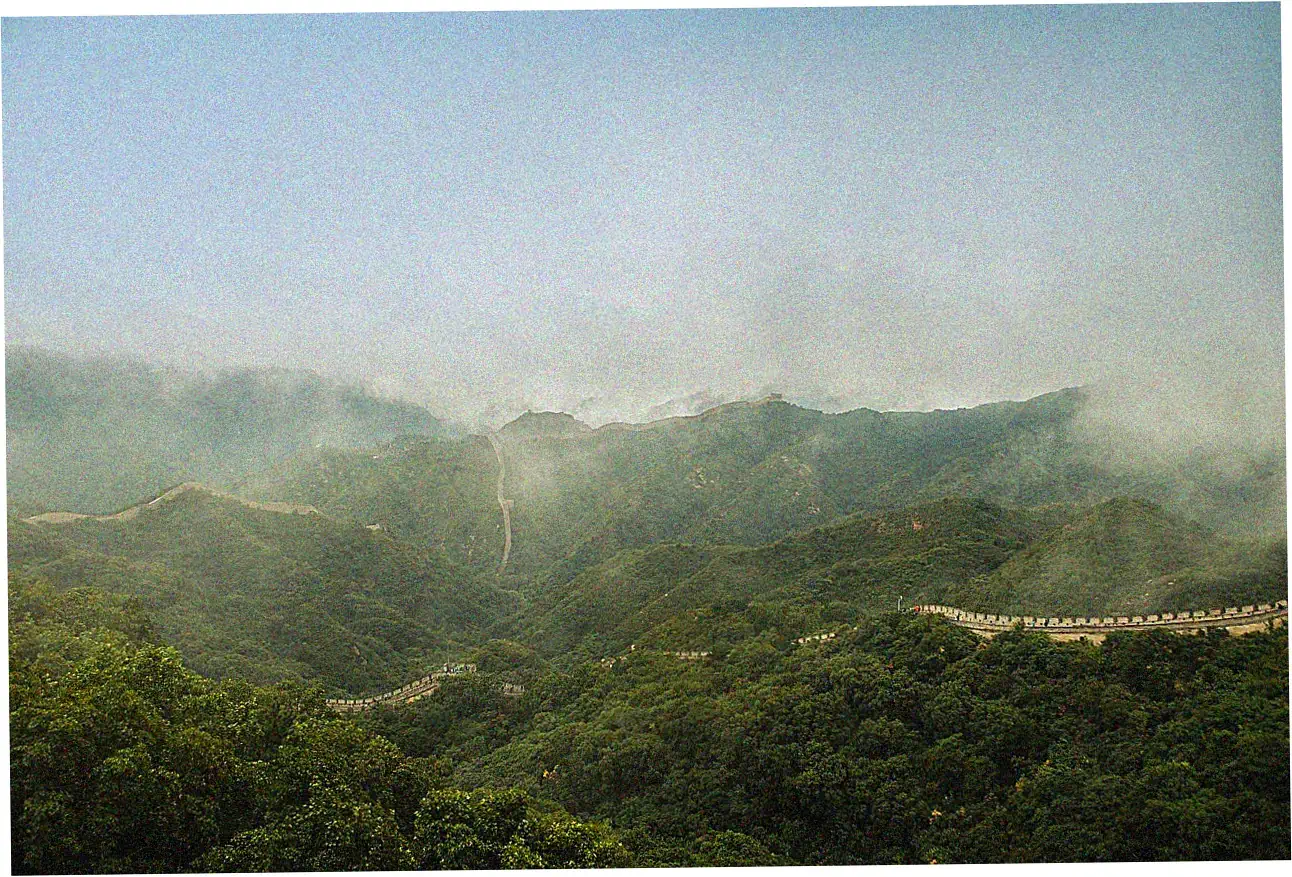
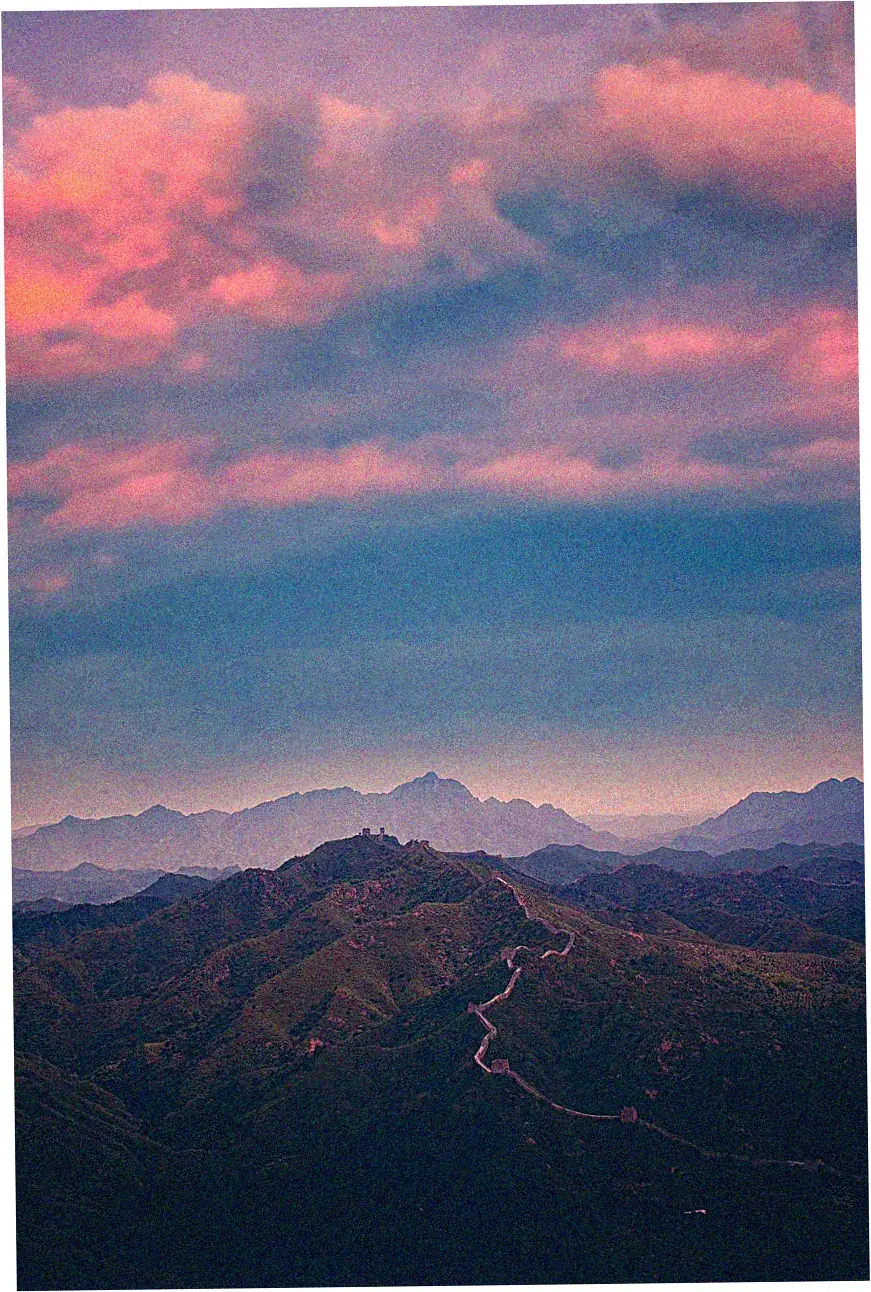
Jiankou has the absolute best photo ops on the whole Great Wall. The Eagle Flies bit is legendary—super steep and twisty.
Best light? Early morning or late afternoon—perfect for textures and shadows. I woke up at 4 AM for Zhengbeilou sunrise—misty valleys below made an epic shot. Don’t forget a wide-angle lens to capture the sweeping vistas.
Jiankou Great Wall restoration efforts
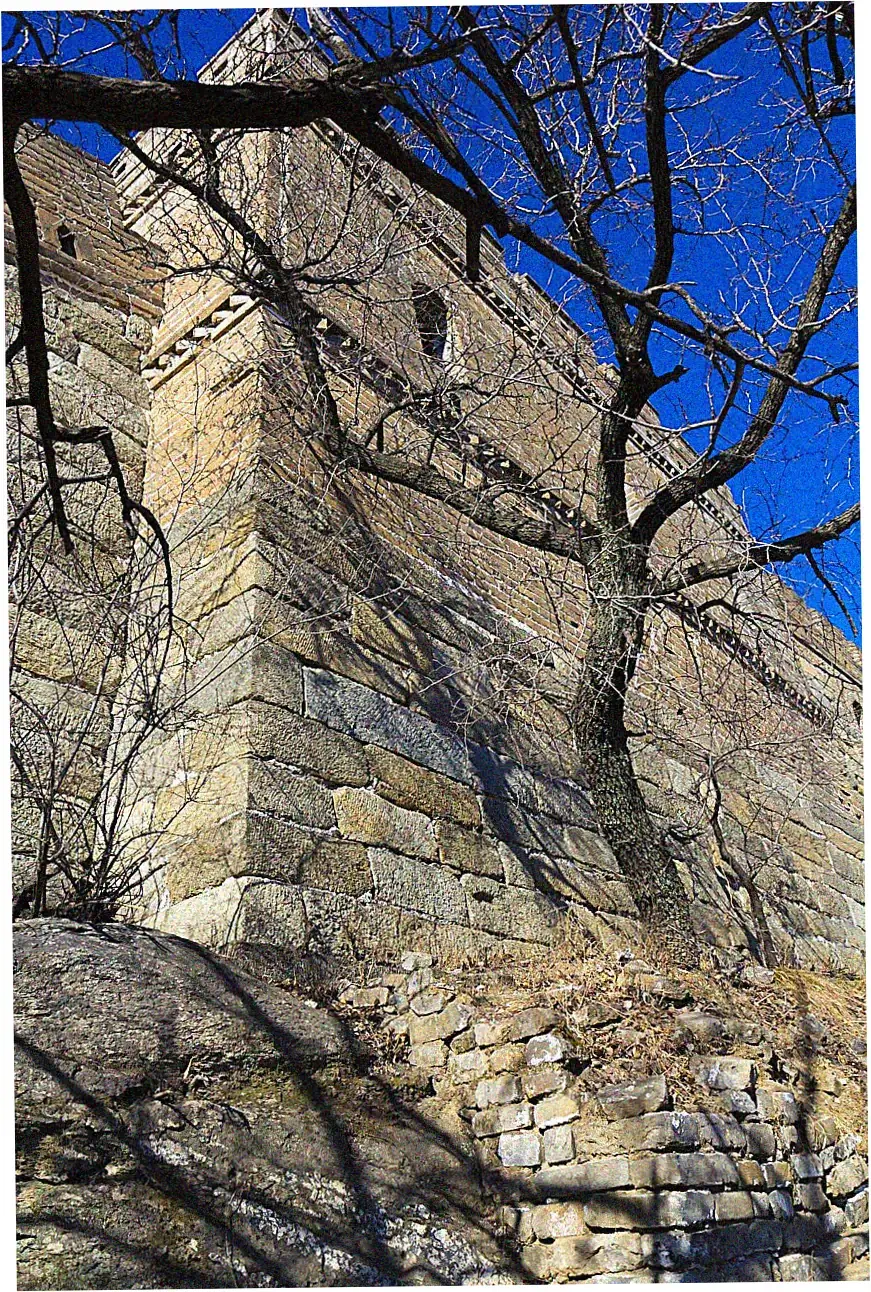
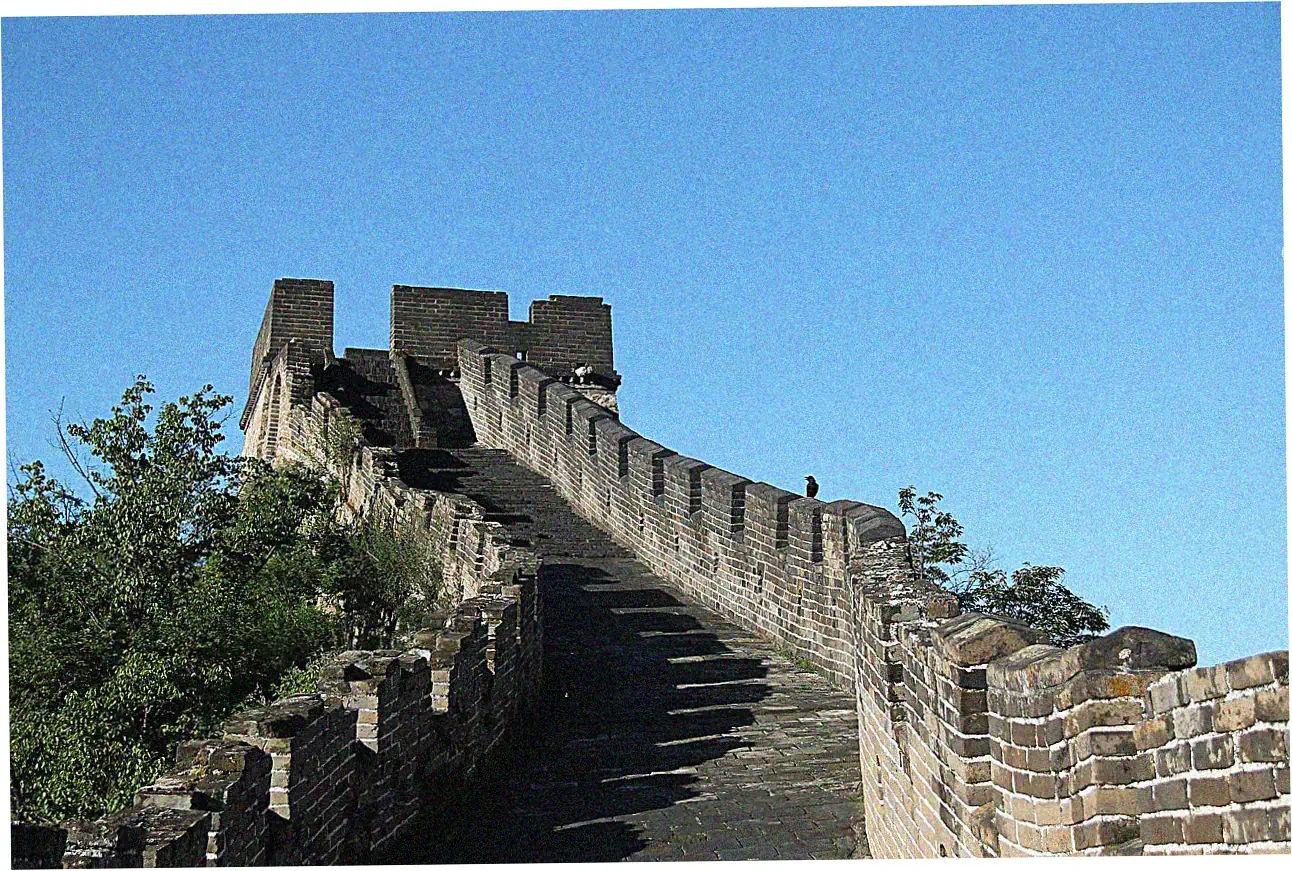
Jiankou’s way more wild than fixed-up spots like Badaling. They’ve done some work to stop it crumbling more.
Locals want to keep it wild—less fixing is better. I saw some fixed bits, but mostly it’s still rough and real. It’s a delicate balance between safety and preservation.
Jiankou Great Wall vs. Mutianyu comparison
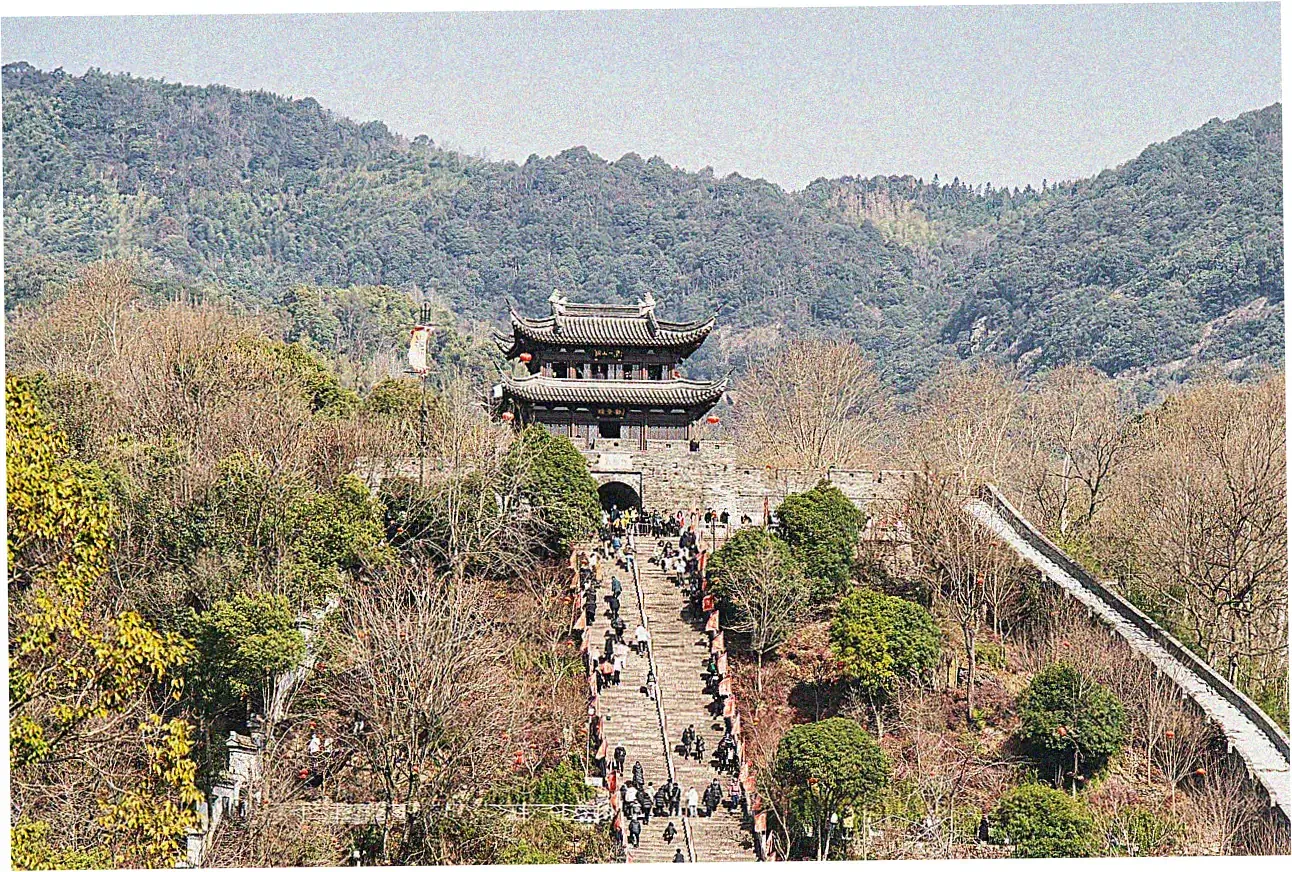
Jiankou and Mutianyu are nearby but totally different. Mutianyu’s all fixed up with cable cars and shops—great for families.
Jiankou’s wild and tough—perfect for adventure seekers. I’ve hiked both, and while Mutianyu is easier, Jiankou’s untouched beauty is unmatched. Got time? Do both—hike Jiankou to Mutianyu for the full Great Wall deal.
Jiankou Great Wall safety precautions
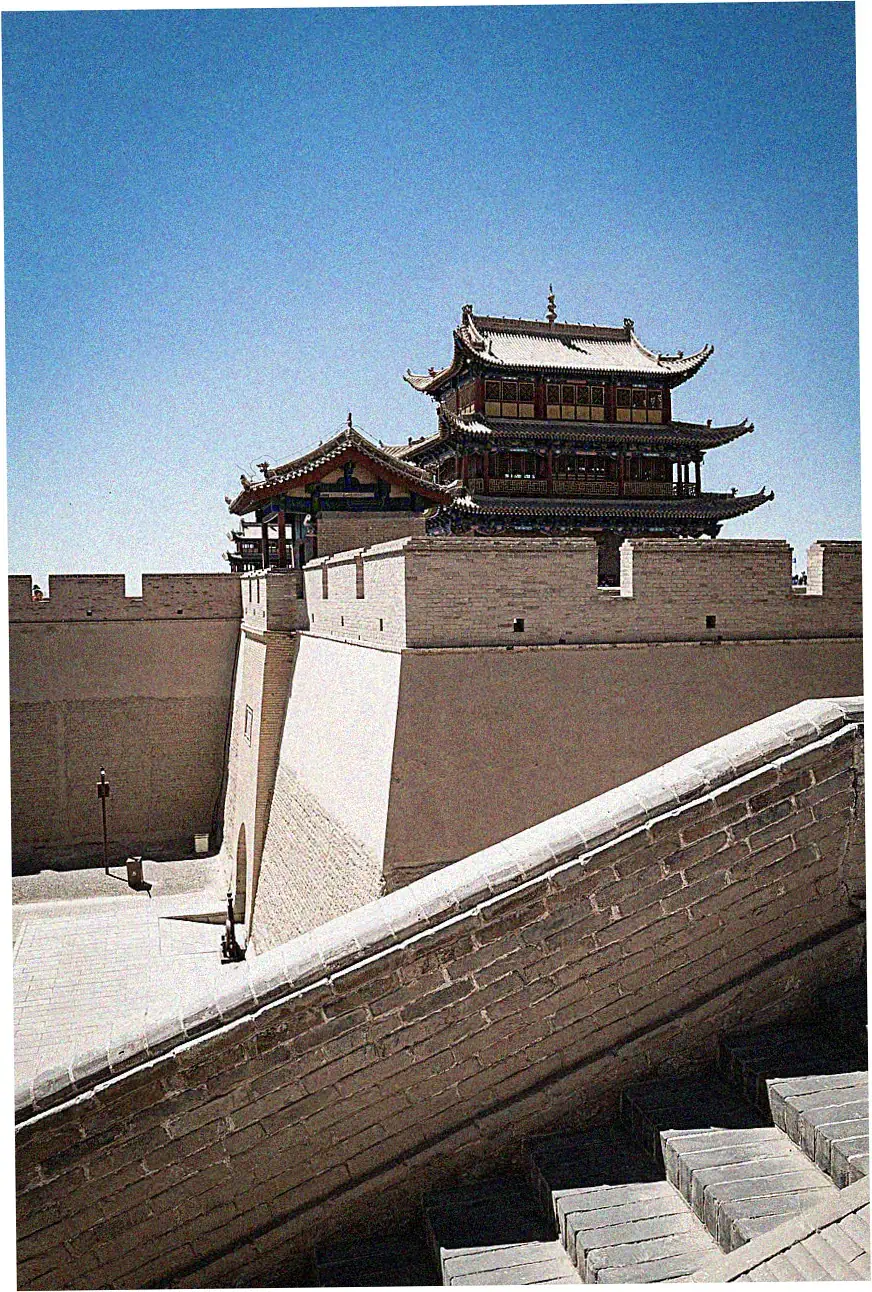
Safety first at Jiankou—no joke. The wild parts get dangerous when wet or icy.
Check weather, pack a first-aid kit, and tell someone your plans. I ate it on a loose rock once—thank god for my hiking poles. Don’t go solo—get a local guide who knows the ropes.
Jiankou Great Wall camping overnight
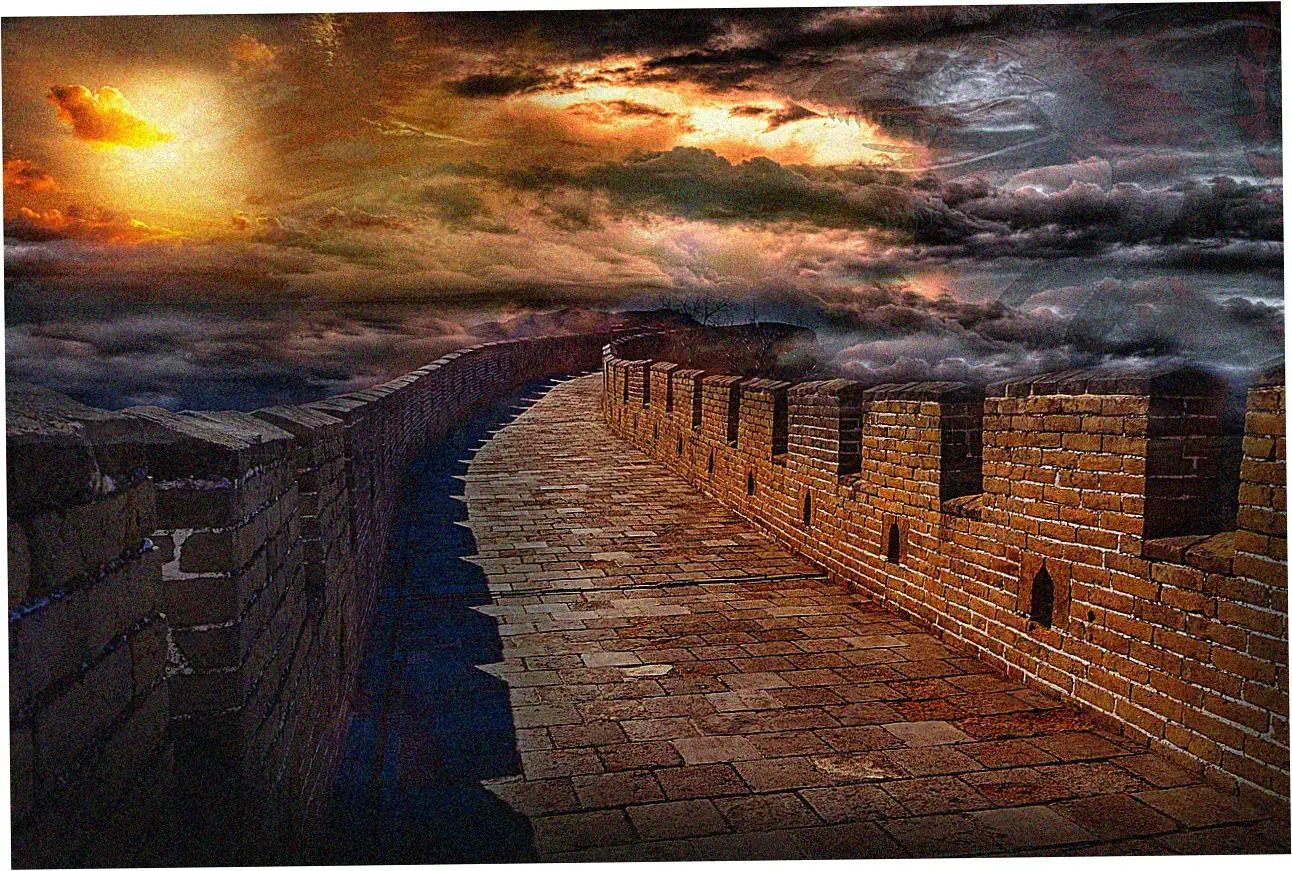
Camping’s not allowed, but some risk-takers still do it. If you camp, keep it low-key, pack out trash, and no fires.
Some folks camped by Nine-Eye Tower—said the stars were unreal. However, I’d recommend staying in nearby guesthouses like the ones in Xizhazi Village for a more comfortable and legal option.
Jiankou Great Wall history and significance
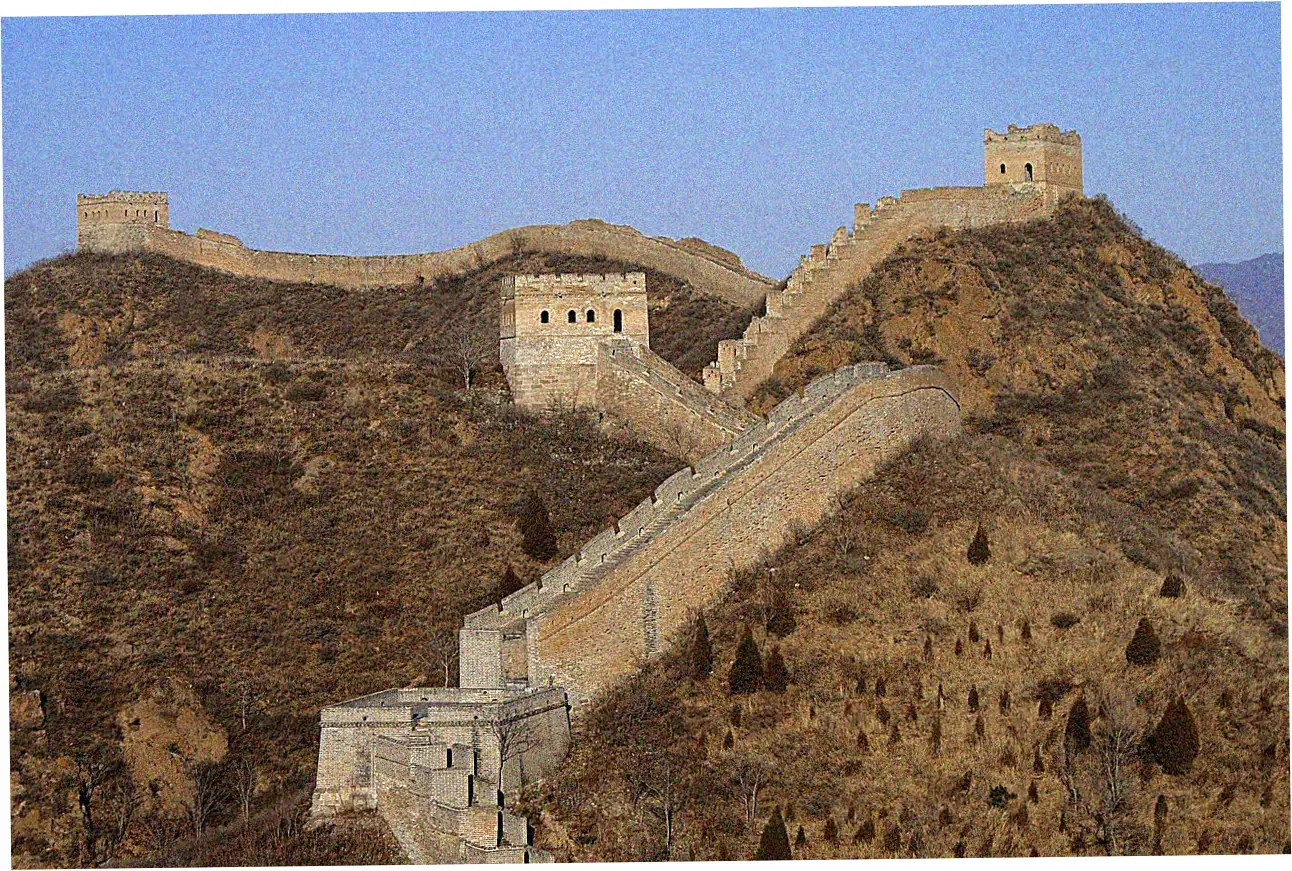
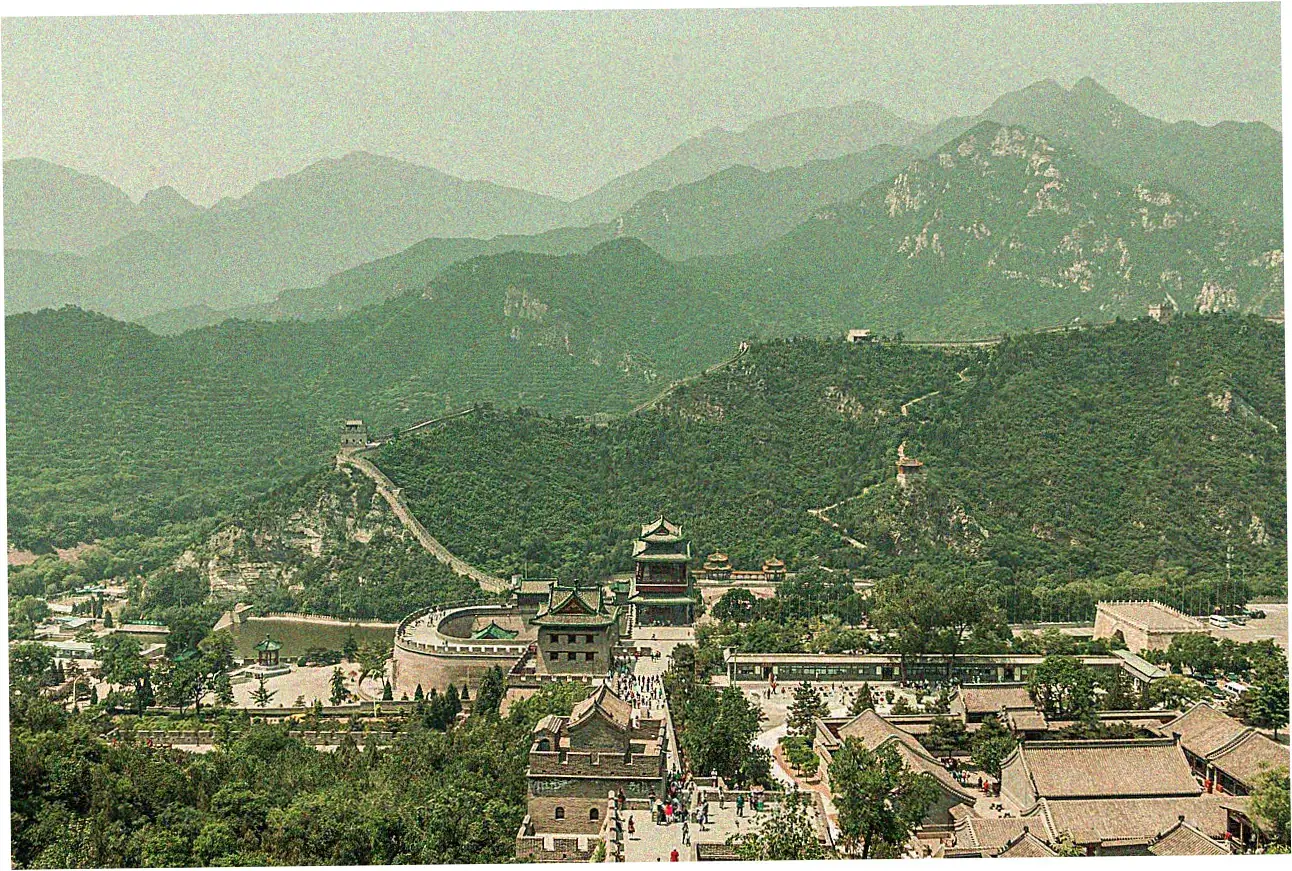
Jiankou was built in Ming times as a key defense spot. Its name means Arrow Nock due to the mountain’s V-shape resembling an arrow’s notch.
Jiankou’s different—it blends into the land to hide from enemies. Walking there, you can almost see Ming soldiers standing watch centuries back.
Jiankou Great Wall local guides and tours
First-timers? Definitely get a local guide. They know safe paths, secret spots, and cool history facts.
I joined a small group tour, and our guide pointed out details I would’ve missed, like ancient brick inscriptions. Pick guides with good reviews—cheap ones might skimp on safety.
Jiankou Great Wall packing list essentials
What you pack decides if your hike rocks or sucks. Must-haves: good boots, tons of water (2L ), snacks, sunscreen, hat.
My rain jacket saved me when surprise rain hit. Bring a headlamp for early starts or late finishes. And don’t forget your camera—you’ll regret it if you do!
Jiankou Great Wall nearby attractions
Got extra time? Check out Huairou District nearby. Yunmengshan Park has awesome trails and waterfalls—great post-hike cool-down.
Local villages are cool too—farmers sell fresh chestnuts and persimmons when in season. History nerds? Ming Tombs are close and worth a visit.
Jiankou Great Wall environmental impact concerns
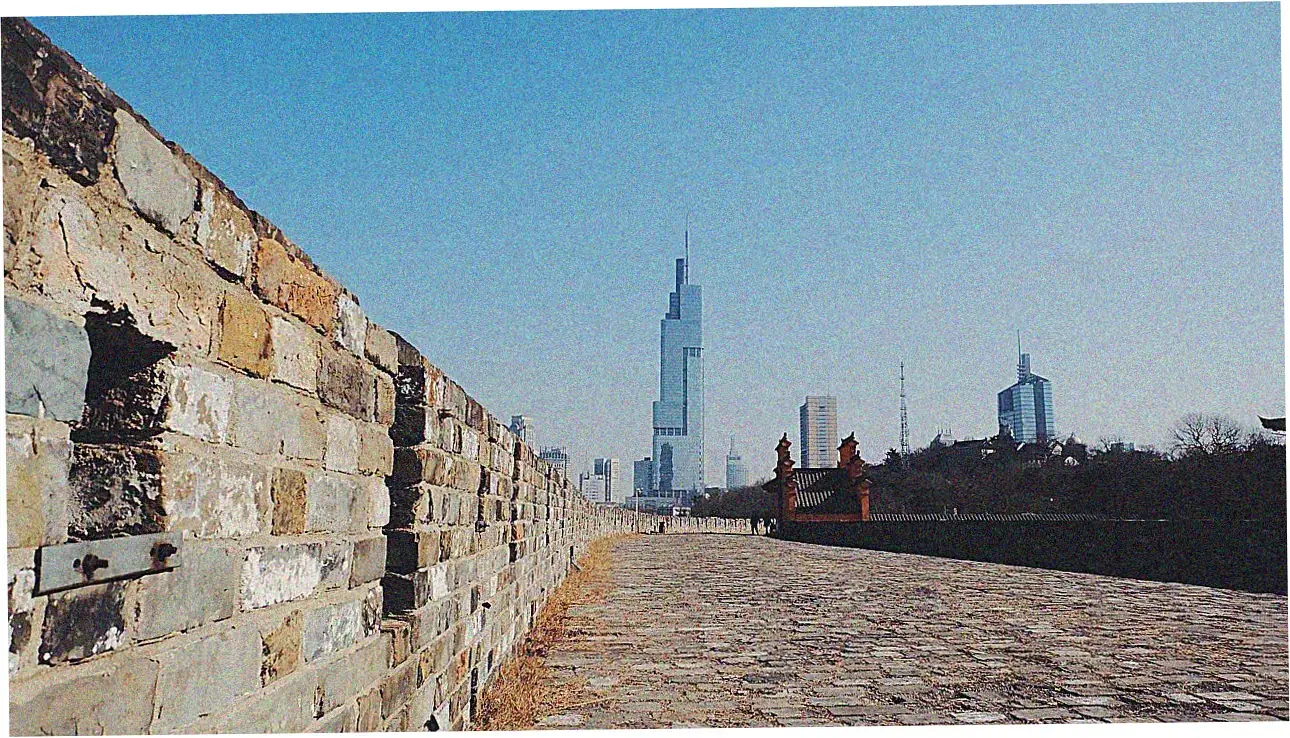
More visitors mean bigger environmental worries at Jiankou. You can see trash and erosion damage in spots.
I packed out all my trash and stayed on trails. Help out by joining cleanups or supporting local conservation. Keep it clean so others can enjoy it later.
Bottom line? Jiankou’s a must for adventure and raw beauty. Whether you’re hiking, photographing, or soaking in history, preparation is key.
Respect nature, stay safe, and maybe hire local guides. Ready to take on the challenge? Start planning your trip today—you won’t regret it! Want more info? Try William Lindesay’s Great Wall book or UNESCO’s site.

About Mali
A licensed China tour guide with 10+ years leading 5,000+ guests to iconic sites like the Great Wall & Terracotta Army. Expert in seamless tours, cultural insights, and VIP access!