The Great Wall towers are huge symbols showing off China’s amazing history and building skills. These towers are spread out along the wall. They worked as lookout spots, signal stations, and defense points.
Table of Content
- Great Wall towers purpose and strategic importance
- Great Wall towers architectural styles and variations
- Great Wall towers restoration and preservation efforts
- Great Wall towers cultural significance and symbolism
- Great Wall towers tourism and visitor experiences
- Great Wall towers legends and folklore stories
- Great Wall towers construction techniques and materials
- Great Wall towers role in ancient communication systems
- Great Wall towers comparison with other global fortifications
- Great Wall towers impact on local ecosystems
- Great Wall towers photography tips and best angles
- Great Wall towers virtual tours and digital experiences
- Great Wall towers future preservation challenges
Where they put these towers and how they designed them shows how clever ancient Chinese military builders were. This piece digs into the towers backstory, how they were built, and why they matter. It answers common questions and shares cool facts.

Great Wall towers purpose and strategic importance
These towers were super important for China’s old defense setup.
They were spaced evenly so soldiers could watch for enemies from good spots. According to historian Dr.
Li Jian, these towers were spaced approximately 180 meters apart, allowing for effective communication through smoke signals during the day and fire signals at night. The towers stored weapons and supplies too. This helped soldiers hold out during long attacks. These towers were really key for defense. They helped stop northern tribes from invading. Lots of these towers are still around today. They show us how armies planned their defenses back then.
Great Wall towers architectural styles and variations
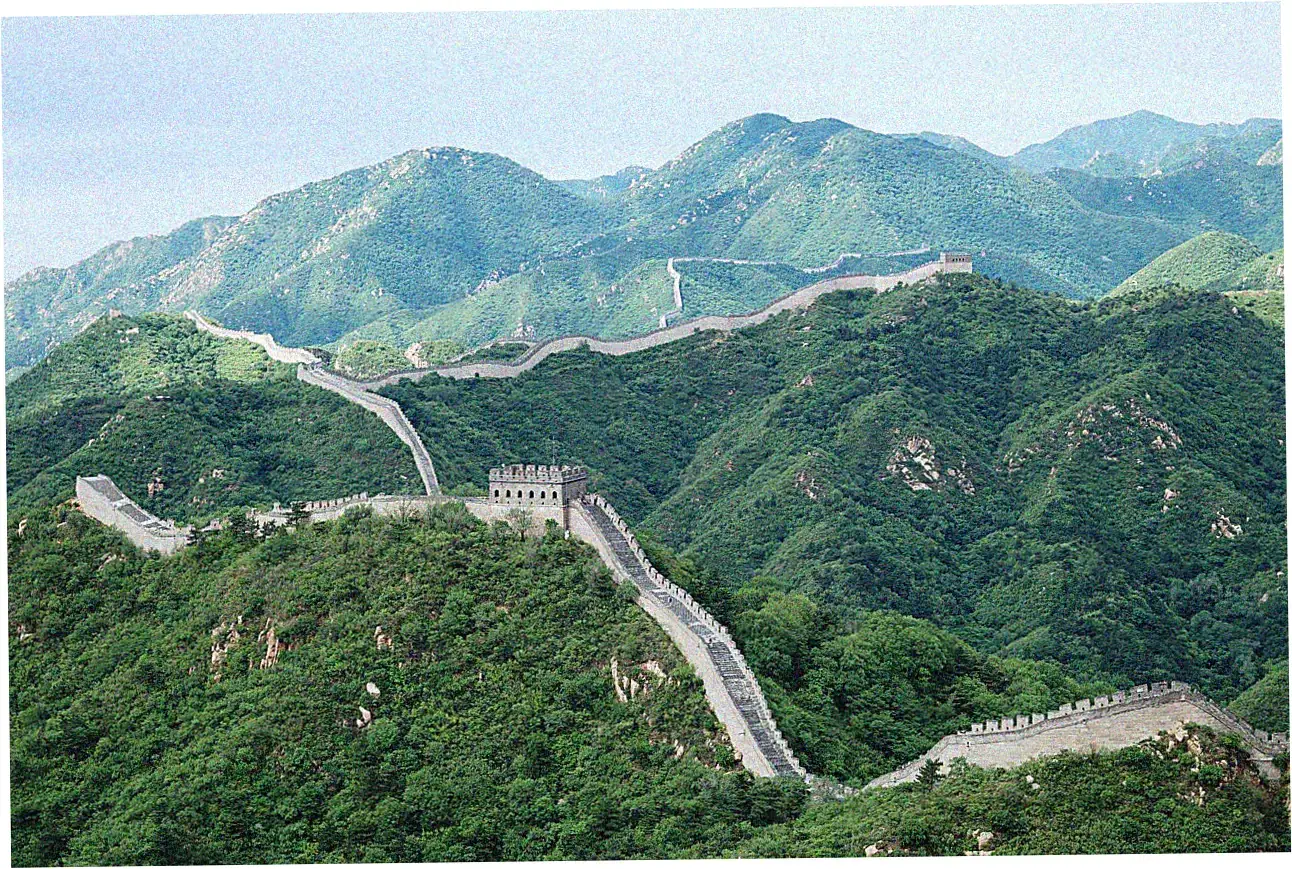
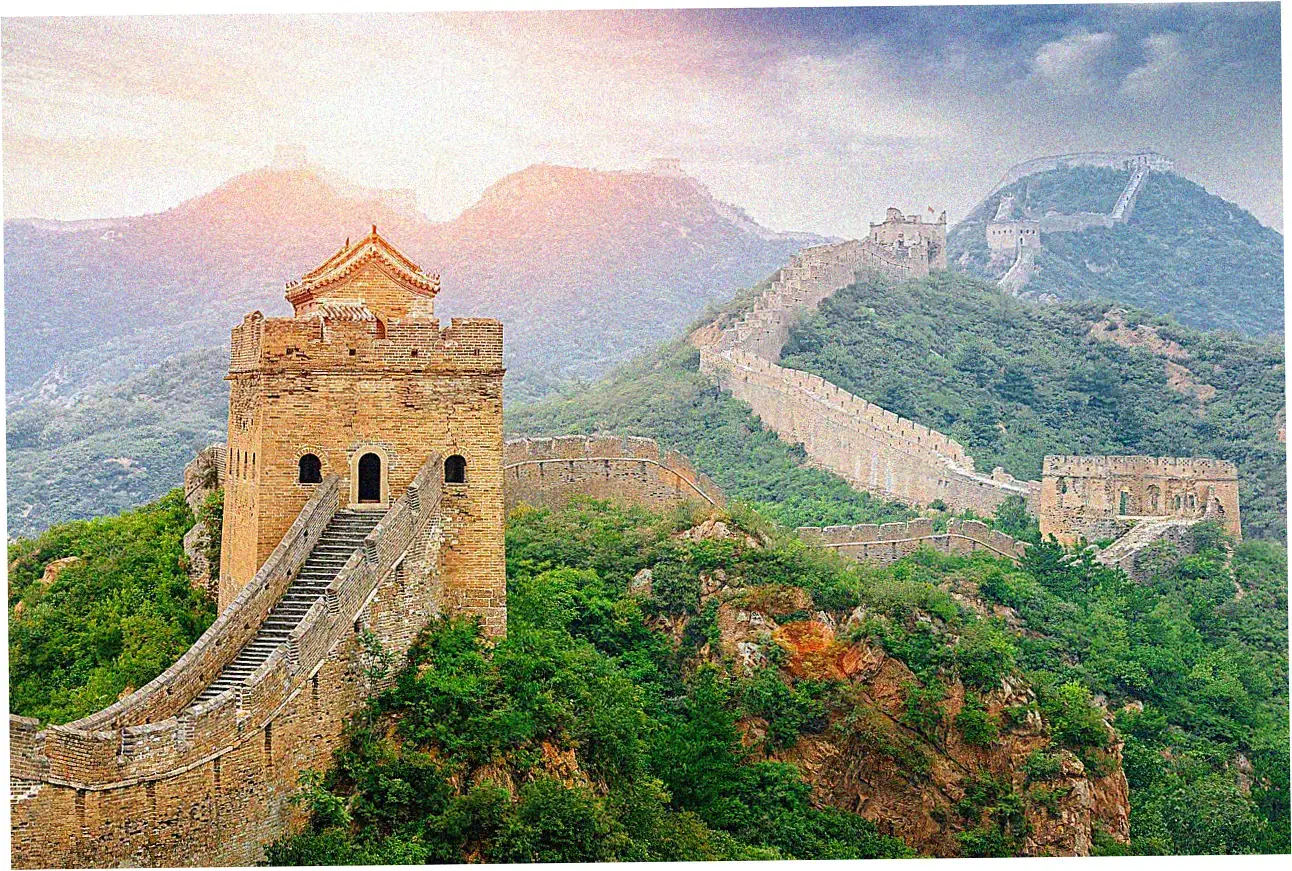
The towers look different based on where they are and who built them. Ming Dynasty towers are stronger and fancier – made of brick and stone. Qin Dynasty ones were simpler, just packed dirt.
Expert Professor Wang Mei says they designed each tower for its location. Some sit on flat land, others cling to steep mountains. This shows how skilled China’s old builders were at adapting. Today’s visitors can see these differences, making the wall more interesting and beautiful.
Great Wall towers restoration and preservation efforts
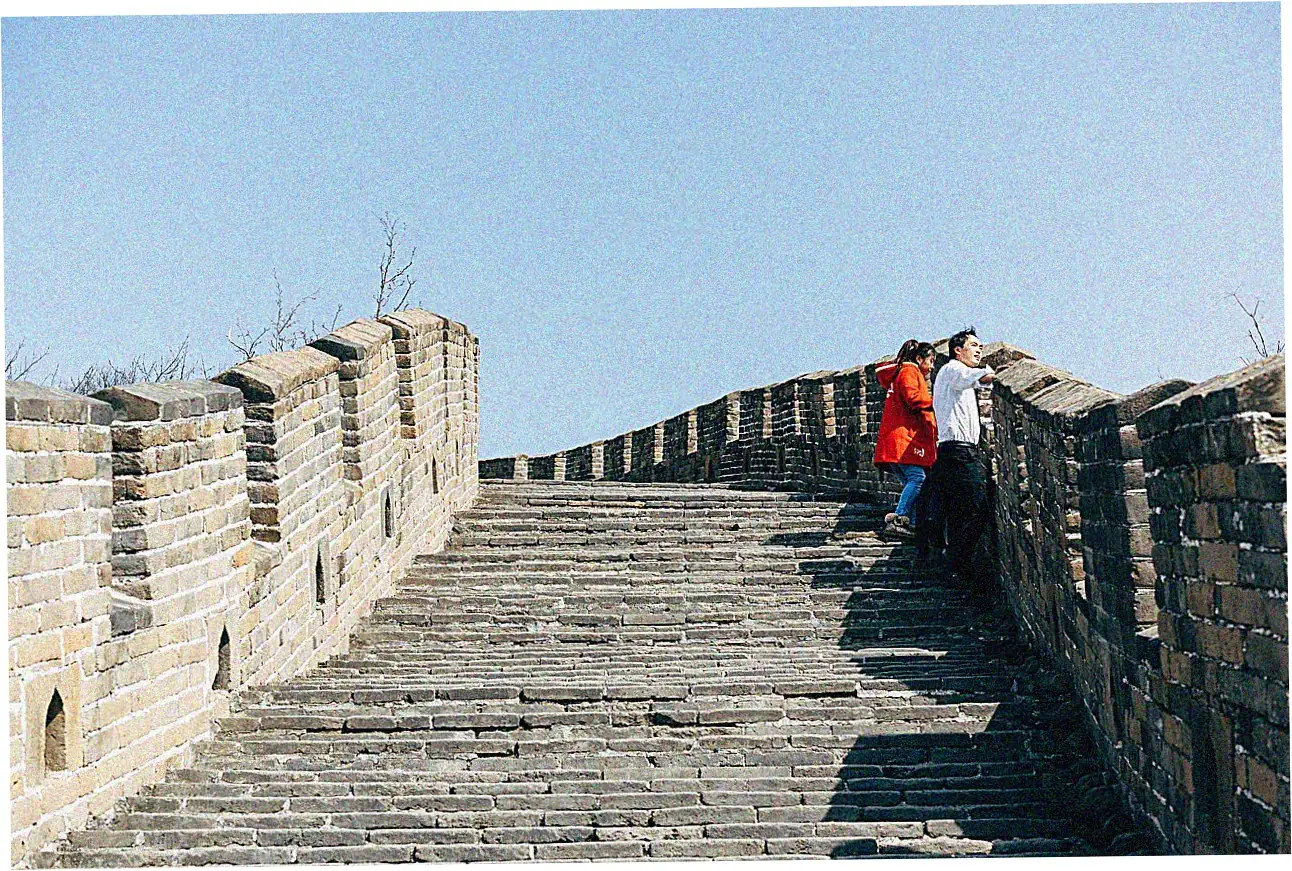
China and world groups are working hard to save these towers.
Time, damage from people, and too many visitors have hurt these old towers. The Great Wall Society says about 30% of the wall is gone because of nature and people.
Fix-up jobs use old building ways to keep the towers real while making them last. UNESCO helps too by naming parts of the wall as World Heritage spots. This work is key to saving this special place for our kids and grandkids.
Great Wall towers cultural significance and symbolism
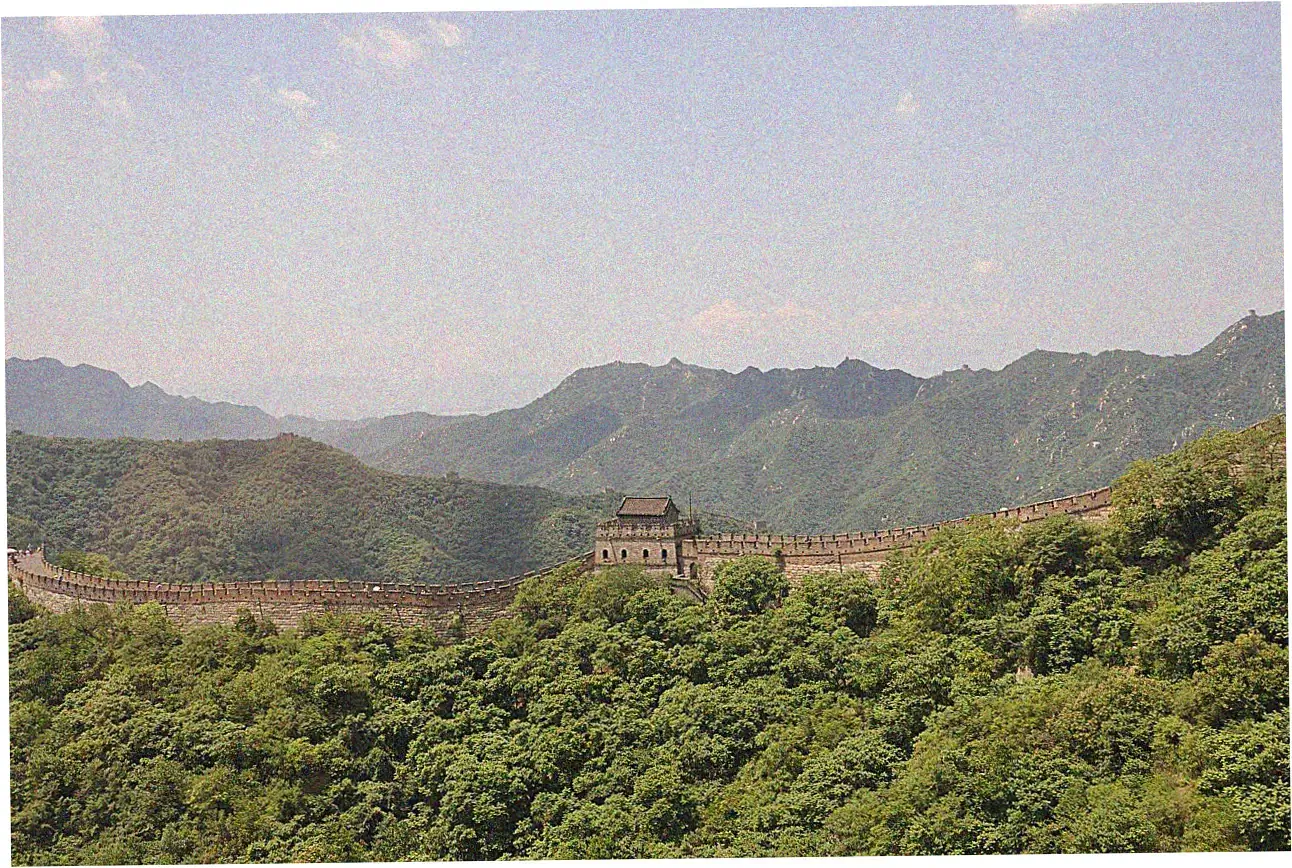
The towers aren’t just for war – they mean a lot to Chinese culture too.
They stand for how tough and united Chinese people are. Folks worked for hundreds of years to build and keep up the wall. Folklorist Dr.
Zhang Wei explains that the towers often appear in Chinese literature and art as symbols of protection and perseverance. People hold parties and events near the towers to honor their past. For lots of visitors, seeing the towers helps them feel linked to old China and respect the workers who built them.
Great Wall towers tourism and visitor experiences
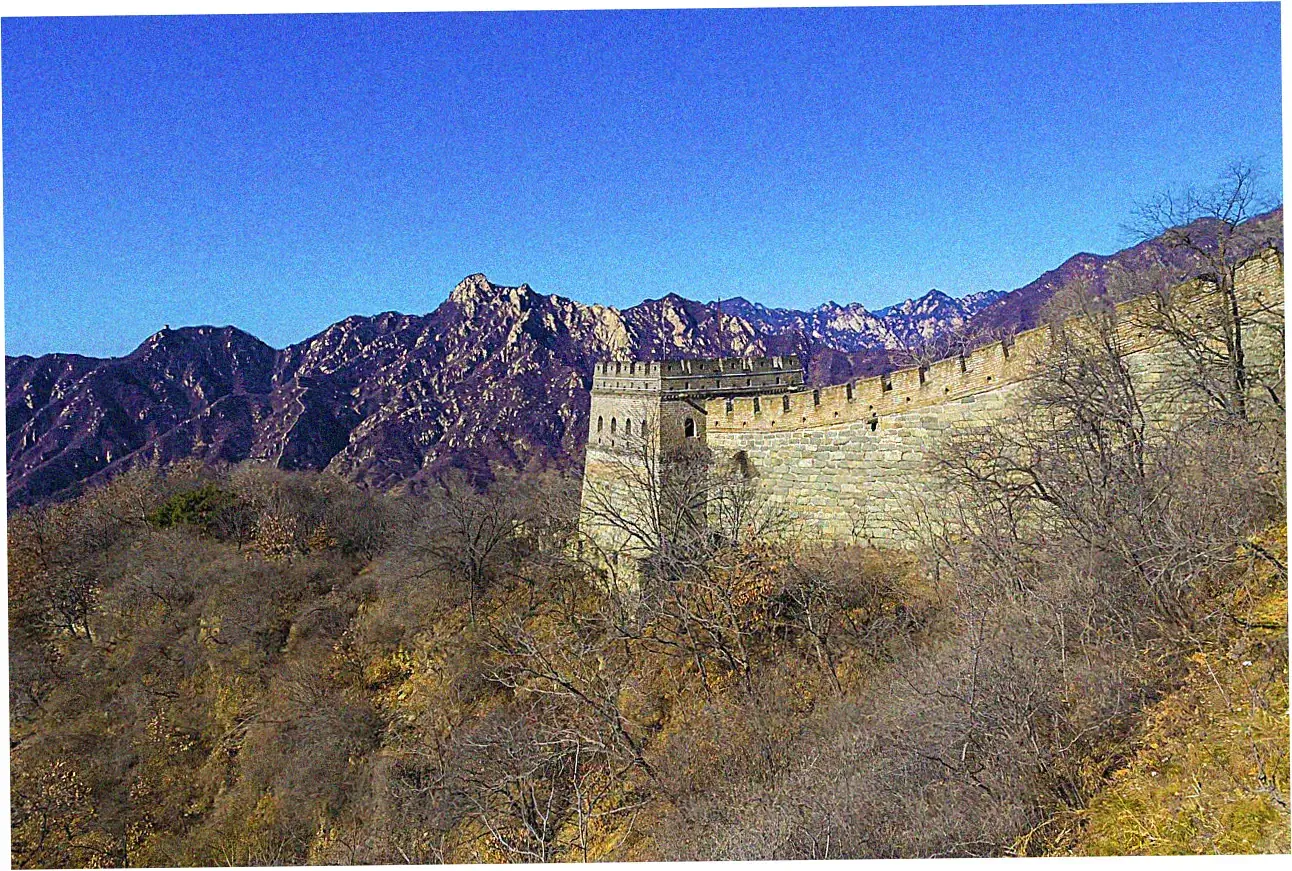
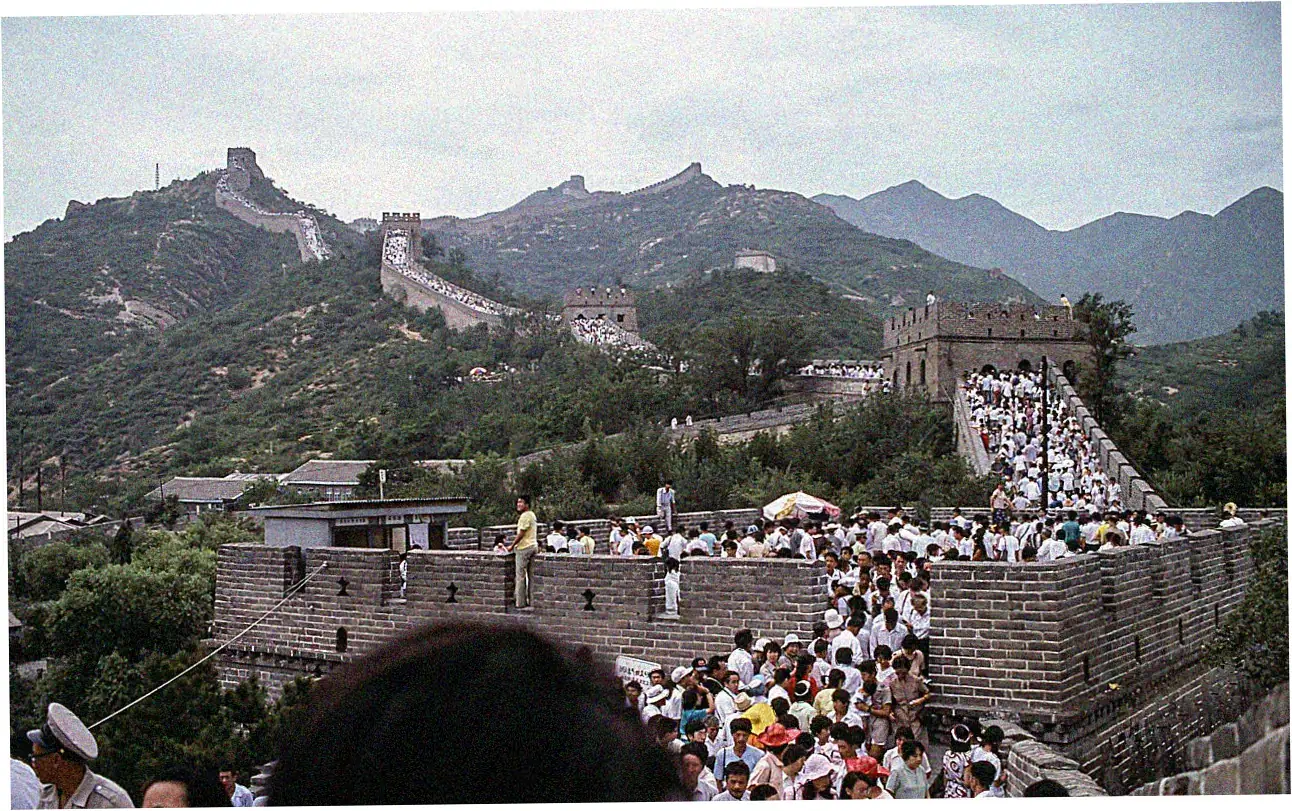
Visiting the towers lets people feel like they’re in ancient times.
Spots like Badaling and Mutianyu have great towers and awesome scenery. Blogger Emily Chen says go at sunrise or sunset for perfect pics.
But she reminds people to follow the rules – don’t climb on weak parts. Tour guides tell fun history stories that make visits more interesting. Millions visit each year, keeping the towers super important for China’s tourism.
Great Wall towers legends and folklore stories
Lots of old tales and myths swirl around these towers.
There’s a famous story about Meng Jiangnu. She cried so hard part of the wall fell down, showing her dead husband’s bones. These stories got told over and over, making the towers seem more magical.
Dr. Liu Hong says these tales usually show how tough life was for workers and their loved ones. They remind us how much people suffered to build this huge thing. Learning these old stories helps you value the towers cultural importance more.
Great Wall towers construction techniques and materials
The way they built these towers was really smart for back then.
Workers used whatever was around – bricks, stones, or packed dirt. Engineering historian Dr.
Chen Guang highlights the use of glutinous rice mortar in some sections, which provided exceptional durability. They put wooden poles under the towers to stop them from sinking. These clever ideas show how good old Chinese engineers were. Today’s builders still learn from these old methods.
Great Wall towers role in ancient communication systems
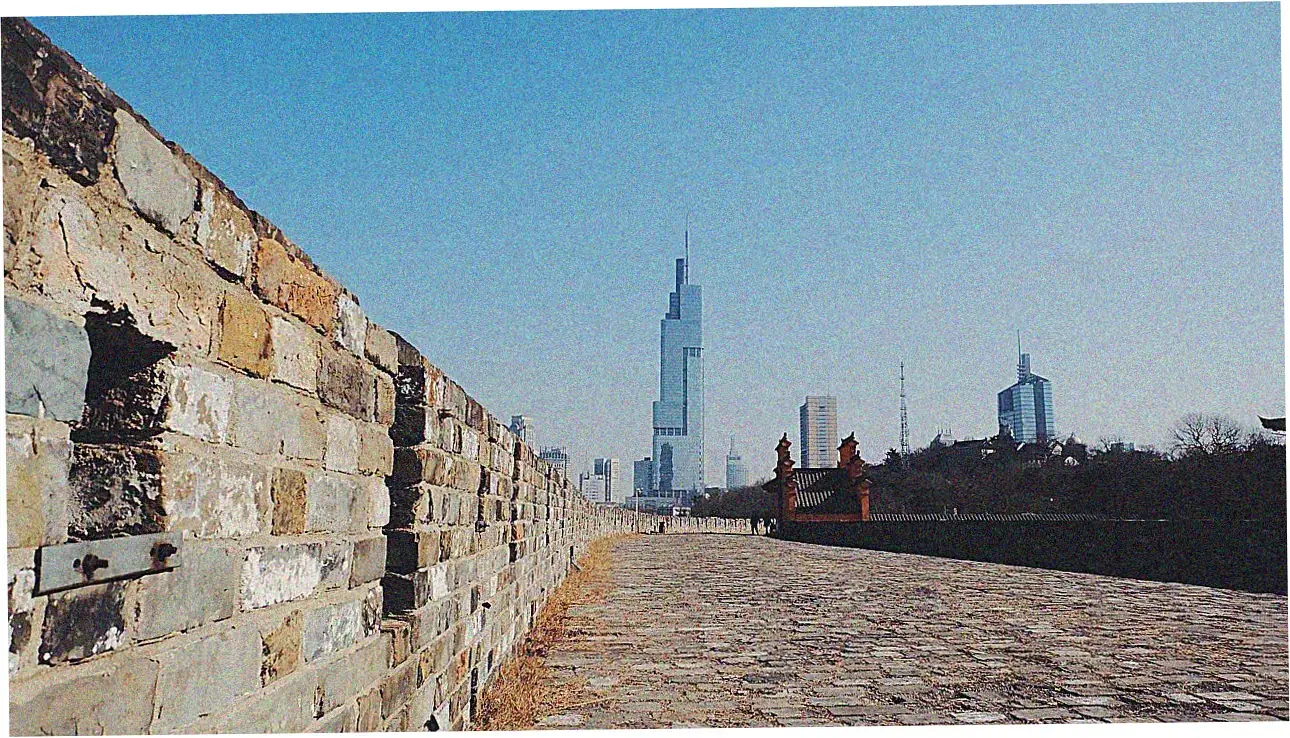
The towers were like an ancient messaging system. Guys used flags, drum beats, and smoke puffs to send news far away.
General Zhao Ming says this setup helped them react fast to danger. Being up high meant they could see far, working like old-school signal towers. This was like an early version of today’s comms systems – showing how smart China’s old armies were.
Great Wall towers comparison with other global fortifications
Looking at other old forts worldwide shows what’s special about China’s towers.
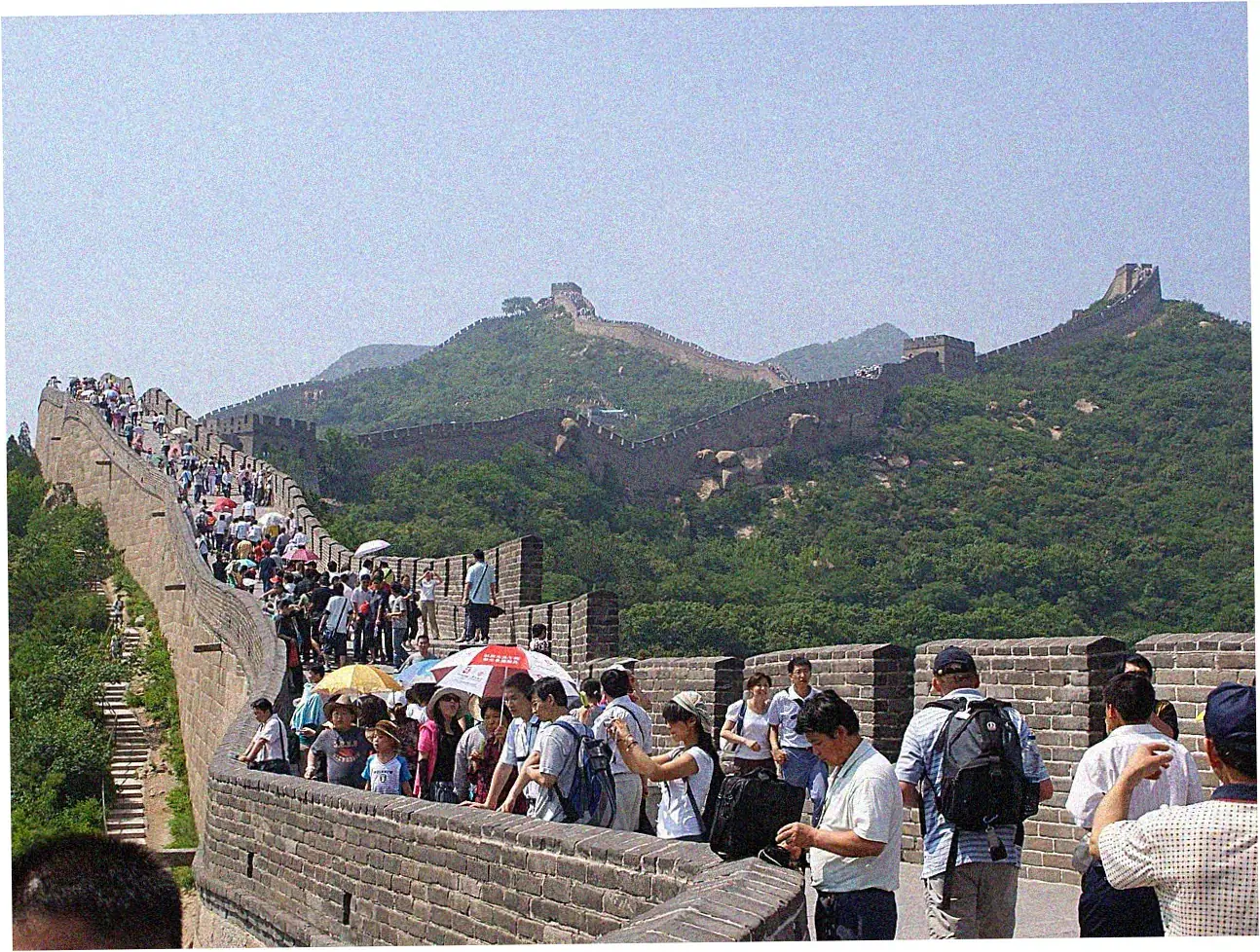
European castles stood alone, but China’s towers connected in one long defense line. Historian Dr.
James Carter points out that the wall’s scale and integration with natural barriers set it apart. It’s a bit like Roman walls, but China’s towers have their own special designs. Looking at these differences shows how varied old defense plans were.
Great Wall towers impact on local ecosystems
For hundreds of years, the towers have changed the local environment.
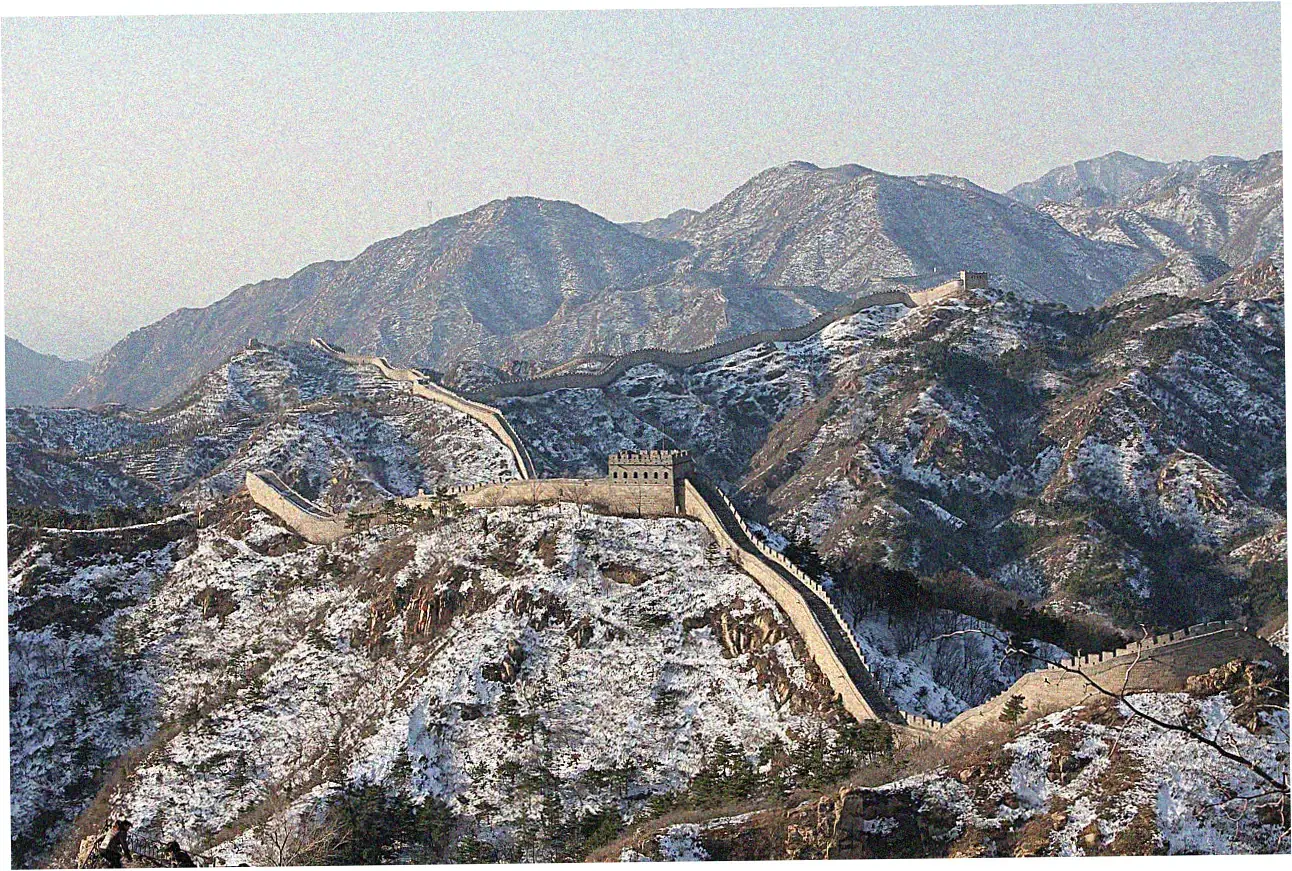
Dr. Yang Lin says building the wall changed the land, making small homes for some animals and plants.
But today’s green projects try to limit harm to nature. Planting trees near the wall helps protect different kinds of life. Officials still struggle to protect both the wall and nature.
Great Wall towers photography tips and best angles
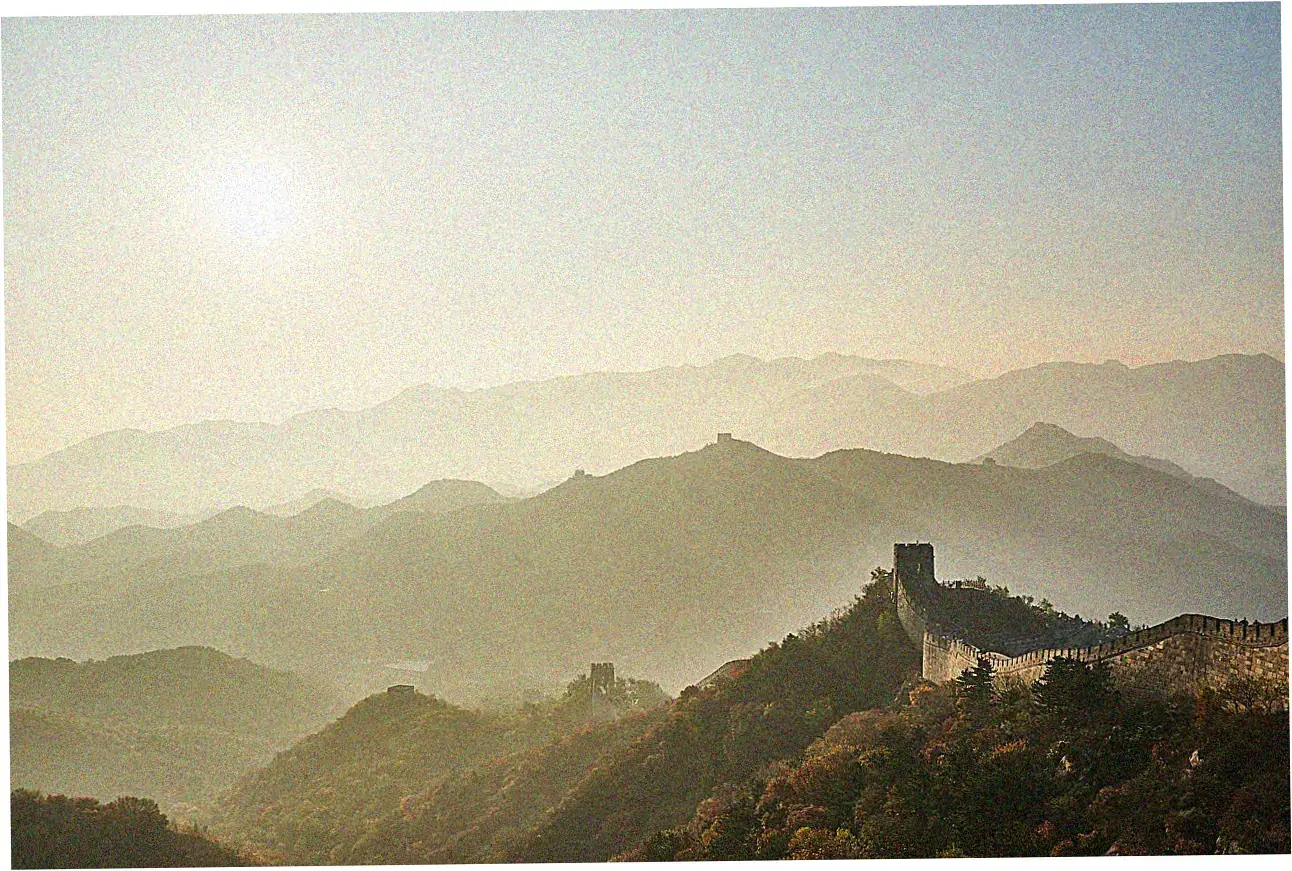
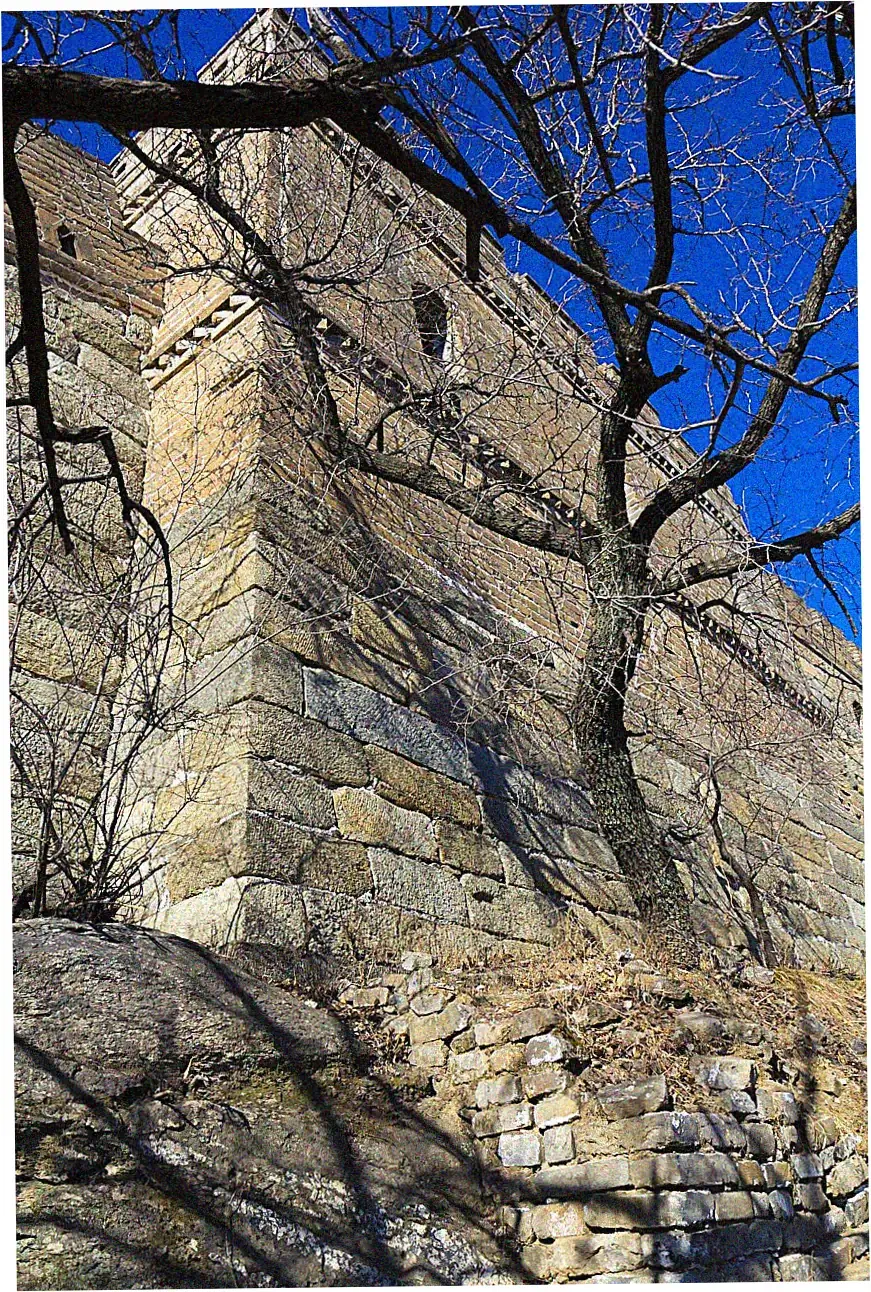
Taking good tower photos means thinking about light and how to frame the shot. Pro photographer David Wong says wide lenses show off how big the towers are.
Morning sun makes textures pop, and fog makes things look magical. Go when it’s not busy to get shots without people in them. Follow these tips to take amazing photos that really show off these old towers.
Great Wall towers virtual tours and digital experiences
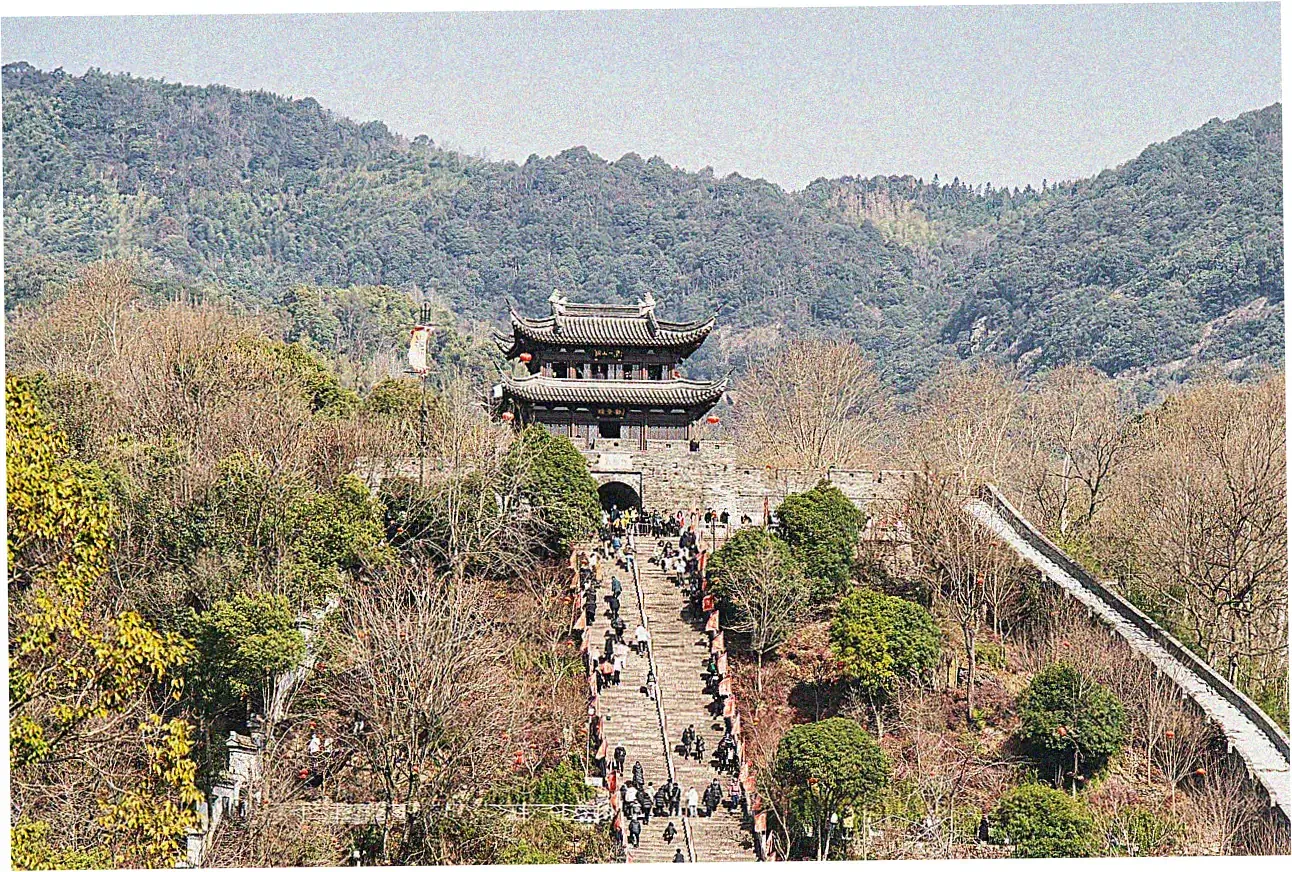
You can check out the towers online if you can’t go in person.
Sites like Google Arts & Culture let you see all around important parts. Digital archaeologist Dr.
Sarah Kim emphasizes how these tools make the wall accessible to those unable to visit in person. Cool extras like history layers make the online visit more fun. Online tours are great for teachers and history buffs too.
Great Wall towers future preservation challenges
Keeping the towers safe in future will be tough with weather changes and more visitors.
Dr. Liu Wei says hotter weather and storms might wear the towers down faster.
Things like capping visitor counts are must-dos to protect the towers. Countries working together and money will be key to fixing these problems. Saving the towers needs everyone around the world to pitch in.
To wrap up, these towers aren’t just old buildings – they show how clever and tough people can be. No matter if you love history, travel, or photos, there’s something here for you.
We really hope you’ll visit, learn about them, and help keep them safe. Let’s make sure these amazing places keep wowing people for years to come.

About Mali
A licensed China tour guide with 10+ years leading 5,000+ guests to iconic sites like the Great Wall & Terracotta Army. Expert in seamless tours, cultural insights, and VIP access!