People often ask about Beijing’s most famous spots when planning their first visit to China’s capital. They want to know which attractions they absolutely can’t miss. As a tour guide who’s lived in Beijing for three years, I’ve seen that visitors always look for those famous landmarks from photos. They want to see the Great Wall winding through mountains, the Forbidden City’s grand halls, and Tiananmen Square’s huge open space. But Beijing’s real charm goes way beyond those postcard pictures. There’s amazing food to try, ancient alleyways to explore, and living cultural traditions that keep changing. Beijing’s different from Shanghai’s modern skyscrapers or Hangzhou’s peaceful West Lake. It mixes imperial majesty with modern buzz – that’s why I keep coming back every year.
Table of Content
Beijing’s most famous historical landmarks
Let’s talk about the Great Wall beyond just Badaling
Most tourists go to Badaling, but I’d suggest Mutianyu instead. It has amazing views and cable cars. For serious hikers, Jinshanling is great. When I did my tourism certification, we looked at visitor patterns.
Mutianyu really hits that sweet spot – easy to get to but still feels authentic. The restored watchtowers are perfect for photos, and you can even take a toboggan ride down – super fun! Get there early to beat the crowds, and wear good shoes because some steps are pretty steep and uneven.
Spring and fall are the best times to visit. From September to early November, the fall colors are just gorgeous. Winter brings beautiful snowy scenes, but you’ll need warm clothes and good grip on your shoes.
Summer gets really crowded and hot, but if you go super early, it’s still nice. Here’s how the different sections compare:.
| Section | Crowd Level | Difficulty | Unique Feature |
|---|---|---|---|
| Badaling | Very High | Moderate | Complete restoration |
| Mutianyu | Medium | Moderate | Cable car toboggan |
| Jinshanling | Low | Strenuous | Original wall condition |

Getting around the Forbidden City like a pro
Since 2019, they’ve limited daily visitors, so you absolutely need to book tickets online ahead of time. Use the official WeChat or website to get your tickets 3-7 days before you go, especially around holidays.
I found this out the hard way – brought some friends without booking ahead and we couldn’t get in. The online system shows what’s available right now and lets you book audio guides too. Morning tickets go quickest, but afternoons are often less crowded since tour groups are leaving.
Don’t just follow the main path with everyone else. Start at the Western and Eastern Palaces where it’s quieter, then head to the main halls. The Clock Exhibition and Treasure Gallery have some really cool artifacts you shouldn’t miss.
From my guide training, I learned a lot about the Forbidden City’s history. I always tell people to check out the Nine Dragon Screen – it’s one of only three left in all of China!
Beijing’s Famous Cultural Experiences
Hutong Life and Traditional style Courtyards
Exploring Beijing’s hutongs is amazing – these narrow alleyways have centuries of everyday life stories to tell. Skip crowded Nanluoguxiang and check out the connected hutongs between Drum Tower and Beixinqiao instead.
I spent six months documenting these areas for a preservation project and found hidden temples, family stores that have been around for generations, and beautiful courtyard homes called siheyuan.
For great photos, go early in the morning when sunlight hits the gray-tiled roofs and locals start their day.
You can visit restored courtyard houses that are now cafes, shops, or cultural centers – they give you a peek into traditional architecture. They’re laid out according to feng shui principles.
with main buildings facing south and walls creating private inner spaces. Unlike Hangzhou’s open West Lake gardens, these spaces face inward, making cozy family areas.
Lots of them offer calligraphy, paper cutting, or tea ceremony workshops – way better for understanding the culture than just looking around.
Peking Opera and Acrobatics Shows
For real Peking Opera, Huguang Guild Hall has that historic feel, while Liyuan Theatre has tourist-friendly shows with English subtitles. I’ve seen tons of shows while studying Chinese arts.
and I’d say beginners should start with short excerpts – the stylized moves and singing need some getting used to. The bright costumes and symbolic makeup tell stories even if you don’t understand the language.
For acrobatics, Chaoyang Theatre does tourist shows with amazing balance tricks, while Tiandi Theatre has more artistic performances. I’ve been backstage at both places through performer friends – these athletes start training as kids to develop those amazing skills. This table helps you pick what’s right for you:.
| Place | Type | How long | Good for |
|---|---|---|---|
| Chaoyang Theatre | Traditional style | 90 minutes | Families |
| Tiandi Theatre | Modern style | 75 minutes | Art fans |
| Red Theatre | Kung Fu shows | 80 minutes | Action lovers |
Beijing’s Famous Culinary Scene
Peking Duck Mastery
When picking a restaurant, don’t just go for the famous chains like Quanjude and Dadong. Try places like Siji Minfu that stick to traditional ways of cooking.
I took a Chinese cooking class at Beijing Tourism College, so I really notice those small differences in how they roast the duck. The top spots still cook with fruitwood fires and have experts who’ve been carving ducks for years.
You get crispy skin served separate from the meat. Then you wrap it all up in thin pancakes with spring onions, cucumber, and sweet bean sauce.
Dining Ritual Understanding: Here’s how you eat it right: take a pancake, add some duck slices, scallions and sauce, then roll it up tight. When I guide food tours, I see tourists pile too much in their pancakes.
The trick is balance – you want to taste everything. This isn’t like Shanghai’s street food scene. Peking duck is Beijing’s ultimate food masterpiece, refined over centuries for emperors.
Street Food Safety and Selection
For night markets, Wangfujing Snack Street is easiest for tourists with English signs. But locals love Guijie, that’s Ghost Street, for late eats – it’s less commercial.
I got food poisoning when I first moved here, so I learned how to eat street food safely. Pick busy stalls, check they’re clean, and only eat cooked stuff. If you’re feeling brave, start with jianbing – those savory crepes – or yangrou chuan, the lamb skewers.
Seasonal Specialties Timing: Street food here changes with the seasons. In winter you get warm candied hawthorn berries, summer brings cooling almond tofu. The Muslim community makes amazing beef and lamb dishes, especially around Niujie.
I’ve become friends with some street vendors over the years. They’ve got great stories about their food traditions. That personal touch turns just eating into real cultural exchange.
Beijing’s most famous modern buildings
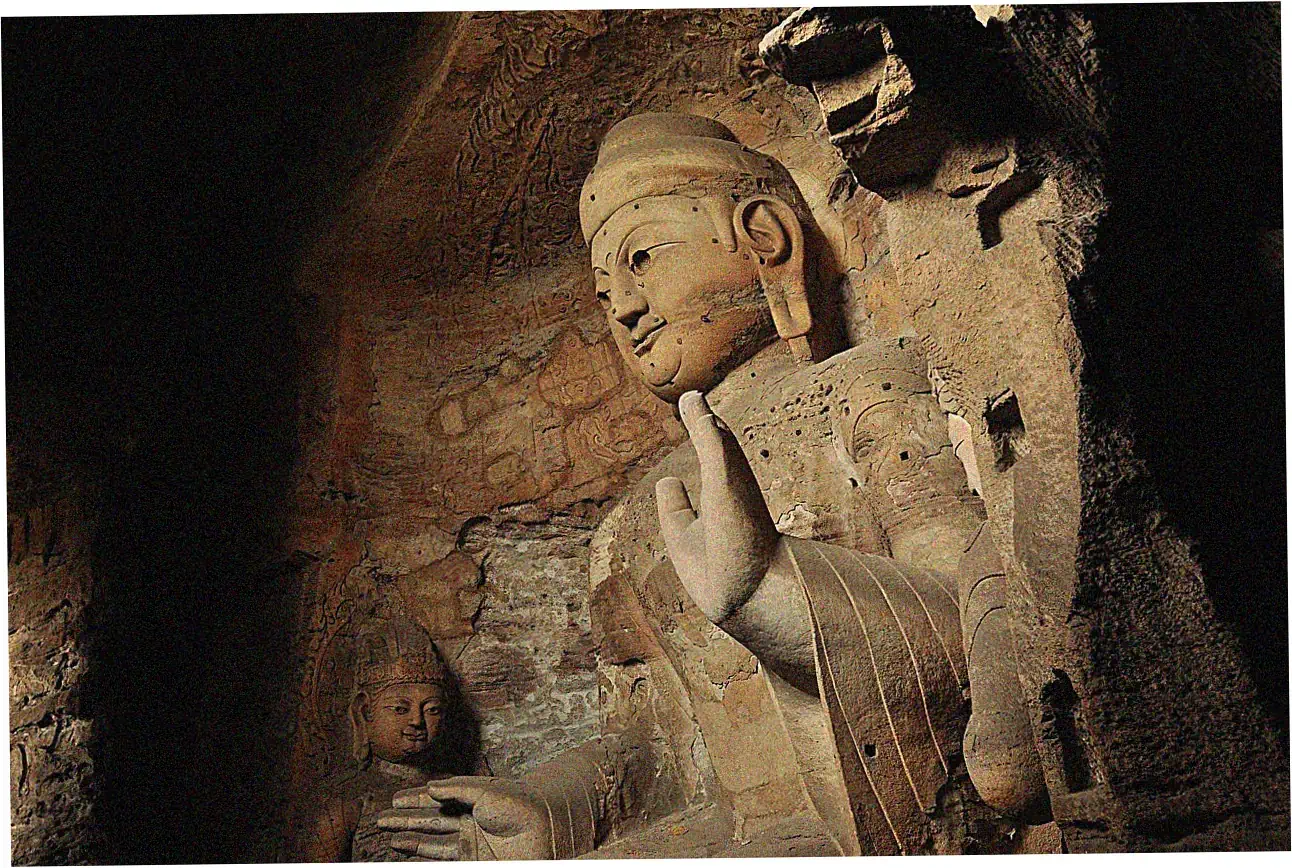
The Olympic Park’s famous spots
Here’s how to visit the Bird’s Nest: The National Stadium holds concerts and sports games now, plus you can take daily tours to see how it’s built. Walking on the roof gives you amazing views of the whole Olympic area and the city around it.
I went to the 2008 Olympics and some recent events there too, and I’ve seen how it’s changed into a place used for lots of different things. Downstairs, there’s an exhibit that shows how they built it and explains the engineering of its famous criss-cross design.
The Water Cube changed a lot – now called the Ice Cube, this swimming center from 2008 got a makeover for winter sports after the 2022 Winter Olympics.
They have permanent curling rinks where anyone can try the sport, and there’s still a water park area keeping its water theme alive. This smart reuse shows how Beijing thinks ahead about its famous buildings, kind of like Shanghai does – updating spaces but keeping their history.
The CBD skyline and best viewing spots
Comparing viewing spots: China World Summit Wing has the highest bar, while CCTV Tower is more set up for tourists. When I photograph buildings, I’ve found some hidden spots like the Park Hyatt’s lobby lounge – you get great views there for free.
Sunset gives the best light for photos – the glass towers glow gold while the older neighborhoods below start turning on their lights.
Why these buildings matter: The CCTV building (we call it Big Pants) shows China’s big architecture dreams, and China Zun tower is now the tallest in the skyline.
These famous buildings represent Beijing’s economic growth, similar to how the Bund shows Shanghai’s commercial history. You can join guided walks that explain the design ideas and engineering behind these famous buildings.
Beijing’s most famous temples and parks
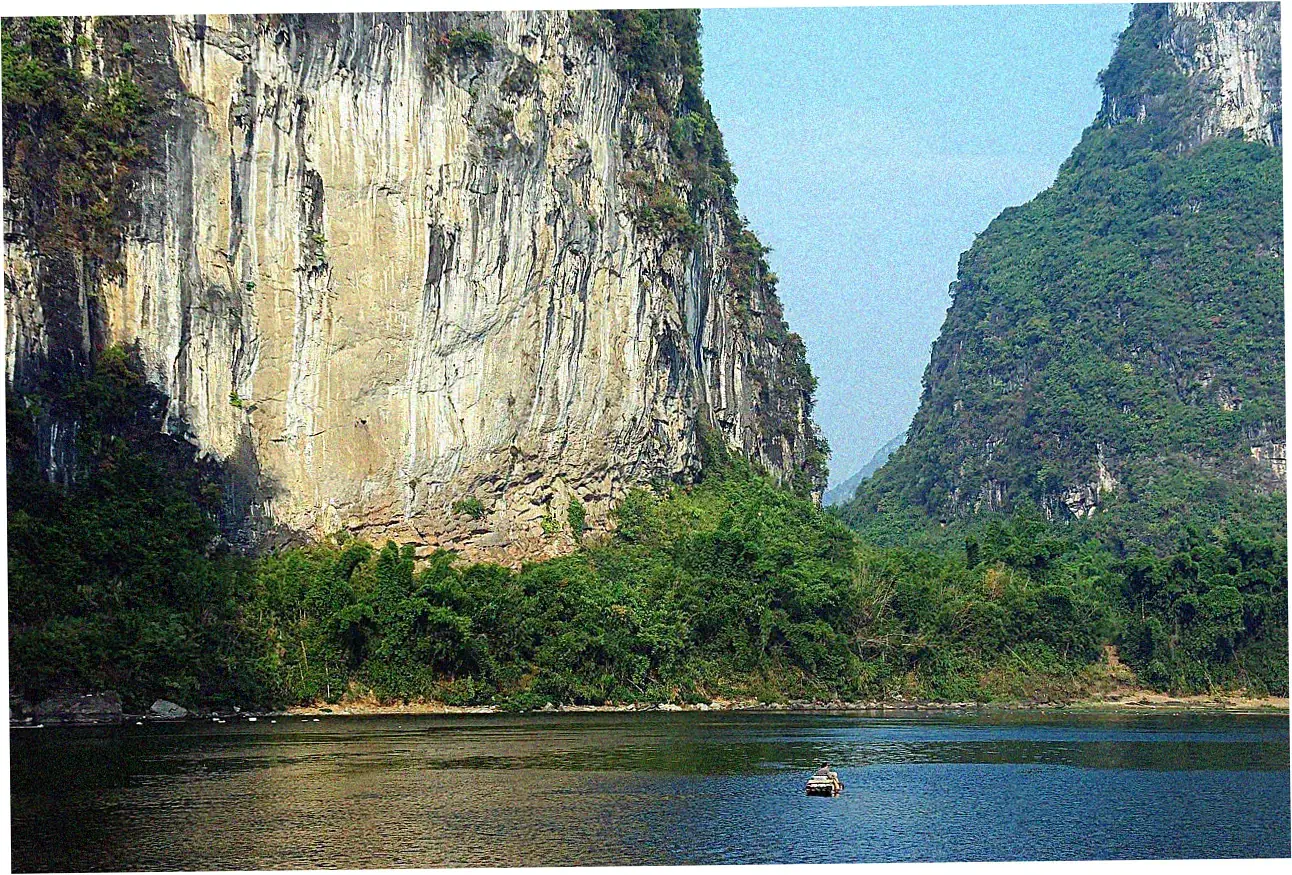
The Temple of Heaven has amazing rituals and design
Go early in the morning for the real deal – that’s when locals do tai chi, dance, and play traditional music in the park The temple opens at 8 AM, but the park around it gets busy way before that I tried these morning exercises myself and they’re perfect for experiencing local culture You’ve probably seen the Hall of Prayer for Good Harvests in photos – it’s famous for good reason, with its round wooden design that uses no nails at all.
The whole place is full of meaning – square bottoms stand for Earth, round tops mean Heaven, showing old Chinese beliefs The Echo Wall at the Imperial Vault of Heaven shows they knew about sound way before modern science It’s not like Hangzhou’s natural West Lake – here, everything’s carefully planned and has deep meaning.
The Summer Palace looks great in every season
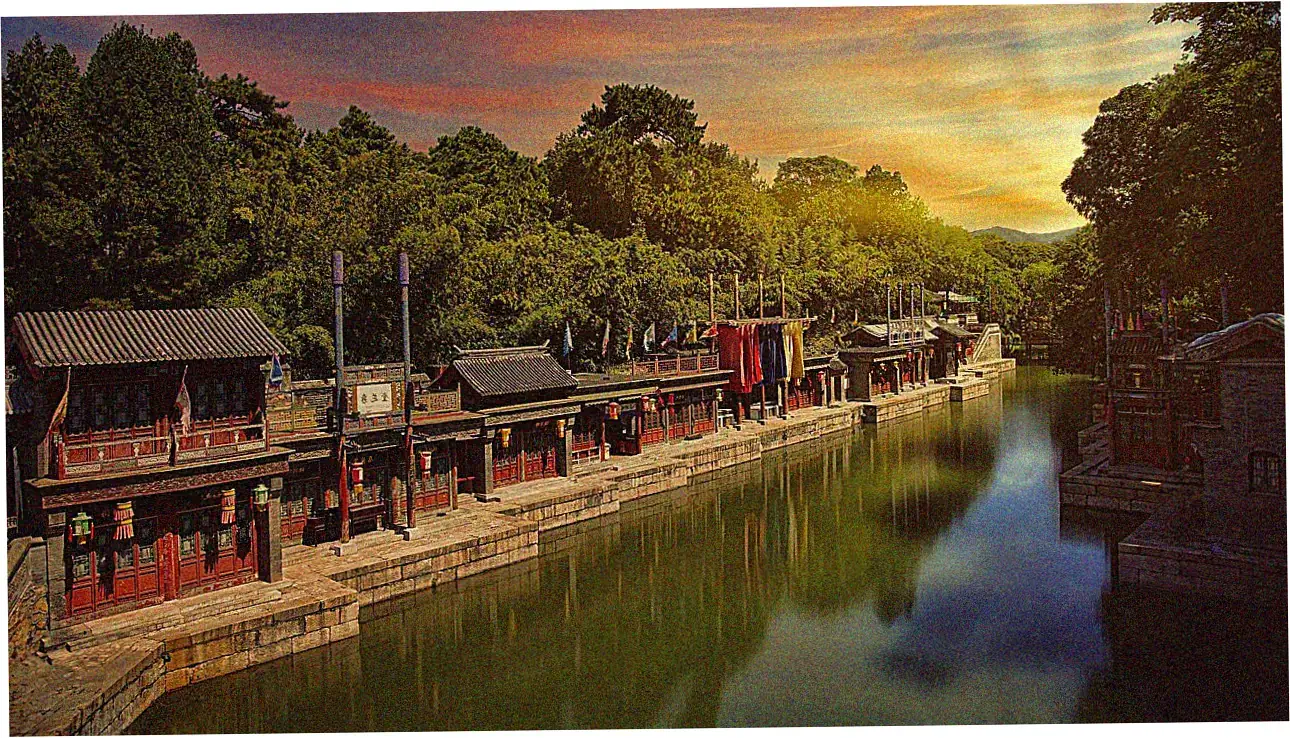
The Summer Palace is huge at 2.9 square kilometers, so you’ll want a plan Head to the northeast part with Longevity Hill and Kunming Lake I’ve been there in every season and love the marble boat for photos.
plus the Long Corridor with its painted stories from Chinese history Taking a boat saves time and gives you cool new views.
The Summer Palace has quite a history – destroyed in 1860 by foreign forces, then rebuilt by Empress Dowager Cixi, showing both royal luxury and China’s tough times Check out the digital archives at the museum – they reveal some really interesting history With its amazing scenery and dramatic past, it’s definitely one of Beijing’s most famous must-see spots.
Planning your Beijing trip? Here’s some practical advice.
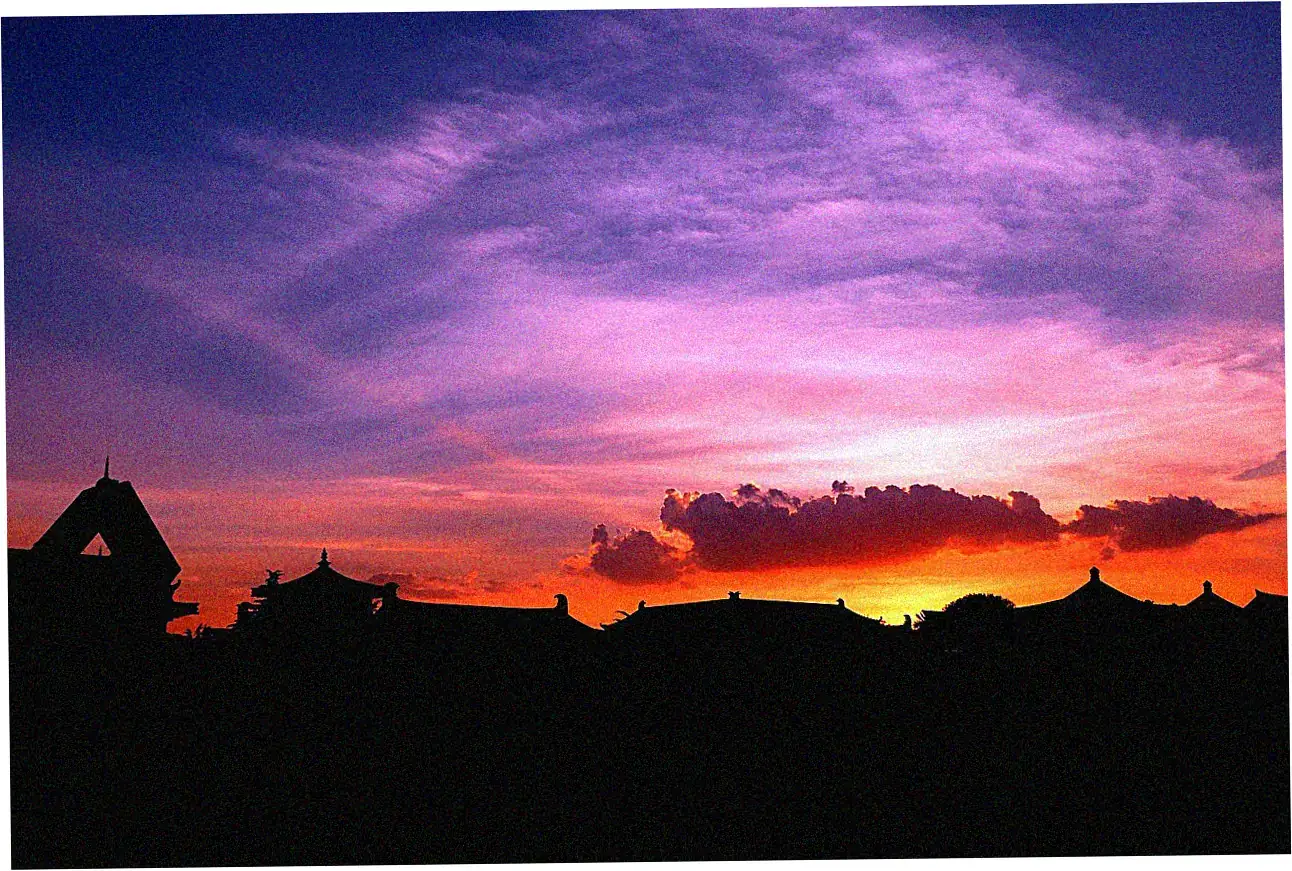
Getting around Beijing is easier when you master the transport system.
The subway is your best bet for getting around. It connects all the famous spots and has English signs everywhere. Grab a Yikatong card at any station – it works on both subways and buses.
Skip the rush hours from 7:30-9 AM and 5-7 PM – the crowds get pretty intense. Here are the subway lines you’ll use most:.
| Line | Color | Key Stops |
|---|---|---|
| Line 1 | Red | Tiananmen, Wangfujing |
| Line 2 | Blue | Drum Tower, Lama Temple |
| Line 8 | Green | Olympic Park, South Luogu Xiang |
For taxis, use Didi – it’s like Uber with English options. Regular taxis are everywhere too. Always have your destination in Chinese characters – most drivers don’t speak English. Take screenshots of your maps – the small hutongs don’t always show up clearly on apps.
When to visit and what to pack
Spring has sandstorms, summer gets really hot and humid, autumn is perfect, and winter is freezing but less crowded. Wear layers no matter when you visit – the temperature changes a lot throughout the day. Check the air quality and bring N95 masks just in case – pollution can be bad sometimes.
Festival Timing: Chinese Newing Year (late January/February) offers incredible cultural experiences but means crowded transportation and closed businesses.
Avoid National Day in early October – I went to the Great Wall then and couldn’t even move through the crowds. The best times are April-May and September-October – good weather and smaller crowds.
Beijing’s famous spots aren’t just pretty to look at – they show you China’s long history and how it’s changed. From ancient palaces to modern food spots, these famous places have amazing stories if you explore them properly.
When planning your trip, know that Beijing’s best parts aren’t always on the main tourist routes. See the famous sights first, but save time for exploring hutongs, local markets, and parks – that’s where you’ll see the real Beijing.
FAQ About Beijing’s most famous?
What is the most famous landmark in Beijing?
The Great Wall is definitely number one, especially parts like Mutianyu and Badaling that are right in Beijing. But the Forbidden City comes in a close second – it’s China’s most well-kept imperial palace.
I’ve been to both spots many times with tour groups, and they’re both must-sees but totally different. The Great Wall shows off amazing engineering in nature, while the Forbidden City lets you see detailed architecture and learn imperial history.
When is the best time to visit Beijing’s famous sites?
Early fall from September to October is perfect – nice weather, clear skies, and gorgeous leaves, especially on the Great Wall. Spring in April and May is nice too, though it can get a bit windy.
After three years in Beijing and visiting in every season, I think late September is ideal for photos and exploring outdoors. Just avoid big holidays like National Day in early October when crowds get crazy.
How many days do I need to see Beijing’s famous attractions?
You’ll want four to five days to see everything comfortably. Spend one day at the Forbidden City and Tiananmen Square, another at the Great Wall, and a third checking out the Temple of Heaven and Summer Palace.
Use the extra time for hutongs, markets, and other fun stuff. As a tour guide who’s planned tons of trips, I’ve found this timing keeps you from getting tired out while still giving you quality time at each spot instead of just rushing through.
What is Beijing famous for besides historical sites?
Beijing’s food scene is a huge draw too, especially the famous Peking duck, right up there with the historical sites. The arts scene is really lively in places like 798 Art Zone.
and you’ve got traditional shows like Peking Opera and acrobatics that highlight Chinese culture. After seeing Beijing as both a tourist and local, I’d say the hutong neighborhoods are must-sees – they give you a taste of living history that’s totally different from Shanghai’s modern vibe or Hangzhou’s natural beauty.

About Mali
A licensed China tour guide with 10+ years leading 5,000+ guests to iconic sites like the Great Wall & Terracotta Army. Expert in seamless tours, cultural insights, and VIP access!