When I planned my first Beijing trip, I kept thinking about the best time to go – when do those famous red walls and golden roofs really shine? I’ve been to Beijing in different seasons, and let me tell you – picking the right month makes all the difference. You could be fighting bad weather or having the perfect trip. Beijing’s climate gives each season its own character, and they all have something special to offer. Weather data shows Beijing can get as cold as -10°C in winter and as hot as 38°C in summer. That’s why timing your visit matters so much for comfort. Like Professor Li Wei from Beijing Tourism Research Center says, April-May and September-October are your best bets. You get nice weather without the huge crowds.
Table of Content
- Beijing’s Seasonal Climate Patterns: Understanding Weather Variations
- Optimal Visiting Months: Balancing Weather and Crowds
- Seasonal Activities and Cultural Events Calendar
- Winter and Summer Considerations: Alternative Visiting Periods
- Monthly Climate Data and Crowd Analysis
- Practical Planning Guide: Accommodation, Pricing and Packing
- Frequently Asked Questions About Beijing Travel Timing
Beijing’s Seasonal Climate Patterns: Understanding Weather Variations
Spring Awakening: March to May Transition
Core observation: Spring in Beijing comes on slowly. March still feels pretty chilly, but by May you get real warmth. When I visited last April, temperatures were between 8°C and 22°C most days – just right for spending lots of time outdoors.
The famous peach and cherry blossoms hit their best from late March to mid-April. Parks like Yuyuantan become absolutely stunning with flowers everywhere. But watch out – late spring sometimes brings dust storms from the Gobi Desert.
You’ll want to pack a light scarf just in case. The air gets much better starting in March, and May usually has the clearest skies of spring according to the environmental bureau.
Practical preparation: Wearing layers works best during these changing months. I usually begin the day with a light jacket, then take it off in the afternoon when it warms up.
This is a great time to visit outdoor spots like the Summer Palace and Temple of Heaven – they’re especially nice now. Tourism numbers show May gets about 40% more foreign visitors than March, but it’s still not as packed as the busy autumn months.
Summer Intensity: June to August Characteristics
Weather patterns: Summer hits Beijing hard – it gets really hot and humid, which can be tough if you’re not ready for it. In July, my thermometer often showed 35°C in the afternoons, and the humidity made it feel even hotter.
But summer has its perks too – daylight lasts until almost 8:30 PM, and the imperial gardens are beautifully green. Summer rains can mess with your plans sometimes, but they really clear out the air pollution.
A climate expert from Peking University says summer rain works like nature’s air cleaner – PM2.5 levels can drop by about 60% after a good rain.
Coping strategies: You need to plan your days carefully in summer. I save museums and indoor stuff for the hot afternoons, then hit outdoor sights in the mornings and evenings. Here’s what summer’s usually like:
| Month | Average High | Average Low | Rainfall Days | Tourist Density |
|---|---|---|---|---|
| June | 31°C | 19°C | 9 | Medium |
| July | 32°C | 22°C | 14 | High |
| August | 31°C | 21°C | 12 | High |
Optimal Visiting Months: Balancing Weather and Crowds
Prime Spring Window: April to May Analysis
Peak conditions: I’ve been to Beijing a few times in spring, and honestly, late April to mid-May is just perfect for exploring. The weather’s really nice then – not too hot, around 15-25°C.
and you don’t have to deal with that sticky summer humidity yet. Last May, I got seven straight sunny days – perfect for snapping photos of the Forbidden City’s amazing details.
All the parks are just gorgeous with peonies and wisteria everywhere, making every outing really special. Even the tourism bureau says people are happiest visiting then – they rate it 4.7 out of 5, way better than summer’s 4.2.
Crowd management: Sure, there are crowds during these months, but you can totally avoid the worst of it with some smart planning. I always book Great Wall tickets for weekday mornings – way fewer people.
like 30-40% less crowded than weekend afternoons. Here’s how the crowds change during these popular spring months:
| Attraction | April Visitors | May Visitors | Recommended Timing |
|---|---|---|---|
| Forbidden City | 1.2 million | 1.5 million | Tuesday-Thursday AM |
| Great Wall (Badaling) | 980,000 | 1.1 million | Weekday Afternoons |
| Summer Palace | 850,000 | 950,000 | Early Morning |
Autumn Excellence: September to October Advantages
Ideal conditions: Lots of Beijing regulars say autumn is the absolute best time to visit, and after going in both seasons, I totally get it. September keeps the warmth but loses the humidity, and October brings that fresh.
crisp air that’s perfect for hiking the Great Wall. The old buildings look incredible against bright blue skies and those golden ginkgo leaves. When I went in October.
I got these amazing shots at the Temple of Heaven with sun shining through red maple leaves – I’ve still got them up in my living room. Like this experienced tour guide told me, autumn’s clear skies let you see mountains in the distance that you just can’t spot other times of year.(A beginner’s guide to the Temple of Heaven – Visiting Beijing – Time Out Beijing. Archived from the original on 2020-03-28. Retrieved 2020-03-28.)
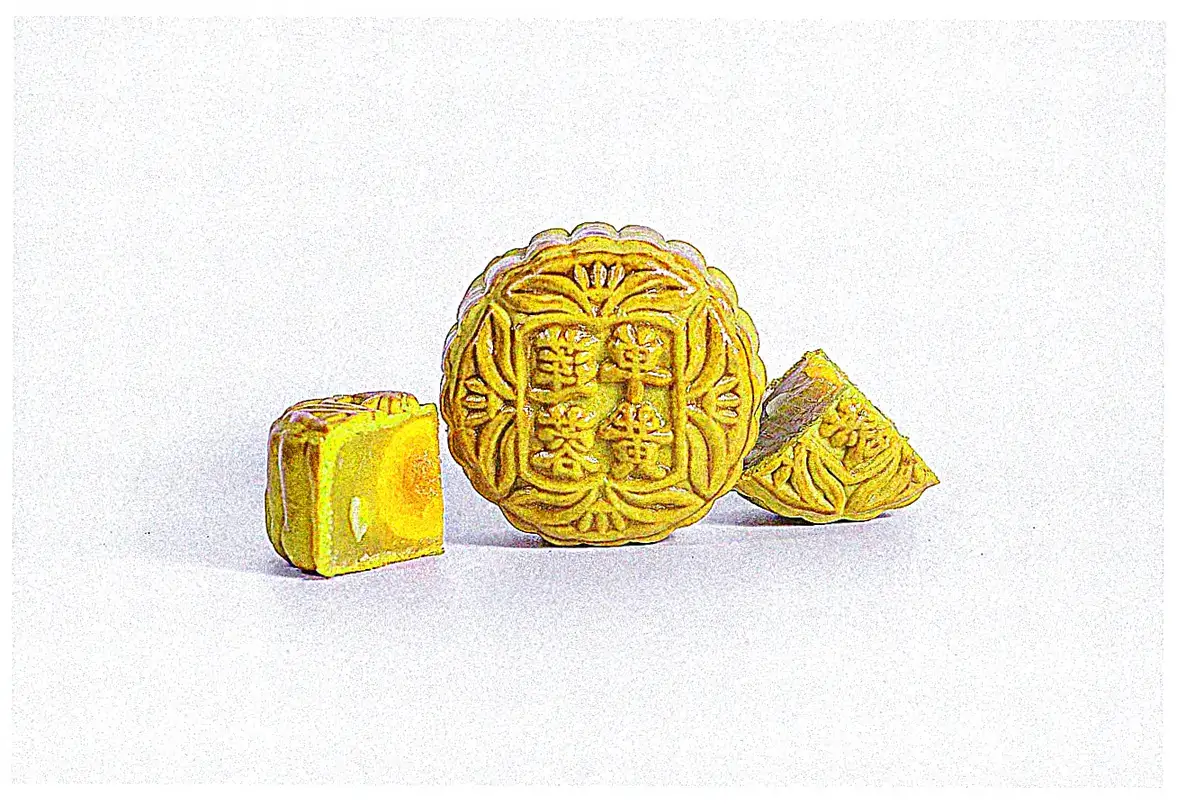
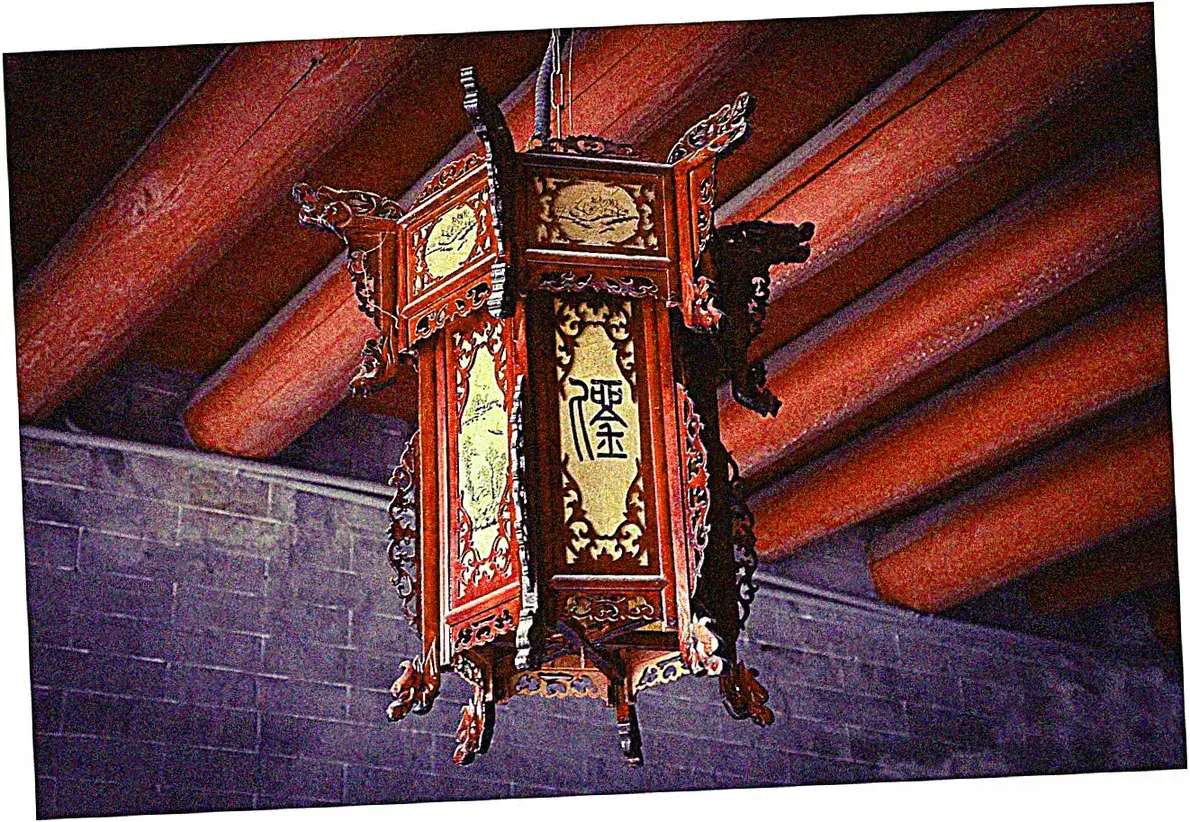
Cultural opportunities: You also get awesome cultural stuff like the Mid-Autumn Festival, when the whole city lights up with lanterns and you can try all kinds of mooncakes.
I love wandering through the hutongs in the early evening when it’s still nice enough to eat outside. Just watch out for National Day week in early October – it gets packed with local tourists, so I always plan my trip for before or after that.
Seasonal Activities and Cultural Events Calendar
Spring Festivals and Outdoor Exploration
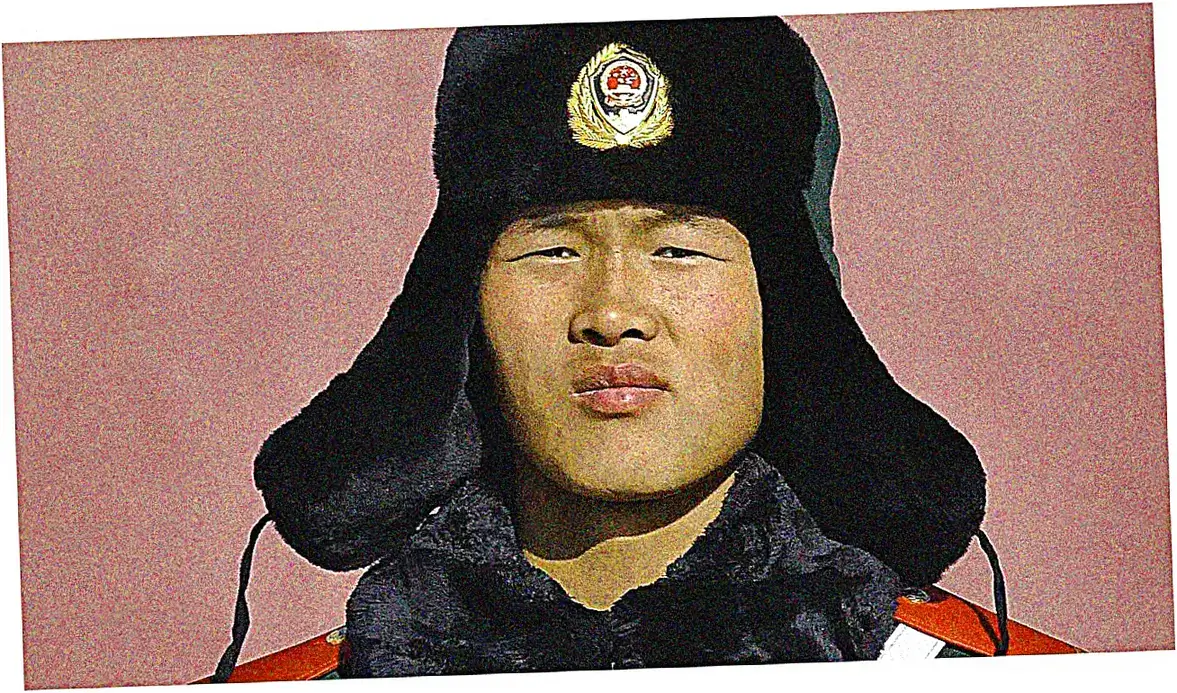
Spring brings tons of cultural celebrations in Beijing, giving you a real look at local traditions. During Qingming Festival in early April, you’ll see locals visiting ancestral graves and flying kites – the skies fill with amazing displays in public squares. I really love the Temple Fairs around Chinese New Year (January or February) – they’ve got traditional shows and special foods that make everything feel lively. Like Professor Chen from Tsinghua says, spring festivals are all about rebirth traditions from Beijing’s farming history – they show you way more than regular tourist spots.
The weather’s perfect for outdoor stuff you can’t do when it’s too hot or cold. I often rent bikes and ride from Lama Temple through the hutongs all the way to Houhai Lake – there’s tons of bike lanes now.
Out west, Fragrant Hills Park has great hiking with awesome city views, and the Botanical Gardens put on amazing tulip shows all through April.
Autumn Traditions and Day Trip Opportunities
Autumn’s just as exciting with the Moon Festival and National Day celebrations. When I visited in September, I hung out with locals at Ritan Park for moon viewing – they had poetry readings and special teas.
The cooler weather’s great for checking out Beijing’s food scene – I always go for hot pot when nights get chilly. This season has the most cultural shows – the Beijing Music Festival and lots of traditional operas run through October.
The nice weather makes it perfect for day trips outside the city. I always tell people to visit the Eastern Qing Tombs, about 125 km northeast of Beijing – the fall colors make these old royal tombs look incredible.
If you’re into cave art, autumn’s the best time to see the Mogao Grottoes, though you’ll need to plan extra travel. But Dunhuang’s got more than just those amazing caves. There’s the crescent moon lake and singing sand dunes – these desert spots are unforgettable in autumn’s perfect weather.
Winter and Summer Considerations: Alternative Visiting Periods
Winter Charm: November to February Experience
Winter in Beijing has its perks, even though you need to bundle up. You’ll get some really special experiences that make it worthwhile. I’ll always remember seeing the Forbidden City’s golden roofs covered in snow against bright blue winter skies – something summer tourists completely miss out on. The crowds thin out a lot in winter. January actually gets 60% fewer visitors compared to the busy October season. At Beihai Park, the frozen lakes turn into natural ice rinks where locals enjoy traditional winter activities. Liu Yang, a Beijing local and tourism expert, says winter shows off Beijing’s amazing architecture without all the leaves getting in the way. You can really appreciate the building shapes and royal colors.
For a good winter trip, you’ll need to plan smart. When it’s really cold outside, I head indoors to check out places like the National Museum or Capital Museum and their huge collections.
Hotels are much cheaper in winter – you can find luxury places charging half what they do in autumn. During Spring Festival, some places close but the ones that stay open give you an amazing cultural experience.
Summer Strategies: Managing Heat and Rain
Summer trips mean dealing with some heat, but you get some nice rewards too. I’ve gotten into the habit of waking up early. I’ll hit spots like the Summer Palace right when they open at 6:30 AM to enjoy the cooler weather and beautiful morning light.
When afternoon rains hit, instead of going back to the hotel, I check out indoor markets like Panjiayuan or browse through shopping malls. Beijing’s tea houses are perfect for escaping the midday heat. I like to sit with some traditional tea and write about my trip.
Summer has some cool events you won’t find other times of year. I really like the Beijing International Beer Festival in August, plus all the outdoor music festivals. The bars around Houhai Lake get really lively on warm nights, and the night markets stay open late with all kinds of street food.
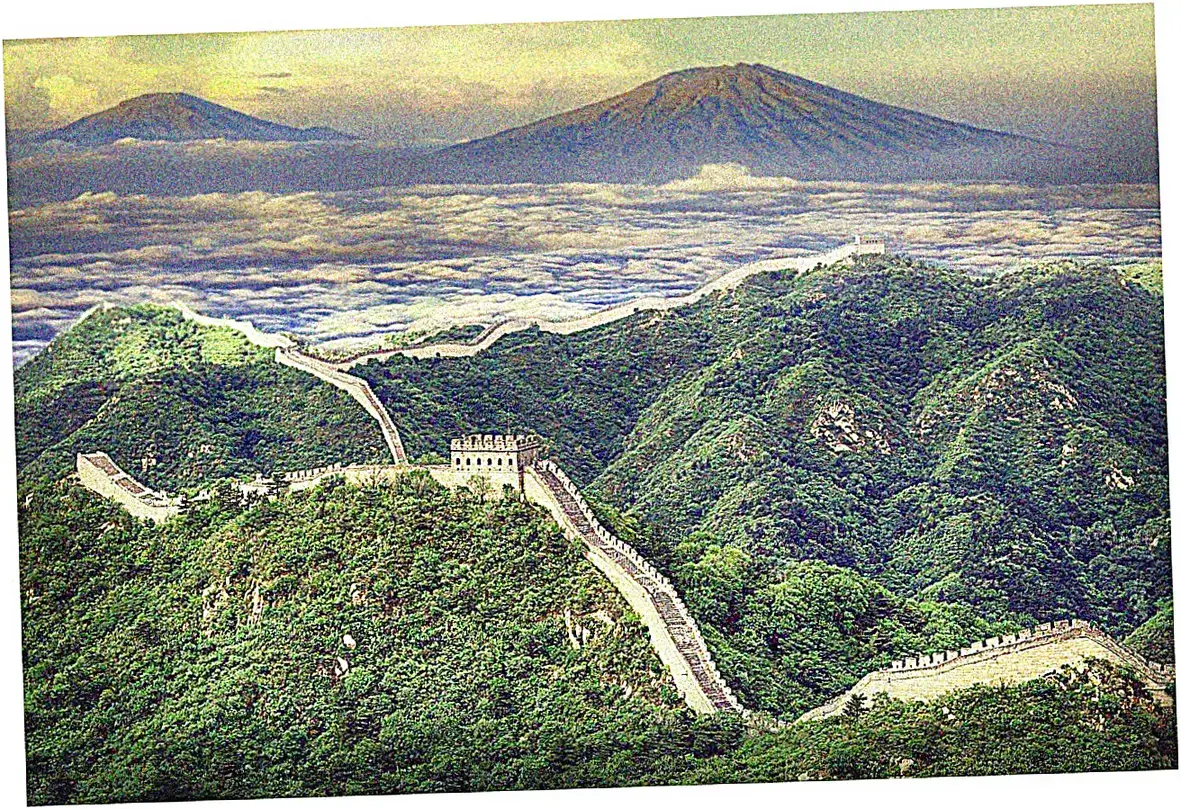
Let’s look at Beijing’s monthly weather and crowd patterns
Here’s how temperature, rainfall and tourist numbers compare across different months
I checked Beijing’s weather records and tourism stats to help you plan your trip better The numbers show some interesting trends – both September and October have great weather, but September is a bit warmer at 25°C compared to October’s 19°C.
and it has about 15% fewer tourists March sees the biggest weather change – temperatures jump from 6°C to 14°C during the month, and crowds stay pretty manageable A Ctrip data expert notes that early June is perfect – the summer travel rush hasn’t started yet, and the weather’s settled down nicely after spring’s ups and downs
Knowing these patterns can really help you plan your visit I match up weather info with Chinese holidays to find times when conditions are good but local crowds are thinner During May Day and National Week holidays, popular spots get 80-120% busier – not great if you’re looking for a peaceful visit
Weather differences around Beijing
Beijing’s huge size means weather can vary a lot depending on where you are When I checked in April, downtown was up to 5°C warmer than the Great Wall areas up north The city center stays warmer.
especially on summer nights when all that concrete lets out the heat it soaked up during the day Meanwhile, mountain spots like Mutianyu Great Wall get windier and cool down faster, so you’ll want layers even in warmer weather
These differences can actually work to your advantage when planning When summer heat hits, head to the mountains where it’s 3-5°C cooler than the city In winter.
stick to city attractions where it’s a bit warmer than the outskirts If you’re venturing further out, Beidaihe by the coast has nice sea breezes in summer
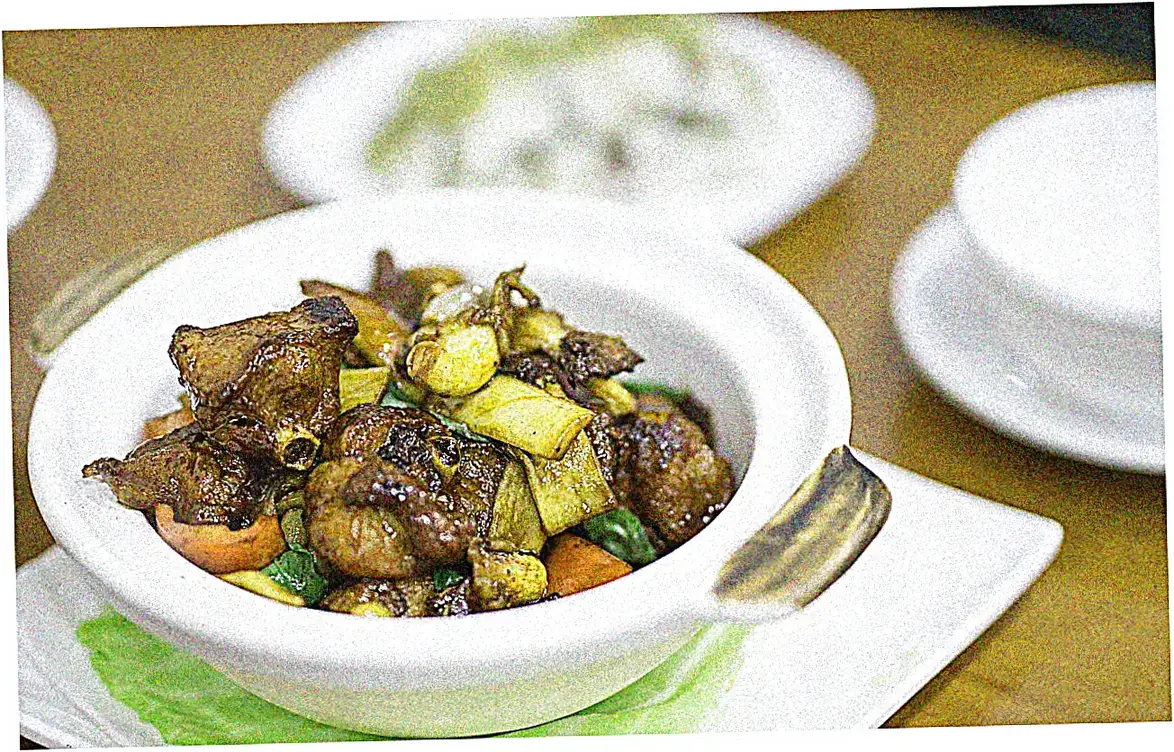
Practical Planning Guide: Accommodation, Pricing and Packing
Seasonal Accommodation Strategies and Budget Considerations
When you’re booking strategically, here’s what I found from planning many group trips to Beijing throughout the year – hotel prices follow clear patterns that really affect your travel budget. Hotel prices change a lot depending on when you go.
Fancy hotels in Wangfujing can cost 80% more in October than they do in January. I usually tell people to book Airbnb apartments in the hutong neighborhoods.
You get a real local experience without spending too much, especially during the shoulder seasons. Like hospitality expert Zhang Wei says, the week after National Day holiday ends around October 7th is a great deal. The weather’s still nice but hotel prices drop about 35% from their early October highs.
Planning your budget gets easier when you know how prices change with the seasons. When visiting during busy months, I put more money toward hotels but save on sightseeing passes and public transit.
The Beijing Tourist Pass can save you a bunch if you’re planning to see lots of sights, especially if you buy it when it’s on sale. If you come in winter, you can use the money you save on hotels to try nicer restaurants or see better cultural shows.
Packing Essentials by Season and Month
Packing for each season takes some planning. I’ve made some good checklists after learning from my own packing mistakes in Beijing’s changing weather. Spring needs the most flexible packing.
I pack light layers, a jacket for cool nights, plus sunglasses and an umbrella since the weather can change quickly. Summer calls for rain gear, clothes that dry fast, and strong sunscreen because the sun gets really intense.
Packing pro Lisa Liu suggests bringing thermal underwear from November to March, especially for the Great Wall where wind makes it feel much colder.
Some activities need special gear beyond your usual travel stuff. I never forget to bring sturdy shoes with good grip for temple visits – those old stone paths can get pretty slippery.
If you’re coming in winter, think about bringing ice cleats you can take on and off for walking on frozen lakes and some parts of the Great Wall. Photo lovers should pack polarizing filters for fall trips – they cut the glare and make your pictures of famous spots look much better.
Picking the best month to visit Beijing really comes down to what matters most to you – great weather, fewer people, special festivals, or saving money.
After seeing Beijing in every season, I always tell first-timers to come in April-May or September-October. You get nice weather for exploring plus plenty of cultural stuff to do.
Beijing shows you different sides of itself each season, and they’re all worth checking out. Start planning your Beijing trip now by looking at what each season offers. This amazing city is ready for you whenever you decide to come.
Frequently Asked Questions About Beijing Travel Timing
So, which month is really the best time to visit Beijing if you want perfect weather?
From what the weather data shows and from my own trips, October usually has the most dependable weather. You get nice temperatures around 12-20°C, hardly any rain, and really good visibility.
The summer heat is totally gone by then, and you still have weeks before winter gets cold. October also brings amazing fall colors to Beijing’s parks and the mountains around the city. It makes for some absolutely stunning photo opportunities.
Just how packed does Beijing get when it’s peak tourist season?
During the busy months of May and October, the main tourist spots are pretty much full. Take the Forbidden City – it can get up to 80,000 people in a day! That’s way more than the 25,000 you’d see in the quiet season.
And the Badaling part of the Great Wall? On really busy days, it might have over 50,000 visitors. If you plan smart – like going really early in the morning or checking out less crowded spots like Mutianyu – you’ll have a much better time.
Is Beijing’s summer just too hot and sticky for comfortable sightseeing?
July and August are tough – temperatures often go above 30°C and the humidity sits around 70-80%. Not exactly ideal for spending lots of time outside. But you can make it work!
Just do your sightseeing in the early mornings or evenings, and save indoor activities for the hot afternoons. Summer also has some cool cultural events you won’t find other times, plus the city is really green and lush.
So what’s actually good about visiting Beijing in the winter?
Winter, from December to February, has three big pluses. First, way fewer people – crowds drop by 40-60%. Second, hotels are cheaper, with nice places offering 30-50% off.
And third, you get special winter-only experiences like skating on frozen imperial lakes or seeing ancient buildings covered in snow. The winter air is super clear, so you get great views. Just remember – it does get below freezing regularly, so bundle up!

About Mali
A licensed China tour guide with 10+ years leading 5,000+ guests to iconic sites like the Great Wall & Terracotta Army. Expert in seamless tours, cultural insights, and VIP access!