For my first China trip, I spent ages figuring out the best time to visit the Great Wall—when it’s not too packed and the weather’s nice. It’s not just about the temperature though. You wanna time your trip with cool festivals like the Chinese Moon Festival, or skip the rainy season altogether. After a few trips, I learned that China is huge, and each region feels totally different depending on when you go. So I put together this guide using weather info, festival dates, and my own stories to help you find your perfect travel window—whether you’re doing a quick 3-day Beijing tour or traveling for a month.
Table of Content
- Understanding China’s Seasonal Variations and Regional Climate Patterns
- Monthly Weather Analysis and Optimal Travel Windows
- Cultural Festivals and Special Events Timing
- Regional Destination-Specific Recommendations
- Practical Considerations for Trip Planning
- Special Interest Travel Timing
- Health and Comfort Considerations
- FAQ About best time to travel to china
Let’s get to know China’s seasons and how the weather changes across different regions.
China has four clear seasons, and each one’s pretty special.
Here’s the lowdown on the seasons: you get four distinct ones in China, and each has its own perks. Spring, from March to May, is lovely. Flowers are out .
the weather’s just right – perfect for exploring Suzhou’s classical gardens or hiking in the Yellow Mountains. Summer runs from June to August. It gets pretty hot and sticky down south .
but head up to Tibet’s highlands – the temps are much nicer up there. Autumn, from September to November, is probably the best time weather-wise. The skies are clear all over, and the fall colors are just stunning.
Winter hits from December to February. Northern China turns into a snowy scene, but the south stays pretty mild in comparison .
Now, about regional climates: they vary a lot! Up north it’s almost subarctic, while the south is fully tropical (China Meteorological Administration, 2024). Cities like Beijing and Xi’an in the north have that continental vibe – think hot summers and seriously cold winters.
Over in the east, like around Shanghai, you get subtropical weather with all four seasons still showing up. Down south in Guangzhou and Hong Kong, it’s tropical all year – and yeah, it’s pretty humid most of the time .
Then there’s the Tibetan Plateau. That’s alpine climate territory – temperatures can swing wildly from day to night. So what does this mean for travel? In January, Beijing might be freezing, but over on Hainan Island, you can still hit the beach!
Monthly Weather Analysis and Optimal Travel Windows
Peak Season Advantages and Disadvantages
If you’re looking for the best time to travel to China, April to May and September to October are the peak seasons. That’s when the weather is just perfect all over the country.
You’ll get very little rain in most places, temps are comfy between 15 and 25 degrees, and you can see really far at all the scenic spots. But there are downsides too.
Hotels cost way more, like 30 to 50 percent more, places are packed, and you gotta book everything way ahead of time. Especially during the national holidays in early May and October, loads of Chinese tourists travel . Spots like the Forbidden City get crazy busy.
For a good alternative, try the shoulder season in March or November. You’ll find fewer people and cheaper prices. It might be a bit chillier, around 5 to 15 degrees, but you get to see the famous places without the big crowds .
so it’s much more peaceful. I think November is awesome for taking photos on the Great Wall. The autumn colors are still there and you can get great shots without anyone in the way.
It’s also easier to make last-minute plans then. Plus, without all the tourists, you can really get into the local culture.

Monthly Climate Guide by Region
Here’s how the weather breaks down each month by region:
| Month | North China | East China | South China | West China |
|---|---|---|---|---|
| January | Very cold (-10°C) | Chilly (5°C) | Mild (15°C) | Variable |
| April | Pleasant (15°C) | Comfortable (18°C) | Warm (22°C) | Cool |
| July | Hot (30°C) | Hot humid (32°C) | Very humid (35°C) | Mild |
| October | Cool (12°C) | Comfortable (20°C) | Warm (25°C) | Cold |
So the weather really depends on where you are. In October, Shanghai has lovely autumn weather, but up in the high mountains of Tibet, it’s already getting tough to travel .
You also gotta think about microclimates. Some places have their own special weather patterns. Like around the Yangtze River Delta in June and July, they get the meiyu or plum rain season, which is basically non-stop drizzly rain .
Over in Yunnan Province, because it’s up high, the weather feels like spring all year long. If you’re on the coast, watch out for typhoons from July through September .
In the mountains, like at Zhangjiajie, it’s often foggy, so sometimes you can’t see the amazing views. Knowing these little details helps you pick the absolute best time to travel to China, way better than just following the general seasons.

Cultural Festivals and Special Events Timing
Major Traditional Celebrations Worth Planning Around
A lot of China’s best festivals run on the lunar calendar, so their dates change every year. Chinese New Year, in January or February, is amazing for culture, but be ready for huge travel crowds and many places being shut .
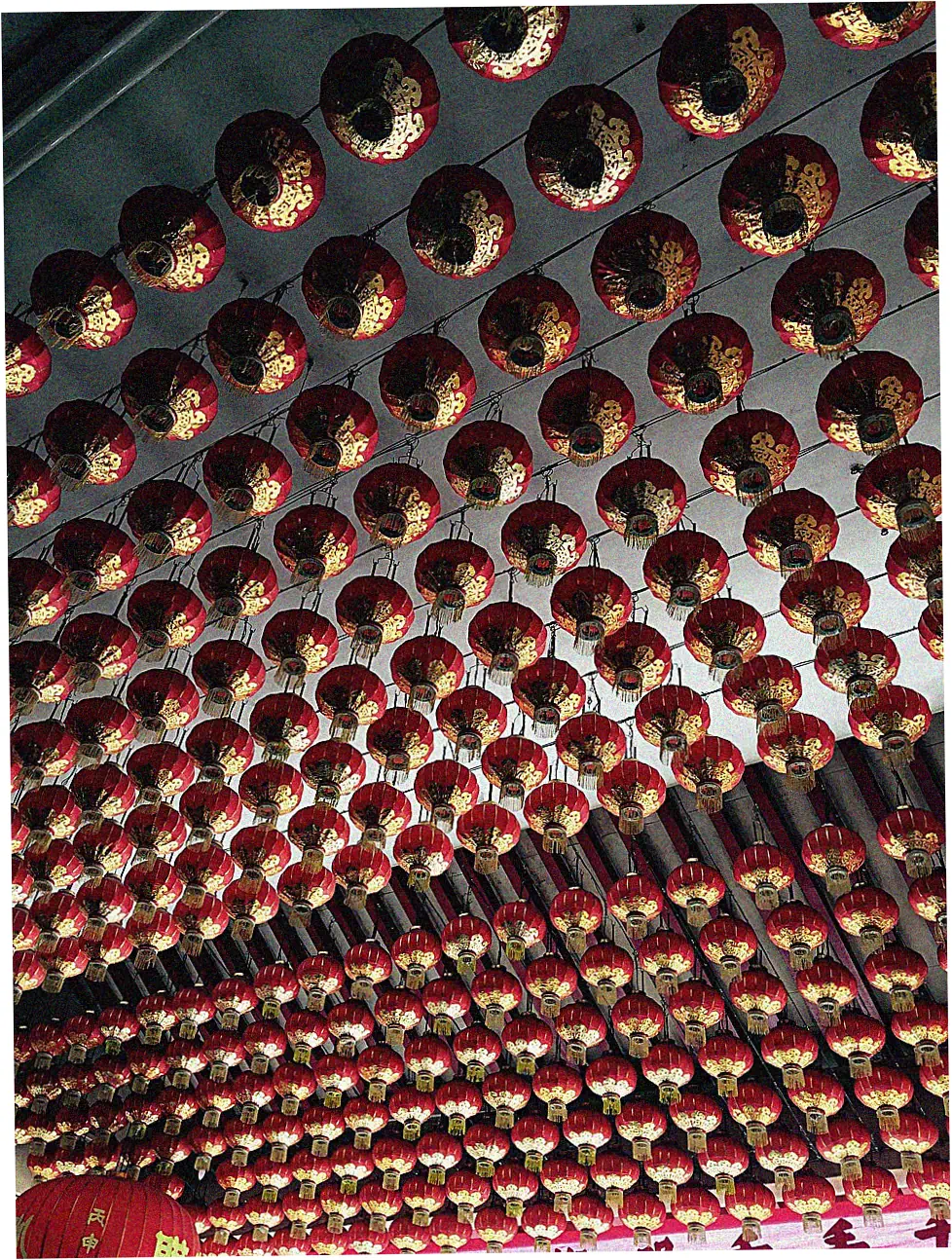
Then there’s the Mid-Autumn Festival around September or October. You’ll see lovely lanterns and eat mooncakes. Hangzhou and other cities really go all out with the celebrations.
In June, the Dragon Boat Festival has exciting races and these tasty sticky rice dumplings called zongzi. These festivals are a perfect way to experience the culture, but you gotta book your stay way ahead of time because places sell out fast.
Some big events have fixed dates. National Day is from October 1st to 7th. There are cool parades and parties, but traveling that week is super tough. Labor Day, May 1st to 3rd, gets just as crazy with everyone traveling inside the country .
Don’t forget the smaller local festivals too. The Harbin Ice Festival runs from December to February, and the Luoyang Peony Festival is in April. They’re unique and totally worth planning your trip for .
From my experience, getting there 2 or 3 days before a big festival starts is the sweet spot. You can join the fun and still miss the worst of the travel chaos.
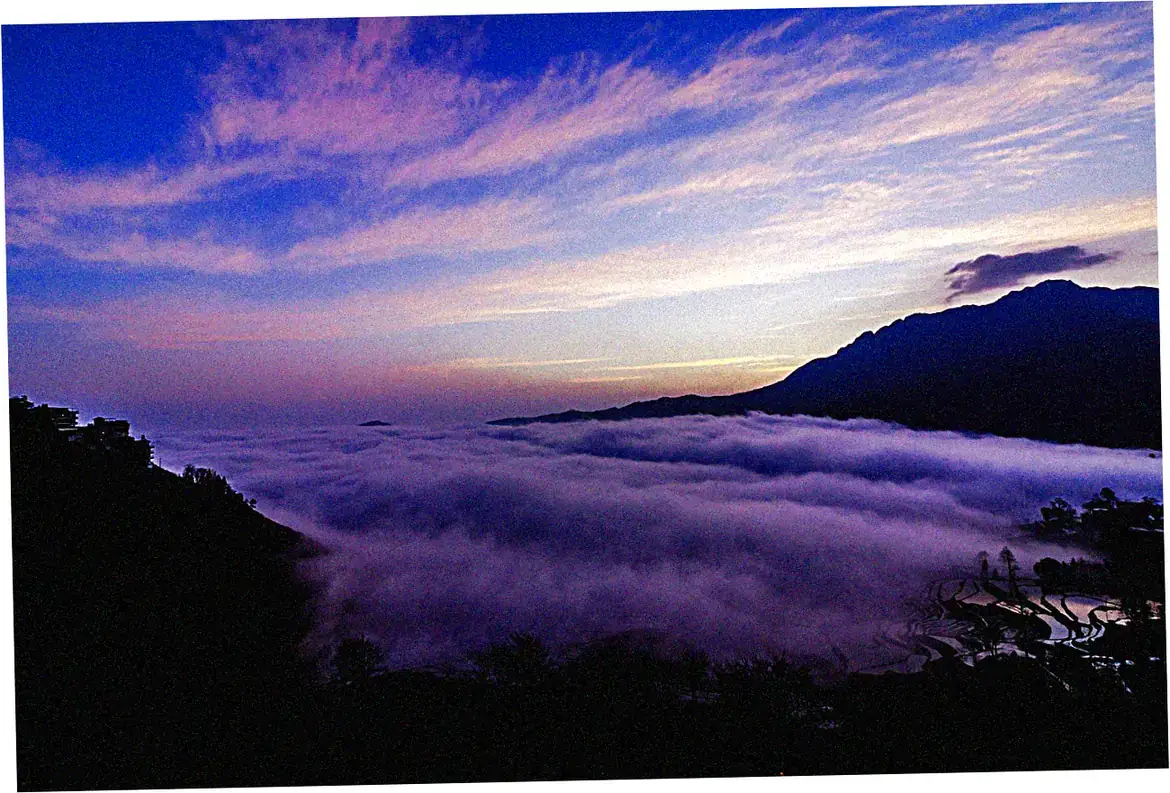
Here are some specific recommendations for different regions.
Let’s talk about the best times to visit Northern China.
For Beijing, the best time is spring (April to May) and autumn (September to October). The weather’s great then, with temps around 10-20°C and not much rain. It’s perfect weather for walking around the Forbidden City and hiking the Great Wall.
Summers get hot, humid, and super crowded. Winters have fewer people, but you’ll have to deal with freezing temps. If you’re planning a 3-day trip to Beijing, late April is lovely. The flowers are blooming, making the imperial gardens extra photogenic.
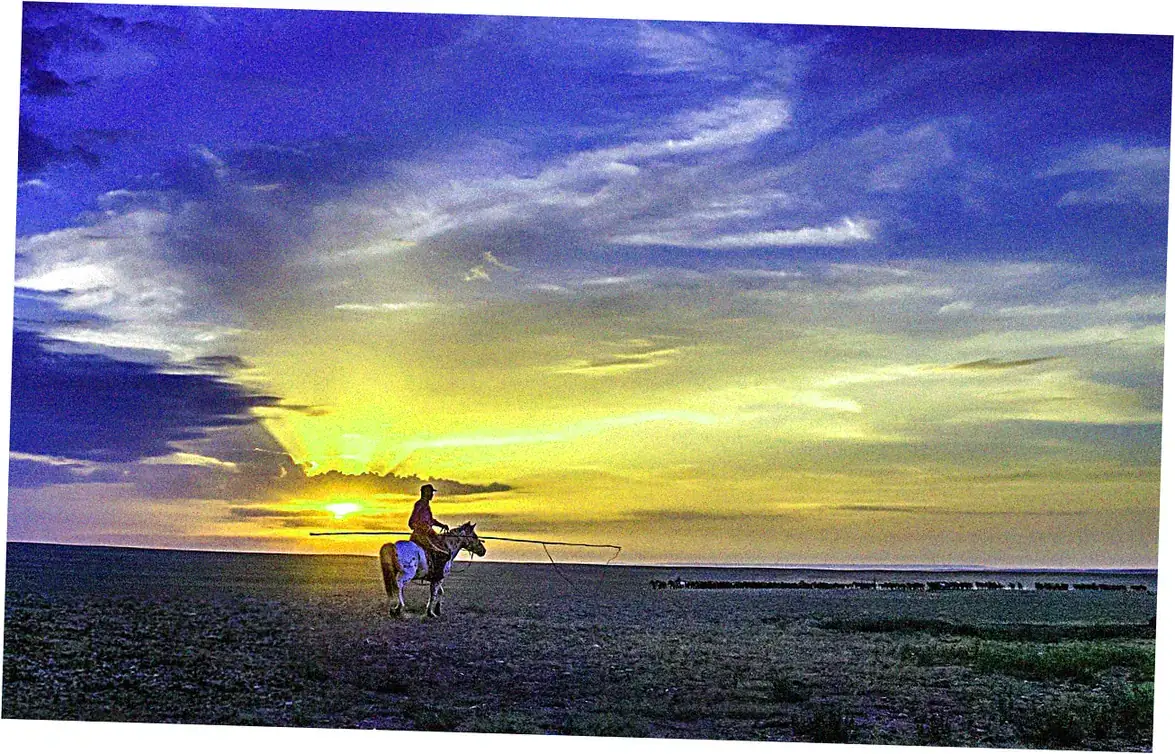
Up north, besides Beijing, check out Xi’an’s Terracotta Warriors. Autumn’s the best time to go, after the summer crowds and heat have died down. Mongolia’s grasslands are easiest to visit from June to August, when it’s warmest .
Silk Road spots like Dunhuang have huge temperature swings. So, spring and autumn are really the only practical times to visit. Winter trips up north need special prep, but you’ll be rewarded with frozen scenery and cool stuff like Harbin’s ice festival.
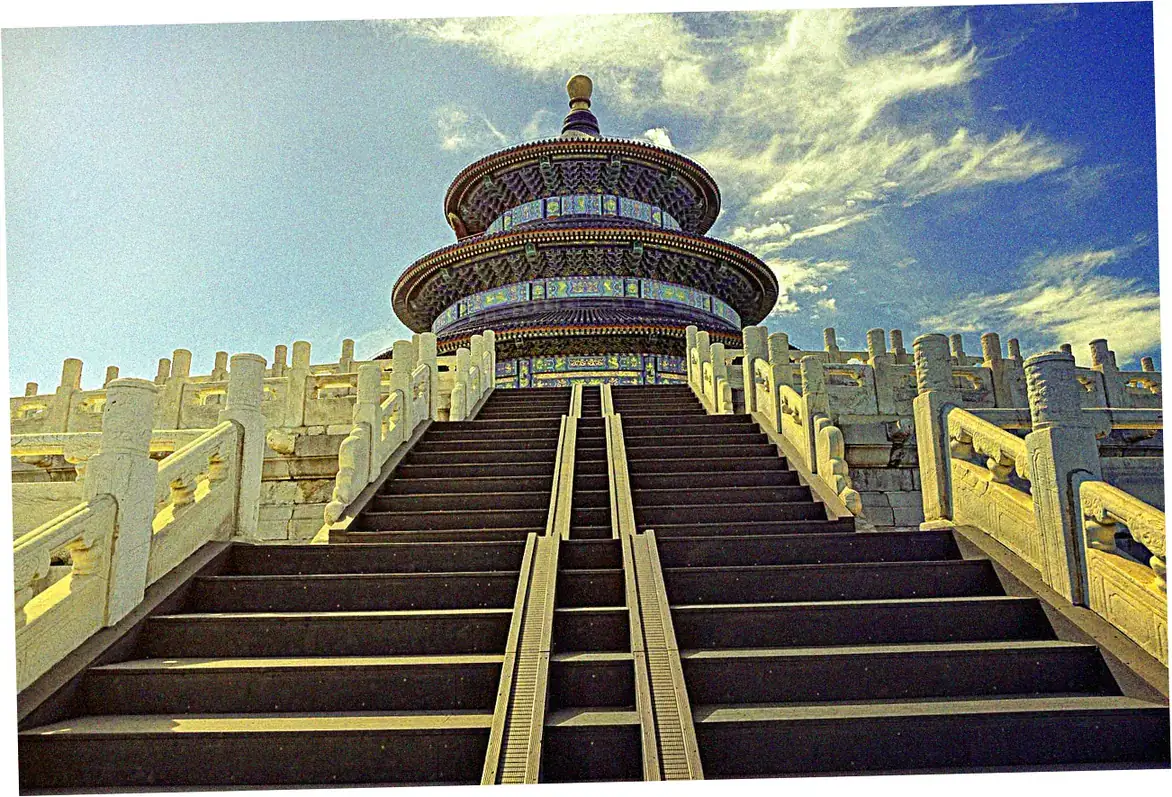
Now, for Southern China and the Yangtze River area.
The south—like Guilin, Yangshuo, and Hong Kong—has a subtropical climate. There’s a wet season from April to September and a dry season from October to March. The best time to visit is between October and December.
The humidity drops, temps are nice (18-25°C), and there’s a lot less rain. Spring has pretty flowers but also more rain. Summer is super hot with typhoon risks, but you can find cheaper hotels if you’re on a budget.
For the Yangtze River, the Three Gorges are best in spring and autumn. The weather is comfortable for river cruises. Summer can bring floods, and winter fog can hide the amazing gorges.
Water levels change a lot during the year, which affects the boat trips and the views. October is usually ideal. The rainy season is over, so water levels are good and the skies are clear for photos. I think late October cruises are especially great for seeing the autumn colors along the river.
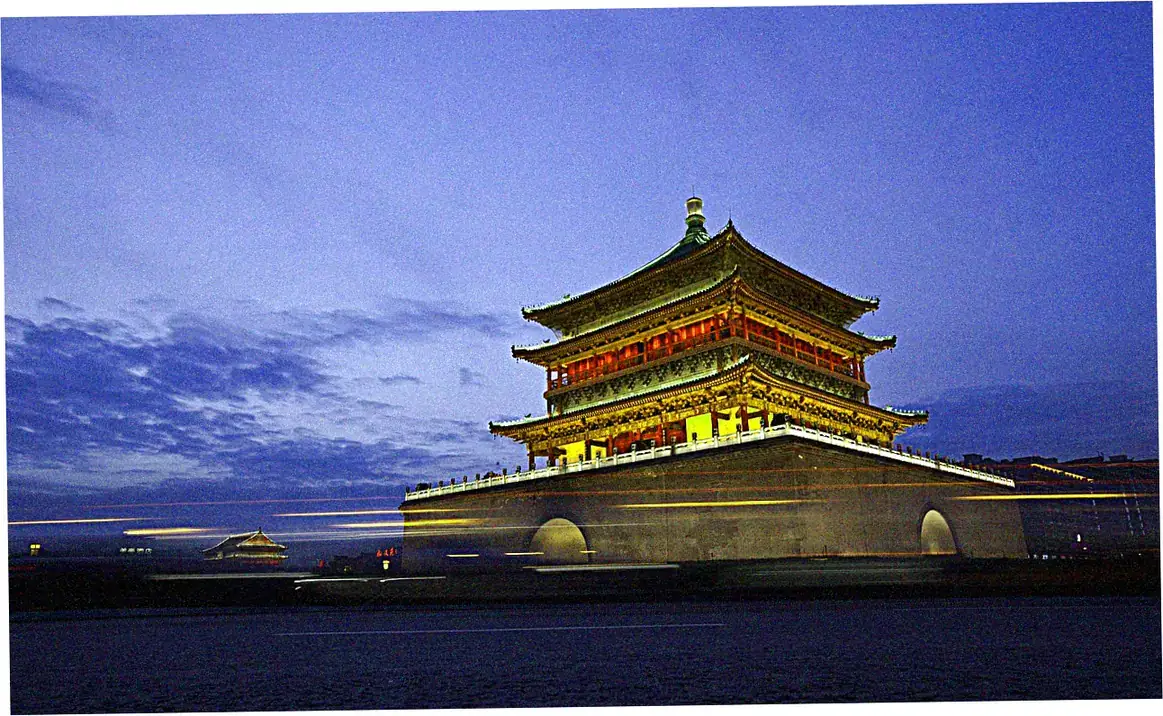
Practical Considerations for Trip Planning
Budget and Crowd Management Strategies
Prices change with the seasons.
| Season | Price Level | Crowd Level | Advantages |
|---|---|---|---|
| Spring/Autumn | High ( 30%) | Very crowded | Best weather |
| Summer | Medium | Crowded | Festivals |
| Winter | Low (-20%) | Light | Unique experiences |
For the best value, try the shoulder months like March, June, or November. You’ll get decent weather, lower prices, and fewer people. Traveling in winter, but avoiding the holidays, can save you a lot of money. Just know that some out-of-the-way spots might have shorter hours or be harder to get to .
You gotta plan way ahead for China. Their travel system deals with huge crowds, especially during the Golden Weeks in early May and October. If you’re going then, book your flights and hotels 3 to 4 months before you go .
Big spots like the Forbidden City only let in so many people each day, so you’ll need to reserve your tickets weeks in advance. Even in the shoulder seasons, it’s smart to sort out your main travel and places to stay 2 or 3 months before.
For less famous places, you might not need as much time, but always double-check that everything’s open when you plan to visit.
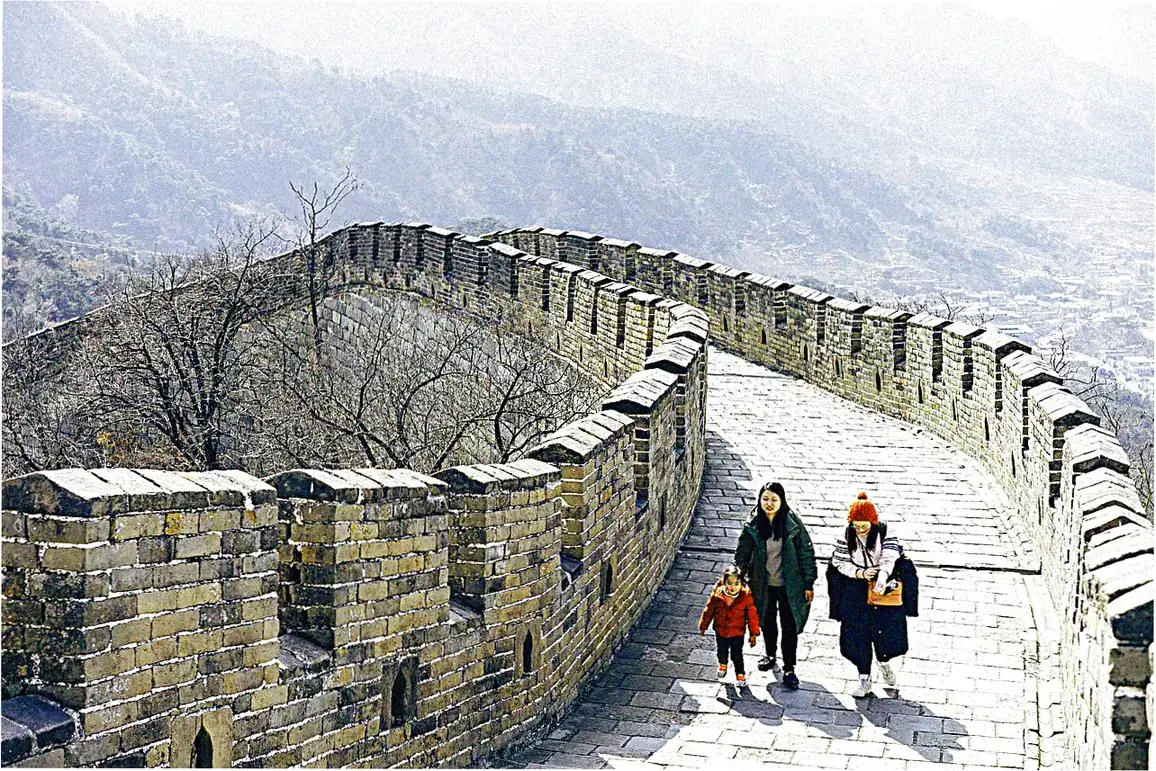
Special Interest Travel Timing
Photography and Nature Exploration
For photography, the best time is April to May. That’s when landscape photographers love it—flowers bloom everywhere. You’ll see rape flowers in Jiangxi, peonies in Luoyang, and cherry blossoms in some areas .
Come autumn, from October to November, the foliage is just spectacular. The Yellow Mountains and Jiuzhaigou Valley are especially beautiful then. Winter brings its own magic with snow-covered views and ice formations.
Just remember to protect your gear—it can get pretty tough out there. Longji’s rice terraces change with the seasons. Spring fills them with water, summer turns them green, autumn makes them golden, and winter might dust them with snow .
For wildlife and nature, panda centers are great any time. But if you want to see newborns, spring’s your best bet. Birdwatchers, head to coastal wetlands during migration season—that’s April to May and September to October .
Summer is when Tibetan antelopes migrate. Plant lovers, China’s got blooms all year. Rhododendrons pop in the Himalayan foothills around May-June, lotuses shine in summer, and chrysanthemums show off in autumn. Plan around the seasons for what you love most—it makes your trip way better.
Cultural and Spiritual Journey Scheduling
At Taoist and Buddhist spots like Wudang Shan and Dragon Tiger Mountain, pilgrimage season hits during festivals, especially Chinese New Year. You’ll get a lively cultural vibe then, but expect big crowds .
For a quieter visit, try the shoulder months—monasteries and temples are much more peaceful. Buddhist places like Emei Shan and Putuo Shan get busy during Vesak (Buddha’s birthday in April or May), but you can visit any time.
I always go early in the morning—no matter the season, that’s when these sacred spots feel most spiritual.
China’s ethnic minorities throw amazing festivals all year round. In Sichuan, the Yi Torch Festival in July-August has awesome fire ceremonies. Yunnan’s Dai people celebrate with the Water Splashing Festival in April—it’s a blast to join in .
For real culture dive, check out Tibetan New Year (Losar) in February-March. These events need planning though—they’re in remote areas with few places to stay. Going during festivals takes flexibility, but you’ll get authentic cultural experiences most tourists never see.
Let’s talk about health and comfort stuff.
First up, dealing with the environment.
Air quality changes a lot. Up north, it gets pretty polluted, especially in winter. That’s when coal heating kicks in and adds more gunk to the air. The government’s done some things that have helped, but if you’re sensitive .
keep an eye on the air quality numbers before you go. Down south, the cities usually have cleaner air all year. For the freshest air, head to the mountains or Tibet, even though the high altitude is something to think about.
I’d suggest looking up past air quality for where you wanna go and when. Things have changed lately because of new environmental rules.
It can get super hot in summer and freezing in winter, so pack the right clothes and remember to drink plenty of water. Summer down south gets super muggy, which makes the heat feel worse. Winters up north?
You’ll need serious gear to stay warm. If you have breathing or heart issues, you should really think about this stuff when picking when and where to travel in China.
So, figuring out the best time for your China trip means balancing a few things: what weather you like, how you handle crowds, your budget, and what you really want to see and do.
Spring and fall are usually nice all over, but don’t forget about the cool experiences you can have traveling off-season. The perfect time for you depends on your dream trip.
Maybe you want great weather for a quick 3-day Beijing tour, or to join the fun Moon Festival, or just to find some peace and think about Taoist stuff in the quiet mountains.
Start planning your trip 3 to 6 months ahead, especially if you’re aiming for a busy season or a big festival. And always check the latest conditions, cause the weather’s been changing.
Start planning 3-6 months in advance, especially if targeting popular seasons or festivals, and always check current conditions as climate patterns evolve.
FAQ About best time to travel to china
If you’re visiting China for the first time, what’s the absolute best month to go?
October is usually perfect. You get great weather all over, plus fun cultural festivals like the Moon Festival. The crowds are smaller too, since it’s between summer and the National Day holidays .
So how bad is the rainy season down in southern China?
From May to September, it gets really humid with showers pretty often. But it hardly ever rains the whole day. Mornings often start out clear, then the showers roll in during the afternoon.
Just pack good rain gear and keep your plans flexible. You can still have a great time, and hotels are 30-50% cheaper!
Can you go to Tibet any time of year?
You can go anytime, but your best bet is from May to October. The weather’s warmer then, the roads are better, and conditions are more reliable. Winter trips are possible, but you gotta be ready for some serious cold and travel might get messed up .
How early should you book if you’re going during peak season?
For those popular times in April-May or September-October, book your flight from overseas 3-4 months out. For trains, hotels, and flights inside China, aim for 2-3 months ahead. And for big spots like the Forbidden City, you’ll need to grab your tickets online weeks before you even go .
References:
1. China Meteorological Administration (2024). Seasonal Weather Patterns. Retrieved from https://www.cma.gov.cn/en/weather/seasonal/
2. China National Tourism Administration (2024). Tourism Statistics and Recommendations. Retrieved from https://www.cnta.gov.cn/english/

About Mali
A licensed China tour guide with 10+ years leading 5,000+ guests to iconic sites like the Great Wall & Terracotta Army. Expert in seamless tours, cultural insights, and VIP access!