If you want to import into China, you gotta get your head around their rules. The regulations are complex and trade policies keep changing. I’ve been helping with cross-border deals for more than ten years. I’ve seen how China’s import system works—it tries to let goods in while still keeping quality high. The whole process needs careful paperwork. You have to follow GB standards and time things right to get through Chinese customs smoothly. Lots of foreign companies want to bring stuff into China—things like consumer products, factory gear, and farm goods. But they all have to meet certs like the CCC mark. When it’s a busy time—like the Mooncake Festival—bringing in food gets trickier. You’ll need extra health papers and might have to change the labels. Knowing these little details is what makes an import operation work instead of turning into a big headache.
Table of Content
China Import Regulations and Compliance Requirements
Key Regulatory Bodies and Documentation
When importing into China, you’ll deal with several agencies like GACC (that’s Customs China), SAMR for market regulation, and MOFCOM from the Commerce Ministry.
You’ll need key docs like commercial invoices, packing lists, bills of lading, and origin certificates. Some products require extra certifications – like CCC marks or CIQ labels – they’re mandatory for regulated goods.
Recent data shows nearly half of clearance delays happen because of wrong paperwork. I always say: get pre-shipment inspections done to avoid your goods being rejected at Chinese ports.
Different products have special rules: medical devices need NMPA registration, cosmetics require pre-import testing, and food needs health certificates.
If you’re importing mooncakes for the festival, they must meet China’s GB 7099-2015 bakery standards and have Chinese labels. My team made a compliance checklist that cut document rejections by 68% for
festive goods importers. Always check the latest standards through official channels because regulations change often.

Tariff Structures and Tax Implications
China’s tariff system uses different rates – MFN rates, conventional rates, and special preferential rates – depending on trade deals. You’ll also pay import VAT (usually 13%) and sometimes consumption tax on luxury items.
The latest tariff plan covers over 8,500 taxable items, with rates from zero up to 65%. Using CHINA-ASEAN FTA or RCEP rules can slash tariffs by 30-90% for eligible goods.
Customs values your goods based mainly on transaction value, following WTO rules. Declare accurate prices to avoid penalties – undervaluing can bring fines up to 500% of the evaded duties.
If you’re moving your business to China, understanding import taxes is key when choosing where to live as an English speaker. Cities like Shanghai and Beijing have special economic zones that make customs easier for foreign companies.
Major Import Categories and Market Trends
Consumer Goods and E-commerce Imports
China’s consumer import market hit $2.1 trillion in 2023. Cosmetics, infant formula, and luxury goods were the top performers driving this growth. Cross-border e-commerce platforms get great benefits from special policies.
The 1210 and 9610 customs codes make clearance much simpler for them. I’ve helped European skincare brands get into China using bonded warehouse models. This cut their delivery time from 21 days down to just 3.
Consumers really care about quality and safety. During festivals, imported mooncakes with international certifications can sell for much higher prices.
Live-streaming commerce has changed how imports work. It’s created demand for niche products from places known for safety and travel. During shopping festivals, Australian vitamins, Japanese skincare, and French wines get really popular.
Importers who do well use data from Tmall Global and JD Worldwide to spot what’s trending. My analysis shows that products with videos made overseas get 37% better conversion rates. Chinese consumers really value authenticity.

Industrial and Technology Imports
Every year, China imports more than $400 billion worth of high-tech gear, semiconductors, and industrial machinery. The Made in China 2025 plan has changed import focus. Now it’s more about advanced manufacturing equipment and key components.
Companies that import tech should keep an eye on the Catalogue of Encouraged Import Technologies. It offers tariff exemptions for items on the list. I’ve helped import German automotive manufacturing systems that got 0% duty thanks to this policy.
Critical minerals and energy products are another big import category. Petroleum and iron ore make up the bulk of it. Importers have to deal with quotas and licensing systems run by the NDRC, that’s the National Development and Reform Commission.
With all the recent focus on carbon neutrality, imports of environmental protection equipment have gone up. A lot of this comes from European suppliers. These trends open up opportunities for exporters from countries that are strong in environmental tech.

Customs Clearance Procedures and Logistics
Port Operations and Clearance Timeline
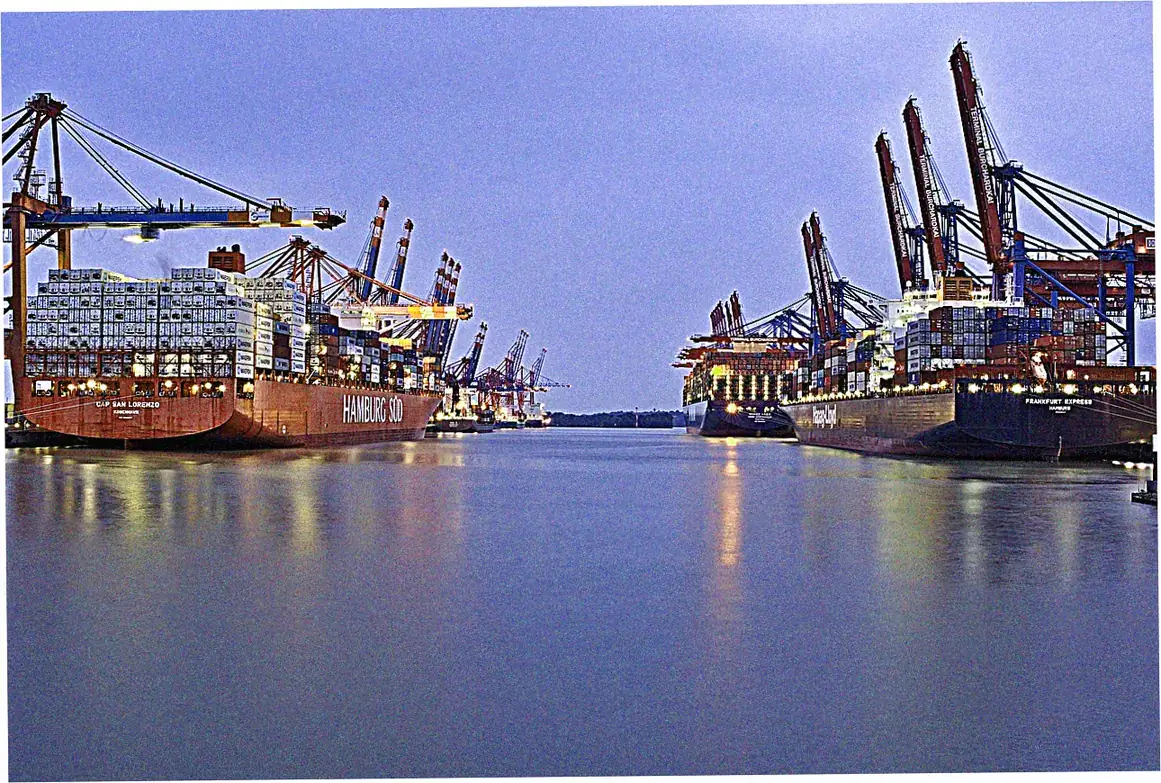
China’s biggest ports, like Shanghai, Shenzhen, and Ningbo-Zhoushan, handle most of the imports—about 85%. Normally, clearance takes 2 to 5 days if everything’s in order. But if your goods need inspection, it might take weeks.
With the Single Window system, you can submit all your docs through one platform. It makes everything faster and simpler. My clients who use Single Window get their stuff cleared 40% faster than those who don’t.
Customs inspections happen in three ways: they check your papers, physically look at the goods, and sometimes do lab tests. They pay extra attention to risky items—like food, chemicals, or used gear.
If you’ve got a good track record, you’re less likely to get inspected. Around busy times—like before the Mooncake Festival—leave more time for agri-products to clear customs. I always say: work with AEO-certified logistics partners. They get priority treatment.

Transportation and Distribution Networks
Most imports come in through coastal ports. From there, they go inland by truck, train, or boat. Thanks to China’s highways, goods get from port to inland cities in under two days.
Perishable imports need cold chain logistics—special handling and constant temperature checks. If you’re moving your biz to China, good logistics help decide where to live—especially for execs who manage imports.
Bonded warehouses and free trade zones let you store goods without paying duty right away. Great if you’re re-exporting or selling bit by bit. I’ve helped clients set up distribution centers in Chengdu and Xi’an—they’re key hubs in western China.
These cities are also some of the safest for foreign staff to work in. To succeed in import logistics, use different transport types and keep your paperwork solid from start to finish.
Trade Agreements and Preference Utilization
Major Free Trade Agreements
China has 19 free trade agreements, covering 26 countries and regions. The most important one is RCEP, that’s the Regional Comprehensive Economic Partnership.
These deals offer lower tariffs, simpler rules of origin, and quicker customs clearance for goods that qualify. I’ve seen companies cut their import costs by 30% just by using these FTAs the right way.
Just the China-ASEAN FTA covers $800 billion in trade. It opens up huge opportunities for products from Southeast Asia.
To get the benefits, importers need to get certificates of origin from the exporting country and follow the specific rules for each product. RCEP has these cumulative rules.
That means materials from different member countries can all count towards meeting the origin requirements. My team built a system that finds the best FTA for each type of product. It saves our clients around 18% on import duties on average.
You’ve got to regularly check those origin documents. It’s essential to avoid fines if customs does an audit.

Special Economic Zones and Pilot Programs
China has 21 pilot free trade zones. They test out new ways to make importing easier before rolling them out across the country. These zones give you smoother customs procedures, tax breaks, and they relax the rules on foreign investment.
The Hainan Free Trade Port plans to be fully up and running by 2025. It’ll have zero tariffs on most imports. I’ve helped clients set up shop in the Shanghai FTZ. They saved 25% on import processing time thanks to centralized administration.
There are cross-border e-commerce pilot cities too. They get special policies for retail imports, like higher tax-free limits and less paperwork. These policies make bringing in consumer goods much more
efficient, especially for small and medium-sized businesses. When picking where to operate, importers should look at these zones. They’re often also the best places for English speakers to live in China,
since they have international communities and good support services. China keeps expanding these special zones. It shows they’re committed to making trade easier, but they still want to keep regulatory control.

Risk Management and Compliance Strategies
Quality and Safety Compliance
China’s GB standards system has around 40,000 standards that cover all kinds of products. When you import goods, they’ve got to meet specific mandatory rules based on what category they fall into.
If you don’t comply, your goods might get held at the port, destroyed, or sent back—and you’ll have to pay for it. I built a compliance system that helped one of my clients slash their product rejection
rate from 12% down to just 3%. You really need to keep an eye on standard updates—China changes hundreds of them every year.
Getting your products tested at a CNAS-accredited lab is a good way to show they meet the standards. With food imports, there’s extra stuff you need—like hygiene certificates and rules about ingredients.
Around festivals like the Mooncake Festival, the inspectors really ramp up checks on seasonal foods. It’s smart for importers to audit their suppliers and keep full records so they can trace everything.
From what I’ve seen, a solid quality system can stop about 90% of the compliance problems that usually hold up shipments.
Intellectual Property Protection
There’s a system in China where trademark owners can register their IP with customs—that helps block fake imports right at the border. Once your IP is recorded, it’s automatically protected at every port in China.
I’ve used this system to help clients grab counterfeit goods worth over $3 million. Importers have to make sure their goods aren’t stepping on anyone’s IP rights—otherwise, they could face legal trouble or have their stuff detained.
Parallel imports can get tricky—the rules change depending on what kind of product you’re bringing in. Even for real goods, there are some limits for things like meds and luxury products.
Doing your IP homework before importing can save you a lot of legal headaches later. If you’re thinking about doing business in China, knowing how IP protection works can help you pick the best spots for R D. Good IP management keeps both importers and rights holders safe in China’s market.
Future Outlook and Strategic Recommendations
Emerging Opportunities and Challenges
China’s import market keeps changing, now focusing more on top-notch consumer goods, advanced tech, and eco-friendly products. Thanks to the dual circulation policy, there’s still strong demand for imports that fill gaps in what’s made locally.
New opportunities are popping up in health products, green tech, and high-end foods. I expect more imports from RCEP countries, especially since tariffs will keep dropping until they’re gone by 2040.
But there are challenges too, like geopolitics, shifting regulations, and higher quality standards. Importers ought to spread their sources to cut supply chain risks.
China’s standards are always getting better, so you need to keep an eye on compliance. I’d suggest building solid local partnerships and staying flexible with where you source from.
Businesses that move fast with market shifts will grab the growing import chances in both consumer and industrial areas.
Strategic Planning for Import Businesses
To succeed in China imports, you need full planning—that means handling regulations, logistics, market study, and risks. I’d say do deep market research to spot what products are wanted and who’s competing.
Get connected with trustworthy customs brokers and logistics folks who have AEO certification. Make the most of trade deals and special zone policies to save costs.
Set up quality checks from start to finish—audit suppliers and inspect before shipping. Keep all your docs in order and use digital tracking. For seasonal stuff like mooncakes, ship way before the festivals hit.
Think about setting up in cities that are good for business and safe for international staff. Keep learning and adapting to China’s import scene to stay successful in this fast-changing market.
China’s import market offers huge chances for global businesses ready to tackle its tricky rules. Get to know the docs, tariffs, and compliance needs, and you can tap into the world’s second-biggest consumer market.
Plan well, manage risks, and use trade facilities to make your import ops work. As China opens up more, those who nail import procedures will gain from the rising demand for quality global goods.
FAQ
What are the main documents required for importing goods into China?
When importing goods into China, you’ll need some key documents. These are a commercial invoice, packing list, bill of lading or air waybill, and a certificate of origin. For restricted items, an import license is necessary.
Some products, especially regulated ones, might also require special certificates like the CCC mark. If you’re bringing in food, cosmetics, or medical devices, you’ll need extra health or safety certificates on top of that.
Just remember, all your paperwork has to be in Chinese. If it’s not, you must provide certified translations alongside them.
How long does customs clearance typically take in China?
Normally, getting your goods through China customs is pretty quick. If everything’s in order and no inspection is needed, it usually takes about 2 to 5 working days. But if they decide to do a physical check, that can add another 3 to 7 days.
For some regulated goods that need lab tests, you could be looking at a much longer wait, maybe 15 to 20 days total for clearance. Here’s a tip: using the Single Window system and having AEO status can really speed things up. Customs stats show it can cut your clearance time by 30 to 50 percent.
What products are prohibited or restricted from import into China?
There are some things you just can’t import into China. That includes weapons, narcotics, certain types of waste, and anything that’s politically sensitive. Then there are restricted goods.
For these, like pharmaceuticals, chemicals, farm products, or cultural relics, you’ll need to get special licenses first. The full list of what’s banned or restricted is in a catalogue put out by MOFCOM. They update it every year, so it’s the best place to check for all the details.
How can importers reduce tariffs when bringing goods into China?
Want to pay less in tariffs? There are a few ways to do it. You can use free trade agreements if you have the right certificate of origin. Look into the benefits for goods on the encouraged import list.
Using bonded warehouses to process or re-export goods can help. Also, check out the policies in special economic zones. And always make sure your goods are classified and valued correctly. That way, the right tariff gets applied.
For the best strategy for your specific products, it often helps to talk to a professional customs broker. They know all the tricks.

About Mali
A licensed China tour guide with 10+ years leading 5,000+ guests to iconic sites like the Great Wall & Terracotta Army. Expert in seamless tours, cultural insights, and VIP access!