When folks look for China’s top restaurants, they’re not just after a meal. They want to dive into the culture through amazing flavors, check out legendary spots with cool histories, and have those unforgettable dining moments that make a trip to China special. Whether you’re planning a 7-day Beijing tour or just popping into Shanghai, knowing where to find these food gems is key. This guide gets into China’s best dining scenes. From classic Peking duck spots to cool places shaking up Cantonese food, we’ll make sure every meal is a highlight of your trip.
Here’s what we’ll cover:
- What makes Chinese dining so great
- Regional highlights: must-try foods across China
- Beijing’s food icons: from royal kitchens to modern chefs
- Shanghai’s fusion feasts: where old-school meets global flavors
- Unique dining experiences: beyond the ordinary
- How to find China’s top restaurants
- Fitting great meals into your China trip
- FAQ about China’s top restaurants
What makes Chinese restaurants really stand out?
So what makes a restaurant top-notch in China?
In China, a great restaurant isn’t just fancy—it mixes history, new ideas, and always good food. Lots of award-winning places, like Michelin or Black Pearl spots, show off local dishes that families have perfected for years.
Take a simple dumpling shop—it could be famous all over China for making amazing dumplings, thanks to years of skill. These places keep it real and excellent, using old recipes or cool new tricks that honor tradition but still please today’s eaters.
But it’s not just about awards—what locals think really matters. Spots loved by food fans get popular by word of mouth, focusing on fresh stuff and careful cooking.
If you’re touring Beijing for three days, you’d hit a famous roast duck place not only cause it’s popular, but because every dish tells a story from ancient times. So real top dining in China is all about great flavor, history, and thumbs-up from other people.
What to look for in Chinese restaurants?
When rating the best Chinese restaurants, both experts and regular people check a few big things. First, ingredients gotta be top-notch—like fresh seafood from the coast or organic veggies in Sichuan’s farm-to-table spots.
Next, technique counts a lot—dishes like hand-pulled noodles or dim sum need real skill you can actually see. Also, the vibe and service add to the meal—a good place might have cool traditional decor or staff who tell you the story behind each dish.
Plus, being consistent is what makes a place go from good to legendary. If a restaurant keeps up its quality for years—like some old Beijing spots—people trust it more.
Lastly, it’s gotta feel real Chinese—whether it’s a small family joint in a hutong or a fancy palace, the best spots make you feel China’s food heart, turning dinner into memories you’ll keep.
Regional Highlights: Must-Try Cuisines Across China
Cantonese Delights in Guangdong and Hong Kong
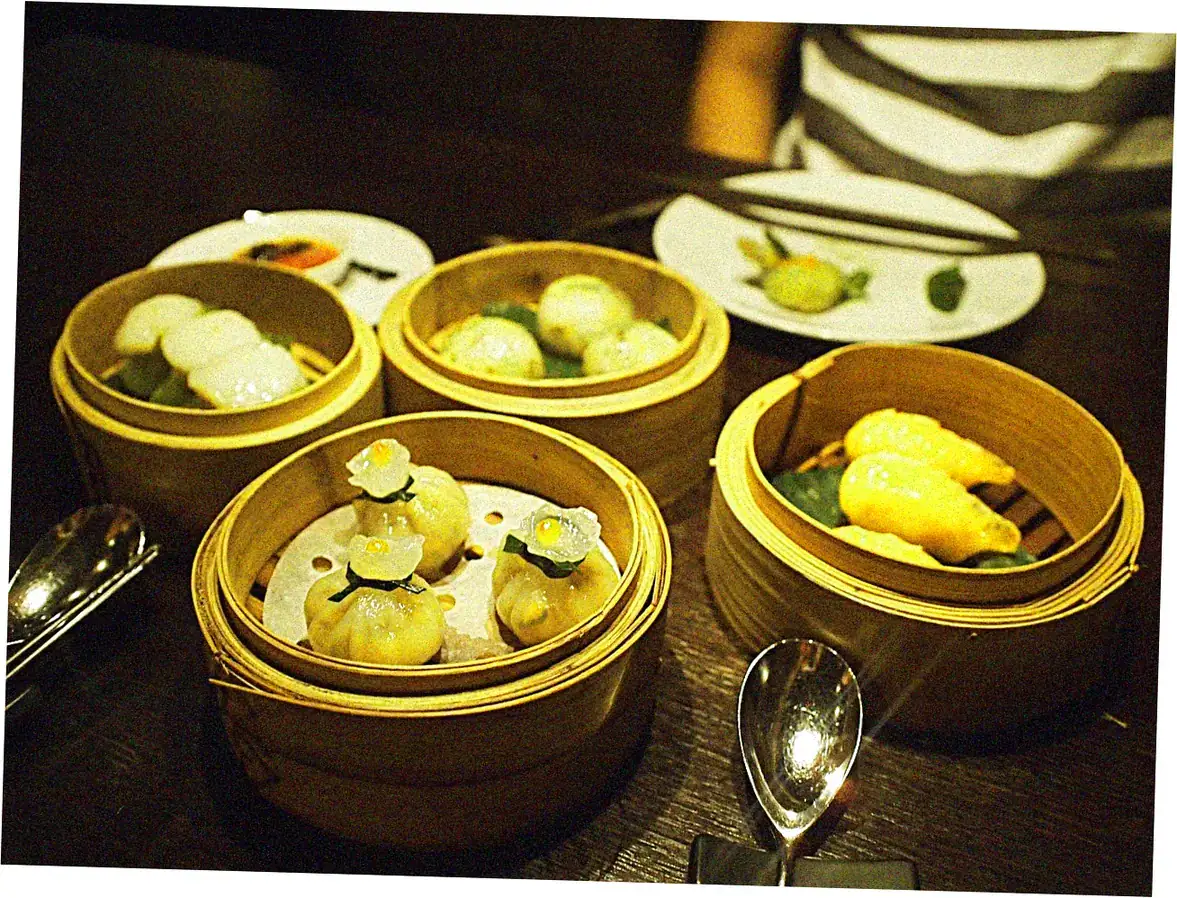
Cantonese food is famous for its light flavors and fresh ingredients, and it tops the list of best restaurants in southern China. In Guangzhou and Hong Kong, you’ll find Michelin-starred dim sum spots
that dish out amazing har gow and siu mai, usually paired with top-notch teas. The meals are light but still super satisfying, thanks to steaming and stir-frying that keep the natural flavors.
Lots of places have live seafood tanks, so you can pick your fish and have it cooked right away—that’s how fresh it is.
If you’re visiting, try the classic roast goose or something new like truffle-scented char siu at a top Cantonese restaurant. These spots mix a lively vibe with expert cooking, perfect for business meals or family get-togethers.
And don’t skip the late-night congee and noodle shops—locals love them, and they really show off the best comfort food.
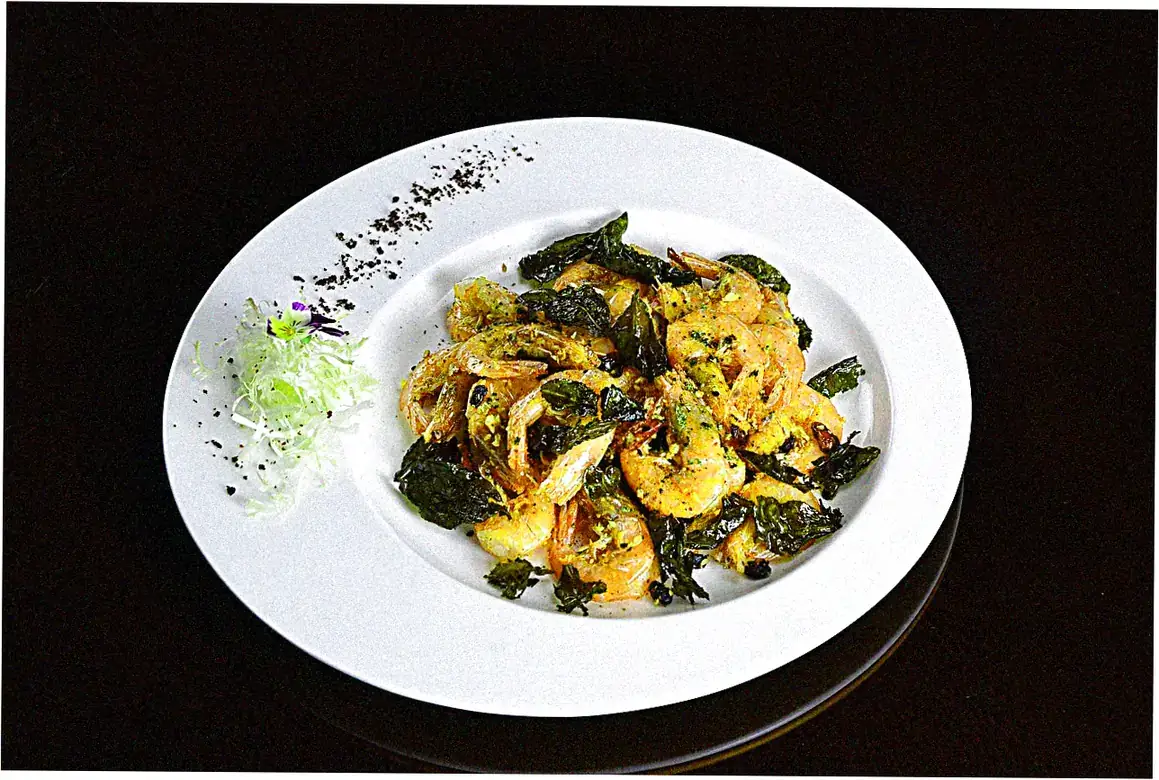
Sichuan and Hunan’s Spicy Powerhouses
Sichuan and Hunan are paradise if you love spice, with top restaurants focusing on that numbing mala taste and fiery chili dishes. In Chengdu, popular places serve mapo tofu and kung pao chicken that mix heat with aromatic Sichuan peppercorns.
The restaurants usually have a lively, energetic vibe that matches the bold food. Many also use fermented stuff and pickles to give each dish more depth.
Hunan food isn’t as numbing but packs heat with fresh chilies and smoking methods. Top spots here might have dry-pot dishes or steamed fish with chili paste, great with local rice wines.
For visitors, these meals are a fun adventure, sometimes with cultural shows or tea ceremonies that make dining even better. Just ask to adjust the spice level—chefs here are totally cool with that.

Beijing’s Culinary Icons: From Royal Kitchens to Modern Masters
Historic Peking Duck Restaurants
If you’re in Beijing for a week, you gotta try Peking duck at one of its famous spots. Quanjude and Da Dong have been perfecting this royal dish for ages. They nail the crispy skin, tender meat, and thin pancakes.
They carve the duck right at your table—it’s like a show! And with sweet bean sauce and scallions, the flavors just work together perfectly. The decor is super fancy, like the old dynasties, so you feel like royalty while you eat.
But it’s not all old-school. Some top Chinese restaurants now serve healthier versions with less fat, or get creative with stuff like duck consommé. You definitely need to book ahead, especially when it’s
busy—these places are packed with both locals and tourists. Go all out and pair your duck with classics like zhajiangmian—noodles with soybean paste. It’s a real Beijing feast that honors northern Chinese food traditions.
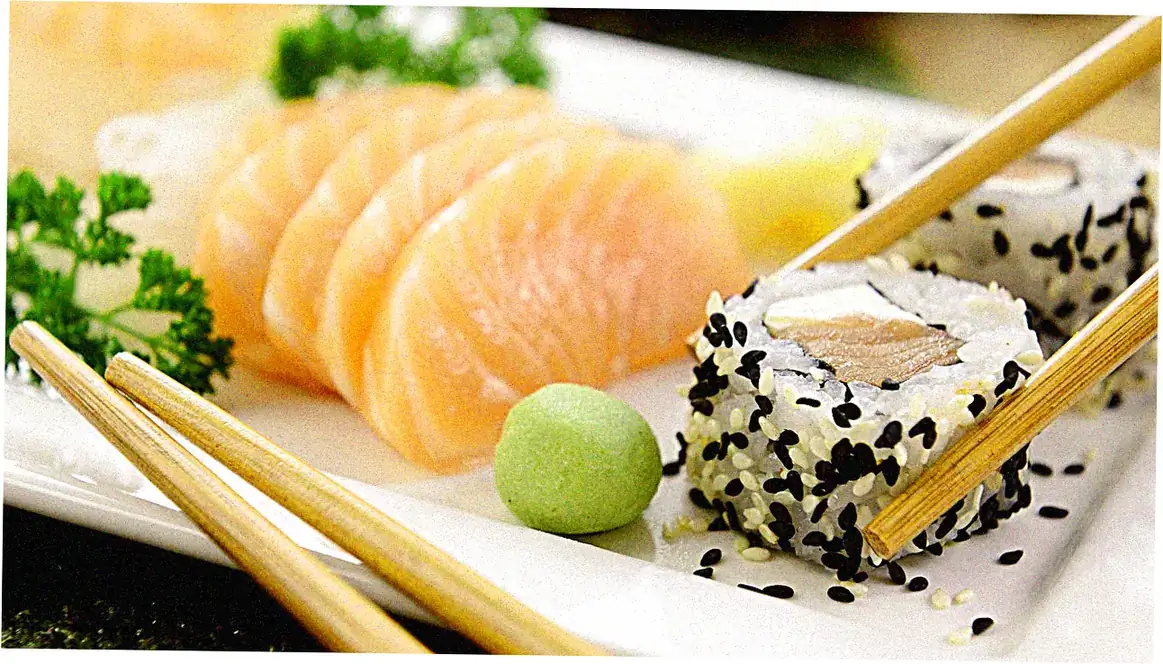
Innovative Dining in the Capital
Beijing’s top restaurants aren’t just stuck in the past—they’re also super innovative. New spots mix Chinese cooking with global flavors. Think fusion dishes with European sauces or Japanese-level precision.
In areas like Sanlitun and Guomao, you’ll find chic eateries where chefs play with black truffle and foie gras alongside classic ingredients. These places attract a cool, international crowd. They’ve got sleek designs and awesome wine pairings.
Plus, veggie and healthy eating is big now. Top Chinese restaurants are making plant-based classics with mushrooms and tofu. Even if you’re only in Beijing for three days, these modern eats offer a nice change from the old-school stuff.
It shows how the city’s taste is changing. And don’t skip the hidden spots in the hutongs—young chefs are bringing back forgotten recipes with a modern twist.
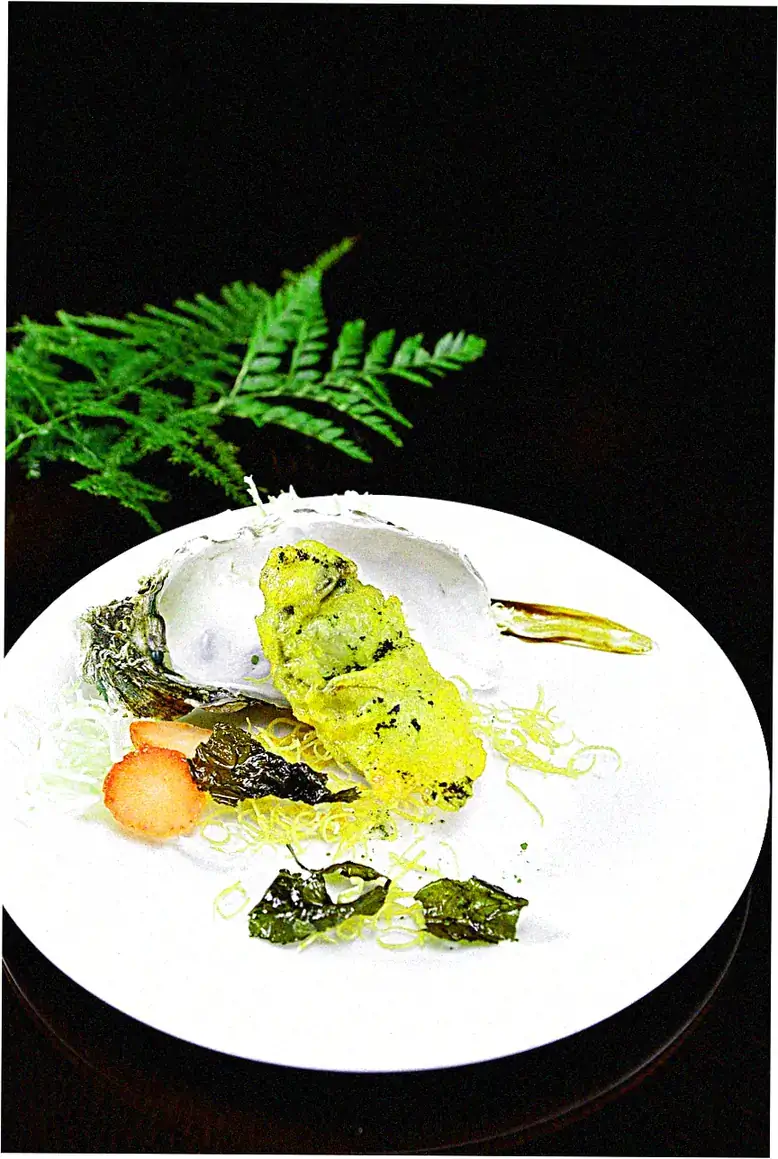
Shanghai’s Fusion Feasts: Where Tradition Meets Globalization
Classic Shanghainese Flavors
Shanghai’s top restaurants are great at local dishes. Think xiaolongbao, red-braised pork, and hairy crab when it’s in season. Places like Din Tai Fung and Jesse Restaurant are famous worldwide.
They pay close attention to details, like making super thin skins and super rich broths. You gotta try the city’s benbang cuisine. It’s a bit sweet and big on soy sauce. Head to the older neighborhoods to taste the best family recipes.
Lots of top spots mix great food with a cool historical vibe. You can eat in restored shikumen buildings or by the Bund with awesome skyline views. If you’re visiting, your meal will likely have seasonal stuff from the Yangtze Delta.
This means everything’s fresh and totally authentic to the region. Don’t miss the drunken chicken and sautéed eel. Have them with some local Huangjiu wine to really experience Shanghai’s food history.

International Influence in Shanghai Dining
Shanghai is a global hub, so its food scene loves fusion more than any other city in China. The top restaurants here might serve Cantonese dim sum with French pastries. Or even Sichuan hotpot with fancy Japanese wagyu.
In areas like Xintiandi and the French Concession, famous chefs mix cooking styles from everywhere. They create unique dishes that keep their Chinese roots but also please global tastes. These meals often come with fancy plating and perfectly matched cocktails.
Plus, Shanghai is a big deal for vegetarian and vegan fine dining. Spots like Fu He Hui have multi-course plant menus inspired by Buddhist traditions. For travelers, this means you can explore forever.
Whether you want traditional or modern, a top restaurant is ready for you. Just remember to book those popular fusion spots early. They’re just as in-demand as the historic places.
Unique Dining Experiences: Beyond the Ordinary
Ethnic and Minority Cuisine Gems
China’s top restaurants don’t just serve Han Chinese food—they also offer amazing ethnic minority flavors that bring incredible diversity. In Yunnan, some popular spots serve Dai minority dishes.
Think pineapple rice and grilled fish with herbs—they really highlight tropical ingredients. Over in Xinjiang, Uyghur restaurants are famous for lamb kebabs and hand-pulled noodles spiced Central Asian style.
Many have a lively vibe with music and dance. These meals give you a real cultural experience—way beyond just eating.
You’ll also find Tibetan restaurants in Chengdu and Beijing serving yak meat and butter tea. They really show off highland traditions. If you’re an adventurous eater, you gotta check these places out. They mix unique flavors with warm hospitality.
Lots are family-run, which makes the experience feel more personal. When you go, ask about local customs—like how to enjoy Mongolian hotpot or Tibetan momos the right way. It’ll make you appreciate it even more.
Themed and Atmospheric Dining
Some of China’s top restaurants really stand out with their themes. They make you feel like you’re in another time or place. In Xi’an, some places recreate Tang dynasty banquets with shows and old recipes.
Meanwhile, Shanghai has 1930s-themed spots that bring back that old-world charm. These experiences usually come with multi-course menus and storytelling. They’re perfect for special nights or travelers who want more than just food.
Plus, in places like Hangzhou, you’ll find nature-inspired restaurants right by the lake. They serve West Lake fish dishes—great views and great food together.
If you care about ambiance, these themed spots make your food adventure even more memorable. Also, look out for seasonal events—like Mid-Autumn Festival menus or Chinese New Year feasts. Time your visit to catch these special offerings.
Practical Guide to Navigating China’s Top Restaurants
Reservations, Etiquette, and Timing
Getting a table at China’s top restaurants usually takes some planning ahead. For popular spots, especially on holidays or weekends, you might need to book weeks early. Use apps like Dianping or Meituan to make reservations.
Knowing local manners makes the meal better. For example, everyone shares dishes family-style, and toasting with baijiu—that’s strong liquor—is a sign of respect. Dress codes differ. Fancy places might want smart casual wear, but others are pretty laid-back.
Timing is also key. Lots of top restaurants have set hours for dim sum or dinner, so check their times so you don’t miss out. If you’re tight on time—like on a 3-day Beijing tour—try having lunch at one
famous spot and dinner at another to make the most of it. And don’t be shy to ask the staff what’s good. They usually know about hidden gems or seasonal dishes that aren’t even listed.
Budgeting and Payment Tips
Eating at China’s top restaurants can be cheap or super fancy. You can find amazing Chinese dumplings at street stalls for less than $5, but a Michelin-star meal might cost over $200 per person.
Plan your budget around what matters to you—maybe go all out for one fancy banquet and stick to mid-range places the rest of the time. Lots of places have set menus that give you great value and a well-picked meal experience.
Payment options differ. Big cities take credit cards, but smaller spots might only use mobile pay like Alipay or WeChat Pay. Bring a little cash just in case, but tipping isn’t really a thing in China—good service is just standard.
In groups, splitting the bill is normal, but double-check first. Finally, keep an eye out for lunch deals or off-peak discounts—you can try high-end food without the high price.
Don’t forget to add some top Chinese restaurants to your China travel plan!
When you’re planning a 7-day Beijing tour, make sure to include some great food stops.
A good Beijing 7-day trip mixes sightseeing with delicious eats. You can start by seeing historic spots like the Forbidden City, then grab a Peking duck dinner close by.
Try focusing on different foods each day—maybe one day for northern dishes like zhajiangmian, and another for fancy imperial banquets. Plan by location: explore hutongs in the morning, then have lunch at a cool hidden courtyard restaurant.
Mix fancy meals with casual bites—try a nice dinner one night, then hit up Wangfujing Snack Street for street food. You might also join a local food tour to find some hidden top restaurants.
And keep your schedule flexible—sometimes the best food tips come from people you meet while exploring. This way, you get to taste all kinds of Beijing food without rushing.
If you have more time, check out other regions too.
If you can, go beyond Beijing and try top restaurants in other areas. Shanghai offers xiaolongbao and fusion food, while Sichuan is great for spicy hotpot.
On a shorter 3-day Beijing tour, stick to the best in the city, but maybe take a day trip to Tianjin for their special baozi or seafood. It’s easy to get there by train.
Pick regions you like—seafood fans should go to Guangdong, and spice lovers will enjoy Chengdu. Take high-speed trains to save time—Beijing to Shanghai is only about 4.5 hours, so you can easily do multiple cities for food.
Also, check what’s in season—like hairy crab in fall or lychee in summer—so you get the freshest food.
Trying top Chinese restaurants isn’t just about eating—it’s a way to experience culture, history, and new ideas. From Beijing’s imperial-style food to Shanghai’s fusion dishes, every meal has its own story.
Start planning your food trip now—look up places, book ahead, and enjoy every bite. Share your favorite spots with other foodies, and keep discovering all the tasty food China has to offer.
FAQ About Chinese Top Restaurants
Wondering what to order at China’s best restaurants?
You’ve gotta try Peking duck, xiaolongbao (those awesome soup dumplings), Sichuan hotpot, and dim sum. Don’t miss regional specialties either, like Cantonese roast goose or Yunnan’s crossing-the-bridge noodles – they really show how diverse Chinese food is.
How do you snag a table at popular spots in China?
Grab local apps like Dianping or Meituan, or ask your hotel concierge to book for you. For the really famous places, book weeks in advance – especially during holidays.
What about vegetarian options at these top restaurants?
Absolutely! Many serve Buddhist-style vegetarian dishes, think mock meats or veggie stir-fries. Fancy spots usually have whole menus just for vegetarians.
How much does a meal at a top Chinese restaurant cost?
Prices vary a lot. You can grab street food for under $10, mid-range meals run $20-50 per person, and luxury dinners go over $100. Set menus usually give you the best bang for your buck.

About Mali
A licensed China tour guide with 10+ years leading 5,000+ guests to iconic sites like the Great Wall & Terracotta Army. Expert in seamless tours, cultural insights, and VIP access!