Qingming Festival, or Tomb-Sweeping Day, mixes respect for ancestors with celebrating spring’s start. It happens every April 4th or 5th. On this public holiday, families remember loved ones who’ve passed. They clean graves, offer food, and burn joss paper. But it’s not all serious. People also fly kites and enjoy nature’s fresh start. This mix of respect and fun shows a key Chinese idea: honoring the past while living in the now. That’s why Qingming is one of China’s biggest traditional festivals.
Table of Content
Historical Roots and Evolution of Qingming
Origins from the Cold Food Festival
Qingming Festival has a long history of over 2500 years. It actually started from the Cold Food Festival, also called Hanshi Festival. This older festival was all about remembering Jie Zitui.
He was a super loyal follower of Duke Wen of Jin way back in the Spring and Autumn period. Legend says that after Jie died, to avoid fire, everyone just ate cold food for three whole days.
Over time, the customs from the Cold Food Festival, like tomb upkeep and not cooking, blended with the Qingming solar term. This mix came together during the Tang Dynasty, making the rituals we know now official. It changed from just a seasonal thing to a special day for remembering ancestors.
Cultural Significance Through Dynasties
Qingming Festival really became a big deal in the Tang Dynasty, from 618 to 907 AD. That’s when Emperor Xuanzong made it official, saying that grave-sweeping ceremonies should only happen on the Qingming solar term.
This royal stamp of approval turned it from a local custom into a tradition celebrated across the whole country. The Song Dynasty made the Qingming Festival even richer.
You can see this in the famous painting Along the River During the Qingming Festival by Zhang Zeduan. It really shows the busy life and fun celebrations along the Bian River in Bianjing.
This artwork is still a priceless peek into what social and economic life was like during the festival back in history.
Core Rituals and Traditional Practices
Tomb Sweeping and Ancestral Veneration
During Qingming Festival, the main thing people do is visit their family graves. They clean up the area and leave offerings. Families show respect by weeding around the grave, scrubbing the tombstone clean, and repainting the writing on it.
Then, they offer food, tea, wine, and special paper items. They burn these paper offerings so their ancestors can use them in the afterlife. This whole practice comes from filial piety, called xiao.
It’s a deep way to remember ancestors and feel connected to past generations. People believe these acts keep their ancestors comfortable and bring blessings back to the living family.
Spring Outings and Kite Flying
But Qingming isn’t all solemn. It’s also a time to enjoy the fresh energy of spring. Families often go on outings to see the spring flowers and new greenery. This custom is called taqing. Flying kites is a classic Qingming activity.
There’s a saying that if you cut the string, your troubles and illnesses fly away with the kite. This is supposed to bring good luck for the rest of the year. These fun activities symbolize new life and hope.
They show the festival’s main idea: we honor the past while also enjoying the present and looking forward to the future.

Symbolic Foods of Qingming Festival
Qingming Guo and Other Seasonal Delicacies
You can’t have Qingming Festival without its special foods. The most famous treat is Qingming Guo, also called green rice cakes. They make these sweet green dumplings from sticky rice.
They mix in mugwort or barley grass juice, which gives them that unique green color and a gentle, herby taste. The green color is all about celebrating the fresh, new life of spring.
Depending on where you are, families might also make Sanzi, which are these twisted fried dough snacks, or super thin pancakes stuffed with the season’s freshest veggies.
People first offer these foods to their ancestors as a sign of respect. After that, everyone shares the food together, which really helps bring the family closer.
Regional Variations in Culinary Traditions
The food traditions for Qingming Festival, or Tomb-Sweeping Day, are really different all over China. Folks down south like their Qingming Guo sweet. But head north, and you’ll find savory versions instead, often packed with meat or vegetables.
Over in Shanghai, that delicate green pastry is a total must-have. And in Fujian province, many families whip up Runbing. These are fresh spring rolls loaded with whatever produce is in season.
All these regional twists show how the festival blends into local cultures. But the main idea stays the same: using food as an offering. It’s a symbol of spring’s new harvest and of families coming together.

Qingming’s Connection to Nature and Parks
Embracing Spring in Natural Settings
Qingming Festival comes just as nature is waking up, so getting outdoors is a big part of it. All over China, parks and the countryside get really busy with families going on spring outings.
It’s a tradition to enjoy the fresh air and beautiful views, which is a great way to celebrate life and the new season. If you want a deep nature experience, check out one of China’s great city parks during Qingming.
You’ll get a perfect mix of culture and amazing nature, which really captures the festival’s spirit of starting fresh.
Historical Gardens and Their Festival Role
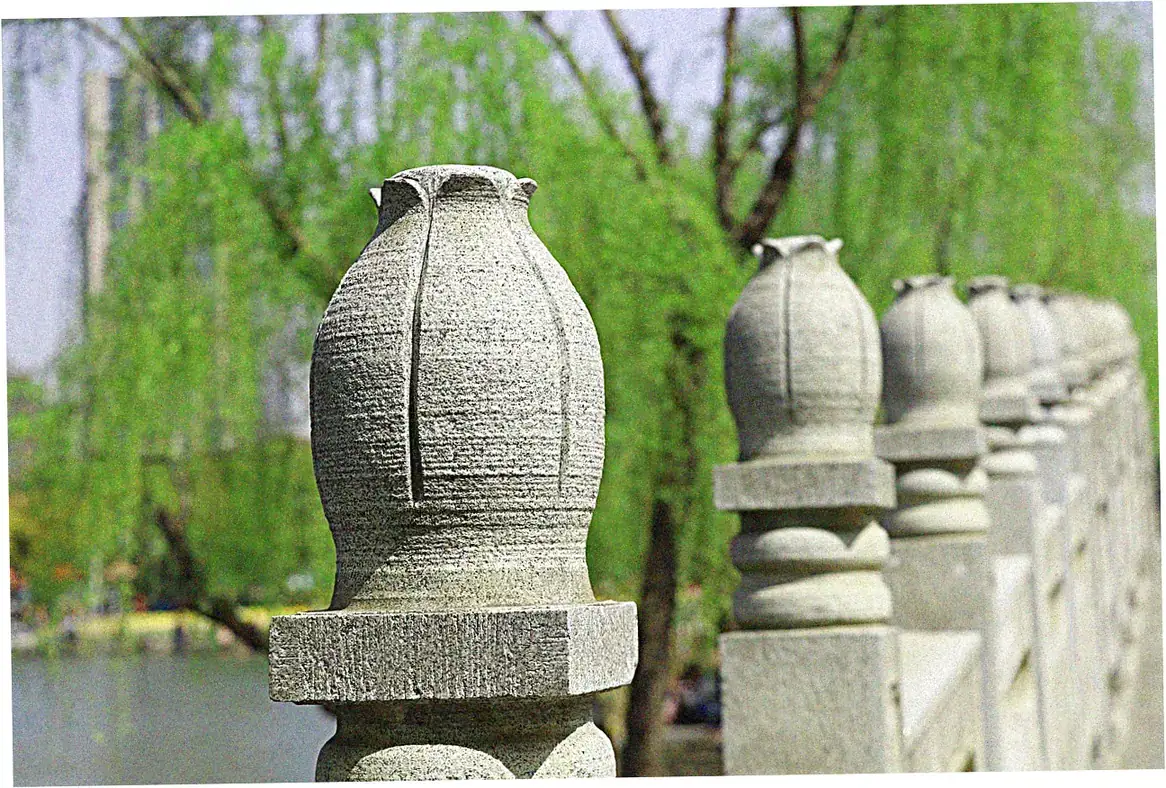
People have always loved going to historical gardens for their Qingming outings. Classical Chinese gardens, with their pavilions, ponds, and willow trees, are designed to show harmony between people and nature.
This fits perfectly with what Qingming is all about. Take the Palace of Tranquil Longevity—it’s a super peaceful imperial garden, and you can see its design ideas in public parks too.
Walking through these places during Qingming lets you appreciate balance and renewal—values people have loved for ages. It connects us today to a really long cultural history.
Modern Observance and Social Impact
Qingming in Contemporary Urban Life
Nowadays in China, how people celebrate Qingming Festival has changed a bit, but they still keep the main traditions. Since more people live in cities now, it’s become harder to visit family graves, which are usually out in the countryside.
So lots of cemeteries have started offering online tomb-sweeping services. That way, folks can pay their respects from anywhere. Plus, with the public holiday, city people can head back to their hometowns.
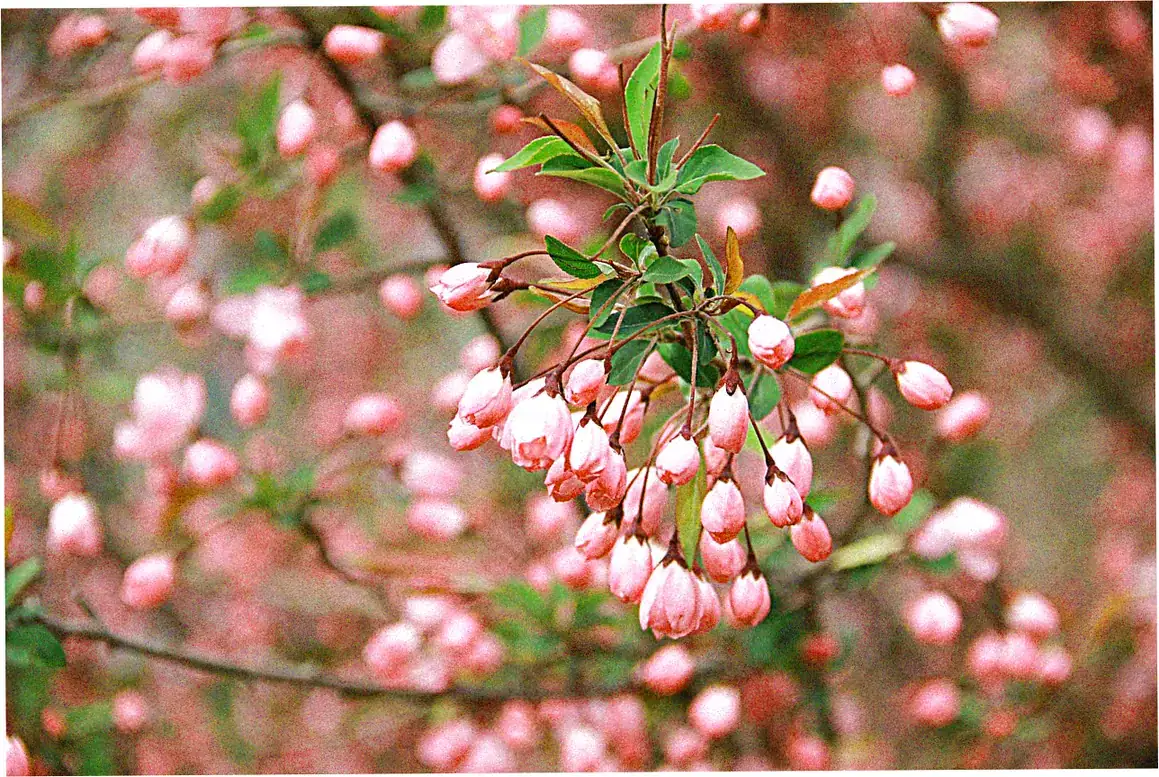
This makes Qingming one of the busiest travel times of the year. People are also going greener with their offerings now. Instead of burning paper money, many bring fresh flowers. It mixes old customs with new environmental awareness.
National Reflection and Community
But Qingming Festival isn’t just about remembering family anymore. It’s also grown to include honoring national heroes and important historical figures publicly. You’ll see official ceremonies at monuments and memorials all over the country.
They honor everyone who helped build the nation. This wider celebration helps create a shared memory and strengthens national identity. The day makes everyone stop and think about history, sacrifice, and what we’ve inherited.
It brings communities closer and makes sure younger generations remember the lessons and contributions from the past.
Travel and Experiencing Qingming Culture
Planning a Cultural Journey for Qingming
If you want a real Qingming Festival experience in China, plan ahead because everyone’s traveling during the holiday. Pick a spot that’s big on tradition.
Lots of folks go back to their family villages, but culture lovers might check out old capitals like Xi’an or Luoyang. For a truly unique journey, one might consider how to get to dunhuang, a historic Silk Road city.
It’s not your typical Qingming spot, but its history really helps you get why the festival is all about respecting the past and family roots.
Respectful Participation as a Visitor
Visitors from abroad can usually watch the public parts of Qingming, but they should be respectful. Hanging out in parks and soaking up the spring vibe is totally fine.
But don’t crash private family grave-cleaning ceremonies – you need an invite for those. Tourists can join in by checking out public memorials, snacking on seasonal treats like Qingming Guo, or flying kites at the park.
Just watch quietly and be respectful – it’s a serious day for many people. Being polite like this makes for a much better cultural experience.
Conclusion and Call to Action
Qingming Festival really shows you Chinese culture. It’s all about remembering the past while enjoying the present. You’ve got tomb sweeping and spring outings.
These teach you about family, history, and how we fit into nature. No matter if you’re Chinese or just into different traditions, think about what Qingming means.
Share a story about someone you miss, enjoy the spring weather, or maybe make some green rice cakes. So this year, how will you link up your past and now?
FAQ
So what’s the Qingming Festival really about?
Mainly, it’s all about honoring and remembering our ancestors who’ve passed away. We do this through different rituals—like cleaning up their graves, offering food and spirit money, and saying prayers.
It’s a big part of showing filial piety in Chinese culture, making sure our ancestors are still respected and looked after.
Ever wonder why it’s called Tomb-Sweeping Day?
Well, it’s because the most common thing people do is visit their family graves and sweep them clean. Sweeping away dirt and weeds isn’t just cleaning—it’s a meaningful way to show we still care and remember those who are gone.
Is Qingming Festival a sad day?
Not really. Sure, there’s a serious side where we remember people, but it’s also a happy spring celebration. People also fly kites, go out with family, and just enjoy being outside. So it’s really about life as a whole—recognizing loss, but also celebrating new beginnings and how life goes on.
What kind of food do people usually eat during Qingming?
The most classic is Qingming Guo—some folks call them green rice balls or cakes. They’re these green dumplings made with sticky rice and mugwort juice, and usually stuffed with sweet bean paste.
You might also have sweet green rice porridge, sanzi—which are these crispy fried twists—or spring pancakes packed with fresh veggies.

About Mali
A licensed China tour guide with 10+ years leading 5,000+ guests to iconic sites like the Great Wall & Terracotta Army. Expert in seamless tours, cultural insights, and VIP access!