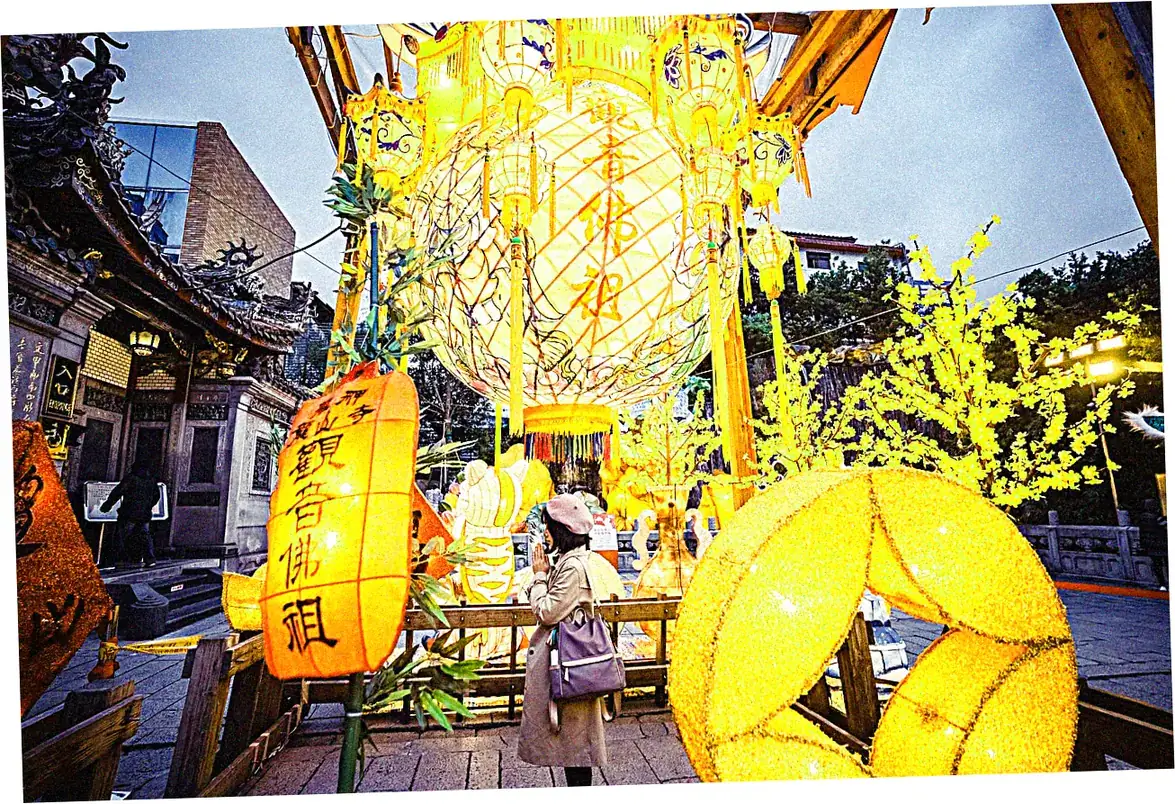
Winter’s chill is fading, and warmer breezes are blowing in. All over the world, communities are celebrating this change of seasons with awesome spring craft festivals. These festivals totally transform public spaces. They become these super creative, bustling hubs. That’s where artisans show off their handmade treasures, like pottery and textile arts. I actually found their magic by accident. I was looking for a unique cultural experience, something different from the usual Beijing guided tours. Then I stumbled on a local spring craft festival. It completely changed how I see these seasonal celebrations. The Craft Organization Directors Association says that since the pandemic, attendance at these spring craft festivals has jumped by 34%. People are really craving those authentic, hands-on experiences now. Whether you’re checking out the floral crowns or tasting the artisanal foods, these festivals are way more than your average market shopping. They’re like living museums of cultural heritage.
Table of Content
- Essential Spring Craft Festival Planning Guide
- Historical Roots of Seasonal Craft Celebrations
- Must-See Spring Craft Festival Highlights
- Hands-On Craft Festival Participation Tips
- Sustainable Craft Festival Practices
- Craft Festival Photography and Documentation
- Future Trends in Craft Festival Development
- Frequently Asked Questions
Here’s your essential guide to planning for a spring craft festival.
Picking the perfect festival experience for you.
Picking the right event isn’t just about location. There are a few other things you’ll wanna think about. Think about how long it lasts. One-day festivals are packed with fun. Longer ones, like the famous Suzhou Silk Festival, let you really dive in.
Also, see what the festival specializes in. Some are all about ceramics or textile arts. Others, like the Beijing International Craft Fair, show off all sorts of crafts. I learned this the hard way.
I once went to a pottery festival thinking I’d see more variety. Do some research on sites like Craft Festival Directory or check local tourism boards. This is super helpful if you’re visiting nice places in China, where these spring craft festivals often happen near cultural spots.
What makes a festival great for families? It’s the little things that really stand out. Look for ones with kids workshops where they can get hands-on, easy stroller access, and spots just for play.
The Chengdu Bamboo Craft Festival is a great example. They have Make and Take zones where kids can make simple crafts with the masters. For adults, check the demo times and if there are master classes.
These real learning chances turn a simple visit into something special. My own checklist now includes lots of food choices (we really needed gluten-free options after a friend’s surprise diet need!) and a backup plan for rain. I once saw an amazing paper art show get washed out by a spring shower.
Historical Roots of Seasonal Craft Celebrations
Cultural Origins and Evolution
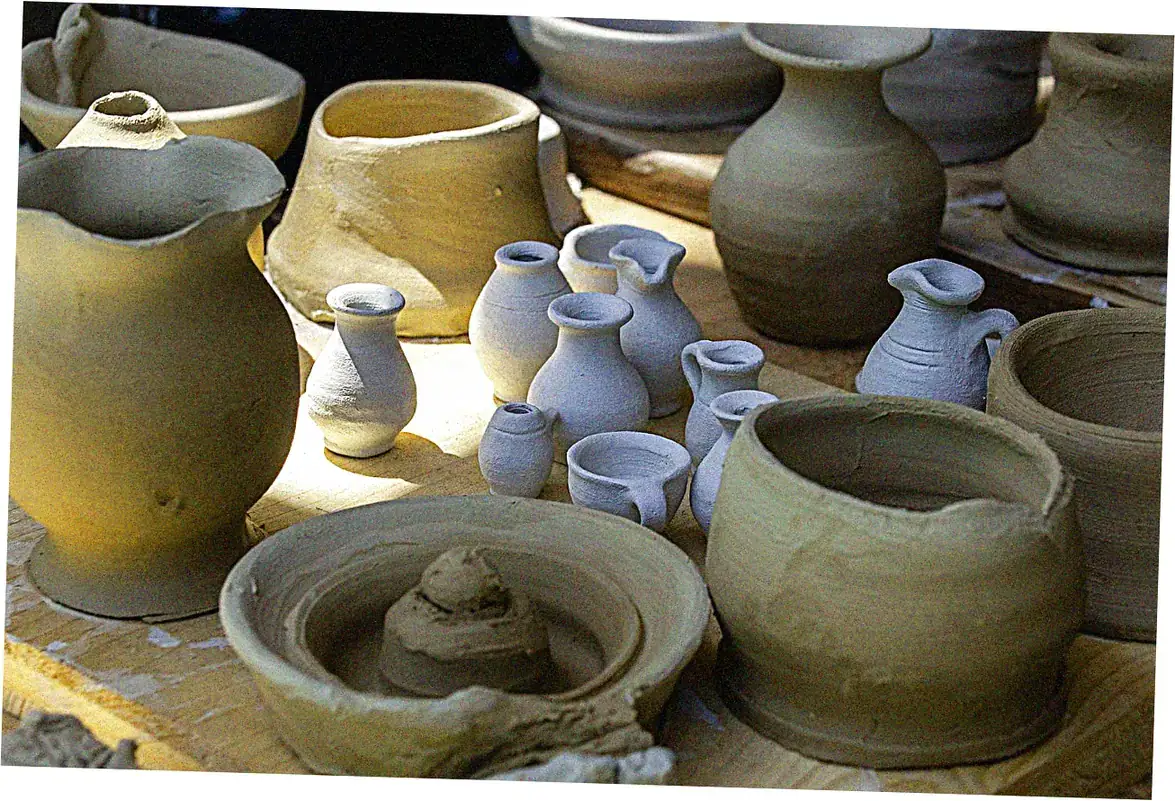
Spring craft festivals actually started way back in ancient farming communities. People then used creative crafts to celebrate the changing seasons. Take China’s Qingming Festival, or Tomb-Sweeping Day.
People used to make wreaths from willow branches and craft paper offerings. Those old traditions have really evolved into the celebrations we see today. Dr. Li Wen from the Cultural Anthropology Institute points out something cool.
These festivals saved crafting techniques that were almost lost to industrialization. They’ve become like living museums for important cultural skills. Over in Europe, May Day celebrations did something similar.
They had fun stuff like ribbon pole crafting and workshops for making floral crowns. You can still see these traditions kept alive at modern festivals, like Munich’s Frühlingsfest.
The way we do these festivals today really took off after World War II. That’s when movements to revive cultural traditions started picking up steam. Then in 1958, Tokyo’s National Crafts Festival set a new standard.
It showed how big, well-organized events could work, and it really focused on masters passing their skills down to apprentices. Nowadays, these festivals mix old and new. Look at the Hangzhou Silk Festival.
It keeps ancient loom techniques alive but also runs cool digital textile design competitions. This change is part of a bigger trend. A UNESCO report from 2022 found that 68% of traditional crafts now
mix in modern elements to stay relevant. This keeps the celebrations fun and lively, not like stuffy old museum displays.
Must-See Spring Craft Festival Highlights
Signature Events and Activities
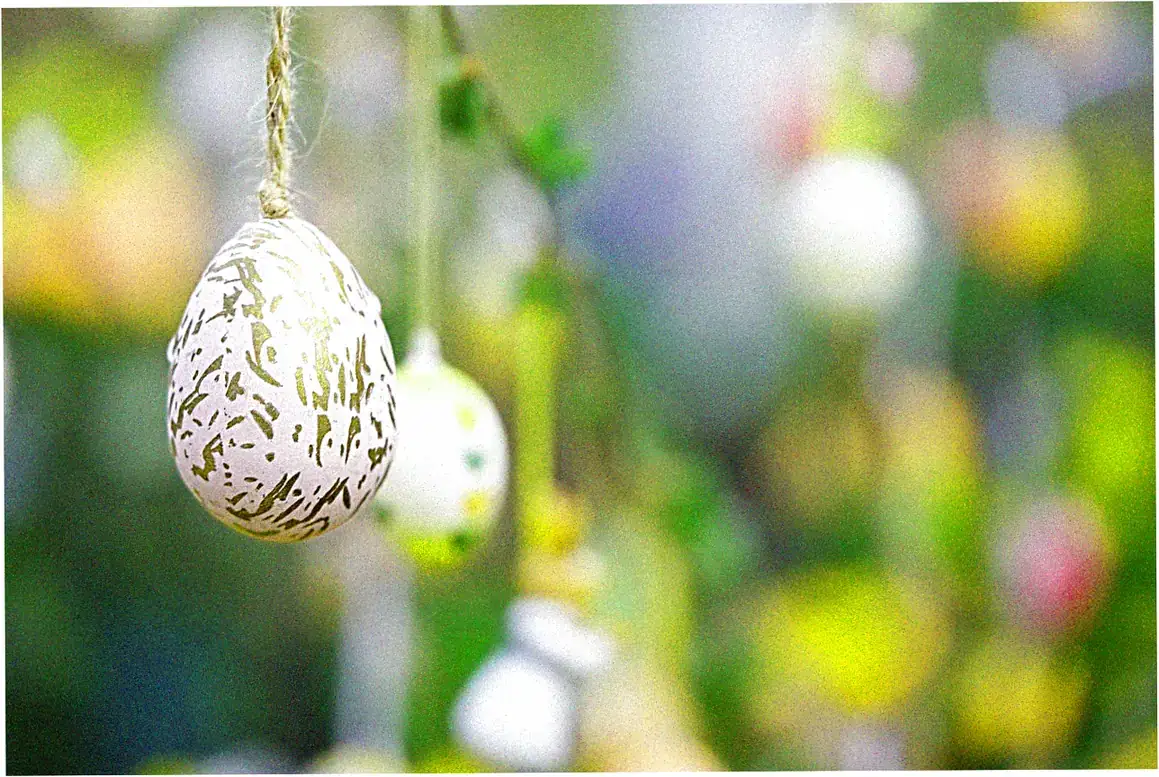
Some things just make spring craft festivals really special. Let’s start with the master demos. At the Jingdezhen Porcelain Festival, you can watch artisans work their magic.
They use traditional kick wheels to throw clay, turning simple lumps into beautiful porcelain pieces right before your eyes. Then there are the hands-on workshops.
At the Guizhou Batik Festival, you get to make your own blue-dye patterns with help from the pros. I picked up the wax-resist technique there for just $15. Now I use it for holiday cards all the time – such a rewarding skill to have!
Make sure you check out the specialty markets too. They’re full of limited-edition pieces that really capture the spring vibe. You’ll find everything from Kyoto’s blossom-covered pottery to Bali’s woven grass sculptures.
These aren’t your average souvenirs – they really embody the spirit of the season. The food pairings really take it up a notch. At the Lyon Spring Craft Fair, artisan cheesemakers team up with woodworkers who make custom serving boards.
The evening events are pure magic. At the Pingxi Festival, you can join lantern-making workshops that end with everyone releasing their creations at night. Hundreds of handmade lanterns light up the sky – it’s an amazing mix of craft and visual spectacle.
Regional Variations Across Cultures
Spring craft festivals really show off their cultural roots through the materials and themes they use. Up in Scandinavia, the festivals are all about celebrating light after those long dark winters.
You’ll see lots of candle making and bright textile crafts. Over in the Mediterranean, take the Malta Lace Celebration – they showcase their sea-faring heritage with rope work and shell crafts. Asian festivals have their own flavors.
In Japan, cherry blossom patterns are everywhere. Meanwhile in China, kite making and flying is huge – it’s a 3000-year-old tradition that’s still going strong at Weifang’s International Kite Festival.
North American festivals often mix different cultural traditions. At the Santa Fe Spring Arts Festival, you might see Native American pottery right alongside Hispanic tinwork demos. This diversity makes for great learning moments.
When I hit up New Orleans Jazz Fest Craft Market, I saw how making musical instruments helps keep cultural traditions alive. These regional specialties give you awesome reasons to plan your trips around festival dates.
Picture pairing a Beijing tour with the Tianjin Clay Figurine Festival nearby. Or finding out what makes Chengdu special beyond its food scene at their amazing embroidery festival.
Hands-On Craft Festival Participation Tips
Maximizing Your Creative Experience
Get hands-on at spring craft festivals, and you’ll go from just watching to actually creating. Start with small workshops that fit your skill level. Lots of them, like the Shanghai Paper-Cutting Festival,
have beginner-friendly intros that only take 30 minutes. Don’t forget to bring what you’ll need—an apron, closed-toe shoes if you’re doing glass or metalwork, and something to carry home any wet projects.
One thing that was a total game-changer for me was a fold-up drying rack. It saved so many of my pieces at those multi-day festivals. Be sure to sign up early for popular workshops.
That ceramic throwing class at the Yixing Teapot Festival? It gets booked solid months in advance, even with twenty wheels going at once.
When you talk to the artists, ask them thoughtful questions instead of just saying something generic. So instead of Your work is beautiful, try asking, What inspired this glazing technique?
or How long did it take to master this coil pottery method? Questions like that usually get you some cool stories and handy tips. It’s also a good idea to discreetly record bits of the process.
Once, a short video of a master weaver’s technique helped me fix my own mistakes later on. And most importantly, don’t worry about being perfect. My first try at Korean paper-making turned out all lumpy,
but I still have it framed. It reminds me that crafting is all about getting better, not being perfect.
Sustainable Craft Festival Practices
Eco-Friendly Approaches and Ethics
These days, spring craft festivals really focus on sustainability. They pay close attention to where materials come from and work hard to cut down on waste. The Green Craft Alliance says that 62% of big festivals now require biodegradable materials.
They also make vendors compost their waste. Take the Copenhagen Wool Festival, for example. It shows this change perfectly. The festival requires all dye workshops to use plant-based colors.
It also sets up recycling stations for any leftover materials. These steps tackle complaints about the environmental impact of events. They also teach visitors cool stuff. I learned how to turn fabric scraps into paper pulp at a festival’s Zero Waste Crafting seminar. Now I do it all the time!
But it’s not just about being green. Ethics also cover big issues like cultural appropriation. Good festivals make sure that indigenous crafts are shown by people from that community.
The Navajo Rug Weaving Festival is a great example—it only features artists from the Diné community. Fair compensation is another critical issue; the Ethical Craft Festival Network certifies events guaranteeing artisans receive60% of sales revenue.
As visitors, we can back these practices up. Buy straight from the makers. Ask where materials come from. And skip those cheap, mass-produced copies of traditional crafts.
This is super important when you’re checking out beautiful places in China. Getting real souvenirs there helps keep their culture alive.
Craft Festival Photography and Documentation
Capturing Memories Respectfully
When taking photos at spring craft festivals, you need to balance documenting the event with respecting the artisans work and privacy. Always ask before snapping pics of people or specific items.
Most artists love the interest but might say no if they’re protecting their special techniques. Zoom in on the details. Things like the texture of woven baskets, hands shaping clay, or colorful material
displays tell much better stories than plain crowd shots. I like to create visual stories by sequencing shots from raw materials to finished products. I picked up this trick from a photojournalist at the Kyoto textile festival.
Besides photos, keep a craft journal. Jot down techniques, where materials come from, and artists contact info. This totally changed how I experience festivals. My notes from a Suzhou embroidery demo even helped me copy those stitches months later.
When you share online, do it responsibly. Tag the festivals and artists. One of my posts about a minority group’s silver-smithing actually got them twelve new orders. Don’t use flash near light-sensitive stuff like traditional dyes.
And never interrupt a demo just to get a better angle. If you’re patient and watch, you’ll often get cooler shots than by barging in.
Future Trends in Craft Festival Development
Innovations and Evolving Formats
Spring craft festivals are changing. They’re mixing in tech and trying out hybrid formats. Since the pandemic, lots of these fests keep virtual parts. Like the Guangzhou Lacquerware Festival, they stream workshops live to folks all over the world.
These cool new things make it easier for everyone to join in and still feel like you’re right there learning. A friend of mine who couldn’t go in person joined a pottery workshop from the hospital.
She said it was way more therapeutic than she ever thought. Another big trend is mixing up the content. Festivals are adding performances. Take the Blacksmith Music Festival, where they time metalworking demos to match orchestral music.
p>
They’re also getting stricter on being green. The European Craft Federation says all its member festivals gotta be carbon-neutral by 2025. All this means spring craft festivals will keep mixing the old with the new.
You’ll get to dive deeper into the crafts, and they’ll also be better for the planet. Even as they change, these events are still key spots for sharing culture and learning to create.
They link the past to the future through the awesome stuff people make by hand. Spring craft festivals are amazing. You get to dive into living traditions, pick up real hands-on skills, and meet creative people from everywhere.
It doesn’t matter if you’re a pro or just starting out. You’ll leave inspired and you’ll learn a ton. Go check out your local festival calendars to plan your next trip. And remember, the best souvenirs aren’t things you buy.
They’re the clay on your hands, the pride in a new skill you learned, and the friends you make who are keeping these traditions alive. So this spring, get out there and join the fun.
Be a part of this vibrant craft celebration. Embrace the season of renewal by participating in the vibrant tradition of craft celebration.
Here are some common questions people ask
What should you pack for a spring craft festival?
Bring comfy shoes, dress for the weather, and carry cash – many artisans prefer it. Don’t forget a reusable water bottle and tote bags for your finds If you’re doing workshops, grab an apron, some nitrile gloves for dyeing, and maybe a collapsible rack to dry your projects
Are spring craft festivals good for kids?
Most festivals are super family-friendly! They have workshops for kids, fun demos, and often special play areas Just check age limits first – some pottery or glass workshops have minimum ages for safety
How can you tell real craft festivals from commercial markets?
Real festivals focus on artisan demos, learning opportunities, and share how they choose their makers Look for events that use jurors to pick vendors – good ones are open about their process and feature handmade items, not imports
Can I sell my crafts at these festivals?
Applications differ, but most good festivals need portfolios, jury approval, and fees Some events, like the Portland Craft Festival, have programs for new makers to get started Start researching events 6-12 months ahead – the selection can be competitive.

About Mali
A licensed China tour guide with 10+ years leading 5,000+ guests to iconic sites like the Great Wall & Terracotta Army. Expert in seamless tours, cultural insights, and VIP access!