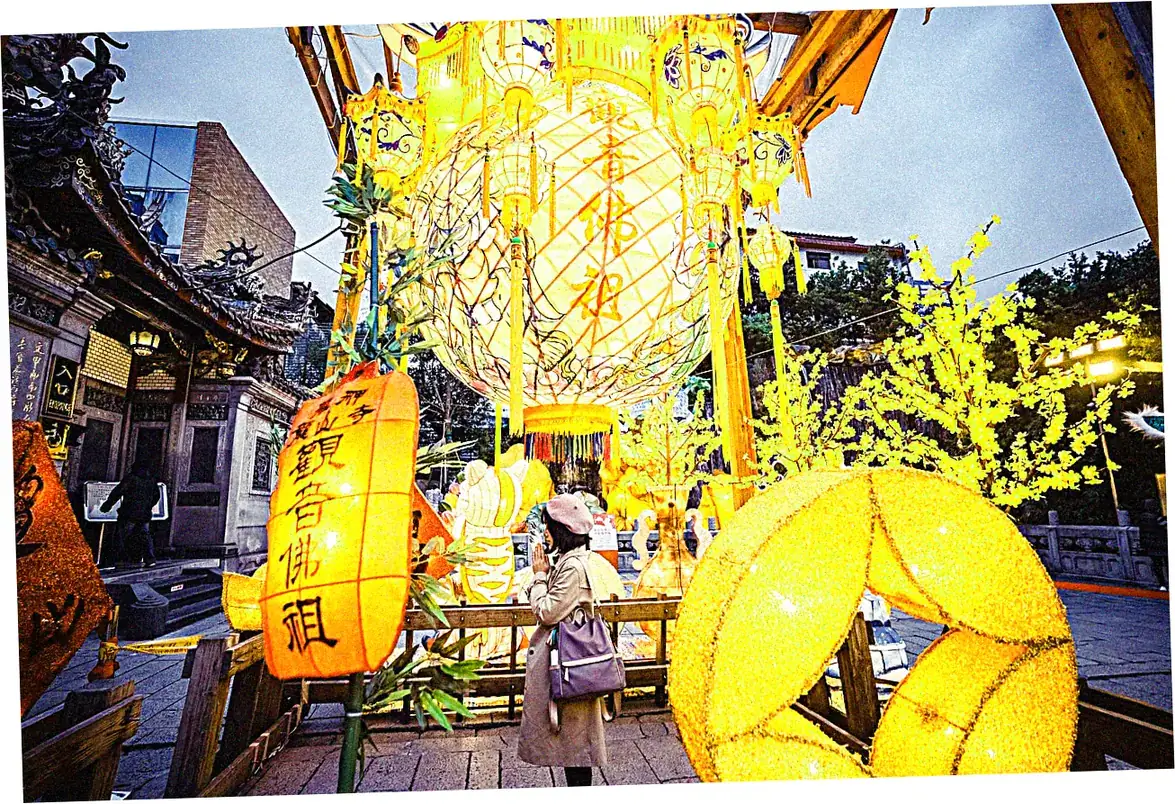
When the first full moon of the lunar year comes up, China turns into this amazing sea of light for the Lantern Festival. This festival is super old—it’s been around for over 2,000 years. It wraps up the Chinese New Year celebrations with awesome displays that show off amazing craftsmanship and cultural symbols. People from all over the world plan trips just to see this magical event. Cities like Chengdu basically turn into living museums full of glowing art. You’ll see all kinds of lanterns—from tiny ones you can hold to huge architectural wonders. They tell stories about myths, history, and cool new innovations. But it’s not just about looking pretty. The festival is really about reunion, hope, and welcoming spring.
Table of Content
- Historical Roots and Cultural Significance
- Modern Celebrations Across China
- Chengdu Lantern Festival Experience
- Beijing Palace of Tranquil Longevity Celebrations
- Lantern Craftsmanship and Artistic Techniques
- Photography Tips and Social Media Strategies
- Sustainable Tourism and Cultural Preservation
- Conclusion and Next Steps
- Frequently Asked Questions
Historical Roots and Cultural Significance
Origins and Evolution
The Lantern Festival started way back in the Han Dynasty, from 206 BCE to 220 CE. Back then, it was mainly a ceremony to honor the gods. Emperor Ming of Han was a big Buddhist believer. He told people to light lanterns in temples for Buddha.
That’s how a tradition began and kept changing over the next dynasties. Then in the Tang Dynasty, from 618 to 907, it became more than just religious. It turned into a big public party.
People got special permission to stay out at night, which was pretty rare back then. The Song Dynasty was like the golden age for the Full Moon Lantern Festival. Old records say parties went on for a whole week.
They had super detailed lanterns, riddles hanging from them, and lots of shows. Cities turned into huge fun zones.
Even as it changed over time, the festival kept its main symbols but also fit into modern times. Lanterns are round, which stands for family getting together and wholeness, just like the full moon.
Lighting them up means brightening the future and leaving old troubles behind. Red lanterns, especially the old-school ones, mean wealth and good luck. That’s why you see so many at the parties. These days, people think about the planet too.
Lots of places use LED lights now, not candles. It shows how old traditions can mix with being green and still keep their heart.
Symbolism and Philosophical Meanings
Every part of the Lantern Festival has deep meaning, tied to Chinese views of the universe and old folk beliefs. The light from the lanterns stands for wisdom cutting through darkness, which comes from Buddhist ideas on enlightenment.
Holding it on the first full moon links back to farming days when moonlight helped decide when to plant crops. Figuring out lantern riddles means finding clarity by thinking hard, which matches Confucian respect for learning.
Floating lanterns on rivers is about letting go of worries and wishing for good things in the new year.
Food symbols are just as key, especially yuanxiao, those sweet rice balls. They’re round, and the name yuan sounds like reunion, hinting at family togetherness.
Their sticky feel means family sticking together, and the sweet inside is like life’s sweetness. As expert Dr. Mei Lin says, this festival blends different philosophies: Buddhist light ideas, Daoist balance
with yin-yang, and Confucian family stuff. It makes a special Chinese tradition that’s stayed important for thousands of years.

Modern Celebrations Across China
Regional Variations and Unique Traditions
People all over China celebrate the Full Moon Lantern Festival, but each region adds its own special twist. In Beijing, the Palace Museum stays open late just for the festival. Its ancient buildings make an amazing backdrop for the lantern shows.
Down in Nanjing, the Qinhuai International Lantern Festival puts lanterns right on the water. They float along old canals, showing off scenes from imperial times. Sichuan province is famous for its fiery traditions.
Zigong’s lantern festival uses bamboo frames for their creations – they’re even called the Lantern Town of the South. Meanwhile, Chengdu’s parks mix old-school designs with cool new LED lights.
Southern China has some really unique stuff. In Fujian’s Pingnan County, they do dragon lantern dances. These dragons can be 100 meters long, with dozens of people working together to move them.
Over in Taiwan’s Pingxi District, they release sky lanterns. People write wishes on paper lanterns and send them up to light up the night sky. All these different styles show how local materials, history,
and culture have taken one festival and made it special in each place. Tourism folks have even made special routes. So during the fifteen-day Full Moon Lantern Festival, visitors can check out celebrations in several regions.
Urban Celebrations and Tourist Hotspots
Big cities in China totally change during the Full Moon Lantern Festival. It’s an amazing experience, whether you’re from China or visiting from abroad. Shanghai’s Yuyuan Garden Market becomes the most photographed spot.
They have fancy zodiac-themed lanterns and classic market stalls everywhere. In Xi’an, they use the old city wall as a stage for lanterns. You get modern designs right next to ancient Tang Dynasty architecture – it’s quite a contrast!
These city celebrations mix old and new. Drone light shows work alongside handmade lanterns. There are even AR apps that let you interact with historical figures.
For visitors from other countries, the timing of the Full Moon Lantern Festival has its ups and downs. It happens right after China’s big Spring Festival travel rush, so finding a place to stay is easier – unless you want the really top spots.
Travel expert Zhang Wei suggests: Book temple visits and shows months early. But keep your evenings free – you might stumble upon something wonderful. Sometimes the best lanterns aren’t in tourist areas
at all – you’ll find them in little neighborhood alleys. Lots of cities help visitors out by keeping museums open later and adding special festival transit routes.
Chengdu Lantern Festival Experience
Signature Events and Locations
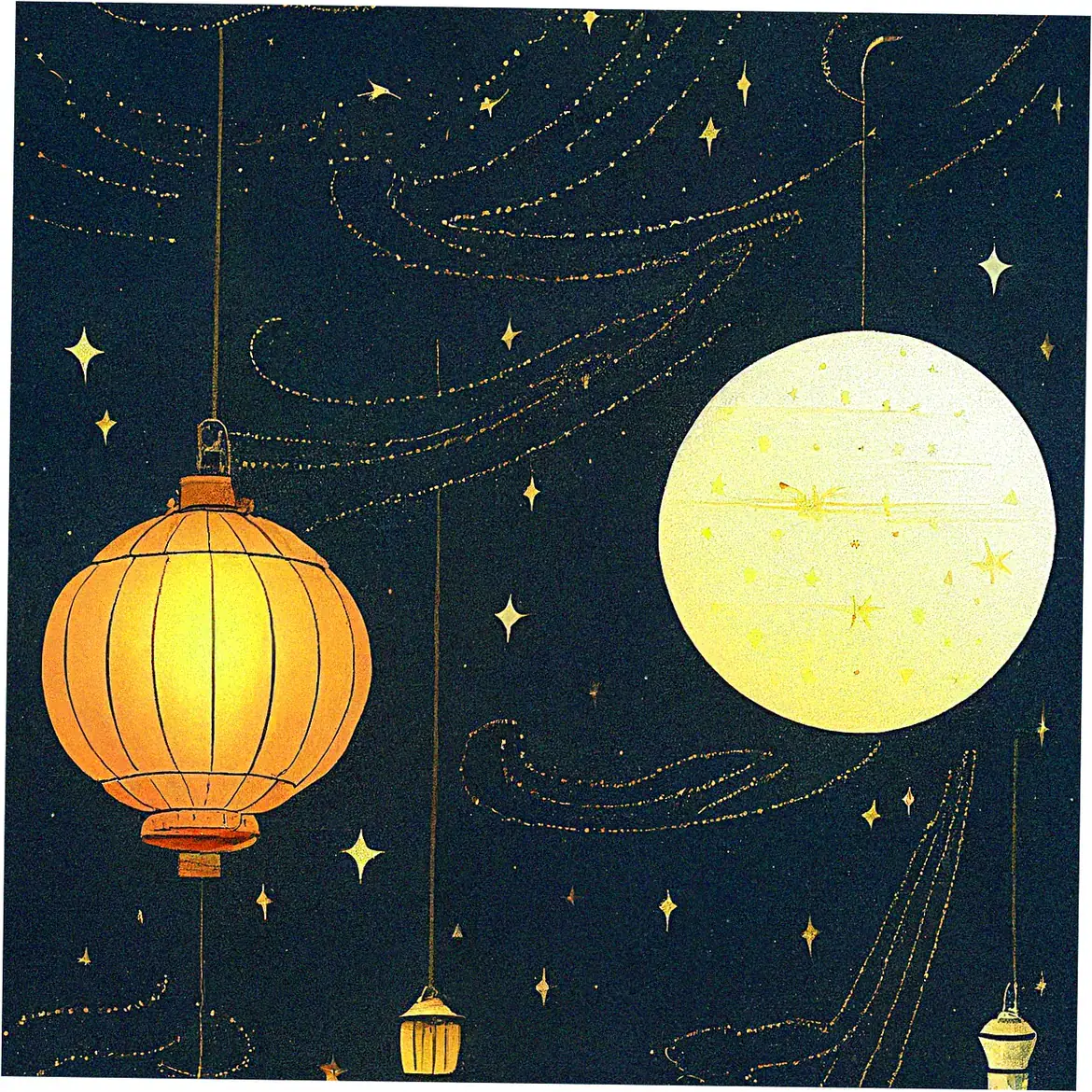
Chengdu’s full moon lantern festival is one of China’s best. It mixes cool Sichuan culture with creative designs. At Chengdu Cultural Park, you’ll see over 100 huge lantern sets. They follow a different theme each year and often feature cute pandas.
Jinli Ancient Street turns into a cool history-themed lantern gallery. They have Han Dynasty style lanterns and fun riddle games to play. Wenjiang District has awesome spots for selfies. Younger folks love the interactive light tunnels and dreamy scenes that are perfect for Instagram.
But there’s more than just pretty lights at the full moon lantern festival. Chengdu gives you real cultural experiences too. Traditional tea houses have special lantern-viewing sessions. Storytellers share cool legends about the festival.
You can take classes at local cooking schools to learn how to make yuanxiao – those sweet dumplings everyone eats during the festival. Sichuan Opera puts on special shows for the festival.
They include amazing face-changing acts and fire dances that go perfectly with the lanterns. As travel expert Li Xiaolong says, Chengdu gets it – a good festival should thrill all your senses. Not just what you see, but what you taste, hear, and touch with interactive stuff.
Planning Your Visit Practical Tips
To make the most of your full moon lantern festival trip, you’ll want to plan smart. The big night is the 15th day of the first lunar month, usually in February or March. But the lantern displays stay up for about two weeks before and after that date.
Weekdays are much less crowded than weekends. Grab your tickets online through WeChat mini-programs to skip the long lines. Download bilingual metro apps before you go. The special festival shuttle buses aren’t always marked clearly in English.
Where you stay makes a big difference. Hotels near Cultural Park are super convenient but cost more. Staying further out saves money but means longer travel times. Wear layers – February evenings can get chilly even if the days are warm.
Bring power banks for all your photos, and carry some cash too. Some traditional market stalls might not take digital payments. Most importantly, get there before dark.
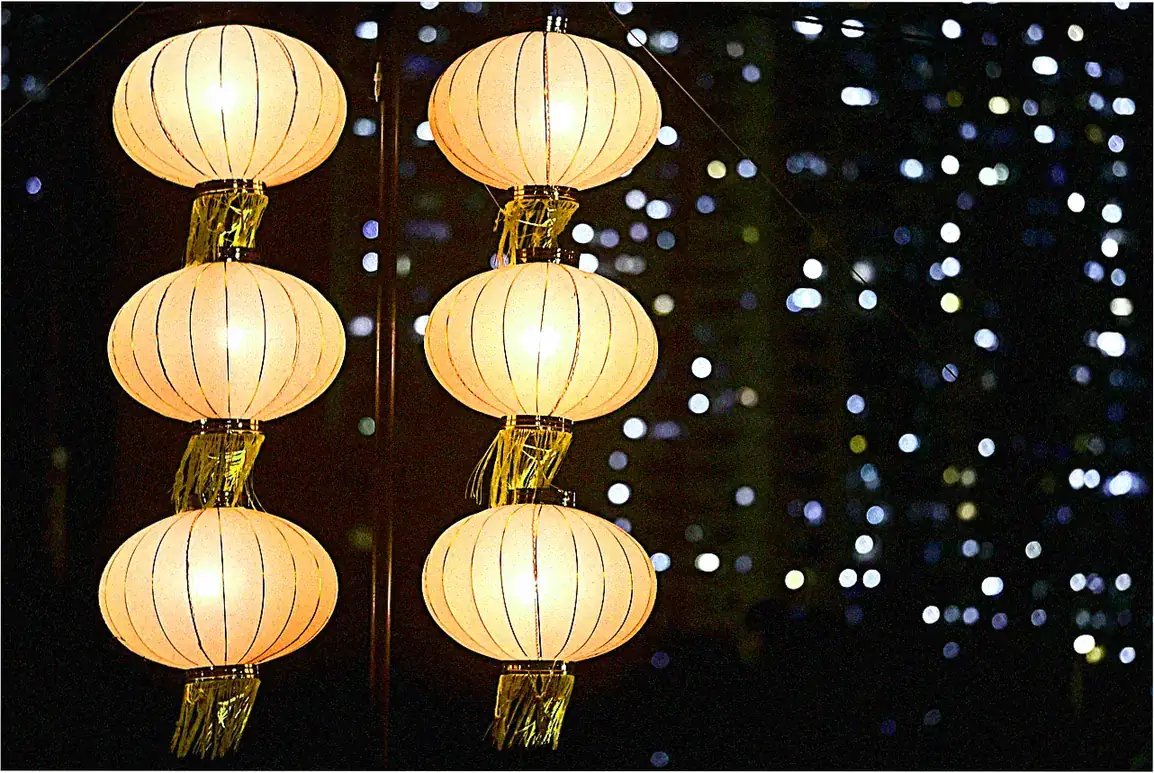
You’ll see the amazing change as the lanterns light up against the evening sky. This golden hour is perfect for photos as the lanterns slowly glow brighter.
Beijing Palace of Tranquil Longevity Celebrations
Imperial Traditions and Architectural Splendor
Inside Beijing’s Forbidden City, there’s the Palace of Tranquil Longevity, also called Ningshou Palace. It puts on special full moon lantern festival events that bring old imperial celebrations back to life.
Emperor Qianlong had this place built for his retirement. It gives you a real historical vibe that modern spots just can’t match. The palace’s design is a big part of the show.
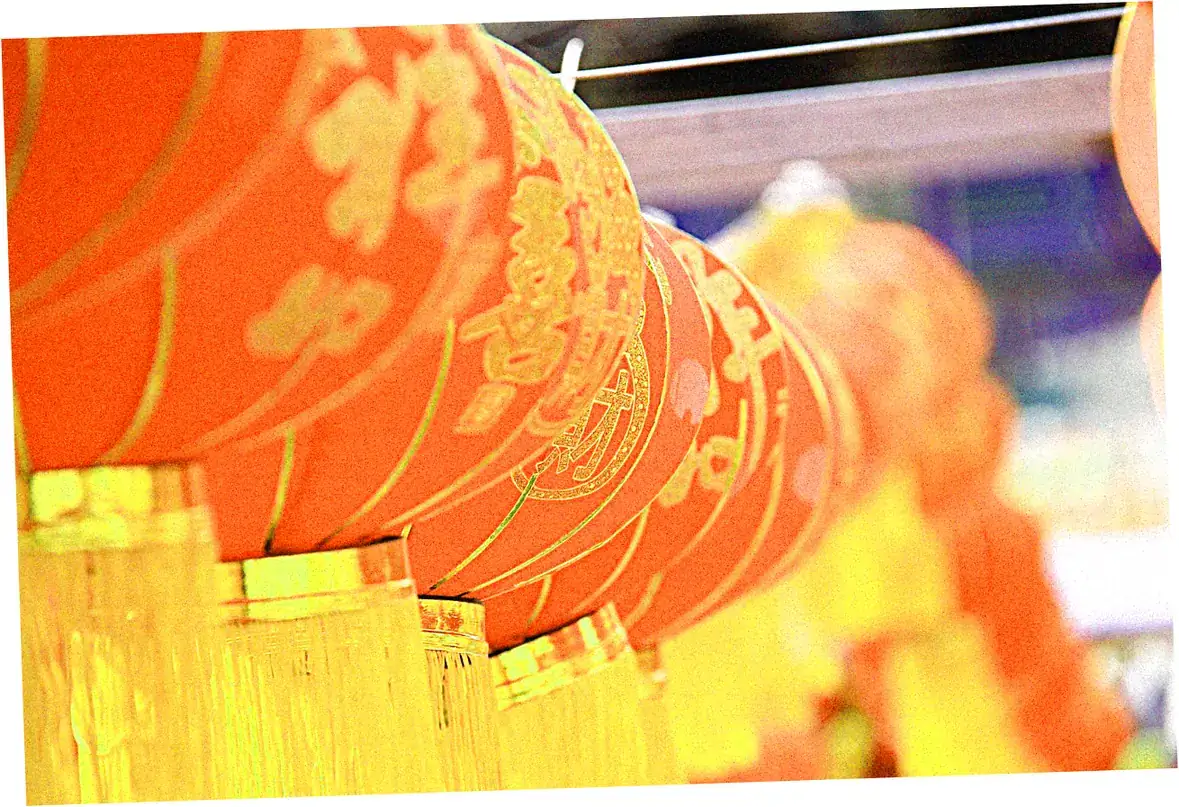
They hang classic lanterns along the covered walkways, making these amazing tunnels of light. Over in the courtyards, installations glow in old bronze pots, just like they did back in the Qing Dynasty for the full moon lantern festival.
They also have special shows with old lanterns from the palace’s own collection. You’ll see really rare ones made from kingfisher feathers and special silk that was only for the palace.
What makes this full moon lantern festival experience so special is how closely it sticks to the old imperial ways, which are all written down in records. The performances recreate ceremonies straight from Qing court records.
They use music and costumes that are totally right for the time. For the lantern riddle tradition, they use classical couplets instead of modern puzzles. It really tests how much you know about Chinese literature.
It’s super popular, so you gotta book your tickets months ahead of time on the Palace Museum’s website. You can’t take photos everywhere, to protect the old stuff.
But they do have special spots for pictures. You get awesome shots of the lit-up traditional buildings with the Beijing night sky behind them.
Modern Interpretations and Visitor Experiences
Even though they focus on being historically accurate, the Palace of Tranquil Longevity also uses modern tech to make your visit even better. They have augmented reality stations.
You can see digital recreations of what the courtyards looked like during the full moon lantern festival back in the 1700s. There are also cool multimedia projections.
They bring historical figures to life, and these figures explain the different traditions in several languages. The gift shop sells copies of imperial lantern designs you can’t get anywhere else.
They make really unique souvenirs from the full moon lantern festival. The evening tours end with a tea ceremony in rebuilt imperial kitchens. There, you can try festival foods made from old recipes.
People who visit always talk about how moving it is to experience the full moon lantern festival in a real imperial setting. An American tourist, Sarah Johnson, said: Seeing the lanterns shine on the marble terraces where the emperors walked.
.. it made me feel this amazing link to the past. She also said the modern light shows actually made it feel more real, not less. This kind of experience isn’t cheap. The fancy tickets with guided tours and food can cost more than 800 yuan.
But most people think it’s worth it for this awesome mix of stepping into history and seeing a great art show at the full moon lantern festival.
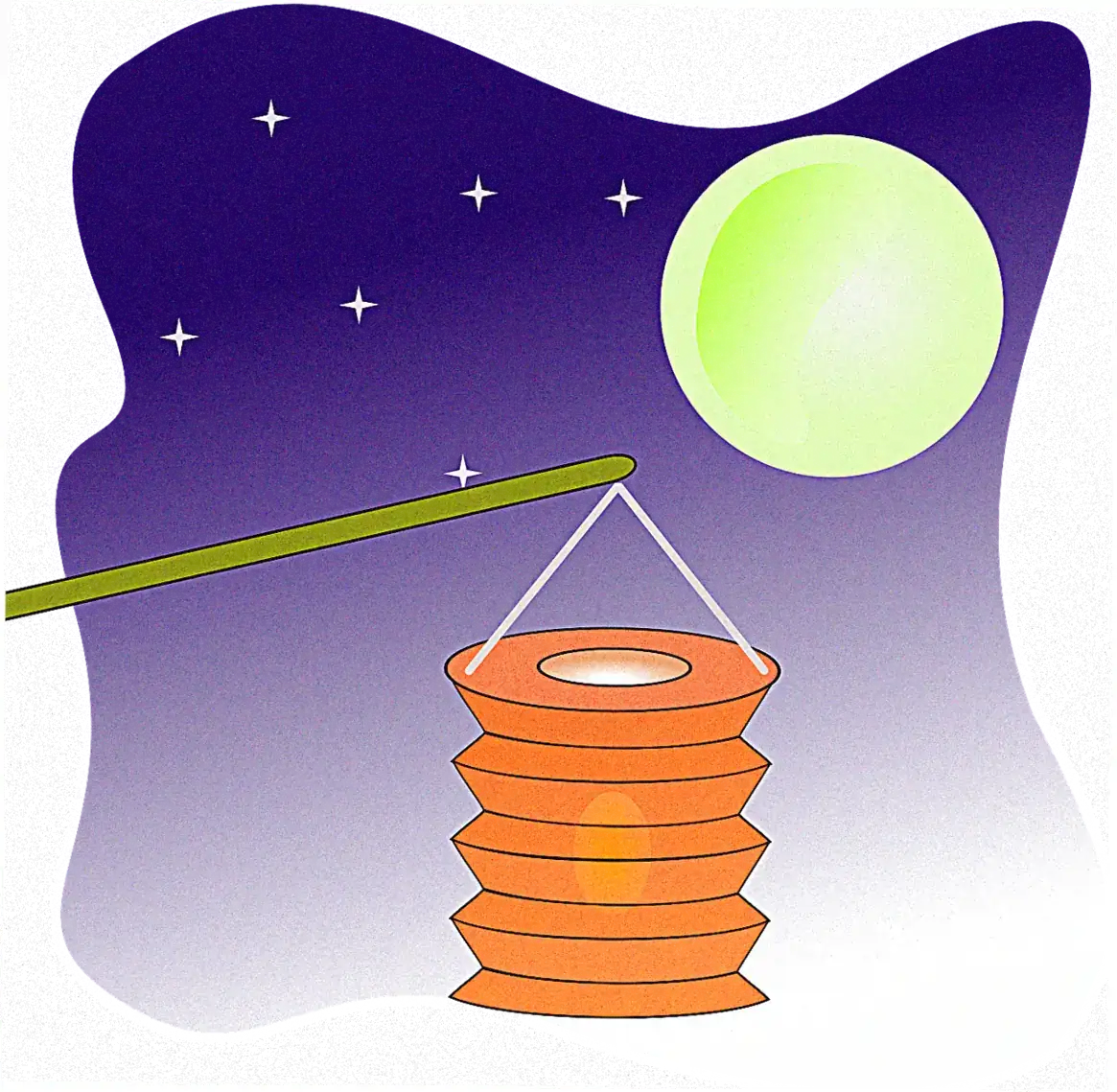
Lantern Craftsmanship and Artistic Techniques
Traditional Materials and Construction Methods
Making lanterns is a traditional craft. The skills get passed down from older generations. Artisans often use bamboo strips for the frame. Bamboo is both flexible and strong. They heat and bend it carefully into all kinds of shapes.
They used to cover them with silk or fine paper. Now, many use synthetic fabrics because they handle the weather better. How they paint them depends on the region. Up north, they like bold colors and big patterns.
Down south, the brushwork is more delicate with soft color blends. The fanciest palace lanterns for the Full Moon Lantern Festival can have it all: carving, painting, embroidery, and even beading on one lantern.
Master artisan Wang Xiaofeng from Zigong comes from a long line of lantern makers. He says every lantern has two stories: the design you see and the craft you don’t. Just a medium lantern needs around 200 bamboo pieces, all bent just right.
They tie it all together with silk thread you can barely see. Just the painting can take three whole days. You have to slowly build up the color layers. LEDs are safer now, but we still teach how to use candles.
That flickering light makes the lanterns feel alive. An apprenticeship lasts about three years. After that, you can work on your own. This keeps the techniques alive.
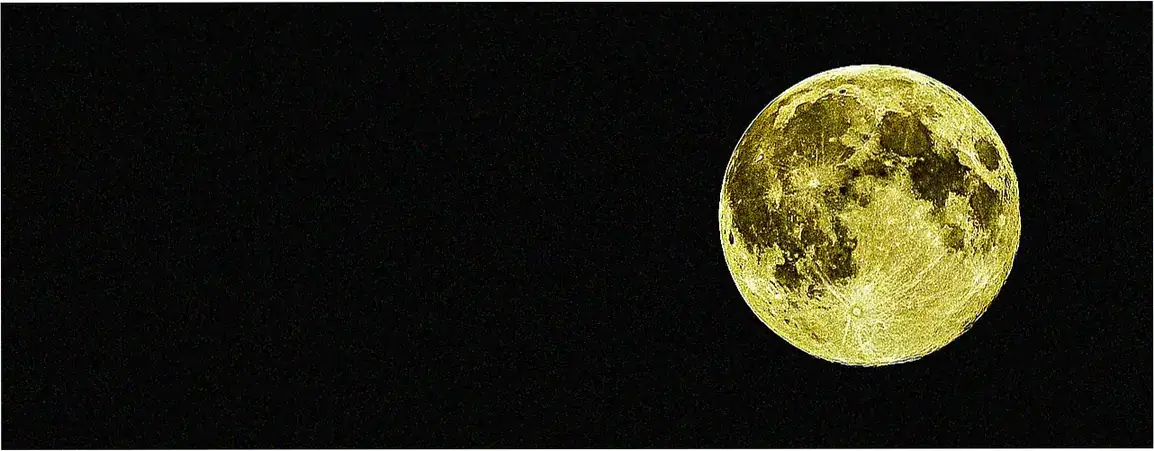
Innovative Designs and Contemporary Applications
Today’s lantern designs use new tech but still respect the old ways they look. LEDs let them do color changes and cool effects that were impossible before.
New materials, like super strong aluminum, let them build huge lanterns over 30 meters tall for the Full Moon Lantern Festival. They use computers to design complex patterns that would be really hard to draw by hand.
Some artists make interactive lanterns. They can react to how people move or to things like the wind.
The coolest new ideas mix the old with the new. Designer Zhang Lin made these award-winning Breathing Lanterns. They have sensors that change color with the air quality. It talks about the environment but still looks traditional.
Other makers have designed lanterns that fold up. This is great for city people who don’t have much space. These new ideas keep the art form relevant and let it say more.
As Li Meng from Beijing Design Week says, the best new lanterns aren’t just old ones with tech slapped on. They use new tools to make the cultural meaning even stronger.
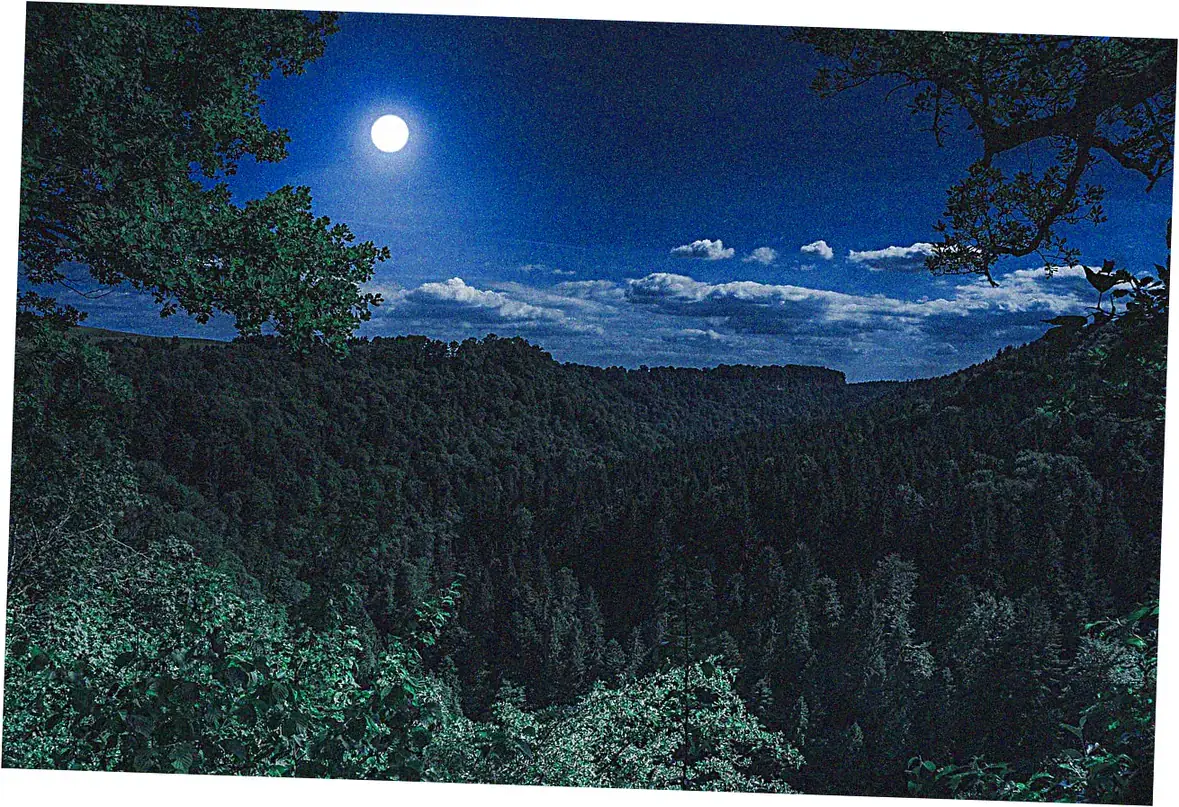
Photography Tips and Social Media Strategies
Capturing the Magic Technical Recommendations
Snapping pics at the full moon lantern festival can be tricky. You’ve got low light and lots of contrast between the bright lanterns and the dark night. Pros suggest using a tripod to keep things steady for long exposures.
Also, shoot in RAW—it gives you way more options when you edit your photos later. For your camera, try these settings: bump your ISO to 800 or 1600, open up your aperture to around f/2.
8 or f/4, and set your shutter speed between 1/30th and 1/60th of a second. The best time to shoot is during the blue hour—right after the sun goes down but before it gets totally dark. The sky looks amazing and makes the lit-up lanterns really pop.
A few composition tricks can really make your full moon lantern festival photos stand out. Try framing your shot with traditional buildings, catch reflections in water, or add people to show the scale and tell a story.
Flying a drone for those awesome aerial views usually needs a special permit in most Chinese cities. But if you can get one, the shots of the huge lantern displays from above are totally breathtaking.
When you edit your photos, just enhance them, don’t completely change them. A little tweak to the highlights and shadows can bring out the details without making them look fake or overdone. Lots of photography tours happen during the big festivals.
They can get you into great spots and you’ll get tips from local pros who know all about the lighting at each venue.
Sharing Your Experience Social Media Best Practices
Content from the full moon lantern festival can do really, really well on social media—if you do it right. Videos usually get more love than photos. Think slow-motion close-ups of the lanterns or time-lapses
showing the area packed with people—that stuff gets everyone watching and engaging. Folks on Instagram and TikTok especially love seeing both the huge, spectacular views and the tiny, cool details.
Mix it up—show a wide shot of the whole scene, then zoom in on the amazing craftsmanship. Tag the exact location of the festival—it helps more people find your post. And use hashtags! #LanternFestival, #ChineseCulture, and tags for the city will get your post seen by way more people.
When you post matters. Putting stuff up during the festival itself gets a lot of attention naturally. But posting later, when people are dreaming about their next trip, can also work really well.
Write captions that tell a story about what the full moon lantern festival means, don’t just say what’s in the picture. People connect with that and are more likely to comment and share.
Teaming up with local tourism groups or culture organizations could score you access to the best spots or let you see the setups before everyone else. Heads up: if you want to share drone footage commercially, you often need special permission.
Always double-check the rules before you post any aerial shots from the full moon lantern festival.
Sustainable Tourism and Cultural Preservation
Environmental Initiatives and Eco-Friendly Practices
Full moon lantern festivals are getting bigger and more popular, so people are really thinking about the environment now. That’s sparked some major green initiatives.
They’ve mostly swapped out the old-style lanterns that used candles and throwaway stuff. Now you see LED lights and frames you can use again and again.
Big festivals, take the Beijing Lantern Festival for example, they do full environmental check-ups these days. They’re putting in solar-powered displays and using paints that are water-based and safe.
They’ve got special recycling setups just for festival trash. At the best-run events, over 80% of stuff gets recycled.
But switching to eco-friendly ways hasn’t been all smooth sailing. Some traditionalists say LED lights just don’t have that cozy, flickery feel of real candles. They think new materials take away from the real deal.
But most folks in charge have found a middle ground. Like at the Palace of Tranquil Longevity, they hide LED systems so well you can’t tell – they look just like candles but are much safer.
Festival organizer Chen Wei puts it like this: We’re not trying to kill tradition. We just want to help it grow up responsibly. So we use bamboo from forests that are looked after, dyes that aren’t toxic, and lights that save energy.
But we keep the classic designs and old-school crafting methods. This way, the full moon lantern festival can keep going for our kids and grandkids, without hurting the planet.
Supporting Authentic Cultural Experiences
Money from tourists is super important for keeping lantern festival traditions alive. But you gotta handle it carefully, or it can get too commercial and lose its soul. If you want to help, pick activities that focus on real skill, not just big shows.
Go to workshops where masters teach the old ways. Check out smaller local festivals, not just the huge city ones. And buy straight from the artists co-ops, not those cheap, factory-made souvenirs.
Lots of preservation groups have adoption programs too. You can chip in to help a specific artisan train new apprentices.
The experts suggest a simple plan: first, just see the amazing sights. Then, learn what it all means on a tour or at a museum. Finally, support the cause by buying smart or making a donation.
The Intangible Cultural Heritage movement has already stepped in. They’ve named lantern making a protected art in lots of places, which helps funnel money into keeping it alive. How do you know you’re backing the real thing?
Look for the official cultural heritage seal on workshops and the stuff they sell. Dr. Liu Hong from the China Cultural Heritage Foundation says it best: The best trips happen when tourists and locals really connect and share culture, not when visitors just consume stuff.
Conclusion and Next Steps
China’s Full Moon Lantern Festival is absolutely stunning and packed with culture. It’s an unforgettable experience whether you’re from China or visiting from abroad.
You’ll see everything from traditional imperial celebrations at Beijing’s Palace of Tranquil Longevity to Chengdu’s cool modern displays. It really shows how these ancient traditions keep evolving while staying true to their roots.
But it’s not just about the visuals. The festival is really about family, hope, and new beginnings – stuff that everyone can connect with, no matter where you’re from.
When planning your visit, keep in mind that the best moments come from really diving into the culture, not just watching from the sidelines. Try learning some Chinese lantern riddles, make some yuanxiao
dumplings, and really get what all those amazing displays actually mean. Whether you’re snapping pics for Instagram or just soaking up the vibe, this festival gives you a special connection to Chinese culture and history.
Make sure to check official tourism sites for dates and booking info – the really good stuff usually needs reservations ahead of time. Your magical lantern adventure is waiting for you!
Got questions about the Full Moon Lantern Festival? Here are some common ones!
Wondering where’s the best place to catch the Full Moon Lantern Festival in China?
Lots of cities put on amazing shows, but Beijing and Chengdu are definitely top picks for visitors. In Beijing, check out the Palace of Tranquil Longevity inside the Forbidden City. You’ll get a real imperial celebration that’s totally authentic.
Chengdu mixes classic Sichuan lantern traditions with cool modern displays. Plus, the weather’s nicer there in winter. Smaller spots like Zigong have specialized lantern festivals that really focus on craftsmanship.
How early should you book your Full Moon Lantern Festival trip?
For premium spots like the Palace of Tranquil Longevity, book 3-4 months ahead through official sites. Regular festival access needs less time, but book your hotel at least 2 months early, especially for weekends.
Travel gets crazy around the festival, so book your transport early – especially high-speed trains between big cities.
Is the Full Moon Lantern Festival good for little kids?
Definitely! These festivals are perfect for families, with tons of activities just for kids. Most places have special kids zones with interactive stuff, lantern-making workshops, and traditional games.
Safety is top-notch too – they use LED lights so there’s no fire risk. Stroller access depends on the venue

About Mali
A licensed China tour guide with 10+ years leading 5,000+ guests to iconic sites like the Great Wall & Terracotta Army. Expert in seamless tours, cultural insights, and VIP access!