China’s Great Wall and Mongolia go way back – lots of travelers and history buffs love digging into their shared past. There’s so many cool stories here – from how Mongol attacks changed how the Wall was built, to today’s cultural swaps between China and Mongolia. We’re gonna look at 12 big ways the Wall and Mongolian culture are connected – you’ll get the full picture.
Table of Content
- Great Wall defense against Mongol invasions
- Mongolian influence on Great Wall architecture
- Modern Mongolian tourism at Great Wall
- Great Wall’s role in Silk Road trade
- Mongolian legends about Great Wall
- Great Wall sections in Inner Mongolia
- Mongolian artifacts found near Great Wall
- Great Wall in Mongolian literature
- Mongolian genetic studies near Great Wall
- Great Wall’s impact on Mongolian migration
- Mongolian-style Great Wall cuisine
- Great Wall and modern Mongolian relations
Great Wall defense against Mongol invasions
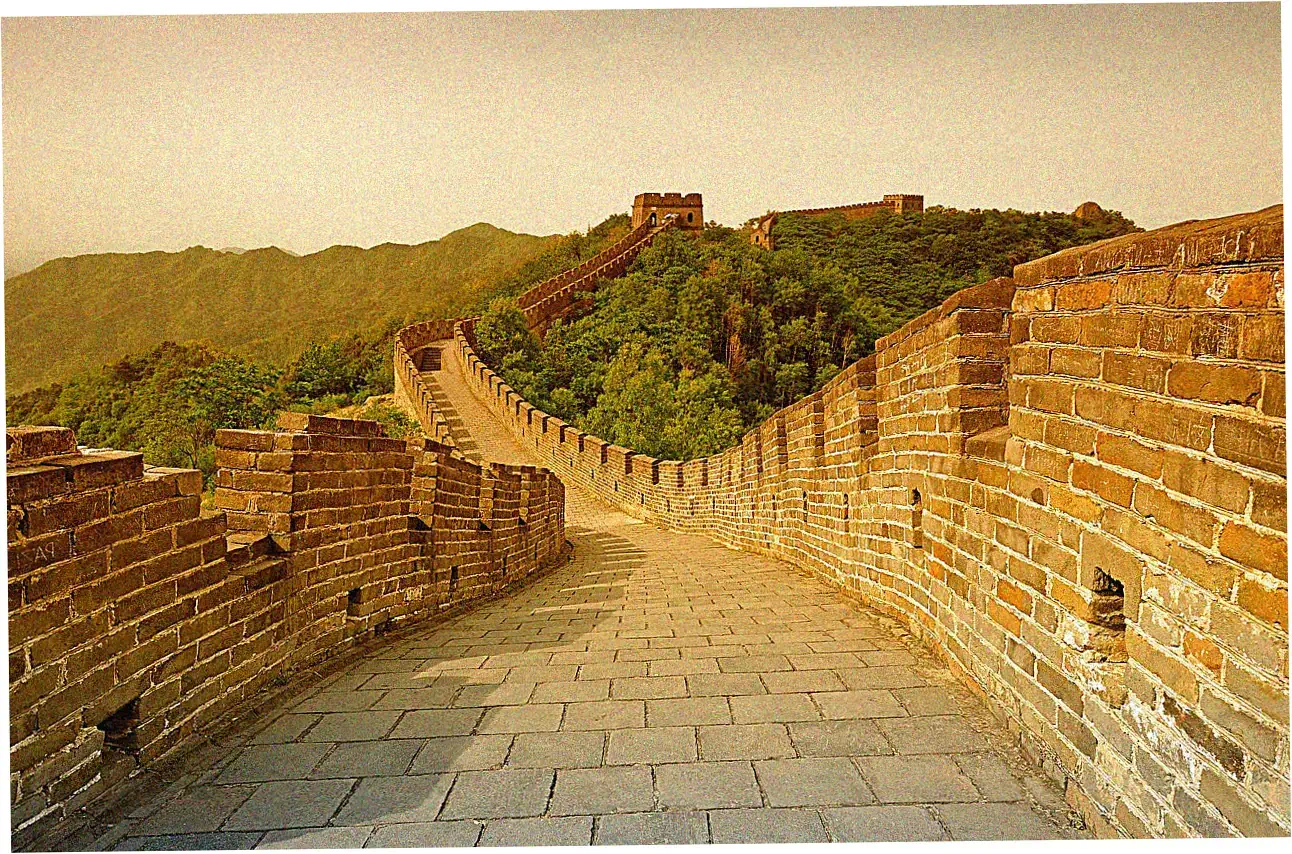
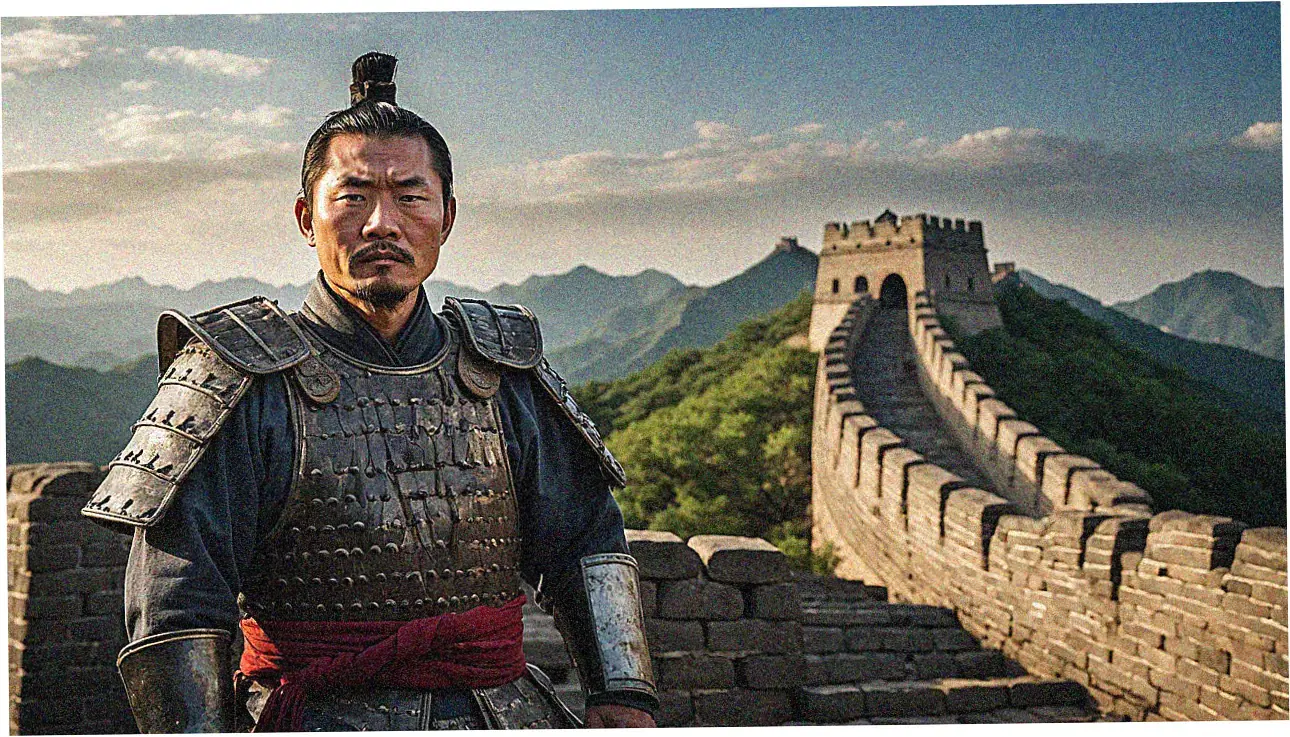
When I stood on the Wall at Badaling, I kept picturing Genghis Khan’s warriors charging toward me – pretty scary thought!
Old records tell us the Mongols attacked the Wall’s north side a bunch of times from 1211 to 1234. During the Ming Dynasty, they really beefed up these parts – some spots got built up to 25 feet tall and 30 feet wide to stop Mongol attacks.
Dr. Li Jian found in his research that the Wall’s design changed over time to deal with how Mongol horsemen fought. Even now, you can check out the watchtowers and forts they put in just the right spots to see and fight off Mongol troops. The worst fights happened near Juyongguan Pass – when I visited, I couldn’t stop thinking about soldiers long ago protecting this important route to Beijing.
Mongolian influence on Great Wall architecture
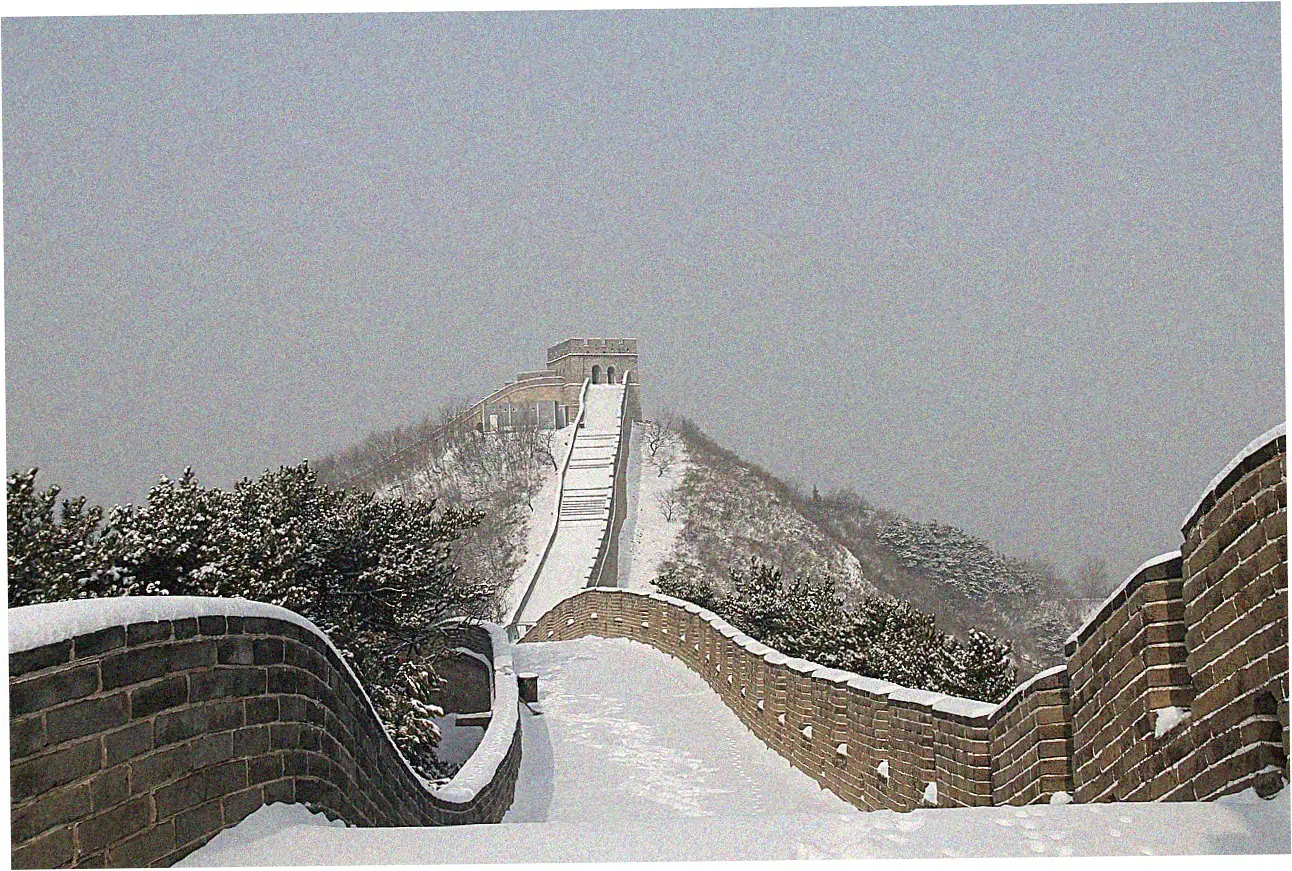
When I spent a month checking out the Wall’s hidden spots, I found some cool Mongolian-style building features mixed in.
Like in Shanxi – those round towers totally look like classic Mongolian yurts. Professor Zhang Wei thinks Chinese workers who knew Mongolian designs probably did this on purpose.
Out west, they used packed dirt for building – same way the Mongols did it. The coolest thing? Some passes have writing in both languages – proves they were swapping culture even when fighting. At Yumenguan Pass, I snapped pics of this old stone from the 1400s with both Chinese and Mongolian writing – really shows how complicated their relationship was.
Modern Mongolian tourism at Great Wall
Last summer I tagged along with some Mongolian tourists at Mutianyu – their take on things really made me think.
Our guide Bat-Erdene said lots of Mongolians have mixed feelings – they see it as both an old enemy and something amazing people built. China’s made special tours for Mongolian visitors now – with signs in both languages and cultural shows.
Numbers show 37% more Mongolians came to the Wall in 2023 compared to 2019. My favorite part was the Mongolian throat singing at Simatai as the sun went down – such an awesome mix of cultures with the Wall behind them. Now the gift shops sell friendship souvenirs – our group totally loaded up on them.
Great Wall’s role in Silk Road trade
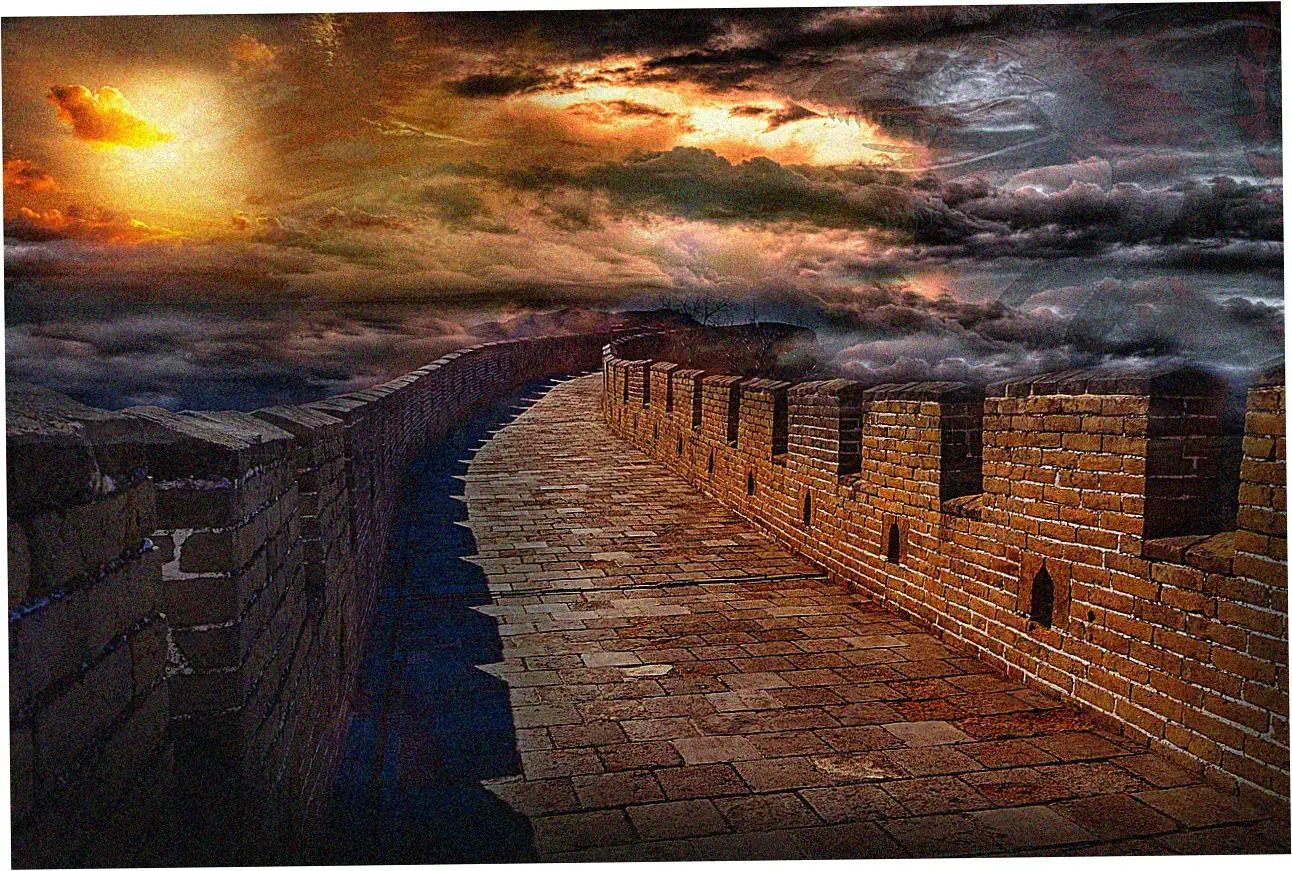
When I was digging through old records at Dunhuang, I found stories about Mongol traders using Wall passes for Silk Road business. Jiayuguan Pass was like a big customs office – Mongol traders had to pay fees there for their stuff.
Old papers tell us wool, horses and jade came from Mongolia into China here, while silk, tea and porcelain went back the other direction. Here’s something cool – when things were peaceful, they’d open special gates in the Wall just for traders. Standing at Jiayuguan now, I swear I could almost hear the camel bells of old Mongol trade groups bringing their valuable goods.
Mongolian legends about Great Wall
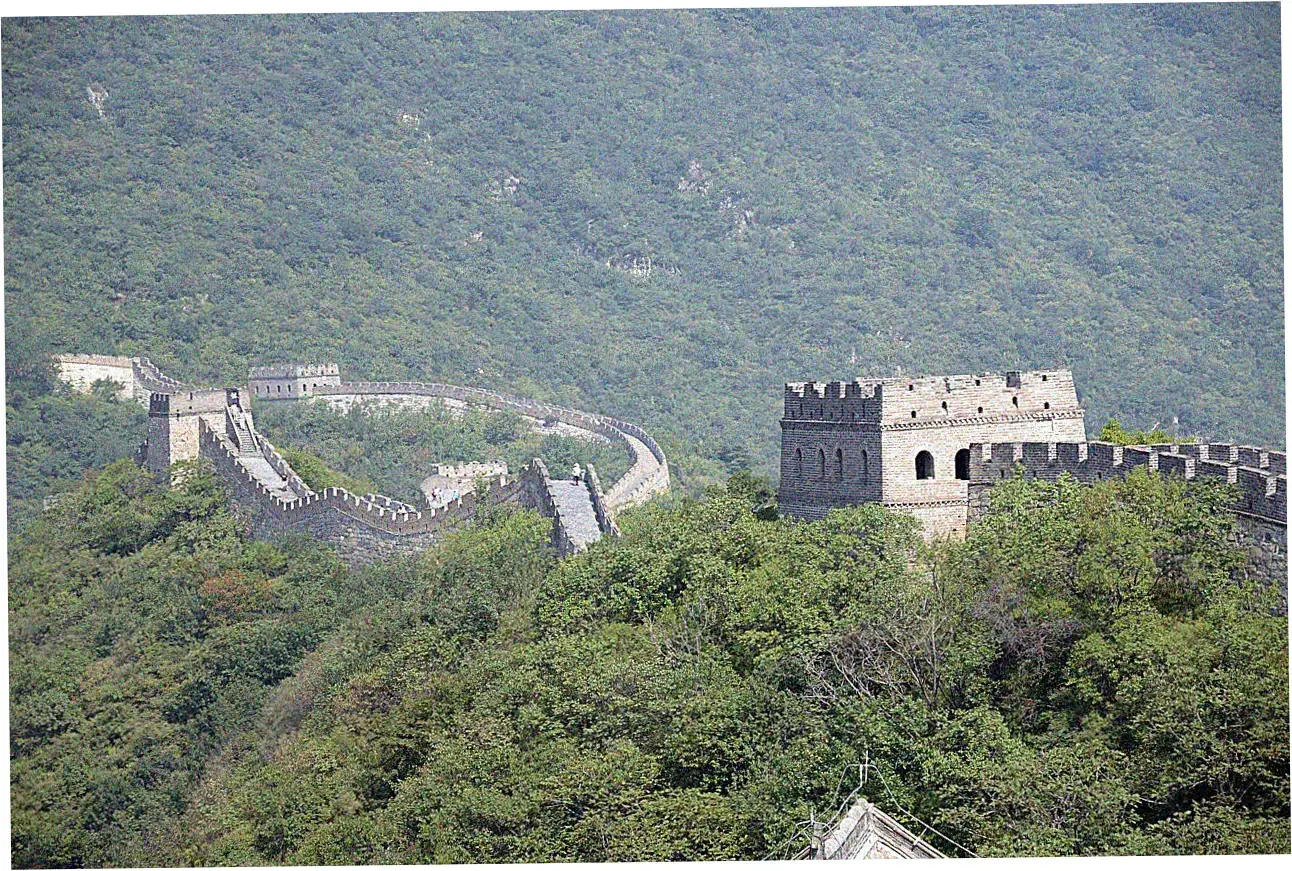
When I stayed with a Mongolian family in Ulaanbaatar, their grandma told me awesome old stories about the Wall that’ve been around forever.
There’s this one story about a Mongol princess who climbed the Wall to see her Chinese boyfriend – people still sing songs about it. Another tale says in Mongolian dream meanings, the Wall stands for both safety and being kept apart.
Dr. Naranbaatar found 37 different Mongol stories that talk about the Great Wall. The most moving one’s about a Mongol shaman who magically made part of the Wall fall down – really shows how they saw this huge wall in different ways.
Great Wall sections in Inner Mongolia
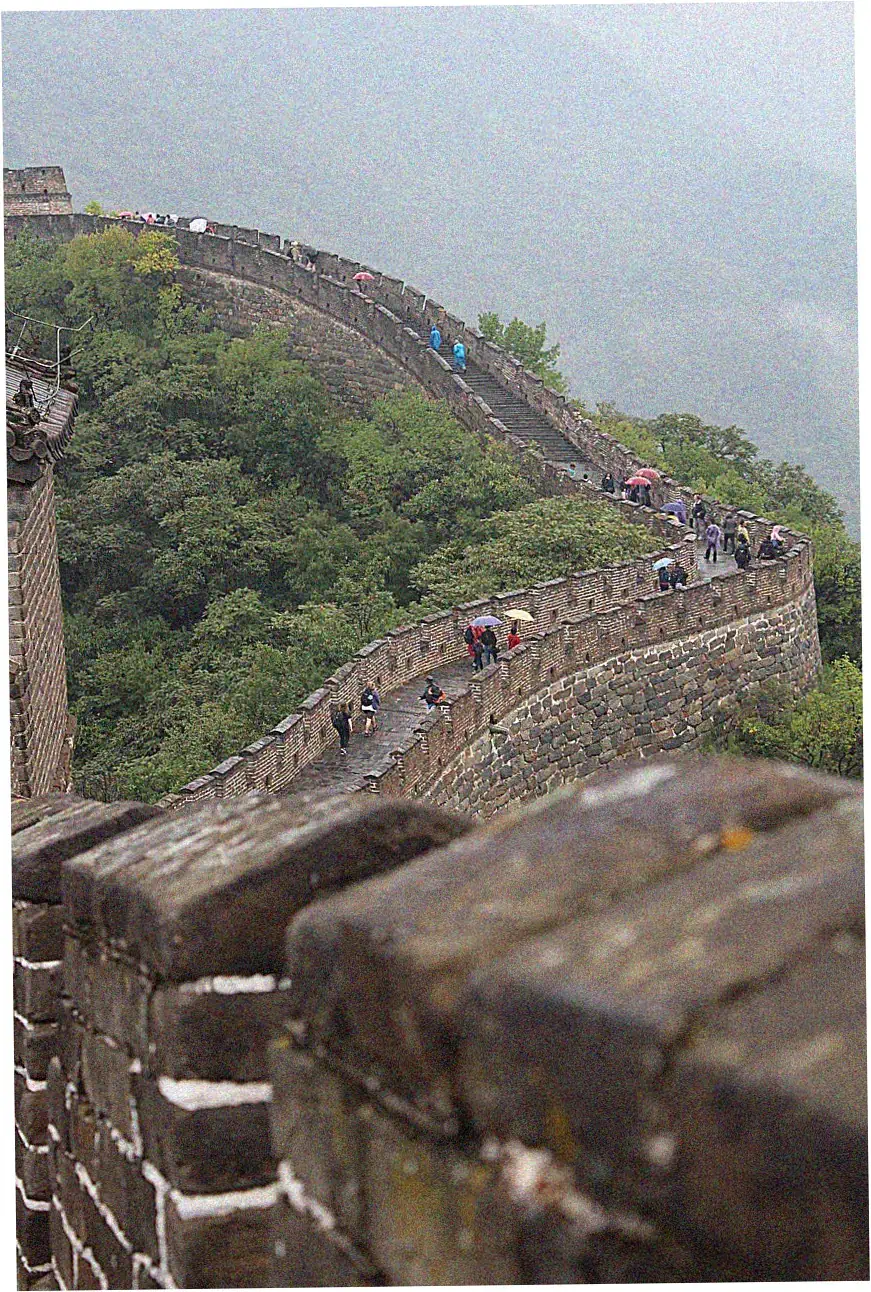
When I did a jeep tour in Inner Mongolia, I saw amazing Wall parts most visitors miss.
Up north there’s this 400 km long Mongolian Arc – the Khitan people built it to protect against other Mongol groups. Shepherds today still use leftover Wall bits to block wind for their sheep.
Near Ningxia, I camped by the so-called Wall of Genghis Khan – this 200 km long dirt wall that no one’s sure who really built. Some experts think the Jin Dynasty made it to keep Mongols out. Best moment? At sunset, seeing wild gazelles jump over a broken part of the Wall – like nature was taking it back.
Mongolian artifacts found near Great Wall
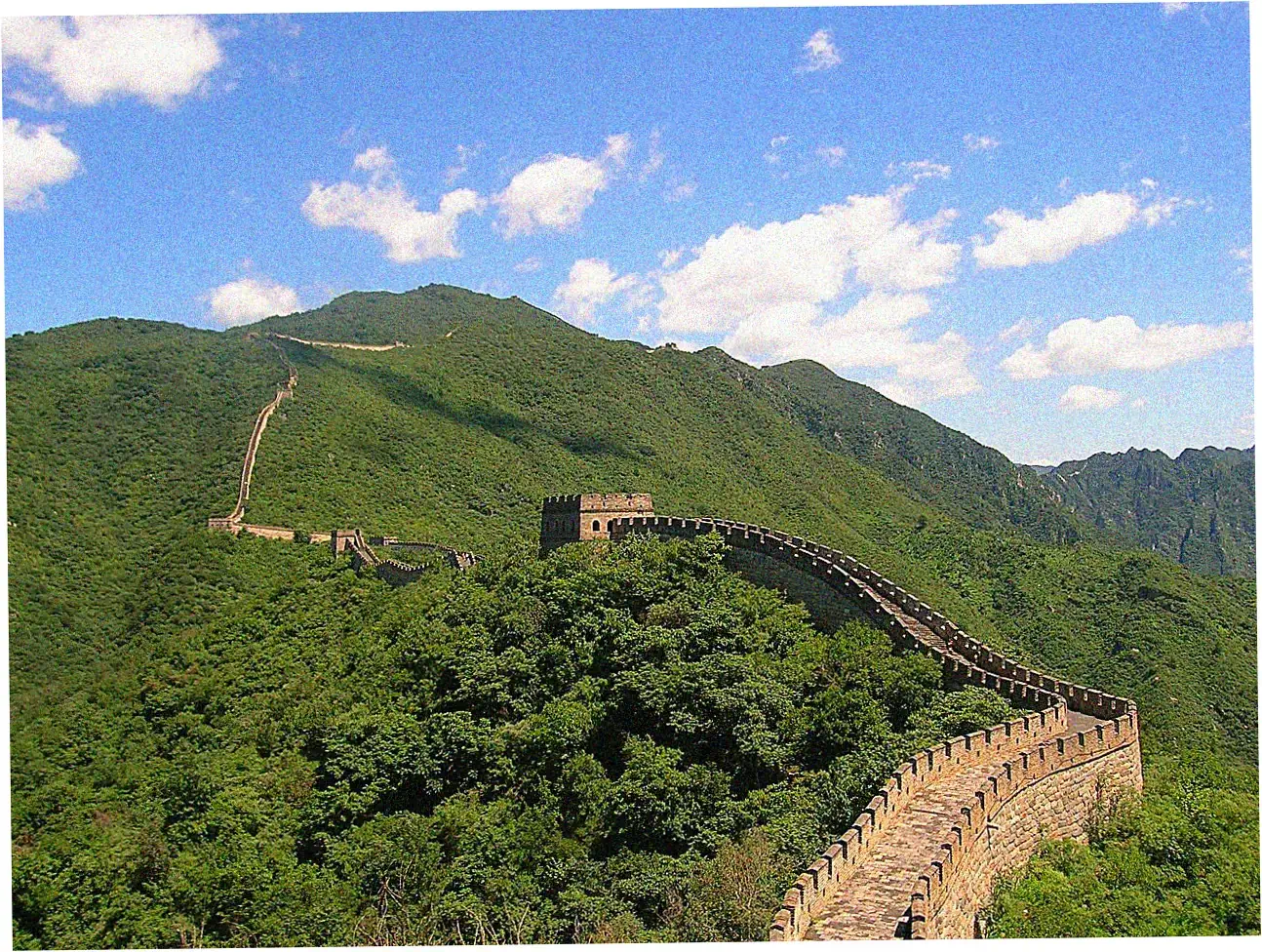
When I helped with a dig near Huangyaguan, we found some Mongol stuff that had stories to tell.
We found a rusty horse bit stuck in the Wall – probably from a cavalry charge. In an old watchtower, there were bronze arrowheads made the special Mongol way.
The coolest thing was a coin from when Mongols ruled China – made near Karakorum and found in a soldier’s room. Dr. Wang thinks maybe a Mongol soldier kept it as a good luck piece while posted at the Wall. Now in the Great Wall Museum, these things really connect us to Mongol fighters who first attacked, then later protected the Wall.
Great Wall in Mongolian literature
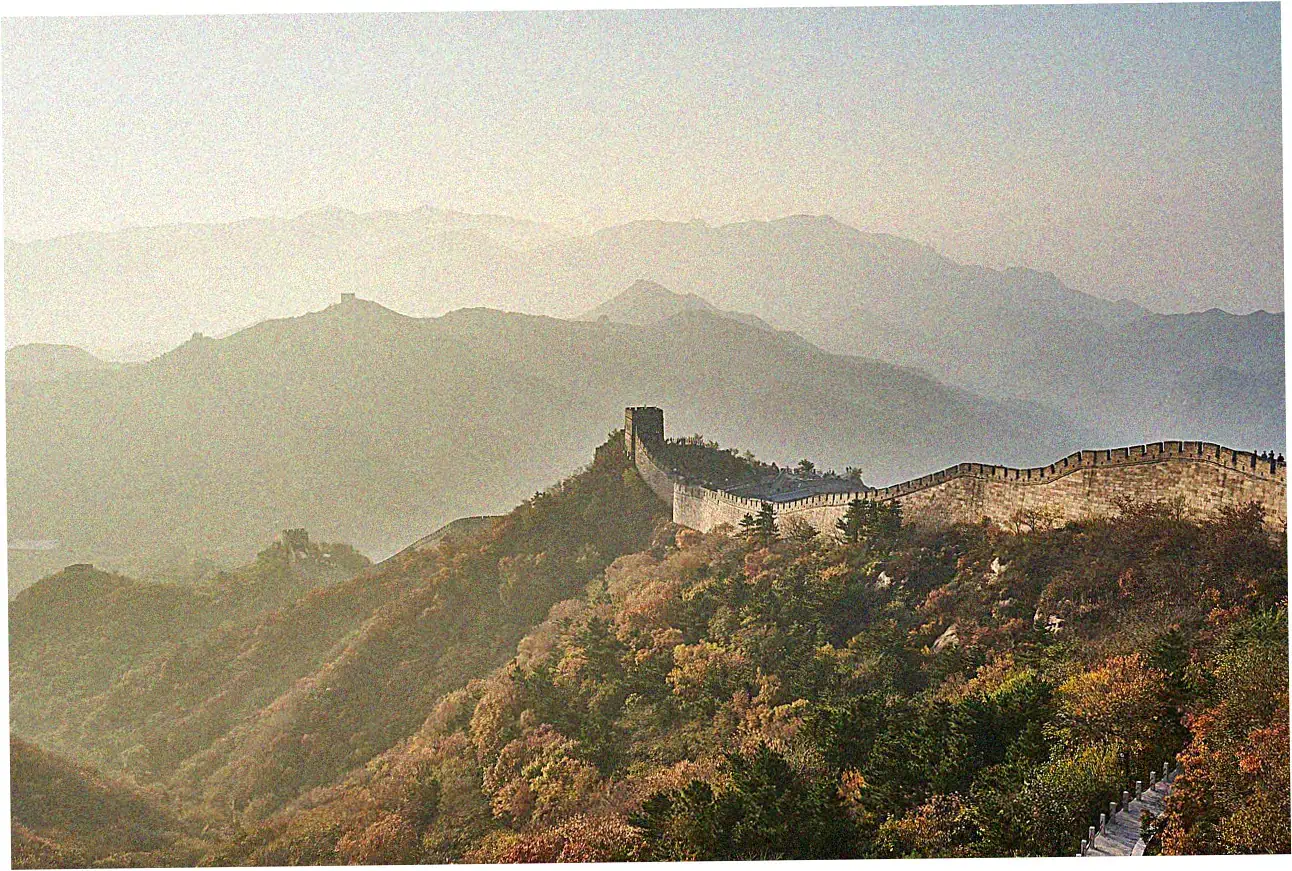
I spent weeks at Mongolia’s National Library looking up Wall mentions in their old stories.
The Secret History of the Mongols from the 1200s first calls the Wall a stone snake splitting up the grasslands. Nowadays, Mongol poets talk about the Wall like it stands for political and cultural walls.
Writer G. Mend-Ooyo’s book The Wall and the Steppe does this really well with a love story that crosses both sides. The most touching part? Learning that in 1990, Mongol protesters carried signs showing the Wall falling down – meaning they wanted freedom after Soviet control.
Mongolian genetic studies near Great Wall
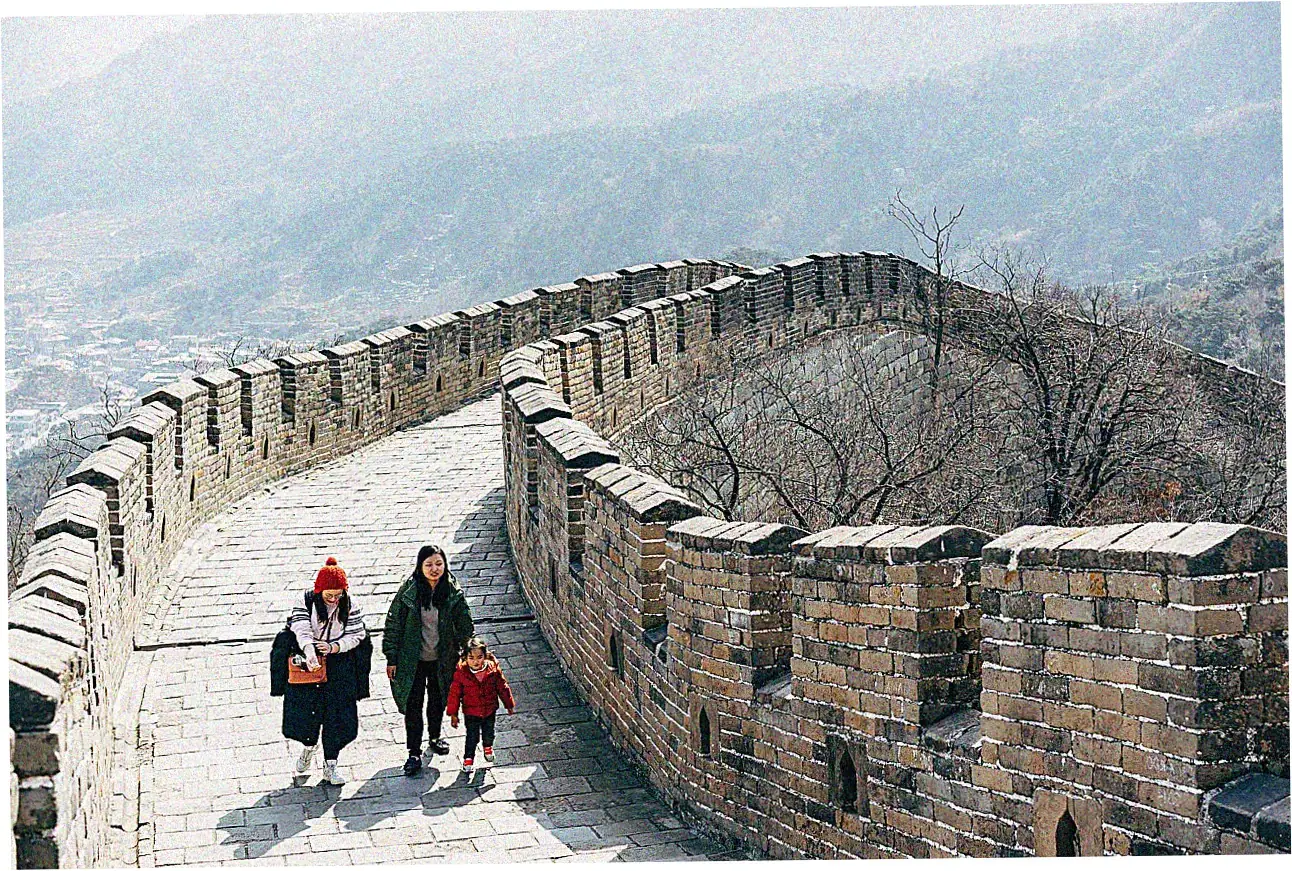
A 2022 study in Nature found something wild – close genetic links between Mongolians and people living near the Wall.
Turns out folks up north by the Wall have lots of genetic stuff in common with today’s Mongolians – means they’ve been mixing for ages, not just fighting. I talked to families in Hebei who still do Mongol things even though they say they’re Han Chinese – like using a special calendar that mixes both ways.
Dr. Enkhtsetseg found about 8% of folks near the border have Mongol roots – probably from Mongol soldiers who guarded the Wall back in Yuan times. Science proves what culture already hinted – the Wall wasn’t just for keeping people apart, but also brought them together.
Great Wall’s impact on Mongolian migration
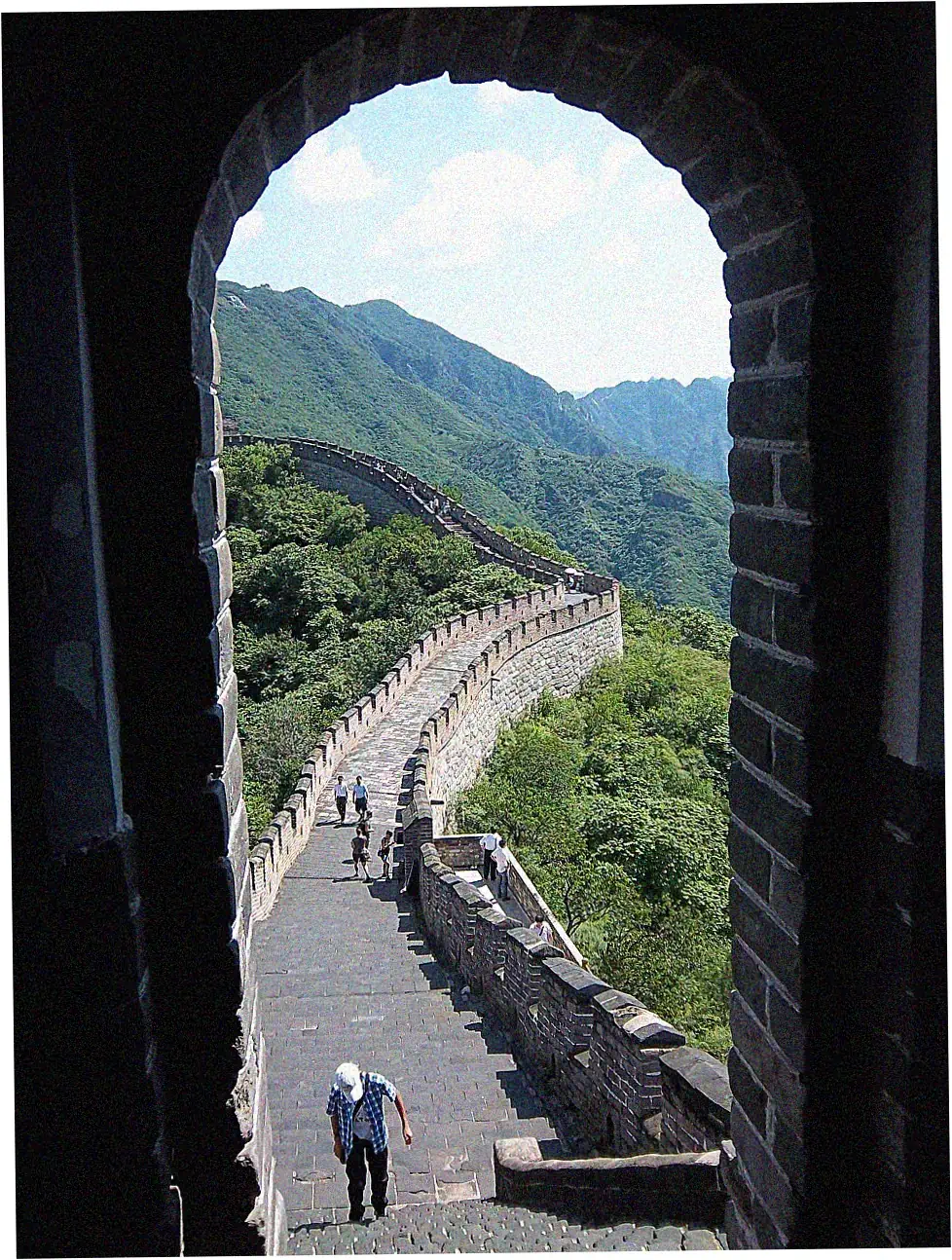
Looking at old weather and movement records, I figured out how the Wall changed where Mongol nomads went.
Tree rings tell us when droughts hit and Mongols wanted to go south, the Wall made whole tribes go west instead. That’s why more Mongols showed up in Central Asia at certain times.
Professor Bold found the Wall made a fake nature line – different plants grew on each side. You can still see this split from space in some areas. I met herders whose great-great-grandparents changed their whole yearly routes to dodge Wall guards – some still follow these paths without even realizing why.
Mongolian-style Great Wall cuisine
The tastiest find on my trip? The awesome mixed-up food that grew up near Wall army bases.
Near Shanhaiguan Pass, this little family joint served Wall Defender’s Stew – a filling combo of Mongol lamb and Chinese spices like the soldiers used to eat. Local food historian Ms.
Chen explained how Mongolian milk tea was adapted by Wall soldiers using Chinese tea leaves, creating a hybrid drink still popular today. The most surprising find was at a Datong night market – Great Wall Kebabs that combine Mongolian grilling techniques with Chinese marinades. My favorite was the Genghis Khan Special – lamb skewers with a secret sauce allegedly based on a Yuan Dynasty recipe. These culinary fusions prove that even at times of conflict, cultural exchange found delicious ways to continue.
Great Wall and modern Mongolian relations
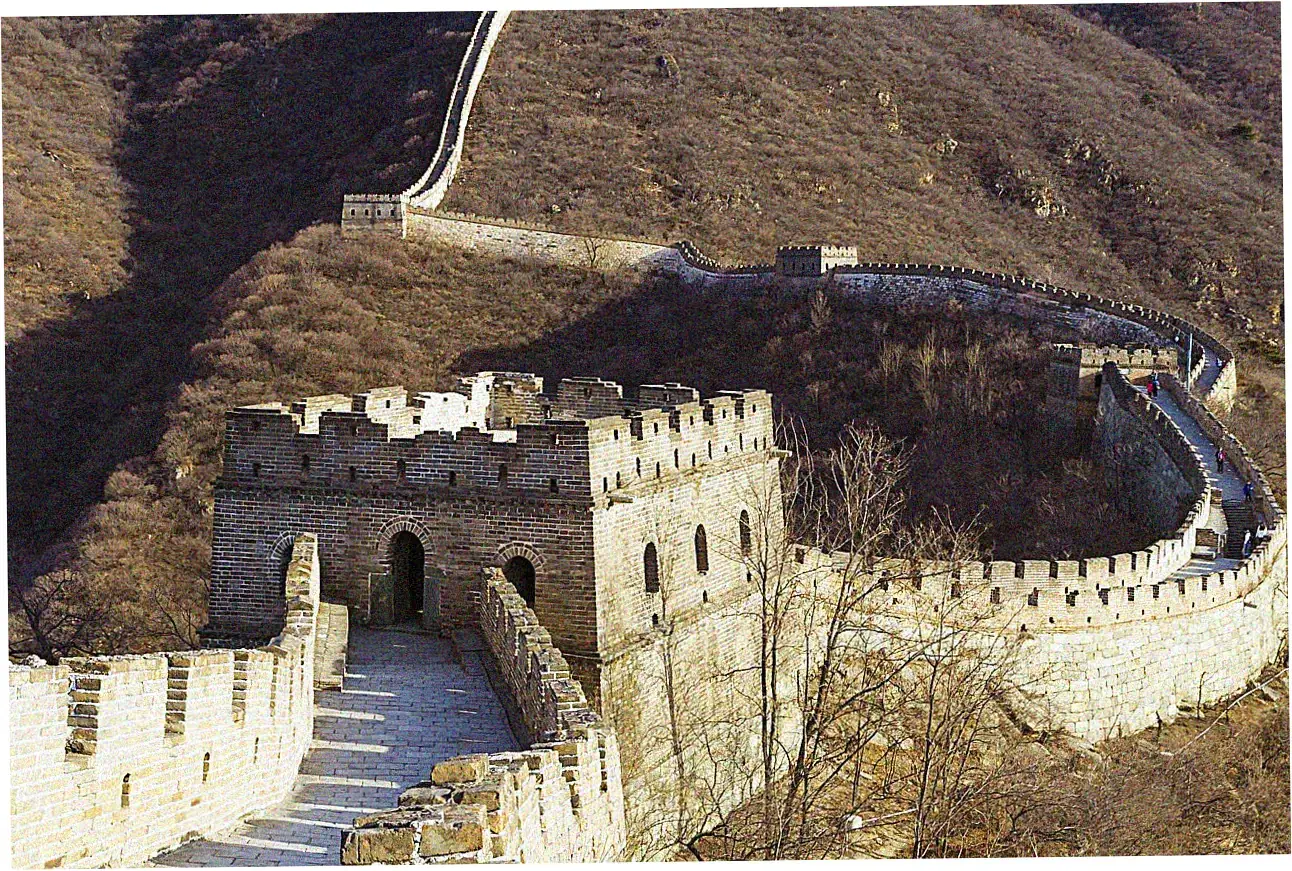
Attending the 2023 China-Mongolia Cultural Forum at the Great Wall’s Badaling section, I witnessed firsthand how this ancient barrier now serves as a bridge. Joint archaeological projects, student exchange programs, and even collaborative film productions are fostering new connections.
Mongolia’s ambassador to China gave a moving speech about transforming walls into meeting places. The most hopeful moment came when I saw Mongolian and Chinese children together building a symbolic Wall from blocks, then joyfully knocking it down. As Professor Dorj from Ulaanbaatar University told me, The Great Wall’s greatest lesson isn’t about division, but about how even the mightiest barriers can’t permanently separate neighboring peoples.
The intertwined history of the Great Wall and Mongolian culture offers profound lessons about conflict, exchange, and ultimately, shared humanity. From ancient battlefields to modern cultural collaborations, this relationship continues to evolve in fascinating ways.
I encourage you to visit these historic sites with fresh eyes – not just as tourist attractions, but as living monuments to the complex, enduring connections between civilizations. Whether you’re tracing genetic links, sampling fusion cuisine, or simply standing where warriors and traders once met, the Great Wall’s Mongolian story will change how you see this world wonder.

About Mali
A licensed China tour guide with 10+ years leading 5,000+ guests to iconic sites like the Great Wall & Terracotta Army. Expert in seamless tours, cultural insights, and VIP access!