Most folks picture China’s Great Wall as those northern bits snaking through the hills. But guess what? There’s a whole southern part most don’t know about! I stumbled on this fact while nerding out over Ming Dynasty war stuff.
Table of Content
- Where exactly is Southern Great Wall located?
- Why was Southern Great Wall constructed?
- How does Southern Great Wall differ architecturally?
- What’s the best time to visit Southern Great Wall?
- Are there tours available for Southern Great Wall?
- What wildlife can you see near Southern Great Wall?
- How was Southern Great Wall rediscovered?
- What festivals happen near Southern Great Wall?
- Can you hike entire Southern Great Wall length?
- What museums cover Southern Great Wall history?
- How is Southern Great Wall being preserved?
- What photography tips work for Southern Great Wall?
Down in Hunan, there’s this 190km wall nobody talks about – a hidden gem of China’s past defenses. The Ming Dynasty built it to handle Miao rebellions, and it’s got cool design tweaks for the steamy southern climate. Even UNESCO says it’s just as important as the northern wall, showing how China defended different areas differently.
Where exactly is Southern Great Wall located?
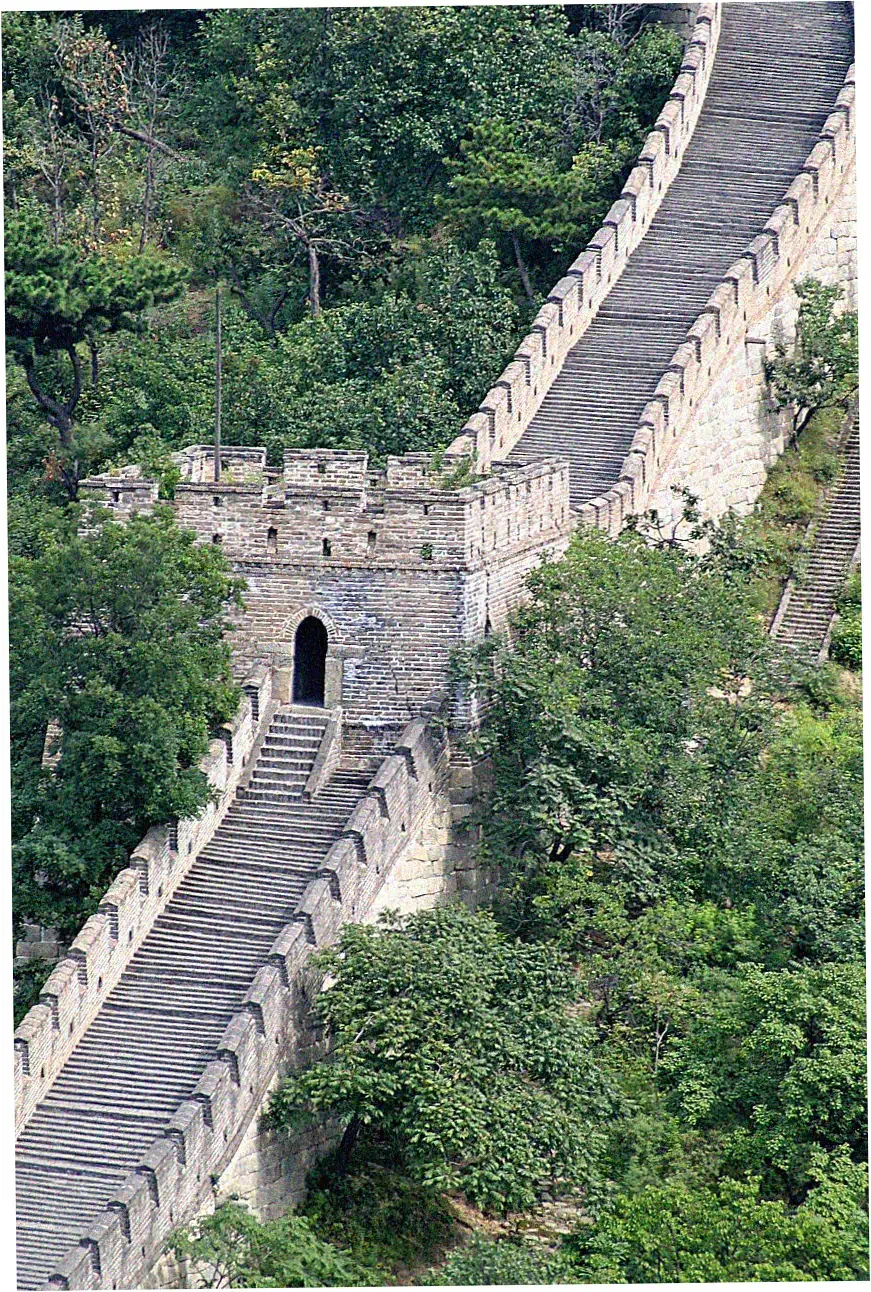
This wall winds through Hunan’s Fenghuang County – some of China’s prettiest countryside.
While the northern wall kept out nomads, this one kept Han and Miao folks apart during Ming and Qing times. My first time at Huangsiqiao blew my mind – seeing how the wall hugged those green hills showed me how builders worked with the land.
Experts say the best bits are near Fenghuang town, in what’s now the Xiangxi Tujia and Miao area. If you’re going, punch in 27°56’N, 109°36’E to find the main tourist spots. Coolest part? Miao villagers actually use parts of the wall in their daily lives – totally different from the north.
Why was Southern Great Wall constructed?
This wall tells a totally different story from the northern one.
Digging through old Ming records, I found orders from 1554 to build this wall to stop Miao uprisings. A Peking U professor told me it was about keeping cultures separate, not just defense.
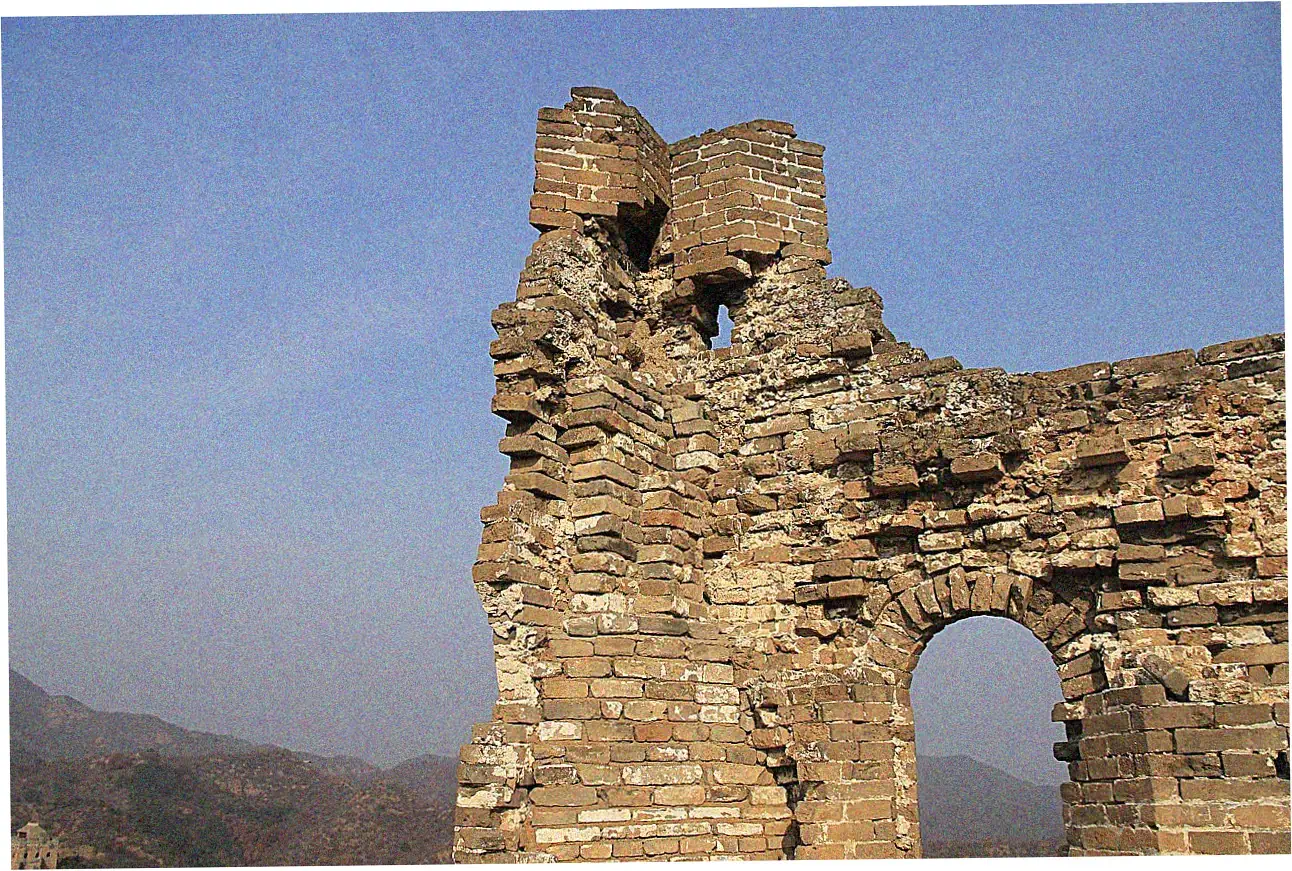
It made a safe zone for Han farmers while keeping Miao people in the mountains. At Laoyingpo, I saw the watchtowers face inward – toward Miao land – unlike the north’s outward-facing ones. That little detail says everything about why this wall’s different. Officially, it’s called a political border wall – totally unique in China.
How does Southern Great Wall differ architecturally?
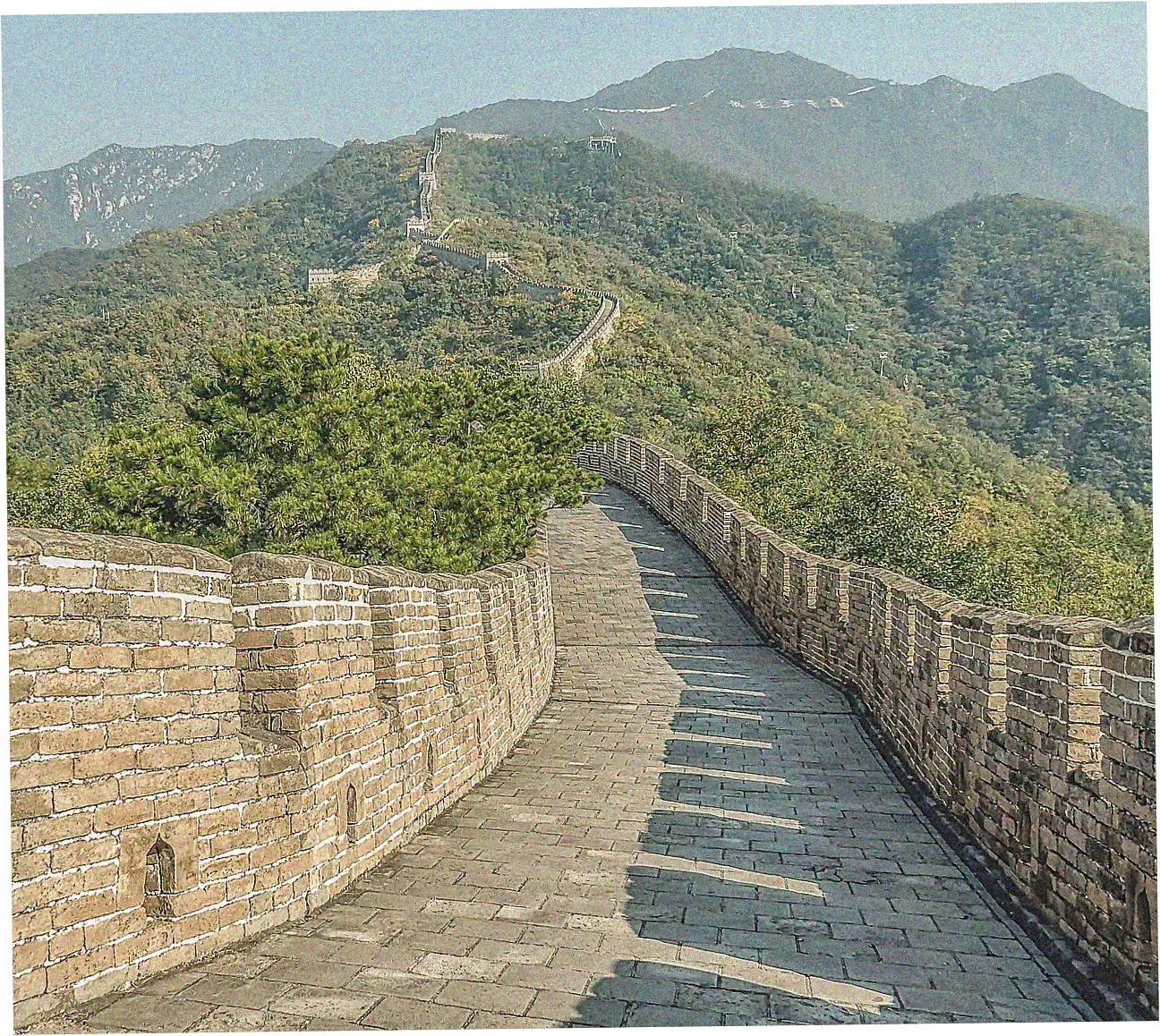
After seeing both walls, the southern one’s building style really stood out.
The north used stone and packed dirt for cavalry defense, but down south they used local bluestone and slate. An architect told me it’s only 3 meters high (north is 7-8m) since it fought foot soldiers, not horsemen.
The battlements are basic, and there’s more stairs for the hilly terrain. When they fixed it up in 2000, they found rice in the mortar – an old earthquake-proofing trick. The built-in drains for heavy rains? Genius move by the old builders.
What’s the best time to visit Southern Great Wall?
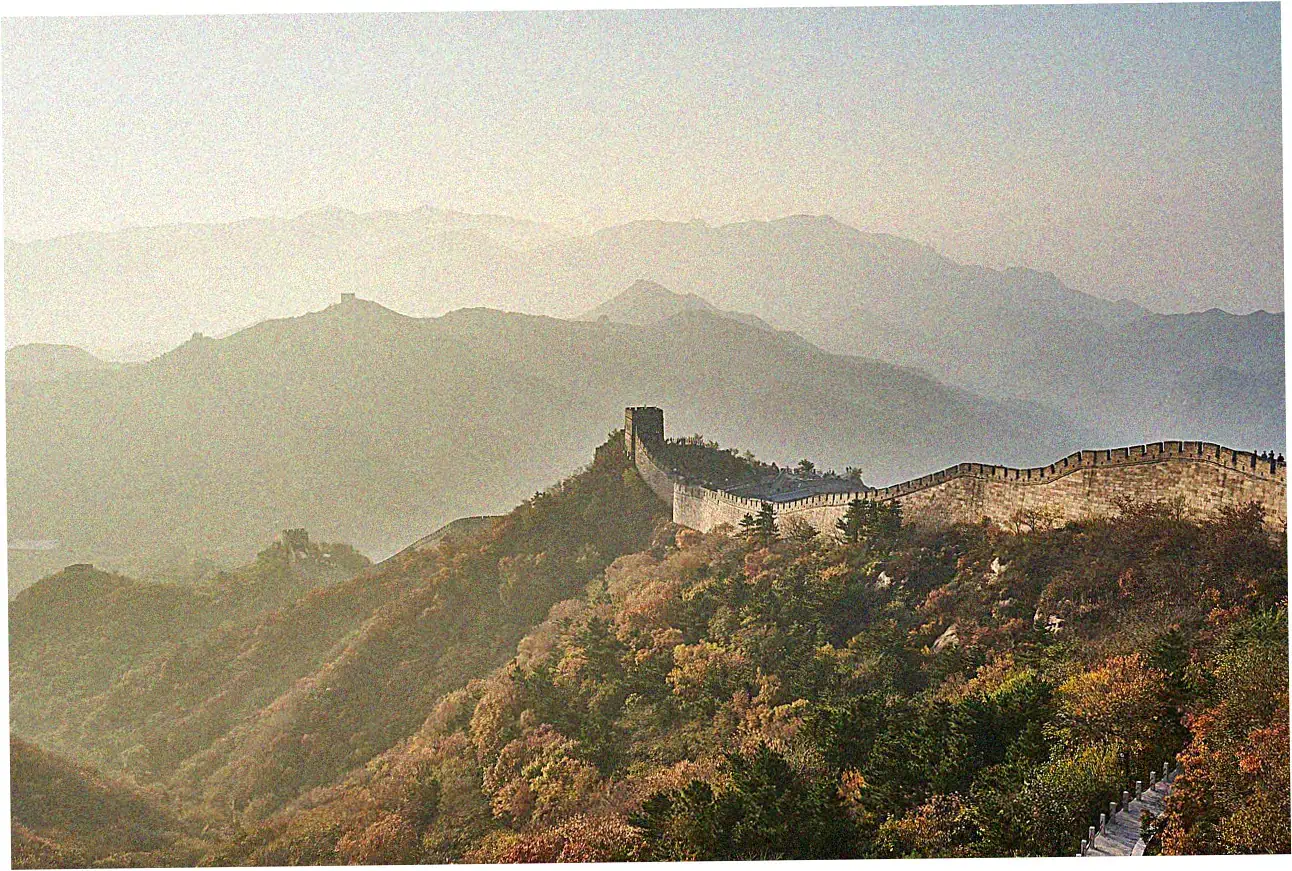
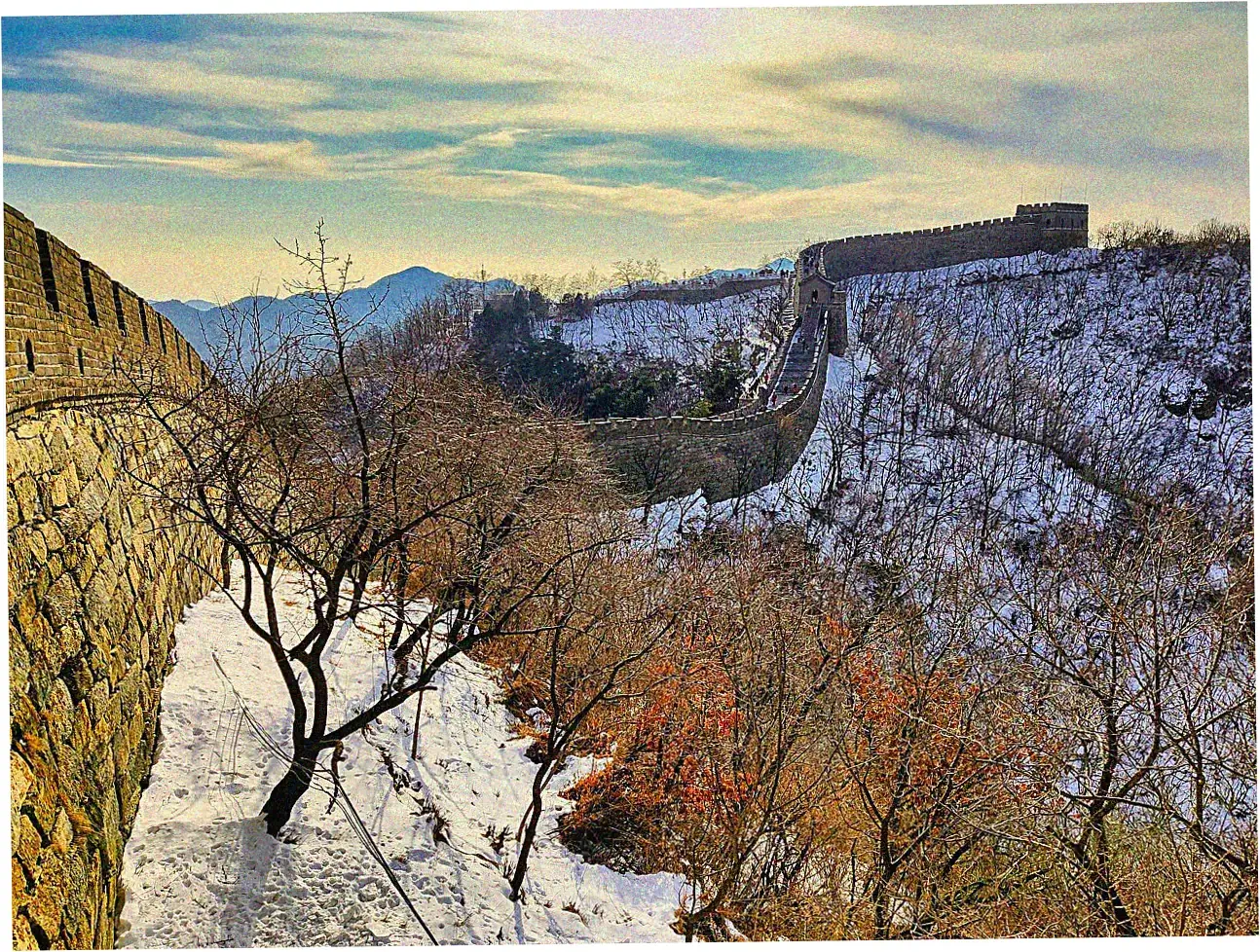
After a few tries, I’ve learned autumn (Sept-Nov) is the best time to go. Summer rains make the steps slick, and winter fog blocks the views.
Officials say spring’s nice for flowers, but watch out for holiday crowds. Best ever? A September morning when I had Qianzhou all to myself, with mist rolling up from below. Heads up – lots of spots have no shade, so pack sunscreen even when it’s cool. Weather changes fast there – I got soaked when a sunny hike turned into a storm!
Are there tours available for Southern Great Wall?
Forget the touristy Badaling part – the south keeps it real and chill.
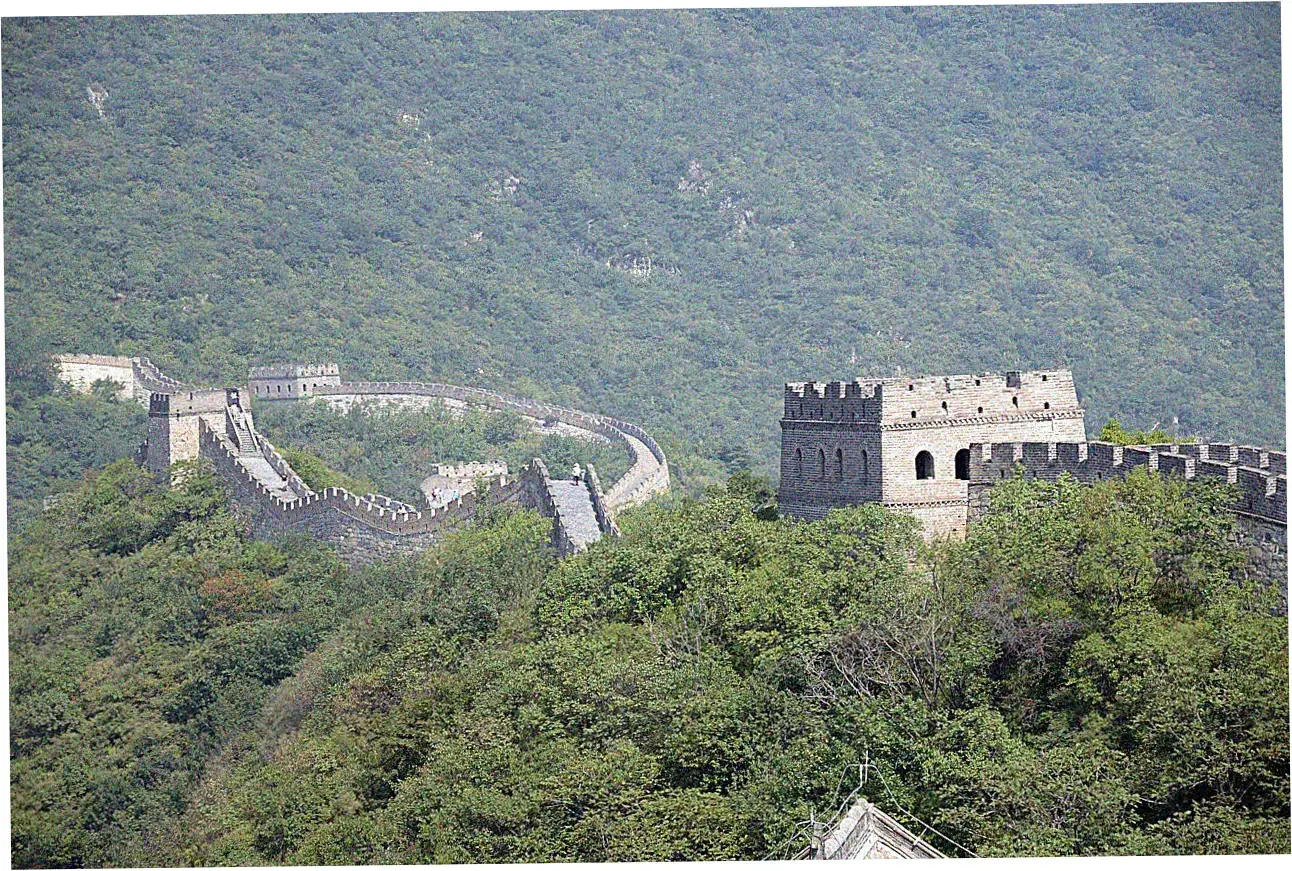
Local tour groups give half-day hikes with Miao guides telling stories you won’t find in books. Do the combo tours with village visits – it makes the wall make way more sense.
Solo travelers can grab great English maps at the Fenghuang info center. Pro tip: Get a local driver for hard-to-reach spots like Malong Valley. But check for official stickers – some drivers skip safety stuff.
What wildlife can you see near Southern Great Wall?
The wildlife along the wall shocked me – so much variety! On early hikes with researchers, we saw wild cats, fancy birds, even a huge salamander in nearby creeks.
The wall’s got unique mini-ecosystems – some mosses there grow nowhere else in Hunan. Bird nerds, bring binocs for cool local birds and sometimes kingfishers. Don’t touch anything though – it’s all protected. I watched rangers yell at some guy feeding monkeys – they’re wild, not zoo animals!
How was Southern Great Wall rediscovered?
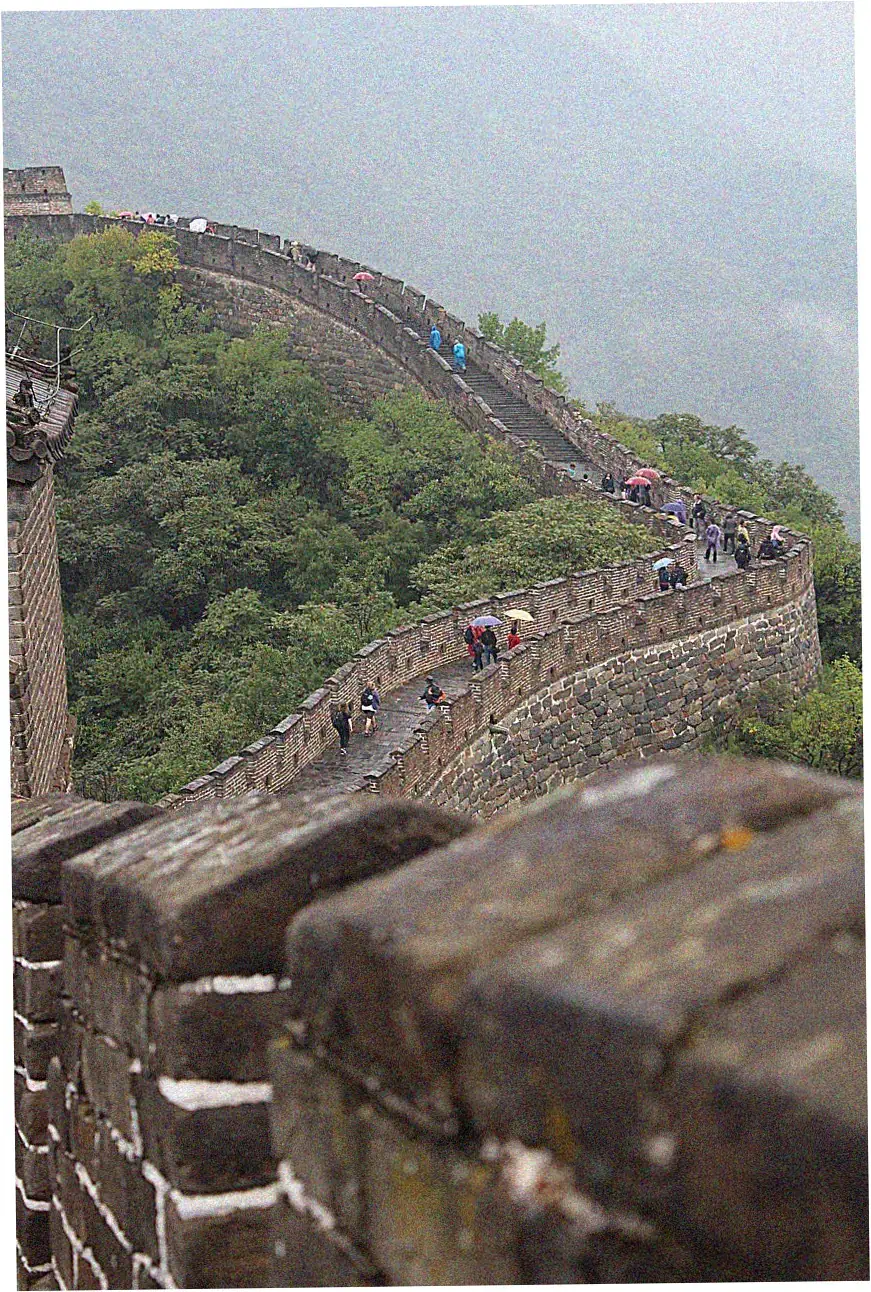
How they rediscovered this wall is like a real-life Indiana Jones tale.
Locals knew about the ruins, but in 2000 a historian tracked down old records to find the overgrown bits. His team told me about chopping through bamboo to find wall parts hidden in the jungle.
Radar scans showed the wall goes way beyond what you can see. Old government papers show they almost didn’t save it in the 50s – too controversial – but history won out. Moral of the story? Every country’s got secrets hiding in plain sight.
What festivals happen near Southern Great Wall?
Go during Miao festivals for next-level memories.
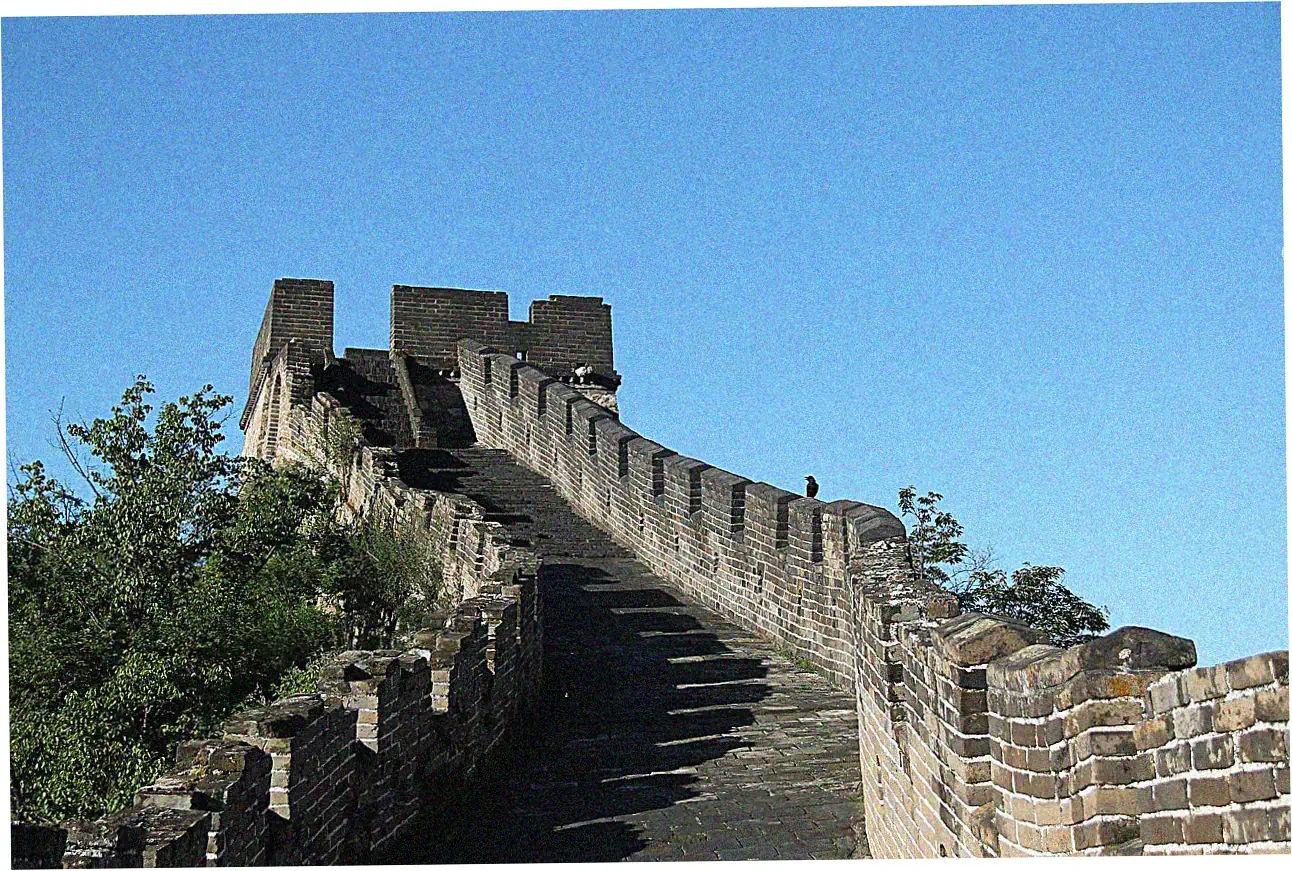
April 8th is Miao Valentine’s – young folks sing call-and-response songs by the wall. Those echoes off old stones? Chills. September has bullfights in nearby villages – epic with the wall behind them.
Photogs love February’s festival – Miao musicians play on old watchtowers, killer shots. Remember though – this is their real culture, not a show. A village elder taught me: ask before snapping pics, and don’t mess with their rituals.
Can you hike entire Southern Great Wall length?
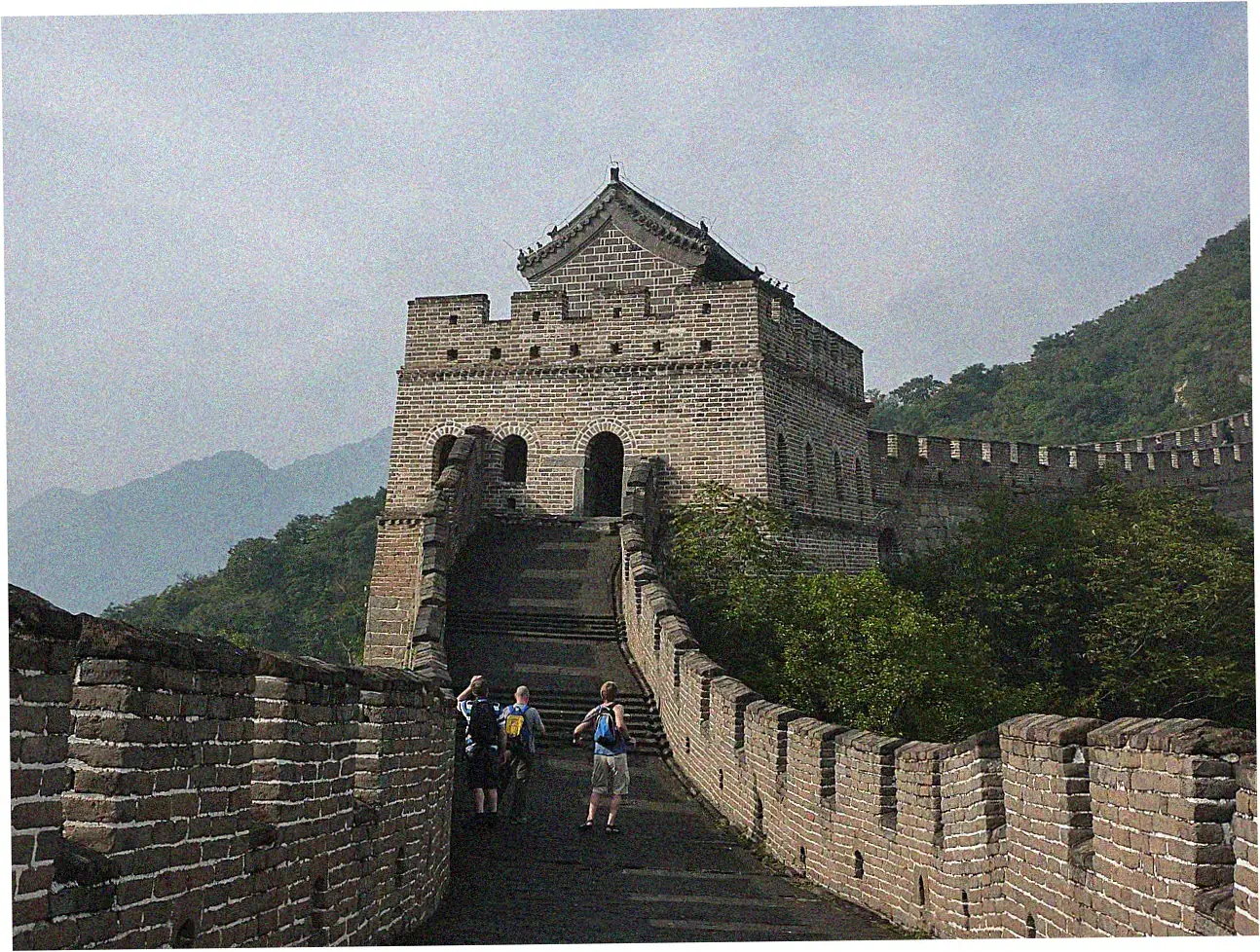
Hiking all 190km shows how awesome – and fragile – this wall is.
There’s no marked trail, but bold hikers can piece it together. In 2018, I helped document the wall for UNESCO – 18 tough days of everything from perfect towers to bits falling apart as we walked.
Local hiking clubs say only pros should try overnight trips – weather’s crazy and it’s super remote. My tip? Do day hikes unless you’ve got legit guides. Best bang for your buck? The 12km Qianzhou-Laoyingpo bit – some fixed up, some wild.
What museums cover Southern Great Wall history?
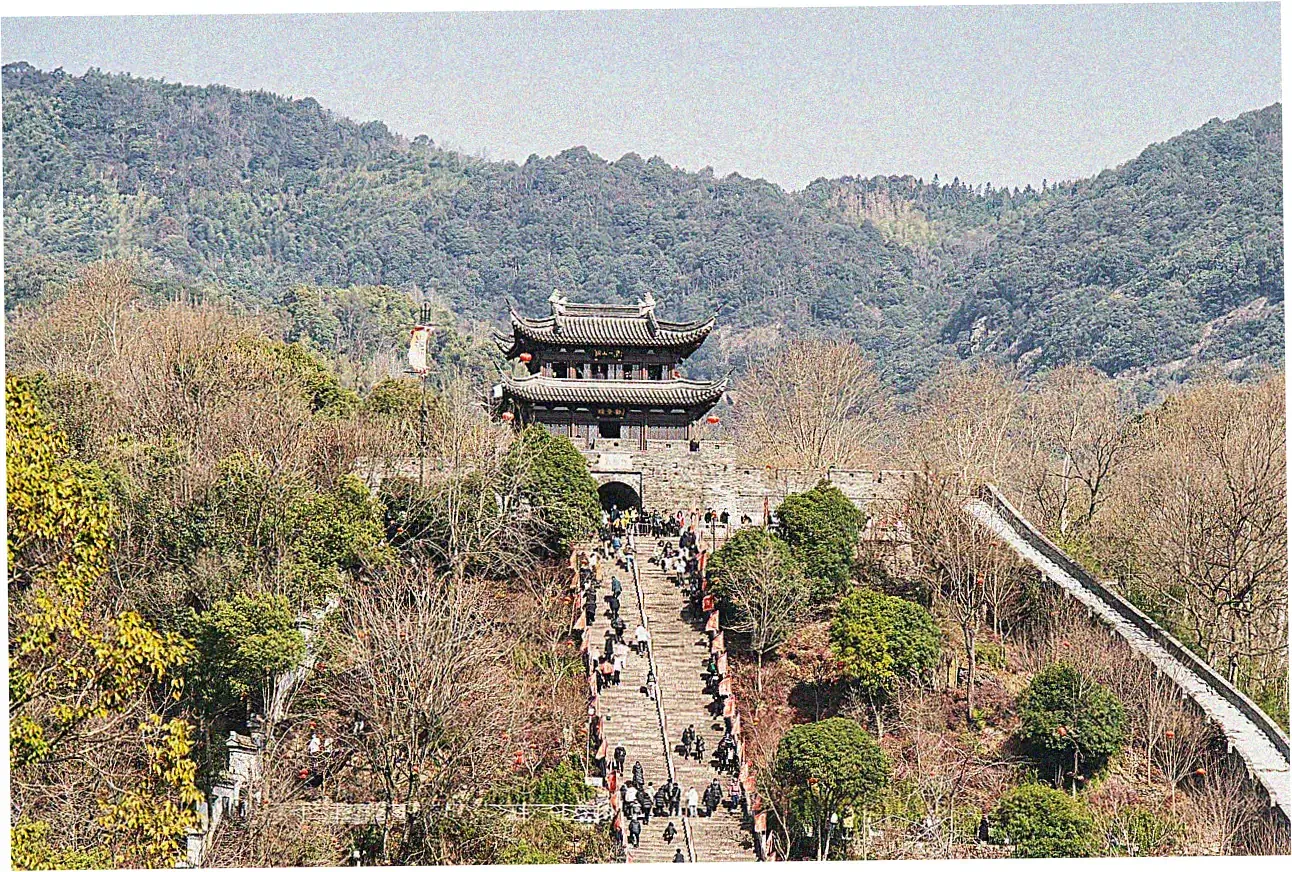
The Fenghuang museum’s wall exhibit totally changed how I see its importance.
Old crossbows and seals there show how much this border shaped the area. Check out the model showing wall-village connections – explains why some houses touch the wall.
The tiny watchtower museum’s cool too – I got to hold a 400-year-old message box that still smelled like camphor. All museums have proper certs showing they take care of their stuff right. Take your time reading signs – they’ve got insights about Han-Miao history you won’t find elsewhere.
How is Southern Great Wall being preserved?
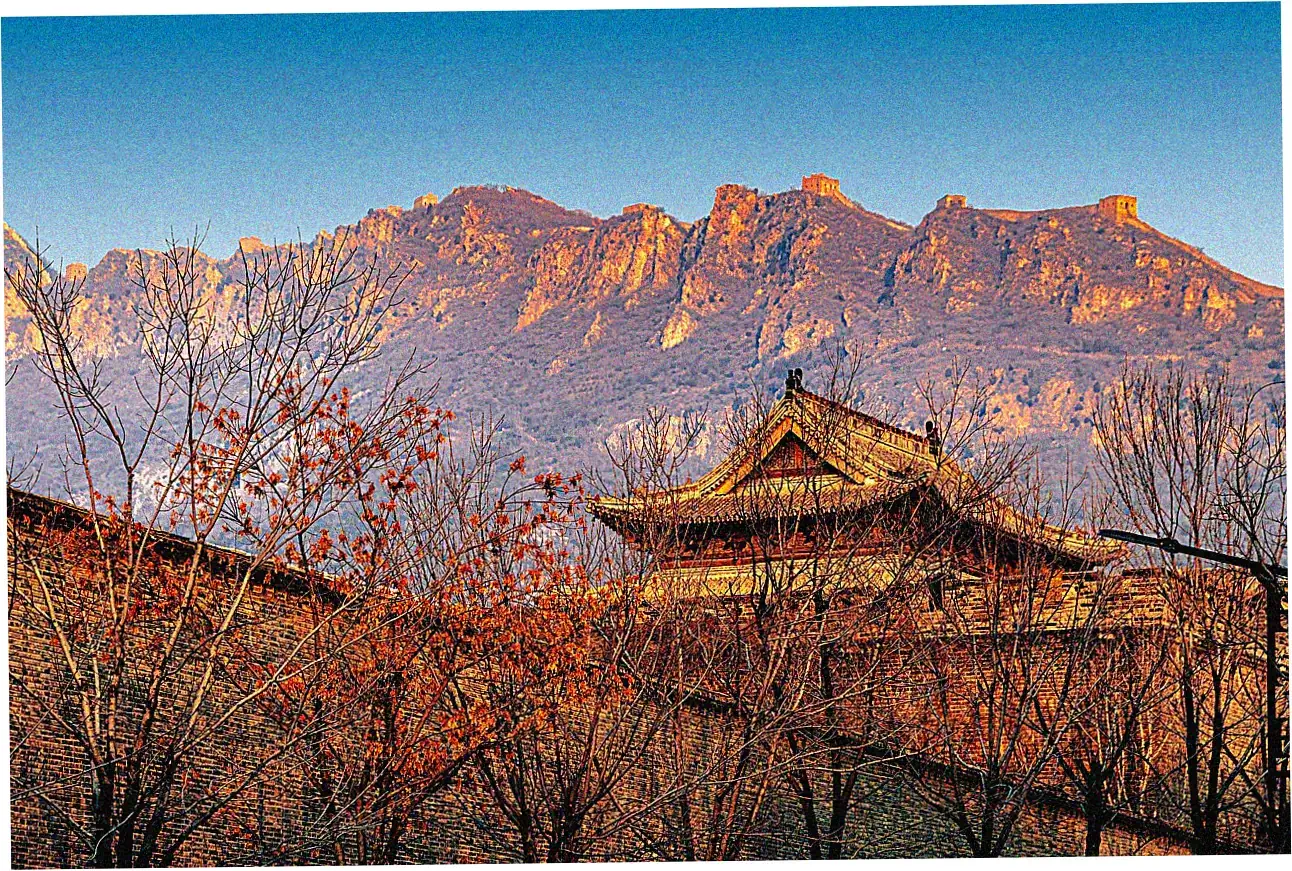
How they’re saving this wall shows new ways to protect old stuff.
Unlike the northern wall’s extensive reconstructions, southern sections use minimum intervention techniques approved by ICOMOS. I volunteered with a 2021 mortar analysis team and was impressed by how traditional recipes inform modern repairs.
The biggest threat isn’t tourists but climate change – increased rainfall accelerates erosion in already vulnerable sections. The China Foundation for Cultural Heritage Conservation trains local Miao villagers as wall keepers, creating both jobs and community investment. My participation taught me that preservation works best when it benefits living cultures, not just relics of the past.
What photography tips work for Southern Great Wall?
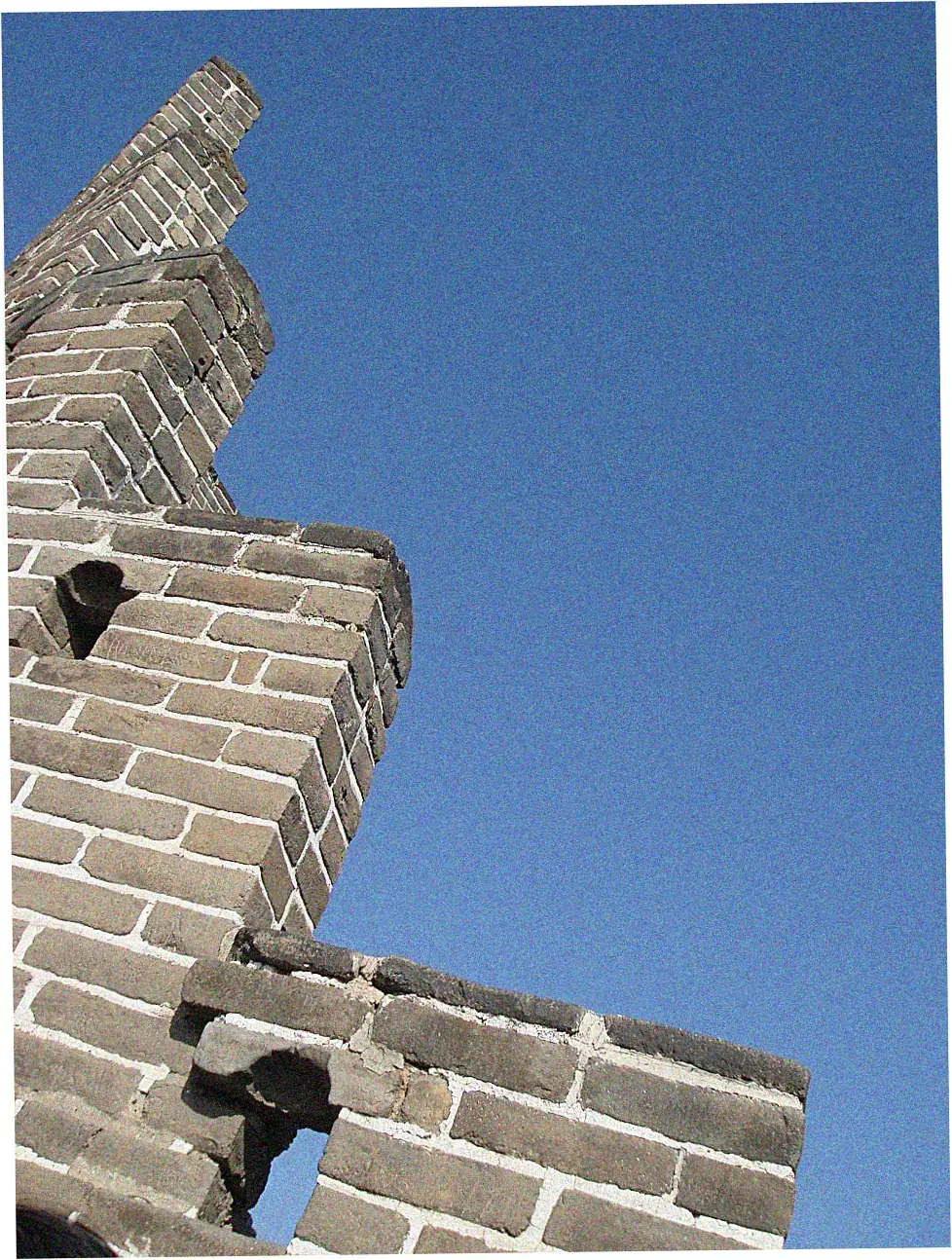
Capturing the wall’s essence requires adapting to its unique environment. After several frustrating early attempts, I learned golden hour hits differently here due to surrounding peaks – arrive 90 minutes before sunset for optimal light.
Wide-angle lenses exaggerate the wall’s length, but don’t neglect intimate details like the carved drainage spouts I discovered near Tianxing Village. Drones are permitted in designated zones (check for yellow marker posts), but respect no-fly areas over Miao villages. My favorite technique? Use morning mist to create layered compositions with the wall receding into atmospheric perspective. Just remember to charge batteries – I once missed spectacular storm light because my camera died!
Southern Great Wall offers more than just stones – it’s a living bridge between cultures and eras. Whether you’re a history buff, hiking enthusiast, or cultural explorer, this overlooked marvel deserves a spot on your China itinerary. Why not plan your visit during the autumn festival season? Pack good walking shoes, an open mind, and prepare to see Chinese history from a fresh perspective. And if you meet Elder Wu in Dehang village, tell him the curious photographer says hello!

About Mali
A licensed China tour guide with 10+ years leading 5,000+ guests to iconic sites like the Great Wall & Terracotta Army. Expert in seamless tours, cultural insights, and VIP access!