Guilin sits in southern China’s Guangxi region. Its surreal karst landscape looks just like a traditional Chinese painting. For centuries, it’s amazed travelers. Our Guilin Wikitravel guide gives you more than just basics. It offers practical tips to help plan your amazing trip. We cover everything from cruising the Li River’s famous bends to finding hidden villages. We’ve packed local know-how and traveler stories into useful advice. It tackles tricky stuff like getting around, best times to visit, and local customs. Planning a quick 3-day trip or hunting for real Yangshuo adventures? This guide is your go-to resource for exploring China’s most picture-perfect spot.
Here’s what’s inside:
- Guilin’s awesome geology and natural sights
- How to get around Guilin
- Top spots and secret finds
- Places to stay for every budget
- A tasty tour of Guilin’s food
- When to go and what to pack
- Understanding local culture and manners
- Outdoor fun and adventure ideas
- Planning your trip: costs and schedules
- Traveling responsibly in Guilin
Guilin’s Geological Wonders and Natural Beauty
Karst Formations: Nature’s Artistic Masterpiece
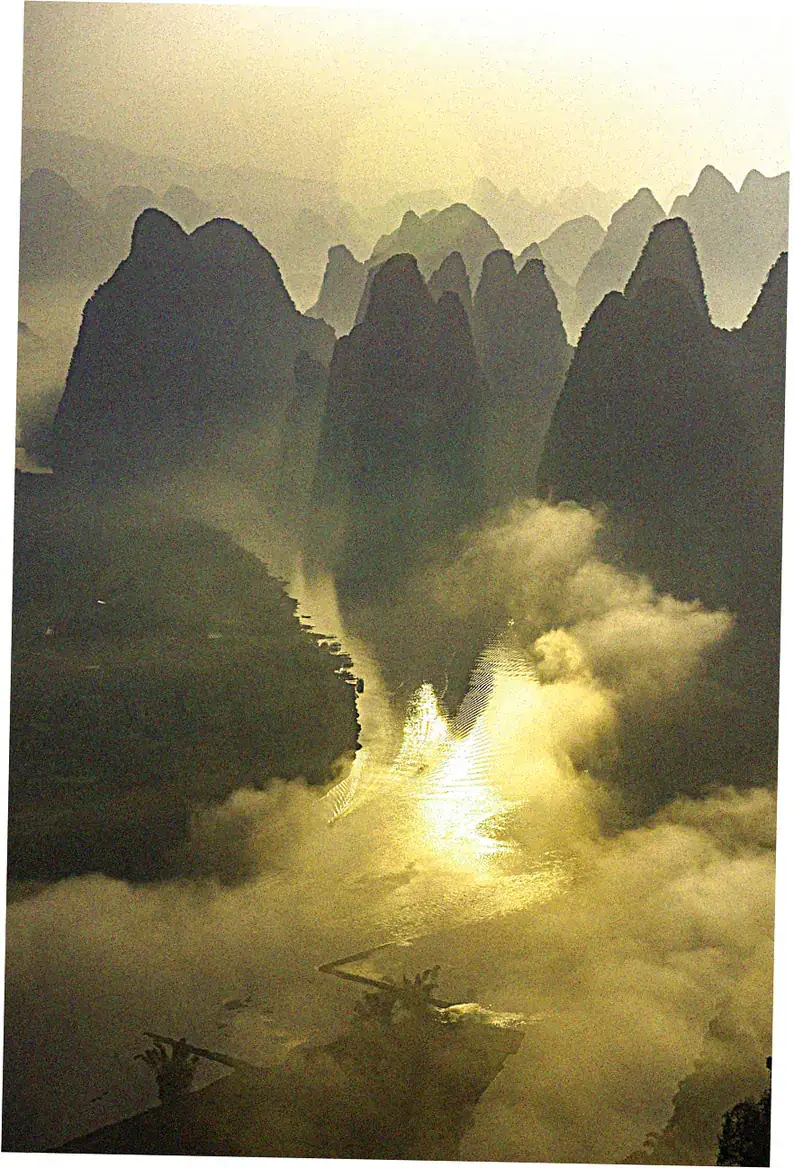
Guilin’s landscape looks out of this world, with over 100 limestone karst peaks shooting straight up from the flat land. Chinese poets say these mountains are so beautiful, they pierce your heart. These cool shapes were formed 200 million years back.
The whole area was underwater back then. Tectonic shifts happened, and erosion slowly carved the sedimentary rock into the pointy peaks we see now. The most famous ones are Elephant Trunk Hill, which looks
just like an elephant drinking from the Li River, and Folded Brocade Hill, where you get awesome views of the whole city. Geologists think it’s one of the best karst landscapes on Earth.
Photographers love it too—they go crazy for the way the light and mist mix, creating views that change all day long.

Rivers and Caves: Subterranean Wonders
Besides the famous Li River, Guilin’s got other waterways too. There’s the Peach Blossom River and the underground streams in Reed Flute Cave. For thousands of years, these streams have been carving out huge, amazing caves.
Reed Flute Cave (or Ludi Yan) totally wows visitors. They use colorful lights to light up the stalactites and stalagmites. You’ll see spots called the Crystal Palace and the Dragon Pagoda. Then there’s Silver Cave.
It has a waterfall inside and they even hold music shows right in the cave chambers. If you’d rather be outside, check out Seven-Star Park. You can see Camel Hill, cool natural rock shapes, and some old cultural relics too.
All this water supports really special ecosystems. When you’re on a boat cruise, keep an eye out for freshwater fish and sometimes even river otters. And definitely do the night tours—they light up the caves and turn them into something straight out of a fantasy book.

Comprehensive Transportation Guide to Guilin
Arrival Options: Air, Rail and Road Connections
Guilin Liangjiang International Airport (KWL) is the main airport you’ll fly into. It has direct flights from big Chinese cities and even some international spots like Seoul and Kuala Lumpur.
The airport shuttle bus gets you downtown in about 40 minutes for around ¥20. If you prefer a taxi, that’ll cost you about ¥100. Getting to Guilin by high-speed train is super convenient now. You can reach from Guangzhou in 2.
5 hours, Shenzhen in 3 hours, or Hong Kong in 3.5 hours. The modern Guilin Railway Station and North Station handle all these arrivals smoothly. While long-distance buses do connect to nearby provinces, they’re not the most comfortable option.
Here’s a pro tip: during peak season (April to October), book your train tickets way in advance because sleeper cabins sell out weeks early. Also, download DiDi – it’s China’s version of Uber – for getting around the city.
Local Navigation: Public Transport and Bike Rentals
Guilin’s city buses go to most attractions and only cost ¥1-2. But the route maps are mostly in Chinese, so ask your hotel to write your destinations in characters for you. Taxis start at ¥8 for the first 2km.
Make sure the driver uses the meter, or use ride-hailing apps to avoid any language problems. For the most flexibility, rent a bicycle for ¥20-50 per day.
You can explore at your own pace using the special bike lanes along the Li River and through parks. Electric scooters are great for zipping around Yangshuo’s countryside. Lots of visitors miss the water buses that travel through the city’s canals.
They’re a really scenic way to get around instead of using roads. Remember that traffic is worst from 7-9am and 5-7pm, so plan your trips around those times. Always keep your hotel’s business card handy to show taxi drivers for your return trip.

Must-Visit Attractions and Hidden Gems
Iconic Landmarks: Li River and Yangshuo
Taking a Li River cruise from Guilin to Yangshuo is absolutely the top thing to do. It’s a four-hour trip where you’ll see water buffalo, bamboo groves, and fishing villages. This is the classic Chinese scenery you’ve probably imagined.
Go early in the morning to catch the misty peaks that look just like old ink paintings. And pick a mid-sized boat instead of a big tourist one. It makes for a much nicer, more personal trip.
In Yangshuo, West Street (or Xi Jie) is busy with cafes and souvenir shops. But if you go a bit further out, you’ll find real farming villages. You really shouldn’t miss the Impression Liu Sanjie show.
It’s directed by Zhang Yimou and happens right on the river with those amazing karst cliffs in the background. Here’s an insider tip: skip the super crowded photo spot at Nine Horses Fresco Hill. The Yellow Cloth Shoal area is just as beautiful and way less packed.

Offbeat Treasures: Longji Rice Terraces and Ancient Towns
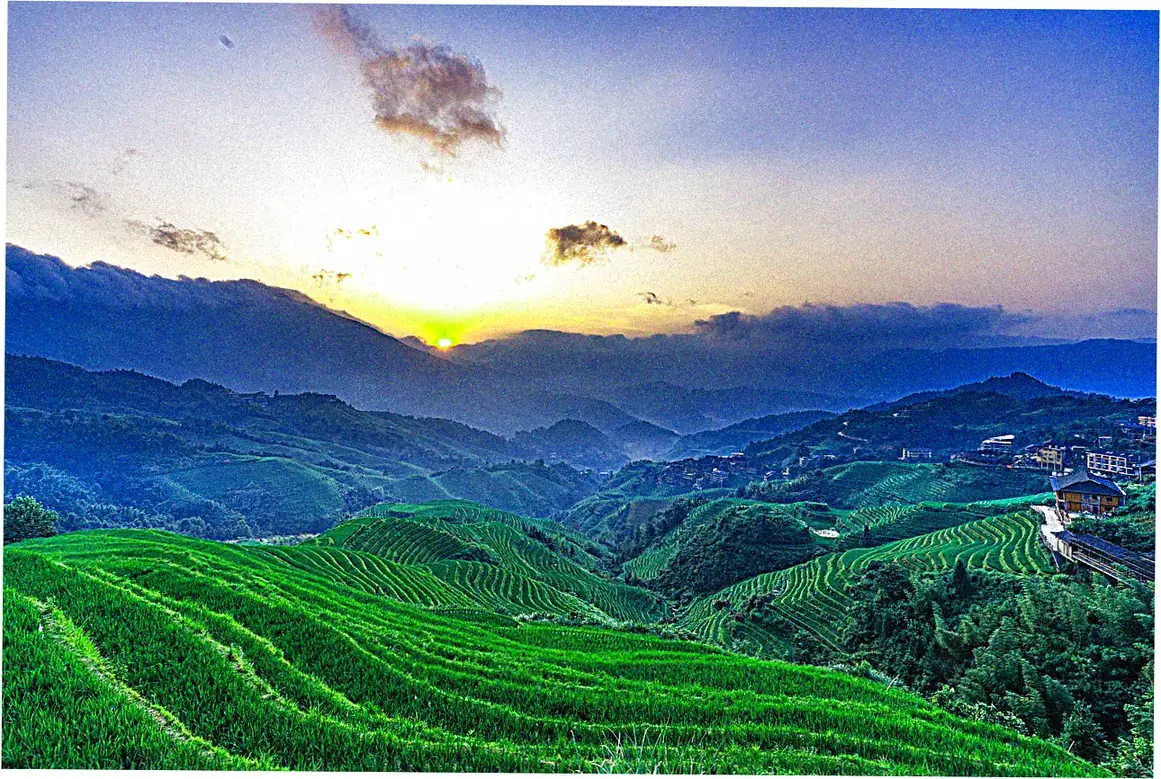
Head about two hours north to see the Longsheng Dragon Backbone Rice Terraces. The Zhuang and Yao people have been farming these incredible layered fields for 700 years.
The best times to visit are May to June, when the water makes perfect reflections, or September to October, when everything turns a golden color for harvest. Try staying overnight in a wooden guesthouse.
Waking up for sunrise over the terraces is an unforgettable experience. Closer to Guilin, there’s Daxu Ancient Town. It’s got old Ming dynasty stone streets and traditional houses by the river. It’s a much quieter spot compared to Yangshuo.
If you’re into caves, check out Crown Cave. You can explore it by boat, and they even have an underground elevator and a train ride. These less crowded places let you really experience the culture.
You could try joining a Yao minority hair-combing ceremony or even learn how to make tofu in a village workshop.

Accommodation Recommendations for All Budgets
Luxury Stays: Resort Hotels and Boutique Properties
Guilin’s luxury stays mix modern comfort with local culture. Take Shangri-La Hotel Guilin, right on the Li River. You get rooms with karst views and an amazing pool area.
Over in Yangshuo, Banyan Tree has private villas built in traditional style among lotus ponds. Lux* Resort goes eco-friendly, featuring a cool cave spa and its own organic gardens. Want something unique?
Yangshuo Mountain Retreat offers rustic charm right by the river. Pro tip: grab room #301 for the best balcony. These places usually run you $150 to $400 a night. That often includes cultural activities too, like tai chi or calligraphy workshops.
Book way ahead for October and November—that’s when the weather is perfect. And when you book, definitely ask about upgrading to a river view.

Budget-Friendly Options: Hostels and Guesthouses
Backpackers love Yangshuo’s hostels, like Galileo Guesthouse and Giggling Tree. They’re super social and know all the local spots. Dorm beds are about ¥60, private rooms go for ¥150-250.
Lots of them organize group stuff, like rock climbing or cooking classes. Right in Guilin, Wada Hostel is near the train station. It’s clean and the staff speak English, so they’re really helpful.
For a real rural experience, check out the family-run guesthouses in the Longji Terraces. You get basic rooms with shared bathrooms for ¥80-120, and homecooked meals are included. Ping’an Zhuang Village Lodge is a great pick.
Heads up: many budget spots don’t take foreign credit cards, so bring enough cash. Also, check if they have heating or AC, since the temperature changes a lot with the seasons.
Culinary Journey Through Guilin’s Flavors
Signature Dishes: From Noodles to Beer Fish
Guilin’s food really shows off its rivers and mix of cultures. You gotta start with the famous Guilin mifen – that’s rice noodles in a tasty broth with peanuts, pickled veggies, and chili. For the real deal, hit up Sister Shi’s or Chongshan Noodles.
Over in Yangshuo, don’t miss the beer fish. They take fresh carp from the Li River and cook it up in a clay pot with tomatoes, peppers, and local beer.
Other must-try dishes include oil tea from the Zhuang people, lipu taro pork, and sticky rice cooked in bamboo tubes. For street food fun, head to Zhengyang Pedestrian Street’s night market.
You can try snail noodles, grilled river snails, and persimmon cakes there. If you’re vegetarian, say su shi since lots of dishes use meat broth. Also bring tissues – napkins are hard to find.

Dining Etiquette and Food Safety Tips
In Guilin, meals are shared family-style with everyone digging in from the center. Locals might give you the best pieces – that’s their way of being friendly. It’s good manners to taste everything and praise the cook.
Leaving some food actually means you liked it! If they give you serving chopsticks, use those. Otherwise, flip your own chopsticks around to serve food. Street food is usually safe if you pick busy stalls with lines.
Maybe skip raw veggies that could be washed in tap water. Stick to bottled drinks and peel your own fruit. If you have food restrictions, get a translation app with Chinese allergy cards.
Heads up: meals start early here – lunch around 11:30-1, dinner 5:30-7. Many places close by 9pm outside tourist spots.
Seasonal Considerations and Weather Preparation
Best Visiting Times: Monthly Climate Breakdown
Guilin has a humid subtropical climate, so each season feels different. Spring, from March to May, is lovely with flowers blooming and temps between 15-25°C. But it drizzles quite a bit.
Summer, from June to August, gets really hot and humid—temps can hit 28-35°C. You’ll often get afternoon thunderstorms. But everything looks super green and lush! Autumn, between September and November, is just perfect.
You get clear skies, mild weather, and it’s dry—great for photos and being outdoors. Winter, from December to February, is cooler with temps around 5-12°C and sometimes frost. But there are fewer people, and the misty views look magical.
The best times to visit are the shoulder seasons—April to May and September to October. Just a heads up: in winter, the Li River can be too shallow for boats, and after summer rain, it might be muddy. Always check the conditions before you book a cruise.
Packing Essentials and Festival Calendar
No matter when you go, pack layers. Bring a light rain jacket—it’s useful all year. And don’t forget comfy shoes with good grip, paths can be slippery. In summer, take mosquito repellent, sunscreen, and light clothes.
For winter, pack warm layers—most places aren’t well heated. Remember your power adapters—Type A, C, or I sockets work here. If you use Google, bring a VPN. Try to time your trip with local festivals.
Like the March Third Folk Song Festival—Zhuang and Yao people wear traditional clothes and perform. Or check out the Li River Landscape Festival in October with photo exhibits and boat races.
Steer clear of the first week of May and October—that’s National Day holiday. Prices shoot up, and places get packed with local tourists. For live updates, follow Guilin’s tourism channel on WeChat.
Cultural Insights and Etiquette Guidelines
Ethnic Diversity: Zhuang, Yao, and Miao Traditions
Besides the Han people, Guilin’s nearby counties are home to China’s biggest Zhuang community. You’ll also find Yao, Miao, and Dong ethnic groups there, each with their own unique traditions. Yao women are famous for their incredible hair.
Some grow it over two meters long! They coil it into fancy headdresses that stand for long life and good fortune. When you visit the Longji Terraces villages, you can see cool stuff like old-style wooden
buildings, how they dye fabric with indigo, and hear instruments like the lusheng. Always ask before taking photos of people. It’s the respectful thing to do. Especially with older women—they might expect a small tip, like 5 to 10 yuan.
Help support the local community by buying handicrafts straight from the makers. Things like silver jewelry, embroidered cloth, and hand-woven baskets are great souvenirs.
Lots of villages put on cultural shows that cost between 80 and 150 yuan. These help share their culture and give locals a way to earn money.
Social Customs and Communication Tips
Guilin sees plenty of foreign tourists, but knowing a little about local manners makes your visit even better. Say “nǐ hǎo” to greet people. When you give or receive something, use both hands—this is extra important for business cards.
Dress modestly when you’re out in the countryside or at temples. Skip the tank tops and shorts at religious spots. Bargaining is normal at markets—just keep it friendly.
Start by offering 30-40% of the first price, and you’ll usually end up around 60-70%. It helps to have a translation app like Pleco or Microsoft Translator ready. But lots of younger locals can speak a bit of English too.
Remember “mianzi”—that’s about saving face. Don’t argue or correct people in public. If you have feedback, give it politely and in private. Tipping isn’t really a thing here, except for tour guides.
If you hire one, around 50 to 100 yuan a day is a nice gesture. Most of all, stay curious and open-minded. Differences are just chances to learn something new.
Outdoor Activities and Adventure Opportunities
Hiking and Cycling Routes for All Levels
Guilin’s landscape is perfect for exploring by foot or bike. You’ll find everything from easy city paths to tough mountain trails. Hike the Li River trail between Yangdi and Xingping – it takes about 4 hours.
You’ll pass Nine Horses Fresco Hill and the scenery from the 20 Yuan note. Don’t forget water and sun protection – there’s not much shade. In Yangshuo, bike along the 10km Yulong River route.
You’ll ride through farmland and past ancient bridges, and you can stop for bamboo rafting too. If you’re more adventurous, climb Moon Hill’s 800 steps for amazing views. Or try the Gongcheng County trails – not many tourists go there.
Always bring cash for entrance fees – about 20-40 yuan for rural paths. Think about hiring local guides for less-known routes. They charge 200-300 yuan per day and will share great stories while
showing you hidden viewpoints. After it rains, check the trail conditions – paths can get pretty slippery.
Water Activities and Rock Climbing Hotspots
The Li River and its tributaries offer lots of water adventures besides regular cruises. Bamboo rafting on Yulong River feels more personal than big boats. For fewer people, choose the section from Jinlong Bridge to Jiuxian Village.
Kayaking tours take you through quieter channels. You might even see kingfishers and water monitors. Meanwhile, Yangshuo has become Asia’s top rock climbing spot.
There are over 400 bolted routes on limestone crags at White Mountain and Butterfly Spring areas. Beginners can take half-day courses with certified instructors for 300-500 yuan. Advanced climbers can try multi-pitch routes for more challenge.
Always check safety standards. Make sure climbing operators use UIAA-certified gear and rafts have life jackets. Spring and autumn are the best seasons for climbing – the temperatures are just right for physical activity.
Practical Planning: Budgeting and Itineraries
Cost Breakdown: Daily Budget Expectations
Guilin is way cheaper than other spots in China. If you’re on a budget, you can get by on ¥300-400 a day. That covers a dorm bed, street eats, and buses. Got a bit more to spend?
For ¥600-800 daily, you can have your own room, eat at restaurants, and even join some guided tours. Want luxury? That starts around ¥1,200 a day. You’ll get fancy hotels and private car rides.
Big costs are entrance fees (¥50-150 each), the Li River cruise (¥300-450), and show tickets (¥200-300). Save cash by buying combo tickets for parks, eating where the locals eat, and hopping on buses instead of cabs.
Get cash out at Bank of China ATMs. Cards aren’t taken much outside hotels. In the countryside, bring small bills. Don’t forget to budget for getting around if you see the terraces or villages. Shared vans run about ¥50-100 a trip.
Grab travel insurance. It’s a must with all the outdoor stuff and weather that can mess up your plans.
Sample Itineraries: 3-Day to 7-Day Plans
For a solid 3-day trip, hit Guilin’s best. Day one: check out Reed Flute Cave and Seven-Star Park. Day two: cruise the Li River to Yangshuo and wander West Street. Day three: see Elephant Trunk Hill before you go.
With five days, add the Longji Terraces and stay overnight. Hike between Ping’an and Zhuang villages at sunrise—it’s awesome. A week lets you dive deeper into the culture.
Learn to cook in Yangshuo, bike around Yulong River villages, do tai chi with locals, and see Daxu Ancient Town. Always keep your plans flexible for weather. Have a backup like museums or tea houses for rainy days.
Smart tip: reverse the popular routes. Cruise from Yangshuo to Guilin to skip the crowds. Hit the terraces on weekdays when there are fewer local tourists. Book your place to stay early during festivals and busy seasons.
Sustainable Tourism and Responsible Travel
Reducing Environmental Impact in Fragile Ecosystems
Guilin’s karst landscape is super sensitive. The limestone areas have delicate water systems and soil that can easily get damaged by pollution or erosion. When picking cruise or activity operators, go for the eco-certified ones.
Electric boats are way better than diesel engines. Ditch single-use plastics and bring a refillable water bottle instead. Lots of hotels have filtered water stations for you to use. Always stay on the marked trails.
This helps prevent soil compaction and protects the plants, which is super important in the terraces where farmers need stable land. You can help support conservation efforts by checking out protected areas like the Guilin Karst Research Institute.
Your entry fee goes straight to preservation work. If you’re bathing in the rivers, make sure to use biodegradable soap and try not to disturb the water too much. Popular spots have visitor caps set by the tourism bureau.
Please respect these limits. Traveling off-season is a great idea—it spreads out the economic benefits and avoids crowds.
Supporting Local Communities and Cultural Preservation
Traveling responsibly means your money goes straight to the locals. Pick family-run guesthouses instead of big chains. Eat at restaurants that use local ingredients. Hire guides from village cooperatives too.
Skip the mass-produced souvenirs. Buy directly from ethnic minority artisans at fair prices. You’ll find awesome authentic stuff like Yao embroidery, Zhuang textiles, and Miao silver jewelry.
Learn a few local phrases—like saying thank you in Cantonese (do jeh) or Mandarin (xie xie). And always be respectful of cultural rules at sacred sites. You can also volunteer with groups like NGO China Green.
They organize trail maintenance and environmental education programs. Most importantly, keep an open mind. Remember, you’re a guest in these communities. Being respectfully curious helps keep cultures alive and creates real connections—way beyond just buying stuff.
Guilin’s magical landscape has inspired poets and painters for centuries. With a bit of planning, your trip can be just as transformative. This guide gives you all the practical know-how—from getting around to understanding cultural nuances. But the real adventure…

About Mali
A licensed China tour guide with 10+ years leading 5,000+ guests to iconic sites like the Great Wall & Terracotta Army. Expert in seamless tours, cultural insights, and VIP access!