Let’s talk about the best dishes in Chinese food. You’re stepping into a world full of amazing flavors, rich history, and all kinds of regional twists. It’s not only about taste. You also get to know the stories behind famous dishes like Peking Duck and Kung Pao Chicken. That’s why people all over the world love them. Lots of food fans want more than just recipes. They’re curious about the culture, cooking tricks, and how to make real Chinese food at home. Whether you like spicy Sichuan food or light Cantonese dim sum, this guide has you covered. We’ll look at everything—street snacks, fancy banquet dishes—so you can really experience China’s food culture.
Table of Content
- Iconic Chinese Dishes Everyone Should Try
- Regional Specialties Across China
- Street Food Gems and Snacks
- Vegetarian and Vegan Chinese Options
- Cooking Techniques for Authentic Taste
- Essential Ingredients in Chinese Pantry
- Holiday and Festival Foods
- Health Benefits of Chinese Cuisine
- Modern Twists on Classic Dishes
- Tips for Ordering and Dining Etiquette
- FAQ
Iconic Chinese Dishes Everyone Should Try
Peking Duck: A Royal Delicacy
Peking Duck is a real star in Chinese food, and it actually started in Beijing’s old royal kitchens. You get super crispy roasted duck skin, and it comes with thin pancakes, some sweet bean sauce, and fresh scallions.
Making it is like an art form—they air-dry the duck first, then roast it in a special oven to get that awesome crackle. If you’re making it at home, you gotta be patient. It can take a whole day just to dry, but trust me, it’s totally worth it.
Go all out and pair it with a light soup made from the bones—it completes the meal. Oh, and try to get duck that’s raised ethically. It’s better for the environment and supports sustainable farming.
Kung Pao Chicken: A Spicy Favorite
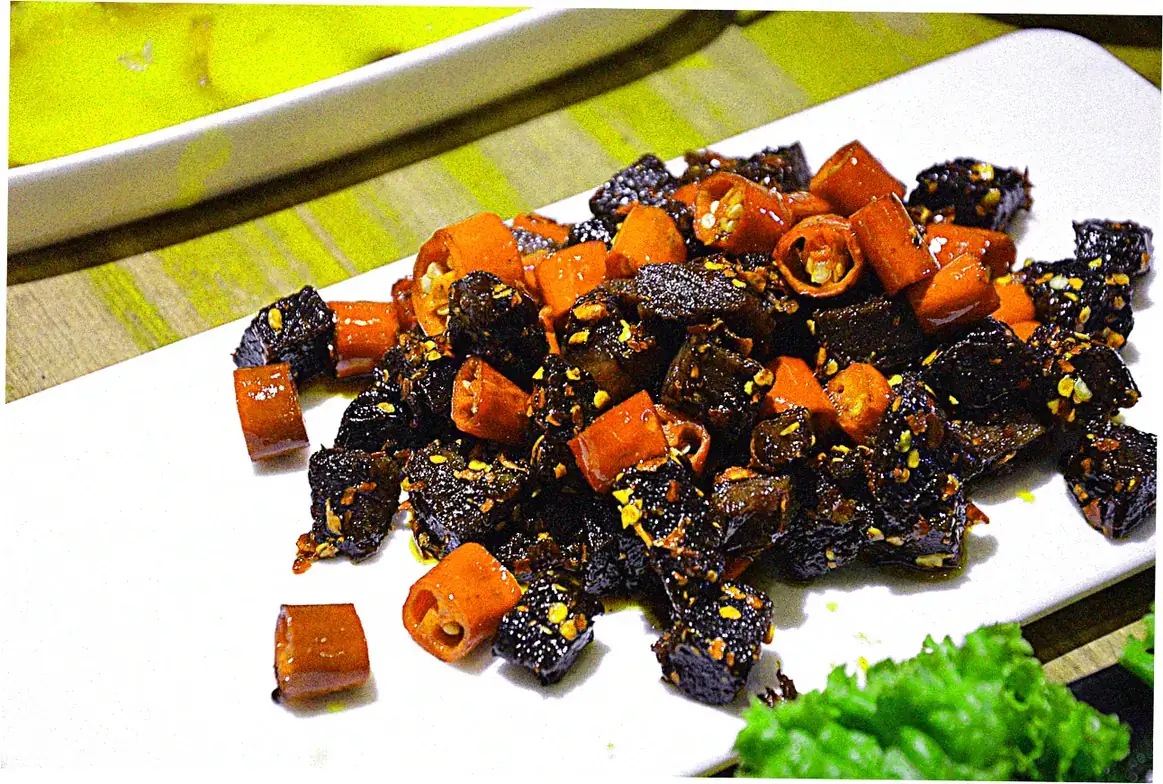
Kung Pao Chicken is a classic from Sichuan. It mixes tender chicken, peanuts, and dried chilies in this tasty savory-sweet sauce. It’s named after a Qing dynasty official, and the flavor is a great mix
of spicy, with a little vinegar and sugar to balance it. When you cook it, toast the peanuts on their own to keep them crunchy. And don’t skip the Sichuan peppercorns—they give that cool numbing kick.
A lot of versions outside China leave that out, but for the real deal, you gotta include it! Try to use free-range chicken too—it’s better quality and more ethical. It’s a quick stir-fry, so you can get that restaurant-style flavor right at home in less than 30 minutes.
Regional Specialties Across China
Sichuan’s Fiery Flavors
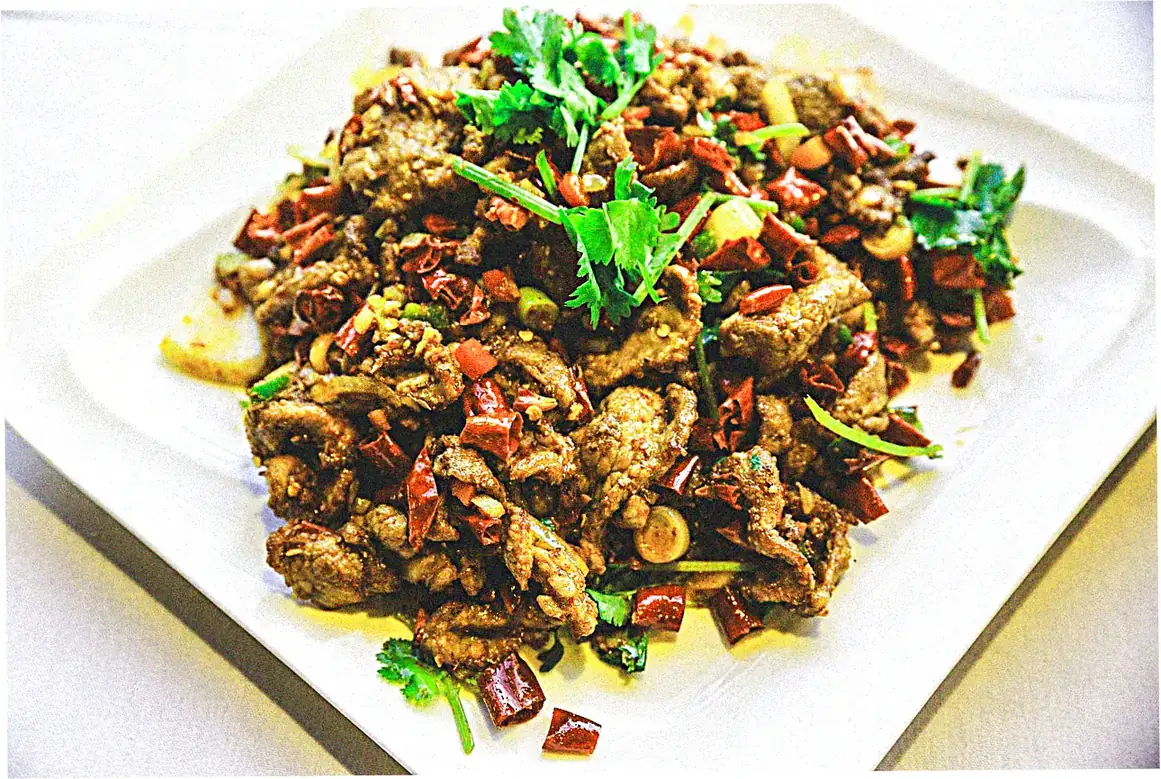
Sichuan cuisine is famous for its bold spices and that mouth-numbing mala kick. It gives us awesome dishes like Mapo Tofu and Hot Pot. These meals often use doubanjiang, that’s fermented bean paste, and loads of chilies.
That combo creates really complex layers of flavor. When you make Sichuan food at home, toast your spices in oil first. It unlocks their awesome aroma—seriously, don’t skip this step!
The main hubs are Chengdu and Chongqing, and each has its own twist. For example, Chongqing Hot Pot is way oilier and packs more heat. You can also eat sustainably. Just choose local veggies and ethically made tofu. It helps reduce your carbon footprint.

Cantonese Dim Sum and Seafood
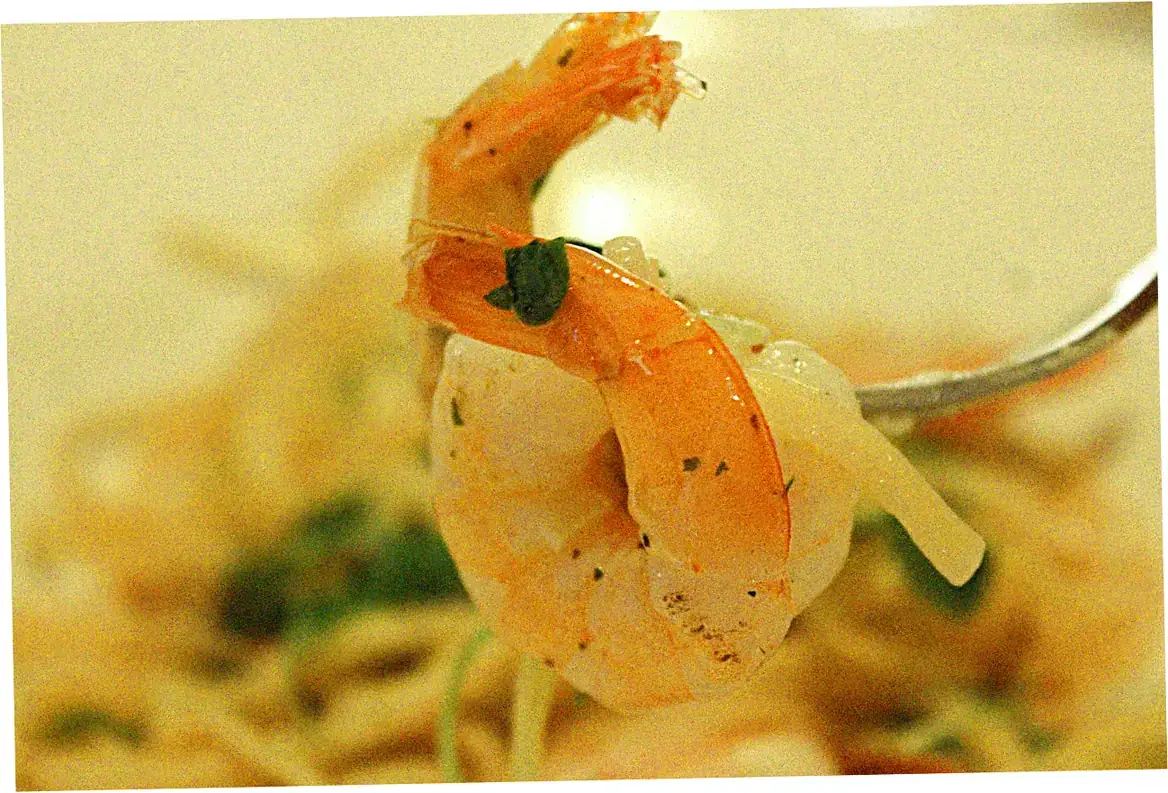
Cantonese cuisine, from Guangdong, is all about freshness and subtle tastes. The real stars are dim sum and steamed fish. Dishes like Har Gow, those shrimp dumplings, and Char Siu Bao, the barbecue pork
buns, really show off their precision in steaming and baking. If you’re cooking at home, know that mastering dim sum takes practice. Keep those dough wrappers thin so they don’t get soggy.
For seafood picks, like steamed grouper with ginger and scallions, you need high-quality fish. Go for sustainably caught to help keep the oceans healthy. This region’s big on light sauces and simple techniques.
That makes it perfect for health-conscious foodies who are getting into Chinese culinary traditions.
Street Food Gems and Snacks
Jianbing: Chinese Breakfast Crepes
Jianbing is this super popular street breakfast – it’s a thin crepe made with mung bean or wheat flour, stuffed with eggs, crispy wonton crackers, and tasty sauces.
It gives you a quick and nutritious start to your day, and you can customize it with chili paste or hoisin sauce. If you want to make jianbing at home, you’ll need a flat griddle – just spread the batter real thin to get that authentic texture.
Street vendors in Beijing and Tianjin totally master it, but with some practice, you can make it too. For a healthier version, try using organic eggs and locally milled flour. This dish really shows how Chinese street food combines convenience with amazing flavors.

Baozi: Steamed Buns with Fillings
Baozi are those fluffy steamed buns filled with meats or veggies – everyone in China loves them as a snack. You can find all kinds, from pork-filled char siu bao to vegetarian ones with mushrooms and cabbage.
The secret to perfect baozi is all in the dough – getting the yeast right and timing the steaming makes them super fluffy. When making them at home, just let the dough rise in a warm spot until it doubles in size.
Pick ethically sourced pork or seasonal vegetables for your fillings – it’s better for sustainable practices. These buns freeze really well, so they’re perfect for meal prep when you’re busy.

If you’re looking for vegetarian and vegan options, Chinese cuisine has some amazing dishes.
First up is Buddha’s Delight – it’s a total plant-based feast.
People call it Luo Han Zhai too. It’s a classic veggie dish, usually made for Chinese New Year. You get mushrooms, tofu, and lots of veggies all in a light broth. The dish stands for harmony.
And it’s super umami, thanks to shiitake and wood ear mushrooms. When you make it, blanch the veggies one by one. That keeps them colorful and crunchy. It’s naturally vegan – just skip oyster sauce and use soy sauce instead.
If you use local organic produce, it tastes even better and is more sustainable. It really shows how Chinese food makes plant-based eating creative and full of flavor.
Then there’s Mapo Tofu without meat.
You can easily make a veggie version. Just swap the minced pork for mushrooms or some textured veggie protein. It still has that Sichuan kick – doubanjiang and peppercorns give it heat and that tingly numbness.
Use soft tofu for the real deal – it soaks up the sauce perfectly. Thicken it up at the end with a little cornstarch mix. This way it’s ethical and faster to cook. Just sauté the mushrooms till they’re golden – they get a nice meaty texture.
Go for non-GMO tofu and fair-trade spices if you care about ethical sourcing. It’s a hearty dish that shows Chinese food can be for everyone and planet-friendly too.

Cooking Techniques for Authentic Taste
Stir-Frying: High Heat Essentials
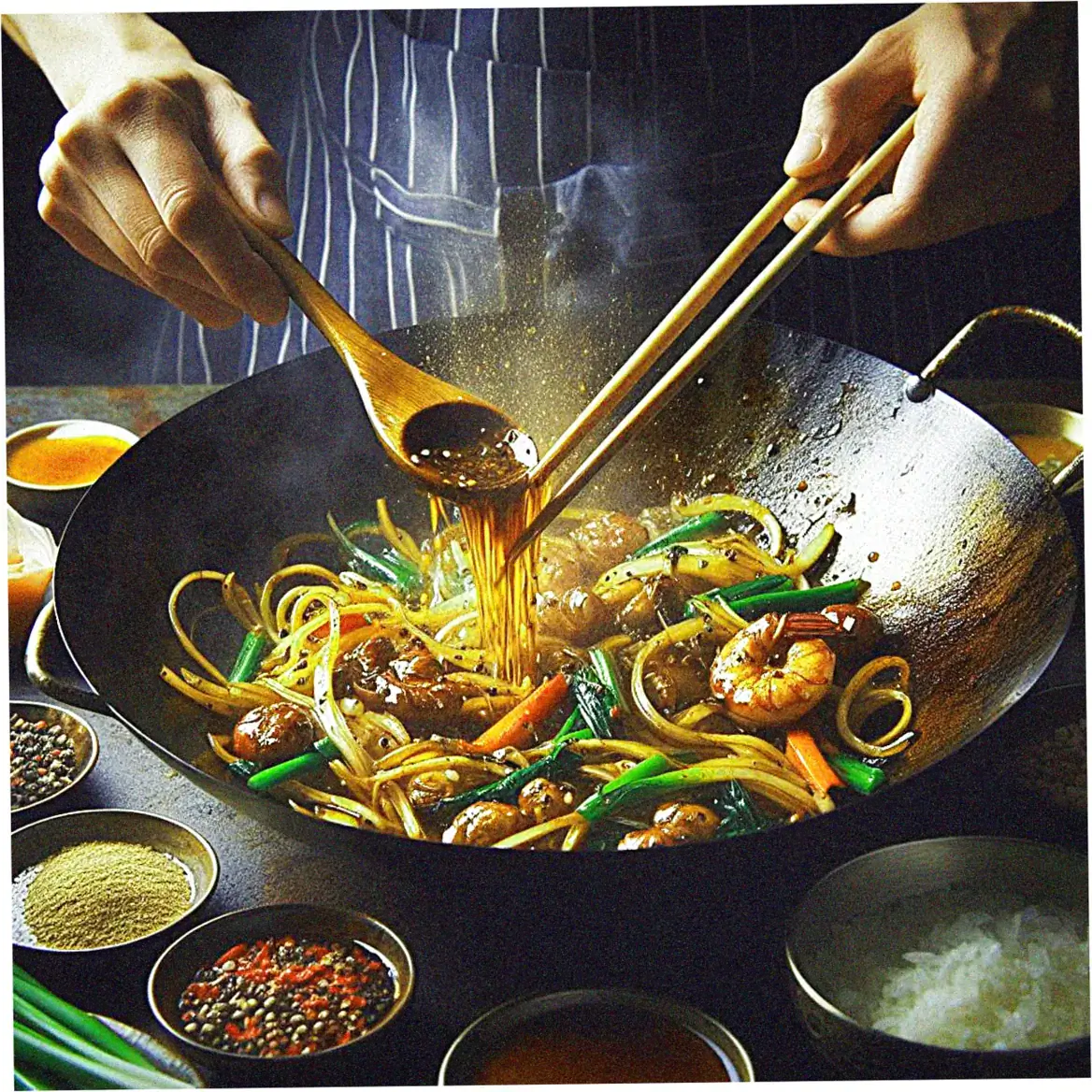
Stir-frying is key in Chinese cooking. You need a wok and really high heat. It cooks things fast, locks in nutrients, and keeps things crispy. You gotta keep tossing everything. So prep all your ingredients first, because it all happens super quick!
Use oils that can take the heat, like peanut or canola. Toss in garlic and other aromatics first to get that flavor going. At home, a carbon steel wok is your best bet. Just make sure you season it right so nothing sticks.
This way, you get amazing dishes like Beef with Broccoli. Plus, it’s super fast, so you save energy, which is great for the planet.

Steaming for Health and Flavor
Steaming is another healthy Chinese method. It really brings out the natural flavor, perfect for whole fish or dumplings. You just need a bamboo or metal steamer over some boiling water. This makes sure the heat spreads evenly.
Don’t crowd the food, or it’ll get soggy. Space it out and line the steamer with cabbage leaves or parchment paper. Steaming keeps all the good vitamins and minerals, which is awesome if you’re watching what you eat.
To keep it sustainable, go for seasonal veggies and seafood from good sources. It’s also really efficient on fuel. You can stack layers and cook a whole meal at once, just like in traditional Chinese kitchens.

Essential Ingredients in Chinese Pantry
Sauces and Pastes: Flavor Foundations
You gotta have soy sauce, oyster sauce, and doubanjiang—they’re the real foundation of Chinese cooking, giving dishes that deep umami kick. Light soy is saltier and great for seasoning, but dark soy brings color and richness.
If you care about ethics, pick brands that use non-GMO soybeans and cut down on packaging waste. Keep em in a cool, dark spot so they stay fresh. Use these sauces right, and even a simple stir-fry turns into something you’d get at a restaurant.
Try hoisin for sweetness or chili bean paste for spice—it’ll make your pantry super versatile and full of real Chinese flavor.
Spices and Aromatics
Chinese dishes get their complex flavors from spices like star anise and Sichuan peppercorns, plus aromatics like ginger and scallions. Toast whole spices before grinding—it boosts their oils and makes braises like Red-Braised Pork taste even richer.
Buy from ethical suppliers who support fair trade—it helps the farmers out too. Freshness is key—grab small amounts and keep them in airtight jars. These ingredients don’t just define regional dishes—they’re good for you too.
Ginger, for example, helps with digestion. Master these, and you’ll really unlock the best of Chinese cuisine.
Holiday and Festival Foods
Mooncakes for Mid-Autumn Festival
Mooncakes are a big deal for the Mid-Autumn Festival. They’re these rich pastries stuffed with sweet bean or lotus seed paste, and they stand for family reunion. The classic ones have a thin stamped crust and a dense filling.
But these days, you also get cool modern types like snow skin or even ice-cream mooncakes. If you make them at home, you gotta be precise. Knead that dough till it’s super smooth, and use golden syrup to get that nice shiny look.
Go for fillings with less sugar if you want a healthier choice. Also, try to support brands that use ingredients from ethical sources. These treats are usually shared with family. It’s all about togetherness and showing gratitude, which is a huge part of Chinese tradition.
Dumplings for Chinese New Year
Then there are dumplings, or jiaozi. People eat them during Chinese New Year for good luck and prosperity because their shape looks like old-fashioned money. Families love making them together, stuffing them with things like pork, cabbage, or shrimp.
How you fold them depends on where you’re from—up north, crescent shapes are pretty common. To make sure your homemade dumplings turn out great, seal em tight so they don’t burst when you boil or fry them.
You can also use sustainably farmed meats and organic veggies for the fillings. And if you make extra, just freeze them for a quick meal later. This tradition isn’t just about making tasty food—it also brings people closer and really captures the festive spirit of Chinese culture.
Chinese food isn’t just tasty, it’s also really good for you.
Balanced Nutrition Principles
A lot of the best dishes from Chinese cuisine follow the yin and yang balance, mixing veggies, proteins, and carbs perfectly. Take steamed fish with ginger, for example—it’s great for lean protein, and stir-fried greens pack in vitamins.
Steaming and boiling keep more nutrients compared to frying. If you’re watching your health, just control portions and use less oil—you won’t lose flavor. Using fresh, seasonal stuff is good for you and the planet too.
That’s why Chinese dishes are not just delicious—they’re a smart way to eat well, thanks to ancient know-how.
Herbal Ingredients in Cooking
Traditional Chinese medicine adds herbs like goji berries, astragalus, and chrysanthemum to soups and teas—they’re super healthy. Goji berries throw antioxidants into congee, and herbal broths help your immune system.
Start with a little if you’re new to these—just simmer them slow to get all the goodness. Get them from trusted sellers who harvest or grow ethically—that helps protect nature.
These ingredients show how Chinese food mixes healing and eating—a whole vibe that’s been perfecting for thousands of years.
Modern Twists on Classic Dishes
Fusion Interpretations
Chefs these days are giving Chinese classics a global twist. Think General Tso’s Cauliflower for vegetarians or even Sichuan-style tacos. These fusion dishes keep the core flavors but really hit the spot for modern tastes.
If you’re trying this at home, remember to respect the dish’s soul. Like, don’t skip the mala spice in your fusion experiments. Grab local, seasonal stuff—it cuts your carbon footprint and helps out local farmers.
This creativity keeps Chinese cuisine exciting and brings in new fans. It just goes to show the best Chinese dishes can adapt and shine anywhere.
Health-Conscious Adaptations
Healthier versions, like baked spring rolls or low-sodium sauces, make Chinese food work for all sorts of diets. Try swapping in quinoa for fried rice, or use an air fryer to get that crunch without all the oil.
When you tweak recipes, balance is everything. Keep real-deal spices like star anise to lock in that deep flavor. Go for organic, non-GMO ingredients—they’re better for you and the planet.
These little changes let everyone dig into favorites like Sweet and Sour Pork with no guilt. It’s proof that tradition and modern eats can live happily together in your own kitchen.
Tips for Ordering and Dining Etiquette
Navigating a Chinese Menu
When you order at a Chinese restaurant, aim for balance. Mix proteins, veggies, and soups to share. Kick things off with classics like Hot and Sour Soup. Then grab a stir-fry and something steamed. Check out seasonal specials—they’re super fresh.
Go family-style so you can taste more dishes. If you care about ethical dining, ask where they get their stuff. Lots of spots now feature sustainable seafood or local produce. Don’t be shy—ask for recommendations.
Chefs enjoy showing off their best dishes. It makes the meal authentic and really honors Chinese culinary artistry.
Cultural Dining Customs
Chinese dining etiquette is big on respect. Serve elders first. Use chopsticks right—never stick them upright in rice. That looks like a funeral thing. Share dishes family-style. Try a little of everything—it shows you appreciate the food.
Leaving a bit on your plate is polite. It means there was plenty. If you’re hosting, offer tea a lot. It’s a warm welcome. Knowing these customs makes the meal better. It turns eating into a cultural exchange.
Go with these practices. You’ll appreciate not just the food, but also the rich traditions behind China’s best dishes.
Exploring the best dishes from Chinese cuisine takes us through regional wonders, cooking secrets, and deep culture. From spicy Sichuan plates to delicate dim sum, every dish shares a story of heritage and new ideas.
Give cooking a classic dish at home a shot. Start easy with Kung Pao Chicken or steamed baozi. Share what you make with friends and family. Pick ethically sourced ingredients to keep things sustainable. Let’s keep celebrating these awesome flavors that bring everyone together!
FAQ
If you’re new to Chinese food, what dishes should you definitely try?
Start with Peking Duck – it’s super crispy. Then try Kung Pao Chicken for that spicy kick. Don’t forget Dim Sum like Har Gow, they’ve got these delicate flavors. These dishes really show off the main cooking styles and flavors.
Want to make healthier Chinese food at home?
Try steaming or stir-frying with just a little oil. Go for lean proteins like tofu or chicken, and load up on veggies. Cut down on salt by using low-sodium soy sauce and adding fresh herbs.
So what’s the difference between Sichuan and Cantonese food?
Sichuan food packs bold spices and that numbing feeling from peppercorns. Cantonese is more about fresh ingredients and gentle steaming – think seafood with light sauces.
Can you find vegan dishes in traditional Chinese cooking?
Absolutely! Dishes like Buddha’s Delight are totally plant-based – they use mushrooms and tofu. Lots of stir-fries work great with just vegetables and vegan sauces.

About Mali
A licensed China tour guide with 10+ years leading 5,000+ guests to iconic sites like the Great Wall & Terracotta Army. Expert in seamless tours, cultural insights, and VIP access!