Packing for Beijing takes some strategy, since you gotta think about the weather and local customs. I’ve been to Beijing a bunch, and I’ve figured out that good packing is all about mixing comfort with what actually works, while also being respectful. This guide synthesizes expert advice from travel specialists at China Tourism Academy with firsthand experience navigating everything from Forbidden City tours to Great Wall hikes. We’ll go over what clothes to bring for the weather, what documents you need, and how to be ready for big spots like Tiananmen Square and cool hidden places like Luodai Ancient Town.
Here’s what we’ll cover:
Understanding Beijing’s Seasonal Climate Patterns
Four Distinct Seasons Demand Different Approaches
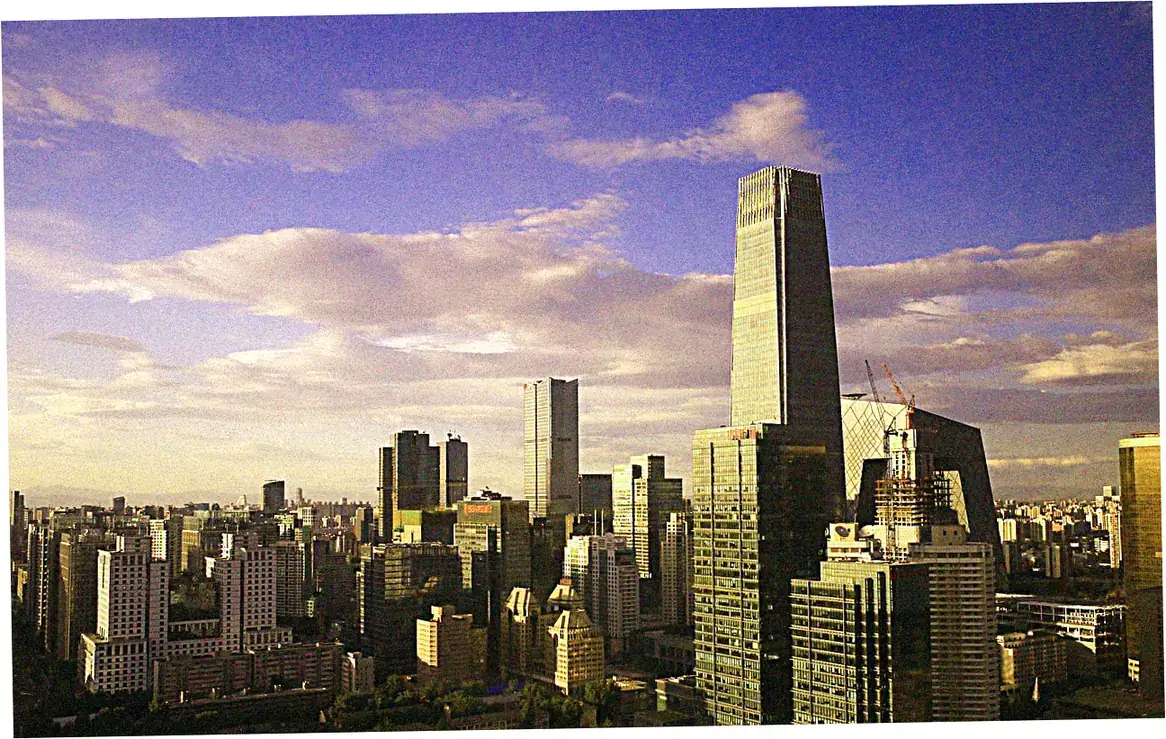
Beijing experiences a continental monsoon climate with extreme temperature variations between seasons. Summers get really humid and hot, hitting 35°C. Winters are freezing with some snow. Spring and autumn are nicest, but you’ll need layers since temps go up and down. Check the air quality too, not just the weather, because pollution can affect your outdoor plans.
When I visited in autumn, temps changed by 15 degrees from day to night. Packing versatile layers proved crucial – light sweaters that could be worn under jackets during cool mornings and removed during warmer afternoons. Don’t expect all indoors to be heated or cooled like back home. Museums can be chilly, but subway stations are often warm.
Microclimate Considerations for Specific Activities
The Great Wall presents unique microclimates often windier and cooler than urban areas. If you hike parts like Mutianyu, wear sturdy shoes with good ankle support and a windproof jacket. On the other hand, crowded markets like Wangfujing will make you hot, so wear moisture-wicking clothes. If you’re also going south to places like Guilin, get ready for more humidity.
Essential Clothing and Footwear Selection
Cultural Appropriateness and Practical Comfort
Beijing mixes modern style with traditional vibes. While casual wear is acceptable for most tourist activities, conservative attire shows respect at religious sites like Lama Temple. Make sure to cover your shoulders and knees when you go into temples. Even in summer, try to avoid clothes that are too revealing, as suggested by Beijing’s tourism guidelines. Bring comfy walking shoes—you might walk 8 to 12 miles a day visiting big places like the Summer Palace.
Here’s what works for me: pack 2-3 breathable base layers, 1-2 mid-layers like a fleece or light sweater, a waterproof jacket, pants you can convert for temple visits, and broken-in walking shoes.
Dark colors are better at hiding dust and pollution than light ones. Throw in one nicer outfit for fancy dinners or shows.
Specialized Gear for Specific Activities
| Activity | Essential Gear | Pro Tip |
|---|---|---|
| If you’re hiking the Great Wall, | bring hiking boots with ankle support and trekking poles. | Pack light, but don’t forget rain gear just in case. |
| For temple visits, | carry a scarf or shawl to cover your shoulders. | Choose one that’s lightweight and fits easily in your daypack. |
| When exploring markets, | use a cross-body anti-theft bag. | Keep your valuables in front where you can see them. |
Crucial Documents and Technology Essentials
Travel Documentation and Financial Preparation
Make sure your passport’s got at least six months left before it expires and plenty of blank pages. Most travelers require a applied for in advance, though citizens from certain visa free countries china programs may enter for limited durations. Get some color copies made of your passport photo page and your Chinese visa, and keep them separate from the real ones. Snap pics of these docs on your phone too, just as a backup. Give your bank a heads-up about your travel plans so they don’t freeze your card when you use it abroad.
Even though apps like Alipay are huge over there, using your foreign card can still be tricky. You’ll want to carry enough Chinese cash (RMB) for little shops and cabs.
Last time I went, having around 2000 RMB (about $300) in different bills took care of little expenses for a whole week. Bigger places and hotels will take your credit card, but street stalls and small shops are usually cash-only.
Electronics and Connectivity Solutions
In China, the plugs are Type A, C, and I, and the voltage is 220V. So, pack a universal adapter that has surge protection. A portable power bank is a lifesaver for long days out, keeping your translation apps and maps running.
Even though China’s tech is super advanced, you can’t get on Western social media or Google stuff there. So, either grab an international SIM card before you go or set up a good VPN before you land.
| Gear to Pack | What to Bring | Why You Need It |
|---|---|---|
| Your Phone | An unlocked smartphone | Lets you buy a local SIM card |
| Must-Have
Apps |
Get WeChat, Didi, and Pleco | They’re essential for chatting and getting around |
| Power Bank | A 20,000mAh power bank | It can charge your gadgets multiple times a day |

Health and Personal Care Items
Medications and Air Quality Management
Beijing’s air is way better now, but it can still bother some people. Check the US Embassy’s air quality reports. If the PM2.5 level goes over 150, take it easy outside if you’re sensitive. So pack some N95 or KN95 masks for those bad air days.
Don’t forget your prescription meds. Bring enough, keep them in their original bottles, and have a note from your doctor too. Common drugs you buy here might be different over there, or you might not even find them.
Here’s what I always pack: allergy meds, something for diarrhea (it happens!), painkillers, bandaids, and cream for bug bites. Chinese pharmacies have lots of stuff, but the language barrier can make it
tough to find what you need. If you’re going in the humid summer, maybe throw in some electrolyte packets to stay hydrated.
Personal Care and Hygiene Products
You can find western toiletries in fancy hotels and malls, but they’ll cost you more. If you’re picky about your brands, just bring travel-sized ones from home. Pack hand sanitizer and tissues.
A lot of public bathrooms don’t have soap or toilet paper. Don’t skip sunscreen, any time of year. Places like the Great Wall are higher up, so the sun is stronger. In the winter, lip balm and moisturizer will help with dry skin from the indoor heat.

Here’s what you need in your daypack for sightseeing.
Think of your daypack as your go-to bag for city adventures.
Your daypack becomes your mobile command center for exploring china most famous places in Beijing. Staying organized is super important—keep separate pockets for your docs, gadgets, and stuff you use a lot. Don’t forget these essentials: a copy of your passport, hand sanitizer, tissues, a small umbrella (since rain can pop up), a refillable water bottle (most hotels have filtered water), and a power bank.
I’m a fan of cross-body bags or small backpacks that have anti-theft stuff—like lockable zippers and RFID-safe pockets. Spread your cash around—some in your bag, some in a money belt, and small bills where you can grab em fast.
Always have your hotel’s card with the address in Chinese—it makes telling taxi drivers where to go way easier.

Tools for getting around and talking to people
Phone maps are handy, but sometimes service drops. Bring a paper map just in case—hotels usually have em. Jot down key phrases in Chinese, like where you’re headed or if you can’t eat certain foods. Grab an offline translator app—Microsoft Translator does a decent job with Mandarin. If visiting less touristy areas like Luodai Ancient Town, prepare for fewer English speakers.

Special Considerations for Unique Destinations
Packing for Historical Sites and Cultural Experiences
When you visit Beijing’s historical spots, you’ll do lots of walking, and the ground can be pretty uneven. The Forbidden City is huge—180 acres—and there aren’t many places to sit. So bringing a light foldable mat is a smart idea.
A lot of temples ask you to take off your shoes. Slip-ons are best—skip the laces. For fancy dinners or traditional shows, guys might want a collared shirt. Ladies could pack a simple dress or a nice scarf.
Heads up for photo lovers: tripods aren’t allowed in most museums and historical sites. Instead, bring a mini tripod that clips onto your phone or small camera. Don’t forget extra memory cards and batteries.
You’ll take tons of pics every day at amazing places like the Temple of Heaven. Go early in the morning to beat the crowds and get the best light for your photos.
Seasonal Festival and Event Preparations
Traveling during Chinese New Year, around late January to February? It’ll be cold, and transport might be slow—it’s the biggest travel time of the year. National Day, October 1st to 7th, is super busy with local tourists.
Book ahead and bring plenty of patience. In summer, you might get heavy rain. Waterproof stuff and quick-dry clothes are must-haves.
Souvenirs and Return Journey Planning
Leaving Space for Purchases and Gifts
Beijing’s shopping scene is amazing, you’ve got everything from silk markets to antique shops. Toss a foldable duffel bag in your suitcase, it’ll give you extra room for all your souvenirs on the way back.
Make sure you know your home country’s customs rules, especially for stuff like traditional medicines or cultural artifacts that might be restricted. Always keep the receipts and any paperwork for your expensive buys. I usually leave about a quarter of my suitcase empty just for souvenirs.
Popular things to buy are silk, jade jewelry, tea, calligraphy stuff, and replica artifacts. You can haggle at the markets, but not in department stores.
Don’t forget, any electronics you buy might need a voltage converter when you get home. For breakable stuff, either pack some bubble wrap or ask the shop to pack it safely for travel.
Pre-Departure Organization and Weight Distribution
Before you head to the airport, weigh your bags so you don’t get hit with extra fees. Most international flights let you check a 23kg (50lb) bag in economy.
Spread out heavy things like books and electronics in your bag, don’t pile them all in one spot. Always pack your meds, a spare outfit, and valuables in your carry-on, just in case your checked bag is late.
Packing right for Beijing means being practical and also respecting the culture. Pick clothes that work for the season, get your documents in order, and set up your tech for China.
That way, you’ll waste less time on logistics and have more fun exploring. The best packing list is both prepared and flexible. Leave some room for spontaneous finds – that’s what makes trips special.
Beijing Trip Packing FAQ
So, what power adapter should you pack for Beijing?
In China, you’ll find Type A, C, and I outlets, and they run on 220V. Type A uses two flat pins, Type C has two round ones, and Type I comes with three flat pins arranged in a triangle.
Your best bet is to bring a universal adapter that covers all of them. Lots of hotels have universal outlets these days, but packing your own adapter just makes sure you’re covered no matter where you go.
Wondering what to wear when you visit Beijing’s temples?
You’ll need to dress modestly—so cover those shoulders and knees. Light long pants or skirts below the knee work great, and don’t forget tops with sleeves.
Toss a light scarf or shawl in your bag—it’s perfect for throwing on when you need a little extra cover. Even if it’s hot outside, skip anything too revealing to show respect at these sacred spots.
Should you pack face masks for your Beijing trip?
The air’s gotten better, but PM2.5 can still spike to unhealthy levels sometimes. If you’re sensitive, grab some N95 or KN95 masks—especially in winter when pollution’s usually worse. Masks also help in crowded places, and lots of locals wear them during flu season too.
What docs should you carry around every day?
Keep a color copy of your passport photo page and Chinese visa on you—leave the real ones locked up in your hotel. Always bring your hotel’s business card with the address in Chinese—it makes telling taxi drivers where to go way easier.
And make sure you’ve got your embassy’s emergency contacts and your travel insurance info handy—on your phone or on paper.

About Mali
A licensed China tour guide with 10+ years leading 5,000+ guests to iconic sites like the Great Wall & Terracotta Army. Expert in seamless tours, cultural insights, and VIP access!