When clouds gather over the Yangtze River basin each June, they signal the arrival of China’s plum rain season – a meteorological phenomenon that shapes travel plans across eastern regions. This annual rainy period brings both challenges and opportunities for visitors, with its predictable patterns influencing everything from packing essentials to itinerary planning for popular routes like Beijing-Xian-Shanghai tours. While the persistent drizzle might seem daunting, understanding its regional variations transforms it from an obstacle into a cultural experience, especially when coinciding with traditional events like the Mid-Harvest Festival.
China’s Rainy Season Fundamentals
Defining the Monsoon Season
The East Asian monsoon dictates China’s rainfall patterns, with the meiyu front creating prolonged precipitation periods from May through August. Here’s how it works: warm, wet air from the south meets cooler northern air. That clash creates the classic drizzly weather of the plum rain season. Unlike tropical storms with heavy downpours, China’s rainy season has lighter rain that lasts for weeks. That’s why carrying an umbrella becomes part of daily life, not just for emergencies.
The timing really varies across China. Down south in Guangdong, rains can start as early as April. But the Yangtze River valley gets the most rain in June and July. Up north, July is the wettest month.
The rain usually comes as short but strong thunderstorms. This staggered timing means some part of China always has good weather. Smart travelers can follow the sunshine and avoid the rainiest spots.
Historical Rainfall Patterns
Weather records from China’s meteorologists show some interesting trends about how the rainy season has changed over the years. The data shows rain has gotten about 5% heavier over the last 20 years.
But the overall pattern of when and where it rains hasn’t changed much. Back in 1998, the Yangtze River had terrible floods. That year, rainfall was 40% above normal, which led to big upgrades in flood control systems.
Looking back historically, ancient farmers actually built water systems based on the predictable monsoon patterns. These days, forecasters can predict heavy rain two weeks ahead. Their accuracy is pretty good – over 85% according to recent stats.
This means travelers can plan around the rain. And it’s cool to think you’re experiencing the same weather pattern that’s shaped Chinese farming for thousands of years.
Regional Rainfall Variations Across China
Southern China’s Extended Showers
In places like Guangzhou and Hong Kong, the rainy season really drags on. It usually starts in April and doesn’t let up until September. And get this – the humidity stays around 85% the whole time!
Thanks to the subtropical climate, you’ll see thunderstorms pop up most afternoons. But don’t worry – they usually hold off until after lunch, so your mornings are pretty safe. Pack quick-dry clothes and waterproof shoes if you’re visiting.
There’s a bright side though – all that rain makes everything super green, and you’ll find fewer tourists at the big sights.
Down in the Pearl River Delta, they get about 1,700 millimeters of rain each year. And get this – a whopping 70% of that comes down during the wet season months. Even with all that rain, it stays pretty warm – around 28°C (82°F).
So yeah, it gets steamy, but it’s still manageable. Smart travelers do what the locals do – always carry a compact umbrella. They also plan museum trips and other indoor activities for the afternoon when the rain’s heaviest.
Yangtze River Basin’s Plum Rains
The central region including Shanghai, Nanjing, and Hangzhou experiences the classic meiyu season from mid-June through July, characterized by overcast skies and persistent drizzle. This timing actually works out pretty well because it matches up with cool cultural stuff like dragon boat festivals. Even with the rain, you can get some amazing photos. The humidity? It’s up around 90%! You’ll definitely want to wear clothes that breathe.
Table: Yangtze Basin Rainfall Characteristics (June-July)
| City | Average Rainfall | Rainy Days | Temperature Range |
|---|---|---|---|
| Shanghai | 180mm | 15 | 23-28°C |
| Nanjing | 220mm | 17 | 25-30°C |
| Wuhan | 250mm | 19 | 26-31°C |
Northern China’s Summer Storms
Up north in Beijing and Tianjin, the rain’s totally different. In July and August, they get these short but crazy intense thunderstorms instead of all-day drizzles. These dramatic storms usually hit in the late afternoon.
The good news? They blow over fast, leaving behind really beautiful skies. Back in 2023, a crazy thing happened – 75% of northern China’s yearly rain came down in just 45 days. That really tested the city drainage systems, but photographers loved the amazing cloud formations.
If you’re planning a Beijing-Xian-Shanghai trip, here’s a heads up: the rain changes as you go. Beijing gets quick bursts, but as you head east toward Shanghai, the rainy periods last longer.
When you pack, bring both rain gear and light clothes that breathe. Why? Because after storms, temperatures can jump from 22°C all the way to 35°C (72-95°F) in just hours!
Here’s the upside: all that rain really clears out the pollution. After a good storm, you get crystal-clear views at the historical sites – perfect for photos!
Travel Planning During Wet Months
Itinerary Adjustments and Alternatives
Smart travelers check the weather forecast first. They plan their day around the rain, using rainfall patterns to their advantage. It usually rains less in the mornings.
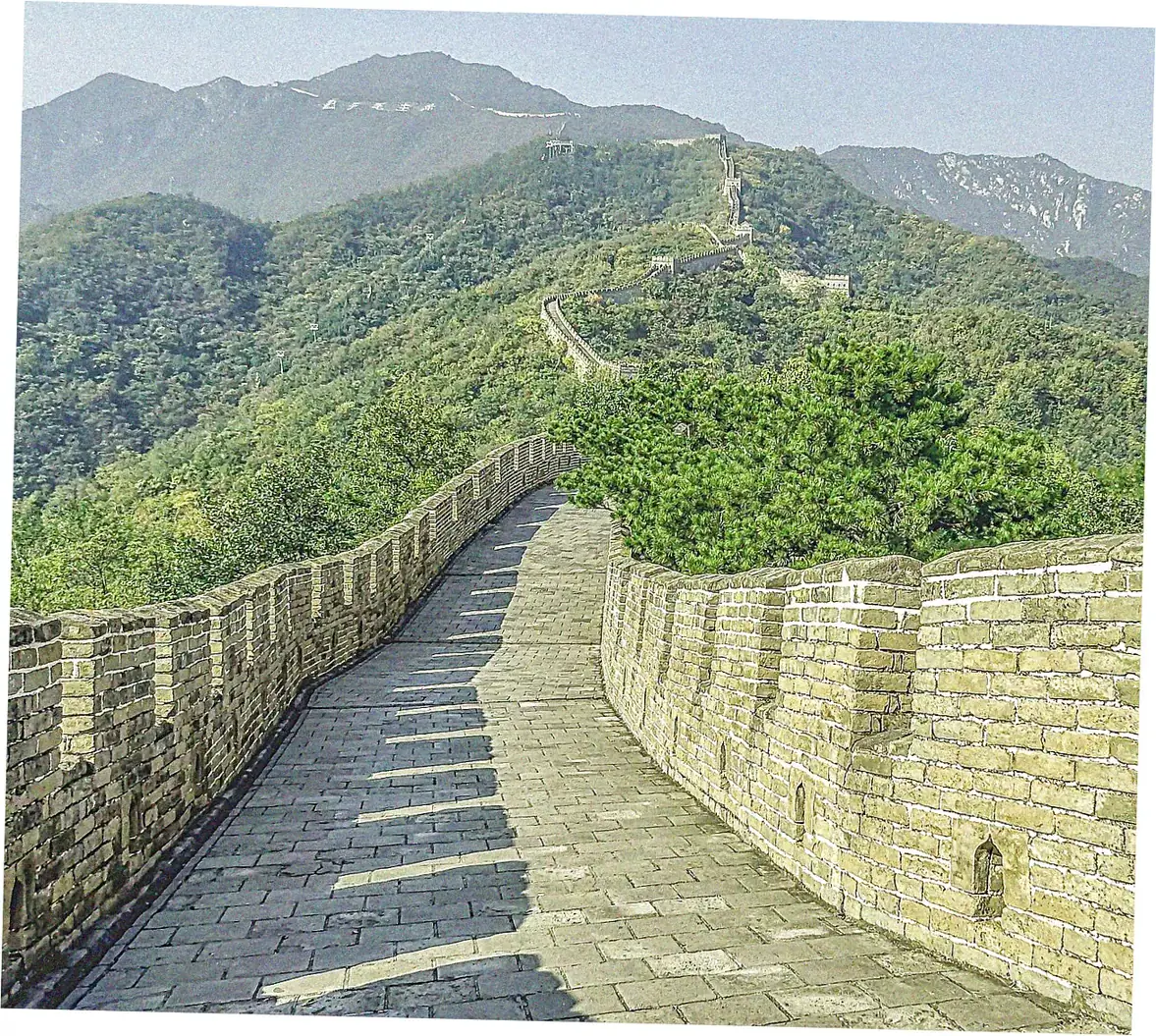
That’s the perfect time for outdoor stuff, like visiting the Great Wall or exploring temples. Lots of tour companies are flexible too. If thunderstorms are coming, they might switch your Summer Palace visit in Beijing from the afternoon to the morning.
For rainy days, cultural spots are great alternatives. You can explore Shanghai’s museums or Beijing’s hutongs and stay dry. Just stay flexible. It might be pouring in one area, but the next region over could be sunny and perfect.
Back in the 2022 rainy season, folks who changed their Beijing-Xian-Shanghai route based on the weather said they were way happier. Tourism surveys showed their satisfaction scores were 40% higher.
Packing Essentials and Gear Recommendations
Having the right gear makes a huge difference. It turns a rainy season trip from a chore into a fun adventure. Sure, bring an umbrella. But also pack quick-dry clothes, like those pants that turn into shorts.
Don’t forget waterproof covers for your backpack and silica gel packs to keep your electronics dry. You can buy cheap rain ponchos at local stores, but they’re not always great. For long days out, you’ll be more comfortable with reliable gear you brought from home.
Pay special attention to your shoes. Waterproof hiking boots are good for the countryside. In the city, you need shoes that drain well and won’t fill up with water. Many seasoned China travelers suggest bringing two pairs of shoes.
Rotate them each day so you always have a dry pair. Protecting your electronics is super important. Toss some silica gel packets in your camera bag to stop moisture. Insurance data shows that damage affects 12% of photographers who aren’t prepared.
Cultural Experiences Enhanced by Rains
Festivals and Seasonal Traditions
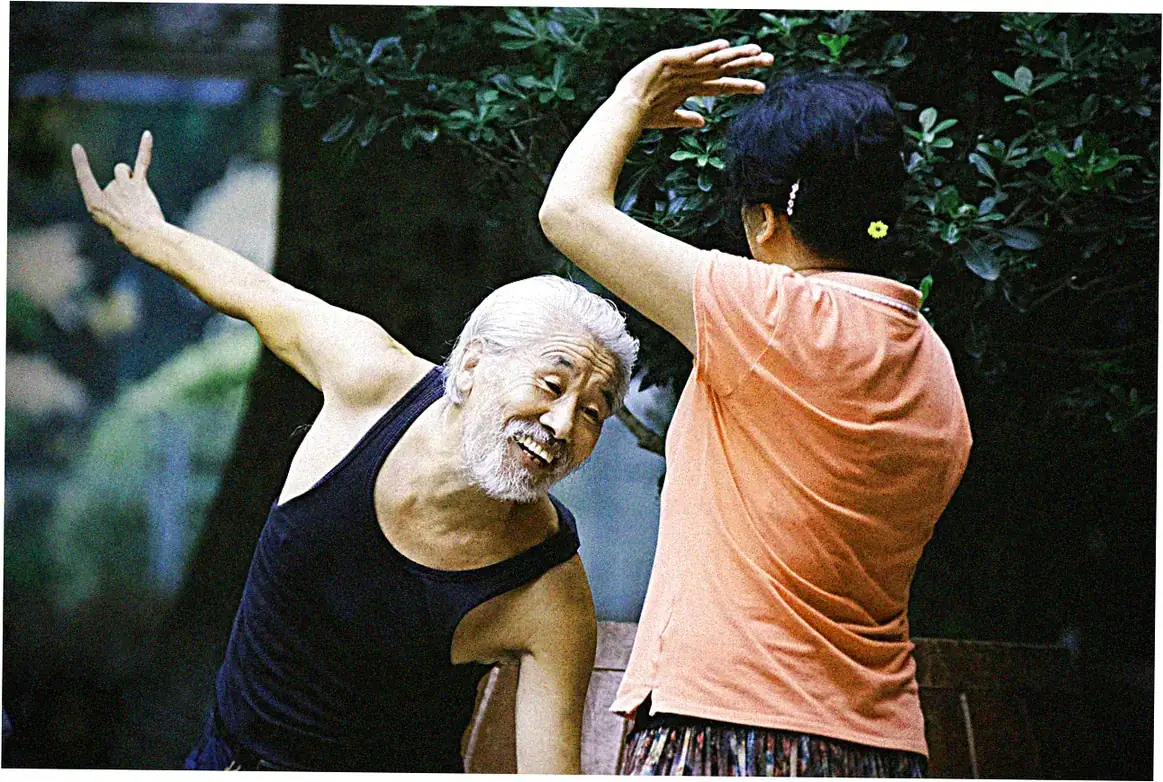
The rainy season intertwines with cultural celebrations including the Dragon Boat Festival and preparations for the Mid-Harvest Festival. People believe the rains purify and renew things, so this time feels special spiritually, even with some practical hassles. Lots of temples have ceremonies to pray for just the right amount of rain—no droughts, no floods. It gives visitors a cool look into farming traditions.
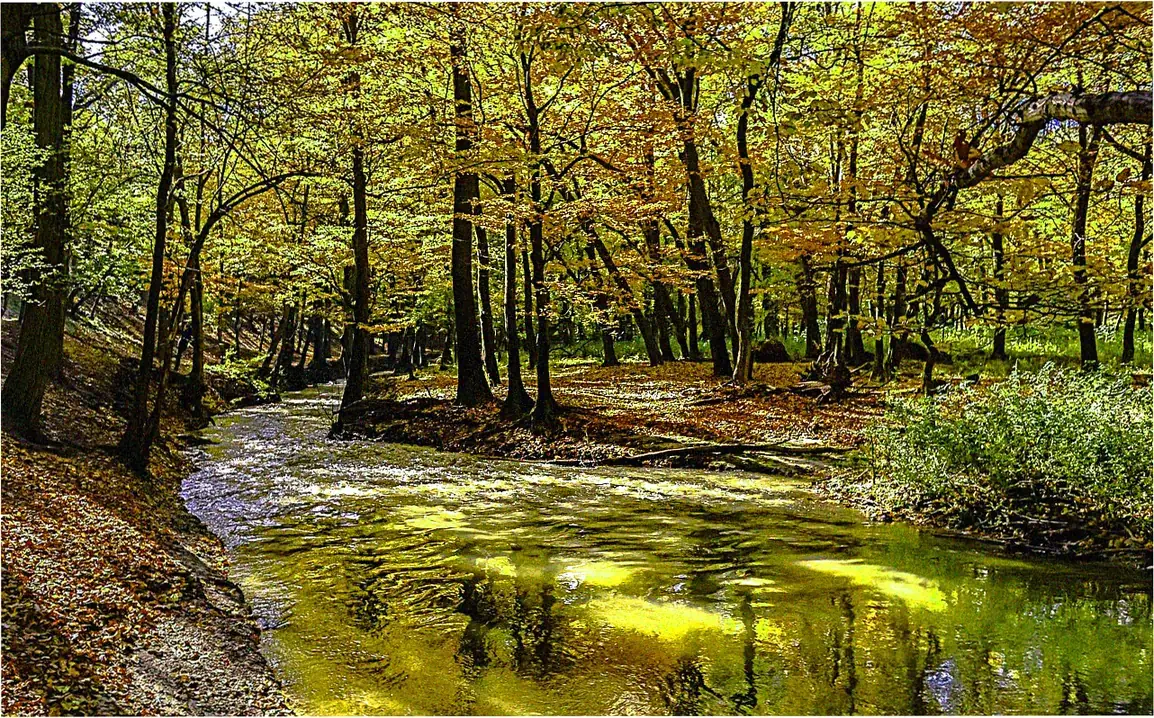
Local folks have come up with rain-friendly fun, like covered market streets and indoor spots for performances. The water towns in Jiangnan get really magical when it drizzles. Mist covers the canals, making everything look dreamy.
These scenes inspired poets for ages. Now, visitors can join writing workshops during the rainy season in spots like Hangzhou’s old pavilions.
Indoor Activities and Cultural Sites
On rainy days, China’s awesome museums and historical sites are great alternatives, and they’re usually less crowded. You can spend hours enjoying the Shanghai Museum’s ceramics collection indoors.
Meanwhile, Beijing’s National Museum shows China’s history with artifacts related to the climate. Many visitors say these indoor trips help them understand how rainfall patterns shaped civilization.
Traditional tea houses turn into cozy spots when afternoon showers hit. They let you experience local life at a chill pace. If outdoor plans get rained out, try calligraphy classes, cooking workshops,
or musical performances—they’re full of culture. Stats show that on rainy days, visitors spend 25% more time at indoor spots. Surveys say this often leads to a deeper cultural experience.
Weather Monitoring and Safety Measures
Forecast Resources and Alert Systems
These days, keeping an eye on China’s rainy season is way easier thanks to modern tech. You can get real-time English alerts from the China Meteorological Administration’s app.
Who to calls like AccuWeather even give you super local forecasts for big cities. Back in the 2023 rainy season, these systems gave people a heads-up about bad storms about 3.2 hours on average. That’s plenty of time to change your plans.
Here’s a tip for travelers: the weather terms can be tricky. Light rain often means a non-stop drizzle, but heavy precipitation usually signals that trains or buses might get delayed.
Lots of hotels now lend out umbrellas and raincoats, and they’ll even give you a personalized weather update. In Shanghai’s fancy hotels, nearly all guests used these services when the rains were heaviest. If you’re staying a while, signing up for your embassy’s alerts adds an extra safety net.

Flood Awareness and Emergency Preparedness
Traveling during the rainy season is mostly safe, but you gotta watch out for flooding in low-lying spots. Cities have gotten much better at drainage since 2010, but a real sudden downpour can still cause problems.
To stay safe, know a different way to get around and skip the underground passages when it’s pouring.
Here’s a handy list of emergency contacts:
| Who to call | How to reach them | They’ll respond | Languages spoken |
|---|---|---|---|
| For weather alerts | Check the CMA’s WeChat | right away | in mainly Chinese and English |
| Tourist help line | just dial 12301 | anytime, day or night | several languages |
| Emergency Who to calls | call 110 or 119 | immediately | mainly Chinese |
Photography and Unique Opportunities
Rain-Enhanced Landscape Photography
During China’s rainy season, you get amazing photo conditions. The mountains get covered in mist, and the streets become reflective, giving you really unique views. That’s why pro photographers plan their trips around this time.
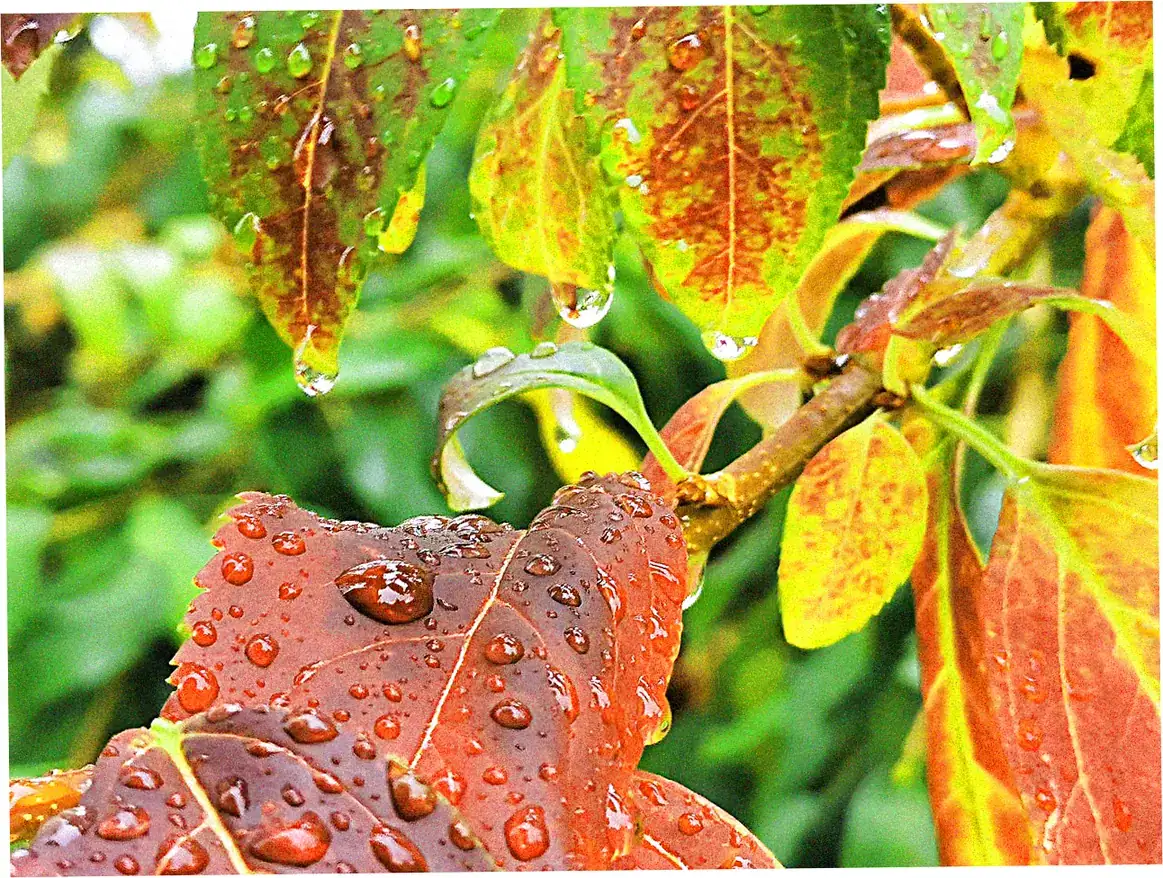
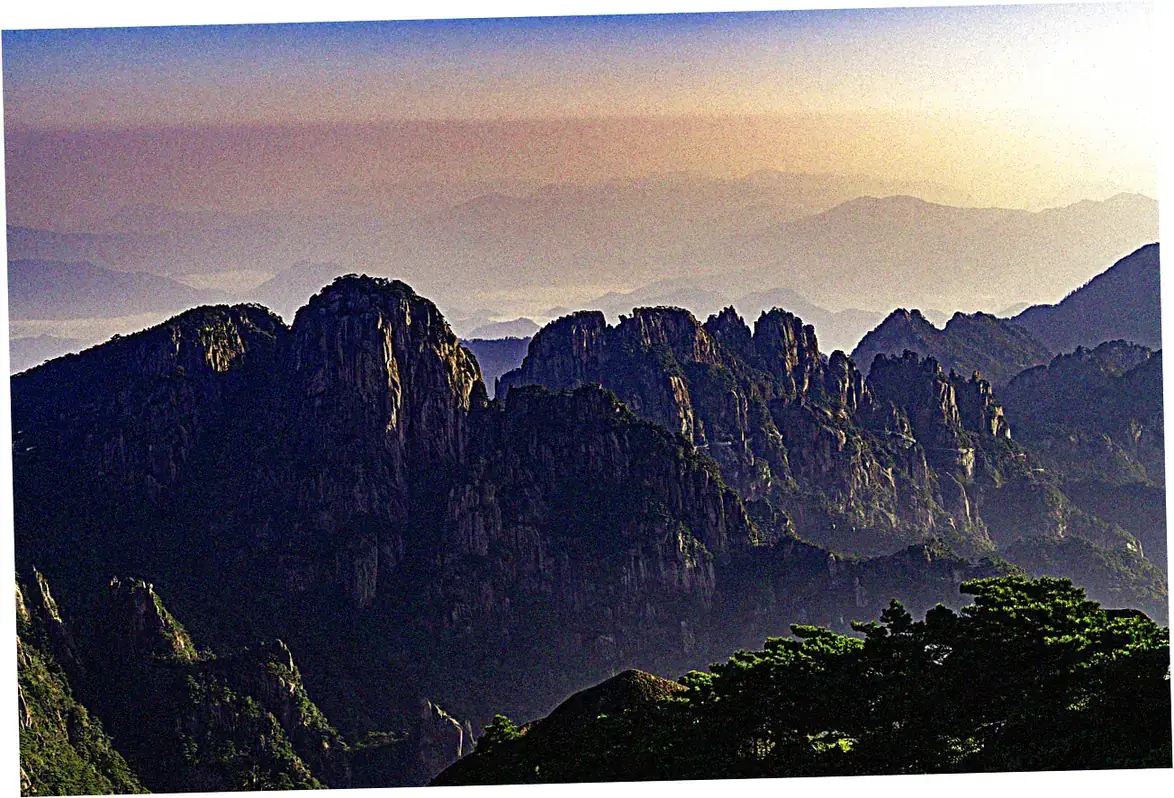
They love the soft, even light that gets rid of all harsh shadows. You can capture some iconic shots you just can’t get when it’s dry. Like water droplets on lotus leaves in Suzhou’s gardens, or mist wrapping around Huangshan’s peaks.
You can keep shooting even when it’s raining if you protect your gear. Try using plastic bags with holes cut for your lens, UV filters that clean easily, and microfiber cloths to dry things off.
The best photos often happen right after the rain stops. That’s when sunlight breaks through the clouds and creates really dramatic lighting. Photos from the rainy season actually get 30% more engagement on social media. People love those unique atmospheric qualities.
Urban Photography and Cultural Moments
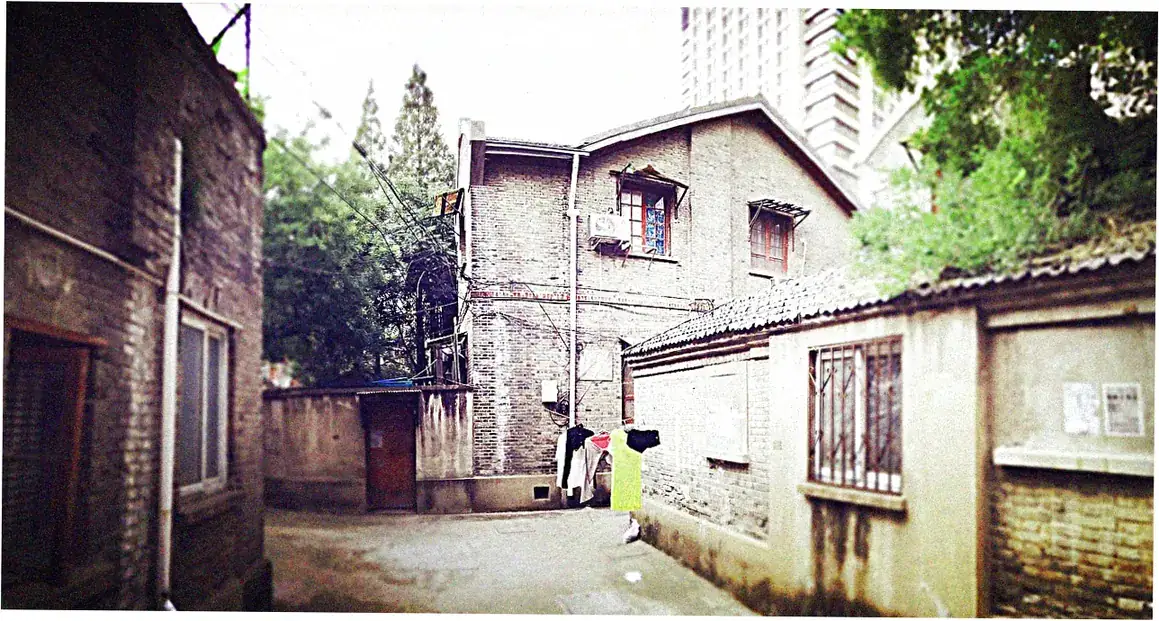
Cities totally transform when it rains. The streets become reflective like mirrors, and colorful umbrellas add pops of color everywhere. You see this cool contrast between ancient buildings and modern rain gear.
It really tells a story about China today. Nights get especially magical with neon signs reflecting on wet pavement. Urban photographers love shooting this.
There are tons of chances to document culture as locals deal with the rain. You’ll see everything from fancy umbrellas to clever ways vendors protect their street food. These real moments often beat those sunny-day clichés.
In fact, 68% of pro travel photographers actually prefer shooting culture photos in the rain, according to surveys. The trick is to go with the weather instead of fighting it.
China’s rainy season isn’t just about inconvenience. For flexible travelers, it offers unique cultural insights, great photo ops, and experiences without the crowds.
If you understand the regional patterns and pack right, you can turn those potential challenges into some of your most memorable trip moments. The plum rains have shaped Chinese culture for thousands of years.
When you embrace this weather phenomenon, you feel a deeper connection to the land and its people.
Ready to experience the magic of China’s rainy season? Grab our custom packing checklist and regional weather guide to start planning your smart weather adventure.
Our travel consultants give real-time advice based on the latest forecasts. They’ll help you catch those sunny breaks between the showers.
Here are some common questions people ask
So when exactly does China’s rainy season happen?
It really depends on where you are in China. Down south in places like Guangdong, the rains come from April through September. Over in the Yangtze River area, including Shanghai, June and July get the most rain.
Up north in Beijing, July and August are the wettest months. So it doesn’t all happen at once across the country – the timing’s spread out.
What about those popular Beijing-Xian-Shanghai tours during rainy season?
Each city gets different weather. Beijing gets quick afternoon storms, Xian has steady moderate rain, and Shanghai often has those long drizzles that just hang around.
Tour companies are pretty flexible now – they’ll switch up the route order depending on the forecast. They try to do outdoor stuff in the mornings and keep indoor activities as backup for when it rains.
Can you still have fun outdoors during the rainy season?
Definitely! With the right gear, lots of outdoor activities are still great. Actually, light rain means fewer crowds at popular spots, so you might get a more personal experience.
Just keep an eye on hourly forecasts and plan around the rain. Mornings are usually drier, and many rain showers don’t last long – you can just wait them out.
What about cultural events like the Mid-Harvest Festival during rainy season?
The rainy season usually wraps up before the Mid-Harvest Festival in late September, though you might get some early rain sometimes. Communities set up lots of covered areas for celebrations anyway.
Plus, rain is actually considered lucky – it symbolizes good harvest and new beginnings. Most traditional activities can easily move indoors if needed.

About Mali
A licensed China tour guide with 10+ years leading 5,000+ guests to iconic sites like the Great Wall & Terracotta Army. Expert in seamless tours, cultural insights, and VIP access!