Imperial gardens are super special in history. They mix nature, buildings, and culture into amazing views. You’ve got famous spots like Tokyo’s Imperial Palace East Gardens, plus hidden gems worldwide. They show you history and give peaceful breaks from busy city life. Planning a trip? Wondering about their history? Or just need ideas? This guide’s got you covered – with tips, secret spots, and pro advice about imperial gardens.
Table of Content
- Best time to visit Imperial Palace East Gardens
- How to navigate Imperial Gardens without getting lost
- Imperial Gardens with the most stunning seasonal flowers
- Hidden historical gems within Imperial Gardens
- Imperial Gardens that offer guided tours in English
- Photography tips for capturing Imperial Gardens beauty
- Imperial Gardens with the best cherry blossom views
- Where to find authentic tea ceremonies in Imperial Gardens
- Accessibility features at major Imperial Gardens
- Imperial Gardens that allow picnics and relaxation
- How Imperial Gardens change with the seasons
- Nearby attractions to combine with Imperial Gardens visits
- Virtual tours of Imperial Gardens for remote exploration

Best time to visit Imperial Palace East Gardens
Tokyo’s Imperial Palace East Gardens are great anytime. But every season has something special.
Spring’s best – especially late March to early April – for those pretty cherry blossoms. All those cherry trees pop with pink and white flowers. It feels like magic.
Summer’s all green and gorgeous, but kinda sticky. Fall (late Oct to early Nov) has awesome leaf colors. Winter’s more chill – fresh air and way less people. The garden experts say: go on weekdays or early to beat the crowds. Make sure to see Ninomaru Grove – it’s got seasonal flowers and peaceful ponds.
How to navigate Imperial Gardens without getting lost
Imperial gardens can be confusing – especially old ones like the East Gardens.
First thing – grab a free map at the gate or download one. Look for old gates and guardhouses – they’re good landmarks.
The gardens have three parts: Honmaru (main), Ninomaru (middle), and Sannomaru (outside). Following the water ditches and walls helps you stay on track. A guided tour makes it easier – they often have different languages. Like Tokyo expert Yuki says, the gardens were built for defense. Stay on main paths to see the good stuff without getting lost.
Imperial Gardens with the most stunning seasonal flowers
Other imperial gardens around the world also have amazing flowers.
Tokyo’s Shinjuku Gyoen isn’t officially imperial, but it was royal once. It’s got 1,000 cherry trees! Kyoto’s Sento Imperial Garden rocks plum blossoms in late winter and irises in early summer.
London’s Kew Gardens (it’s royal too) has awesome rhododendrons and magnolias in spring. Plant expert Dr. Green says imperial gardens pick special plants – local and foreign – not just for looks but for what they mean. Check each garden’s flower schedule for perfect timing.
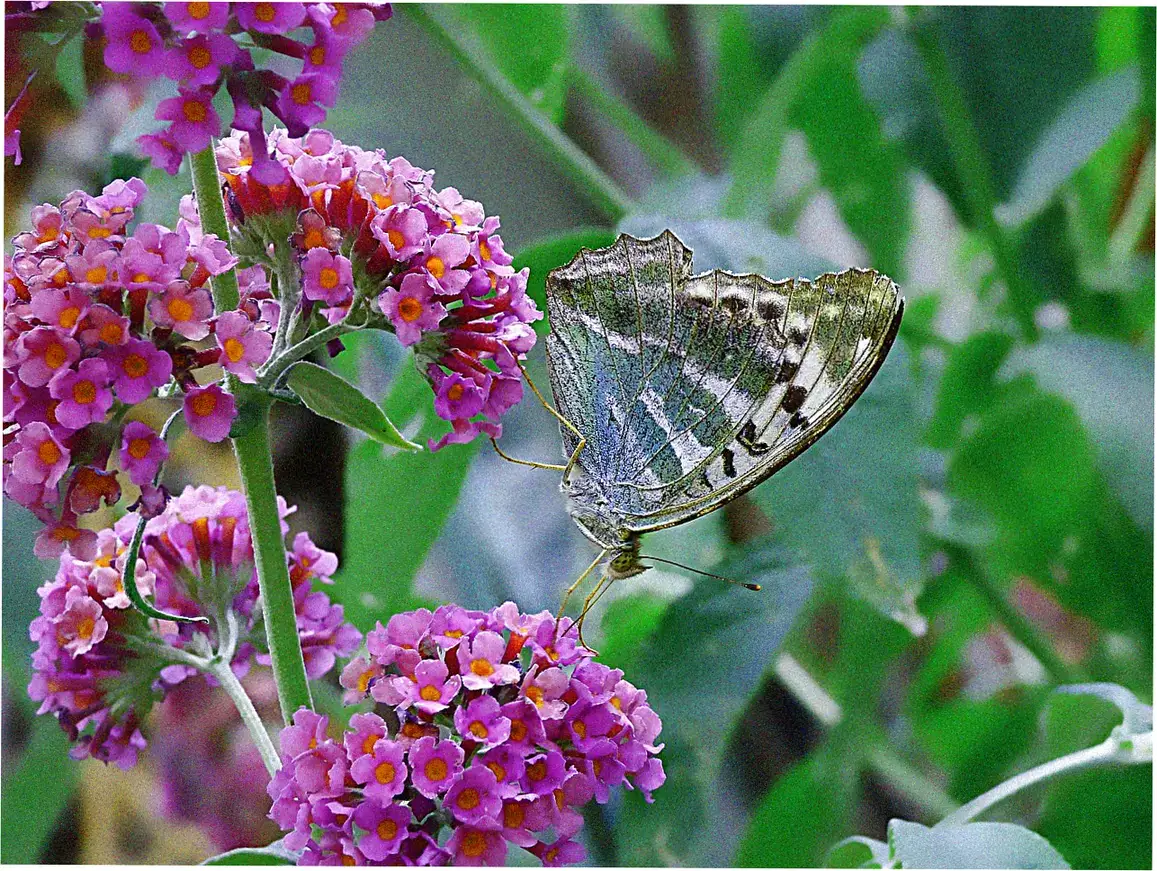
Hidden historical gems within Imperial Gardens
Imperial gardens hide cool historical stuff most people miss.
At the East Gardens, check out the old castle ruins (Tenshudai) – great views and Edo-era building styles. Ninomaru has a classic teahouse for real tea ceremoniesremonies.
Vienna’s Schönbrunn Palace garden has the Neptune Fountain and Roman Ruins – full of Habsburg history. Historian Dr. Weber says these gardens weren’t just pretty – they showed off power and culture. Everything there means something. Read the signs or get audio guides to learn these cool stories.

Imperial Gardens that offer guided tours in English
If you don’t speak Japanese, tours make imperial gardens way better.
East Gardens give free English tours weekly – they show moats and old castle spots. Beijing’s Summer Palace has audio guides in many languages explaining its garden design.
Kew Gardens does walks about its royal connections. Guidebook writer Tanaka says book early – tours sell out fast in busy times. He adds:
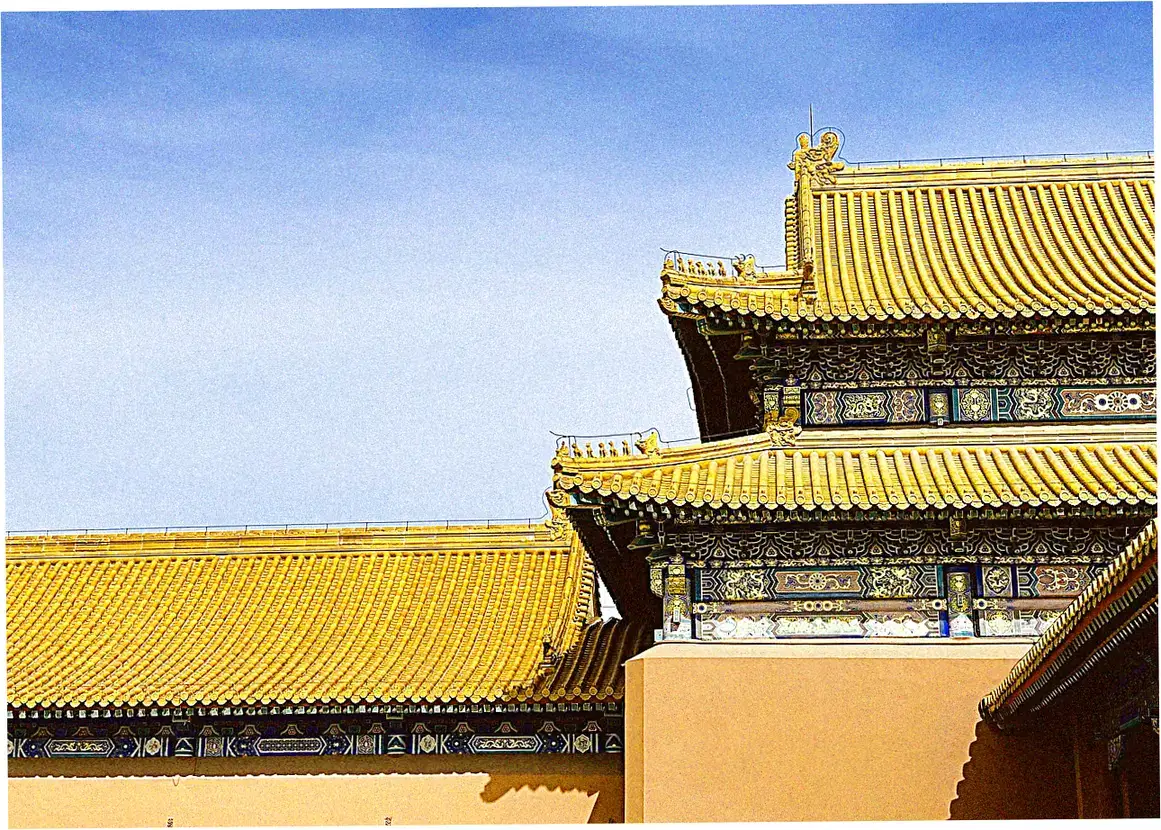
Photography tips for capturing Imperial Gardens beauty
Imperial gardens are perfect for photos, but you need some tricks.
Best light? Early morning or late afternoon – makes everything look great. Zoom in on mossy rocks, water reflections, or fancy gravel patterns in dry gardens.
Use wide shots for big views, close-ups for tiny flowers and bugs. Pro photographer Sato says: Mix old with new, nature with man-made – makes better stories. Watch for no-photo zones, especially near old important stuff.

Imperial Gardens with the best cherry blossom views
East Gardens are famous for cherry blossoms, but others are just as pretty.
Kyoto Imperial Park’s droopy cherry trees are amazing in early April. Tokyo’s Kitanomaru Park near the palace has cherry blossoms with fewer people.
Try Hama-rikyu Gardens – old teahouses with cherry blossoms against city skyscrapers. The cherry blossom experts say these are top spots – history plus nature makes perfect flower viewing. Check bloom times each year – they change.

Where to find authentic tea ceremonies in Imperial Gardens
Some imperial gardens do real tea ceremonies – great Japanese culture taste.
In Tokyo, the East Gardens Ninomaru area occasionally holds public ceremonies, especially during cherry blossom and autumn leaf seasons. Kyoto’s Sento Garden does regular tea events in super old teahouses.
Tea pro Sen says: You’ll usually need to book ahead and pay about ¥500-1000. Wear nice clothes and be ready to sit on floor mats.

Accessibility features at major Imperial Gardens
Lots of imperial gardens are getting better for accessibility.
East Gardens rent wheelchairs and have smooth paths on 70% of the area. Some old spots are bumpy though. Accessible bathrooms are by each entrance.
Kyoto’s park has touch maps for blind visitors. Access experts say keeping history intact is hard, but most imperial gardens now help disabled visitors. Check the garden’s website first – some spots might be off-limits to protect history.

Imperial Gardens that allow picnics and relaxation
Some imperial gardens ban food, but others are picnic-friendly.
East Gardens have picnic spots – great for cherry blossom viewing parties. Outer palace gardens like Kitanomaru are more chill – lots of grass for picnics.
But inner palace gardens usually say no to picnics – gotta protect the plants. The park rules say: clean up after yourself and keep quiet. Bring a small mat – benches fill up fast when it’s busy.
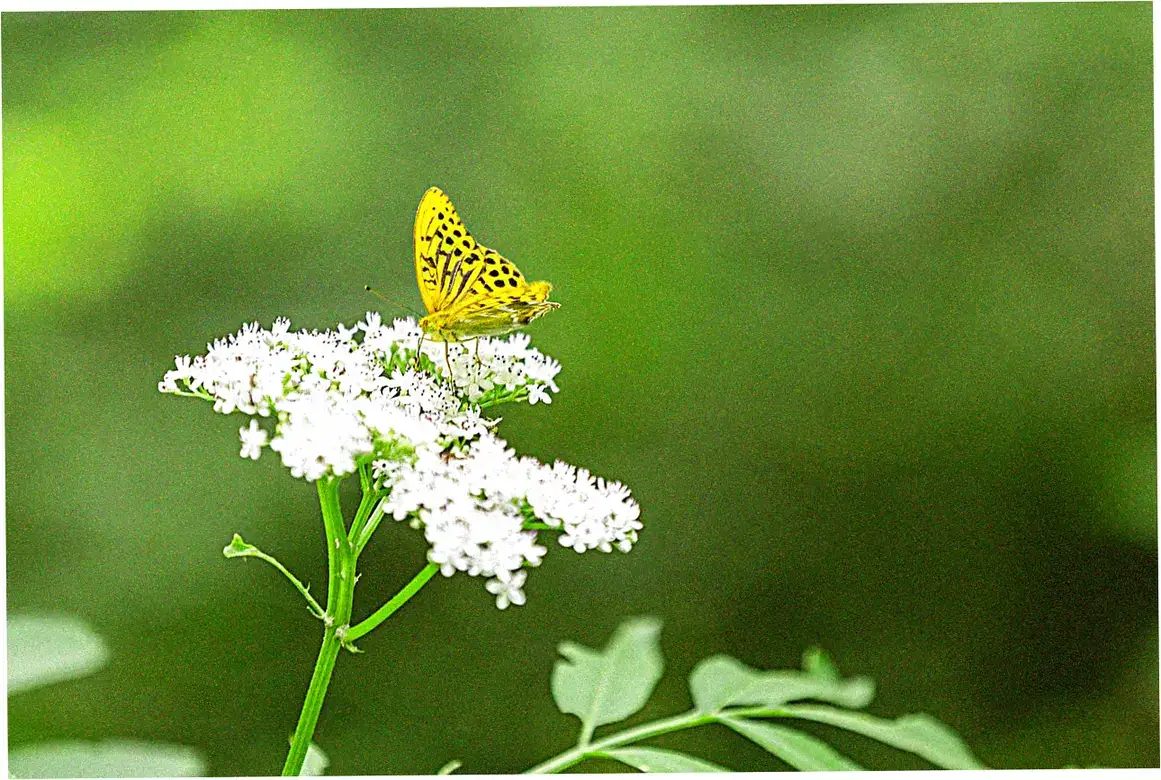
How Imperial Gardens change with the seasons
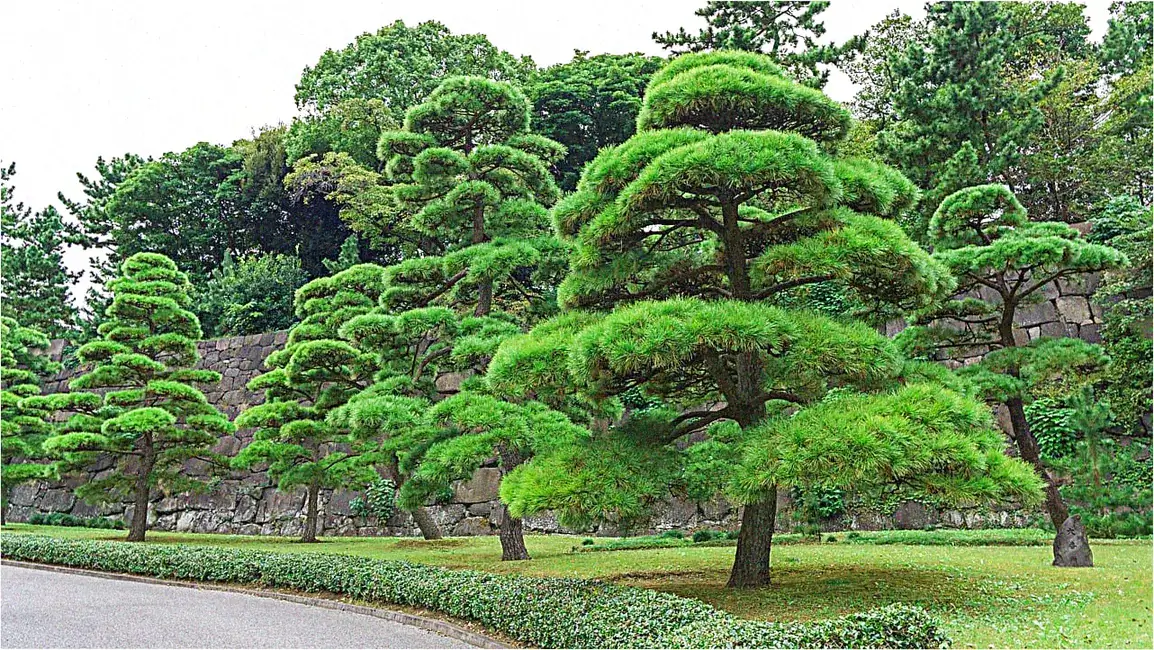
Imperial gardens change beautifully with the seasons. Spring: cherry blooms. Summer: lotus flowers and green. Fall: red and gold leaves. Winter: snowy pines.
East Gardens have a special path showing plants at their best each season. Curator Yamamoto says: Check garden websites for seasonal guides – they’ll tell you what’s blooming or happening.
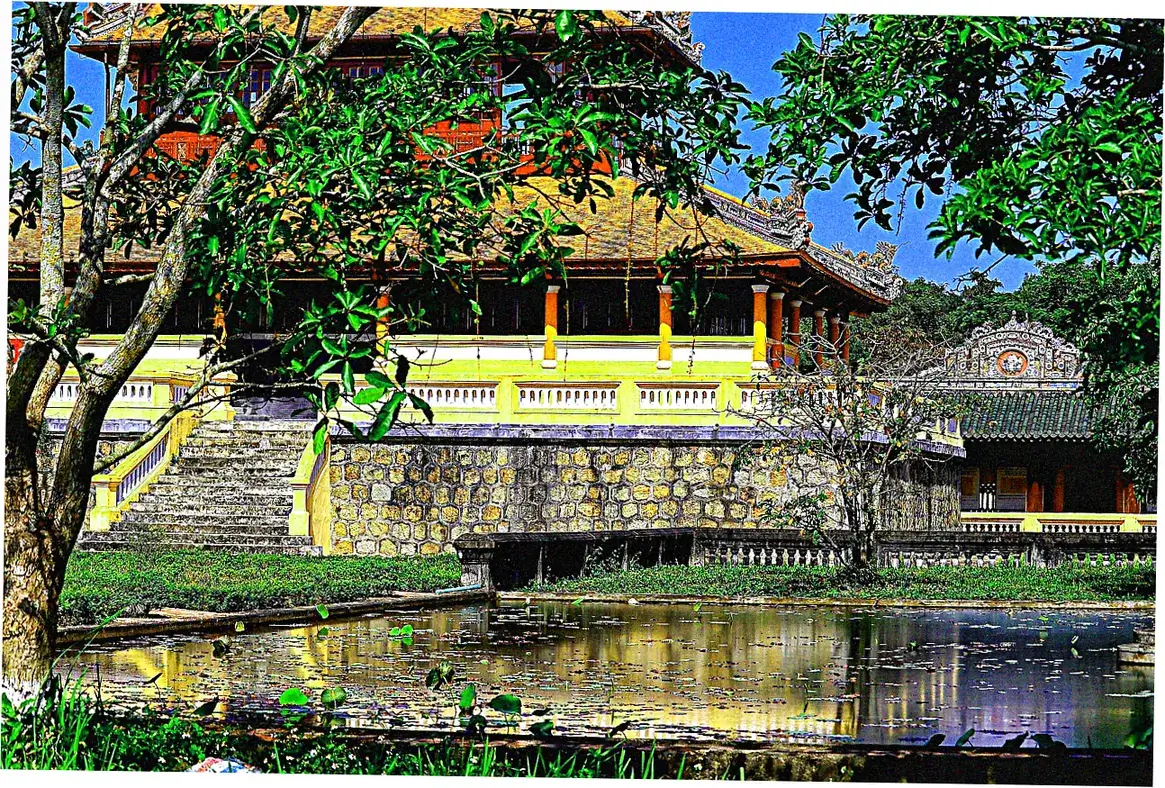
Nearby attractions to combine with Imperial Gardens visits
Cool stuff is usually near imperial gardens.
After East Gardens, hit the palace plaza or modern art museum close by. In Kyoto, the Imperial Palace and Sento Imperial Garden are close to Nijo Castle and the Kyoto Gyoen National Garden.
London’s Kew Gardens pairs well with a visit to the nearby Richmond Park or Hampton Court Palace. Travel blogger Sarah Chen suggests, Grouping these attractions makes for a rich day exploring both nature and history. Many cities offer combination tickets or guided tours that cover multiple sites, saving time and money while providing deeper context.
Virtual tours of Imperial Gardens for remote exploration
Can’t visit in person? Many imperial gardens now offer virtual experiences.
The Imperial Household Agency’s website features 360-degree tours of the East Gardens, complete with historical commentary. Google Arts Culture has high-resolution images and virtual walks of gardens like Vienna’s Schönbrunn and China’s Summer Palace.
During the pandemic, several gardens introduced live-streamed guided tours—some continue these as a service for international visitors. As digital curator Mark Johnson explains, While nothing replaces being there, these tools make imperial gardens accessible to everyone, regardless of location or mobility. Some virtual tours even include augmented reality features that reconstruct historical elements no longer physically present.
Imperial gardens are more than just beautiful spaces—they’re living museums that tell stories of empires, artistry, and humanity’s relationship with nature. Whether you’re planning a visit or exploring from afar, we hope this guide helps you appreciate these remarkable landscapes. Ready to experience imperial gardens for yourself? Check official websites for the latest visitor information, and consider supporting their preservation through donations or memberships. Your next unforgettable garden adventure awaits!

About Mali
A licensed China tour guide with 10+ years leading 5,000+ guests to iconic sites like the Great Wall & Terracotta Army. Expert in seamless tours, cultural insights, and VIP access!