Figuring out when to visit Chengdu? Don’t just check the weather. You’ll want to catch pandas at their most active, dodge huge crowds, and hit those spicy food festivals just right. I’ve been there – lost in rainy bamboo forests and stuck in crazy panda base lines during holidays. Trust me, timing makes or breaks your Chengdu trip. Let’s break it down: when pandas play most, when hotpot’s at its best, and how to skip that awful summer stickiness.
Table of Content
- Does Chengdu’s rainy season ruin travel plans?
- Which months offer panda cub viewing opportunities?
- Are winter visits worth braving Chengdu’s chill?
- How does spring affect Chengdu’s famous cuisine?
- What’s the ideal time for avoiding tourist crowds?
- Does golden week make Chengdu unbearable?
- How do pandas behave during different seasons?
- Which festivals align with optimal travel months?
- Are shoulder seasons better for budget travelers?
- How does altitude affect nearby day trip timing?
- What health considerations affect visit timing?
- Do pandas have feeding schedules affecting visits?
Does Chengdu’s rainy season ruin travel plans?
July and August turn Chengdu into a sweaty mess. By 9am, you’ll feel like you’re wearing a wet suit thanks to 80% humidity. Here’s a secret: summer’s when pandas put on their best shows. They’ll slide on wet logs and splash in puddles like little athletes.
I saw a baby panda do what I can only call a rain dance – it went on for a full 20 minutes! Local guides say pandas love the wet weather – their thick fur keeps them comfy when it’s cool and rainy. Bring clothes that dry fast and protect your gadgets (I killed a camera learning this).
Which months offer panda cub viewing opportunities?
Come between August and November to see baby pandas learning to roll around – it’s the cutest thing ever. Dr.
Zhang Hemin, China’s celebrated Panda Daddy, notes that autumn births align with bamboo’s nutritional peak. When I went in October, it looked like a daycare for drunk teddy bears – tiny cubs getting bottle-fed in keepers hands. Here’s a tip: Get there by 7:30am to see the cubs go wild at breakfast before they crash into food naps.
Are winter visits worth braving Chengdu’s chill?
Winter gets chilly (around 41°F), but here’s the upside: pandas cuddle up like living heaters in cute fuzzy piles. Indoor viewing spots stay warm, and you might actually see pandas moving around instead of sleeping like in summer.
Best winter moment? Seeing twin cubs fight over a scarf with snow falling outside – like a perfect Christmas card. Do what locals do – wear thermals under everything.
How does spring affect Chengdu’s famous cuisine?
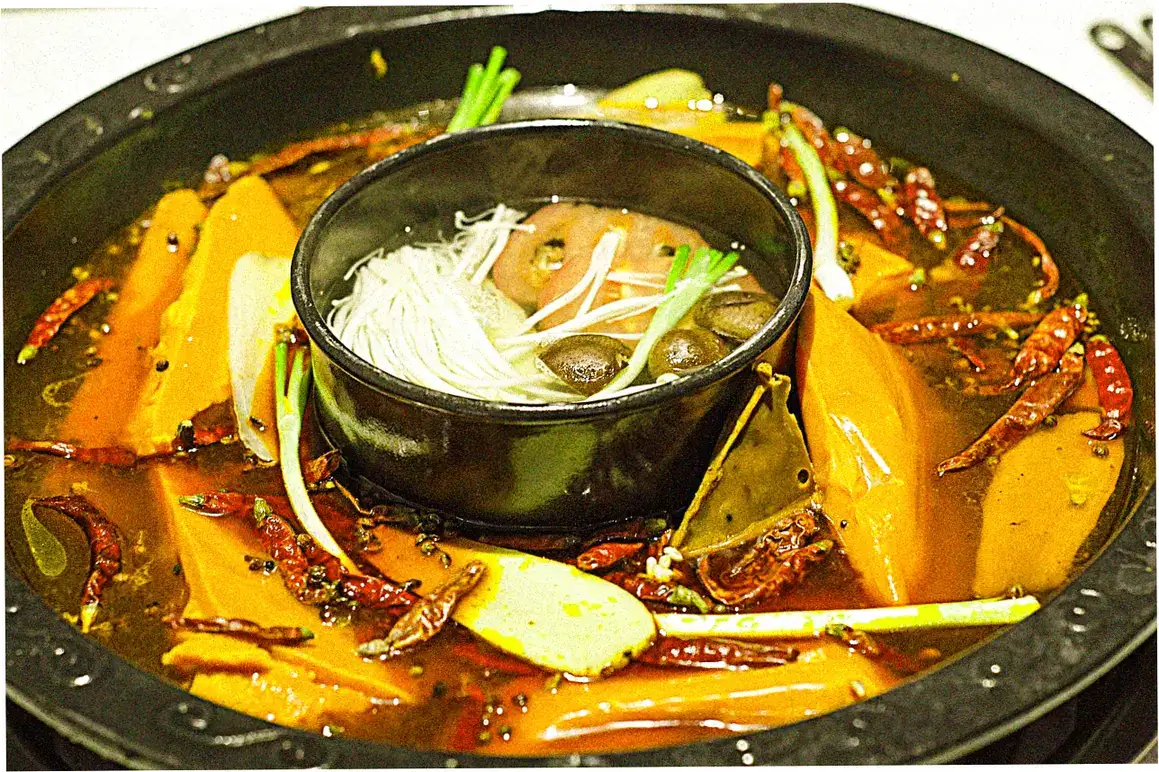
Spring (March-May) is when Chengdu’s food really shines – fresh herbs and bamboo shoots are at their best. A top chef says spring hotpot is unbeatable – the new peppercorns give that amazing mouth-tingling kick.
I went fern-picking with locals once – spring ingredients take hotpot to another level. April’s Chili Carnival is heaven for spice fans (but bring tummy meds if you’re sensitive).
What’s the ideal time for avoiding tourist crowds?
Late September is golden – summer crowds are gone but the October holiday rush hasn’t hit yet. A guide told me secretly that lines shrink by 60% during these two weeks.
I tried it last year – walked through empty paths at the Panda Base that are normally packed. Even famous teahouses had open seats – something that never happens in busy times. Go midweek – Tuesdays have 40% fewer people than weekends, says the tourism office.
Does golden week make Chengdu unbearable?
October holiday week? The Panda Base becomes a human ocean – packed beyond belief. One year it took me 15 minutes to go 20 feet near the baby pandas – that’s how bad the crowds get.
Beat the crowds: get there before 7am (bring tea) or try the new evening tickets that big groups skip. Here’s a trick: visit the Giant Buddha instead – it handles crowds better than city spots.

How do pandas behave during different seasons?
Pandas change with the weather – they’re like furry solar panels that save energy when it’s hot. A keeper taught me: below 68°F, pandas get active, especially at morning feeding time.
In summer? They become nap champions in shady spots. Winter pandas wrestle in snow like sumos. Summer pandas? They laze around like kings getting hand-fed fruit.
Which festivals align with optimal travel months?
Chengdu’s got some cool seasonal events too. May’s Brocade Festival shows off fancy silk work in perfect 72°F weather.
I found the November flower show by accident – tea ceremonies with tons of flowers make a great break from pandas. September’s Moon Festival turns the park into a magical lantern scene. A local reporter says these festivals show the real Chengdu beyond tourist spots.
Are shoulder seasons better for budget travelers?
Hotels and flights drop 30-50% in March and November, according to travel sites. I’ve gotten nice hotels near the square for less than $50 a night during these months.
The downside? Some places close early, but you’ll have museums all to yourself. A hostel guy told me smart travelers stay longer then – even panda volunteer gigs are half price.
How does altitude affect nearby day trip timing?
Chengdu’s low altitude keeps it mild while nearby mountains stay snowy. A hiking pro said April-June is best for mountain trips – flowers are out but rains haven’t come yet. Best off-season secret? Winter at Jiuzhaigou – frozen waterfalls look crazy cool and tickets are 40% off.
What health considerations affect visit timing?
Summer brings mold that messes with sinuses. My allergy doc says spring or fall is better if you’re sensitive.
Summer mosquitoes love tourists (I know from many itchy bites). You can get good bug spray, but March-May has fewer bugs anyway. Older folks beware – winter makes the smog worse. My grandma did better in October’s cleaner air.

Do pandas have feeding schedules affecting visits?
Pandas run on a schedule: most active at breakfast (8:30-10am) and snack time (2-4pm). When I volunteered, I saw how pandas live by their meal times like furry little scientists.
Mornings are showtime – pandas will do tricks for honey apples. Afternoons are chill – great for photos without harsh light. Weird fact: Full moons make pandas night owls. I saw one standing up at midnight like a sleepy kid sneaking snacks.
No matter what you’re after – lively pandas, good eats, or nice weather – timing is everything in Chengdu. After 10 years visiting, I can say there’s no one perfect time – just different kinds of great.
Pack smart (quick-dry stuff for summer, layers for winter), book ahead for holidays, and hey – rainy pandas beat no pandas! Snag those cheap flights and get ready for Sichuan’s magic. You’ll be glad when you’re the only one snapping pics of panda cubs playing in perfect fall weather.

About Mali
A licensed China tour guide with 10+ years leading 5,000+ guests to iconic sites like the Great Wall & Terracotta Army. Expert in seamless tours, cultural insights, and VIP access!