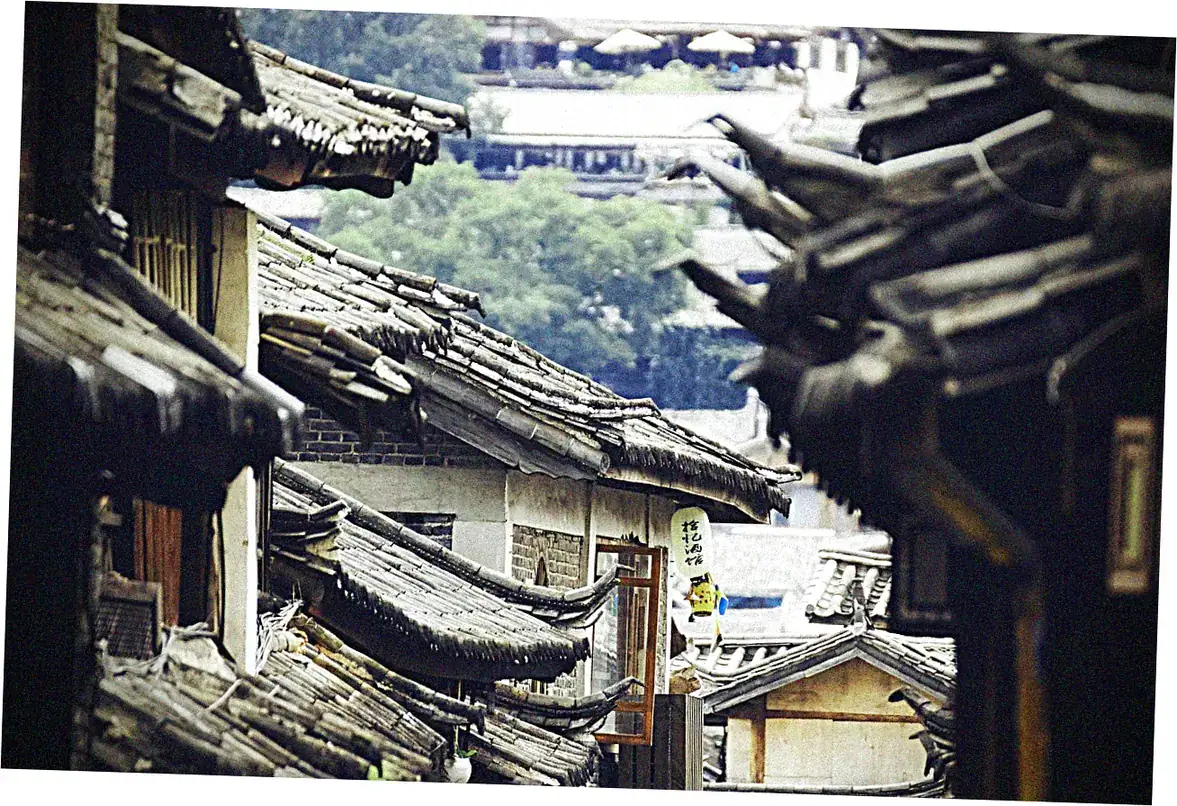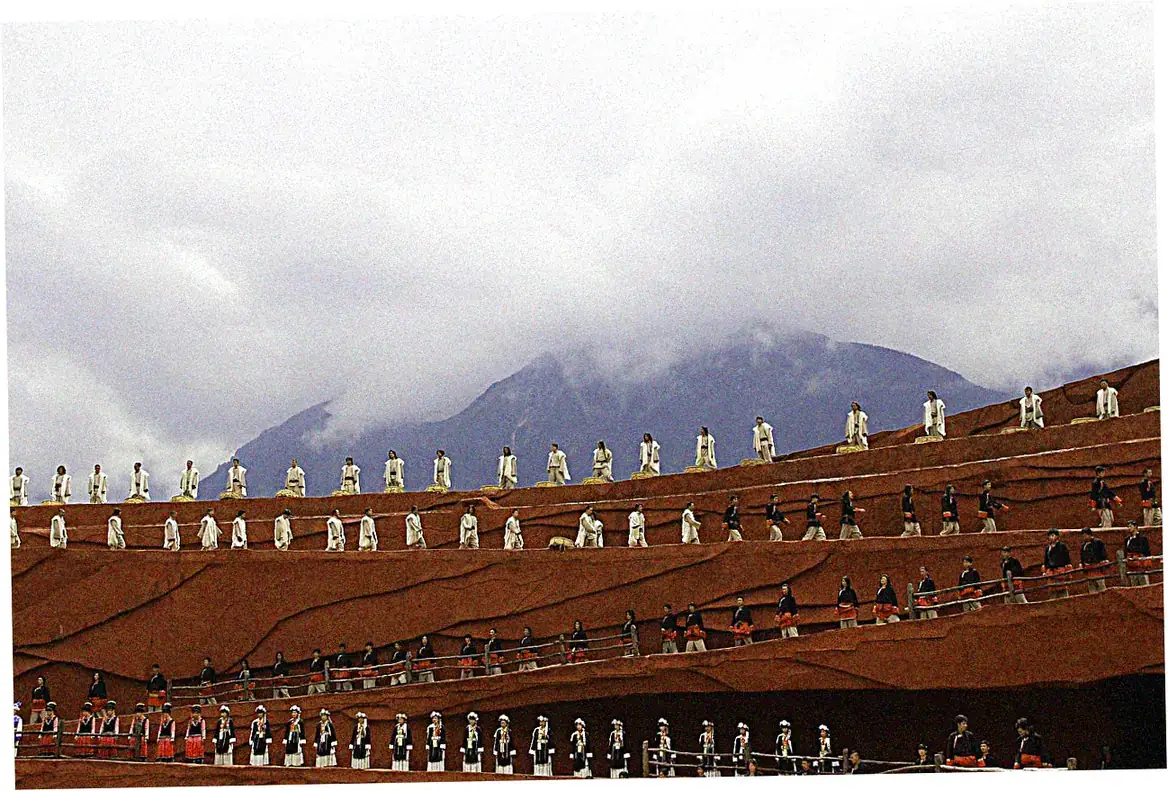
Lijiang is a UNESCO spot in Yunnan, China. It’s got this awesome mix of old-school charm and stunning nature. You’ve got the cobbled streets of Old Town and the snowy Jade Dragon Mountain. So many cool places to check out in Lijiang! No matter if you’re into history, nature or culture, Lijiang won’t disappoint. I’ve wandered those twisty alleys and busy markets myself – trust me, the place is special. Let me show you the best spots that make Lijiang so amazing.
Table of Content
- 1. Lijiang Old Town: A Living Museum
- 2. Jade Dragon Snow Mountain: Nature’s Masterpiece
- 3. Tiger Leaping Gorge: Adventure Awaits
- 4. Black Dragon Pool: Picture-Perfect Serenity
- 5. Shuhe Ancient Town: Lijiang’s Quieter Cousin
- 6. Baisha Village: Artistic Heritage
- 7. Lashi Lake: Wetland Wonderland
- 8. Yufeng Temple: Spiritual Sanctuary
- 9. Dongba Valley: Cultural Immersion
- 10. Lijiang’s Culinary Delights
- Conclusion and Call to Action
- FAQ About Interesting Places to Visit in Lijiang
1. Lijiang Old Town: A Living Museum
1.1 The Heart of Naxi Culture
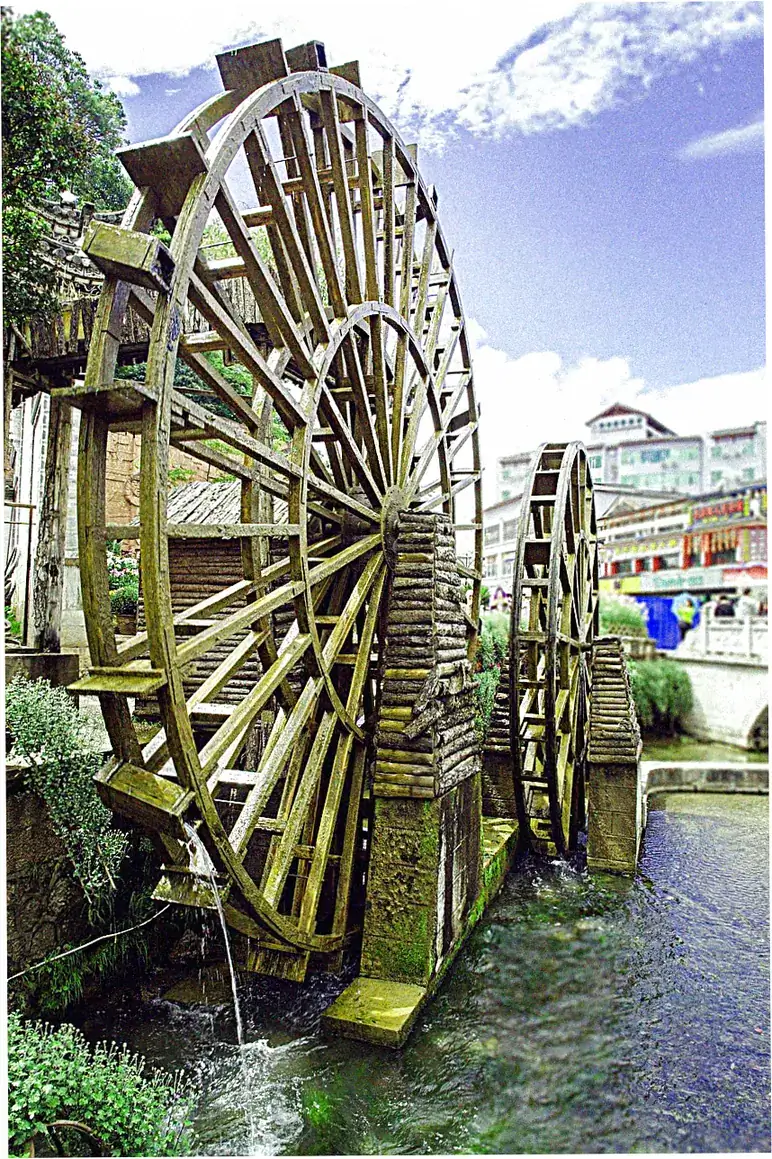
Lijiang Old Town is 800 years old and totally worth seeing. With all its canals and bridges, folks call it the Venice of the East. When I walked through Square Street, I noticed how the Naxi keep their Dongba culture alive, even with all the tourists.
The Naxi are one of China’s ethnic groups. They’ve kept their picture writing and cool music traditions. You gotta catch the Naxi music shows in town. The old instruments will give you chills – like stepping back in time. UNESCO says it’s some of the oldest music around.
1.2 Architectural Marvels
The buildings mix Han, Tibetan and Bai styles in cool ways. Check out the wooden houses – tiled roofs and fancy carvings everywhere. What’s crazy is these buildings survive earthquakes – they’ve stood for centuries through lots of shakes.
For the best Naxi buildings, see the Mu Family Mansion. Built in Ming times, it shows off how rich and powerful Lijiang’s old rulers were. All the detailed carvings and gardens show how the Naxi really connect with nature.
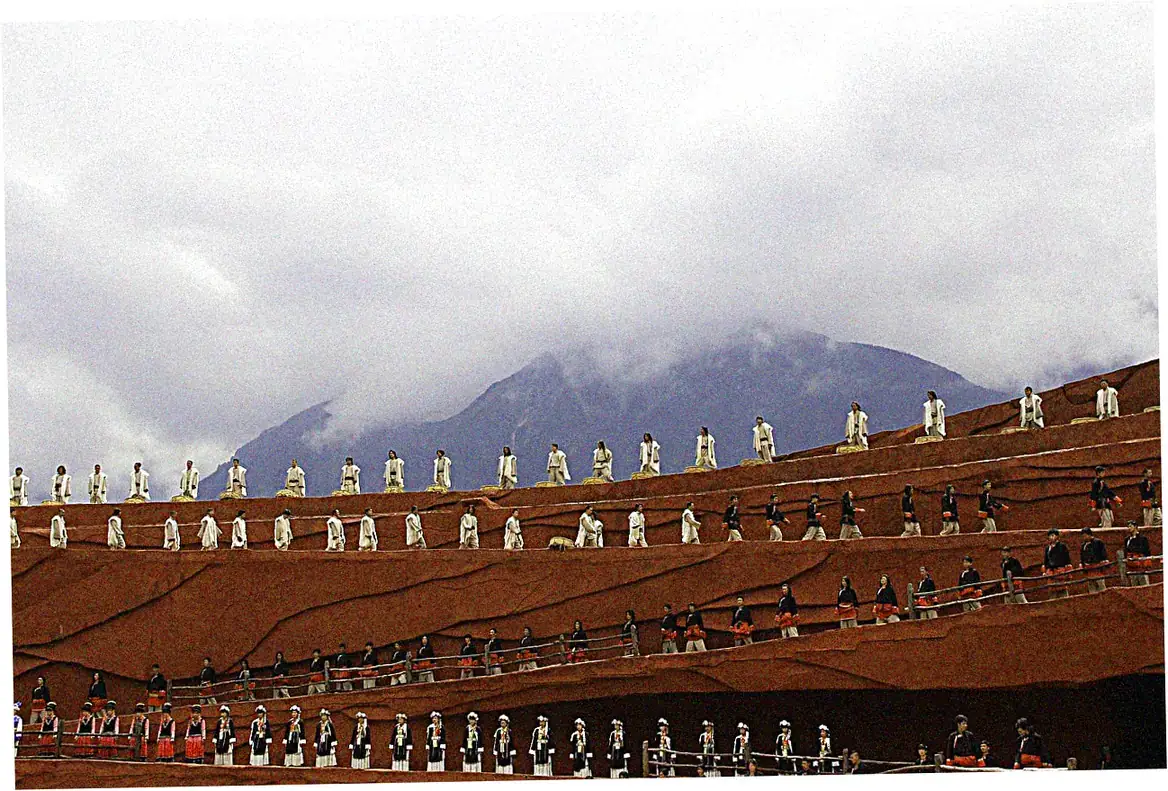
2. Jade Dragon Snow Mountain: Nature’s Masterpiece
2.1 The Majestic Peak
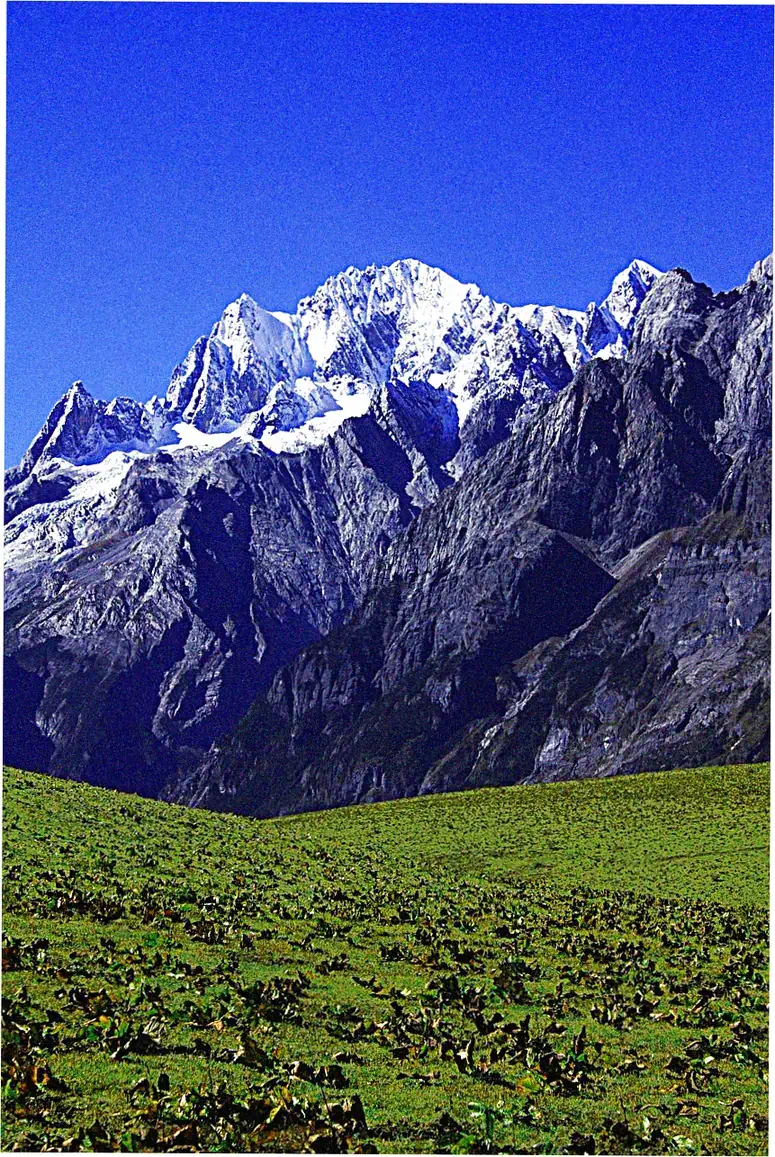
Jade Dragon Snow Mountain towers over Lijiang at 5,596 meters. It’s one of the most jaw-dropping sights here. The 13 peaks look like a jade dragon in the clouds. Sunrise is unreal. I still remember seeing it at dawn – snow peaks turning pink in the morning light. Amazing.
The Naxi see the mountain as sacred – like a protective god. Scientists say the glacier’s shrinking fast from climate change. Better see it soon. Take the cable car up for awesome views and snow any time of year.
2.2 Blue Moon Valley
Down below, Blue Moon Valley has these crazy blue pools that mirror the mountain. The water changes colors all day – looks magical. Local photographers told me when the light’s best for photos.
Walking paths go past waterfalls and flower-filled meadows. The government works hard to keep this delicate place untouched. Stay on the paths to protect this gorgeous photo spot.
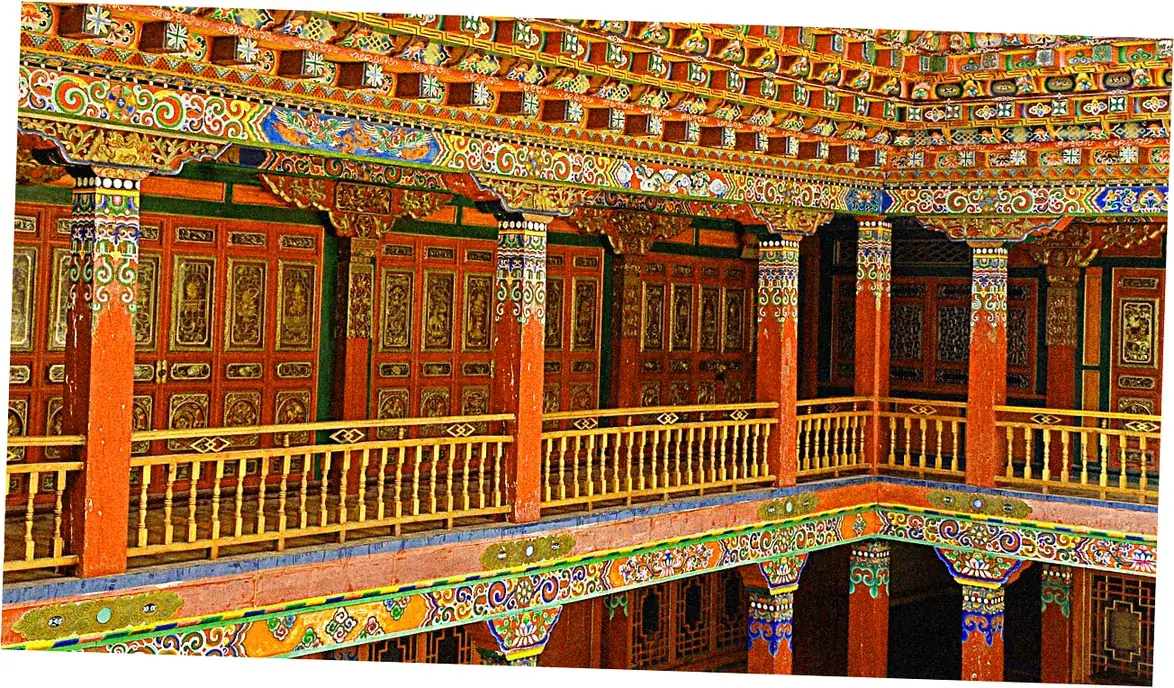
3. Tiger Leaping Gorge: Adventure Awaits
3.1 Hiking the Legendary Trail
One of Earth’s deepest canyons is near Lijiang – super exciting to explore. The hike runs 22km by the Jinsha River, with cliffs shooting up 3,900m. My 2-day hike was unforgettable. Cozy guesthouses and big meals kept me going.
They say a tiger once jumped across the narrowest part to escape hunters – hence the name. Believe it or not, the rushing water and huge cliffs will blow your mind. Nat Geo calls it a top Asian hike, but be ready – it’s tough going.
3.2 Conservation Efforts
Lately they’re working harder to protect the canyon’s delicate nature. Guides teach hikers to pack out their trash and be eco-friendly. Cool how locals are finding ways to welcome tourists while protecting nature.
The government’s stopping erosion on busy trails. Come in spring or fall – fewer crowds and nice weather. This way, our kids can enjoy this awesome place too.
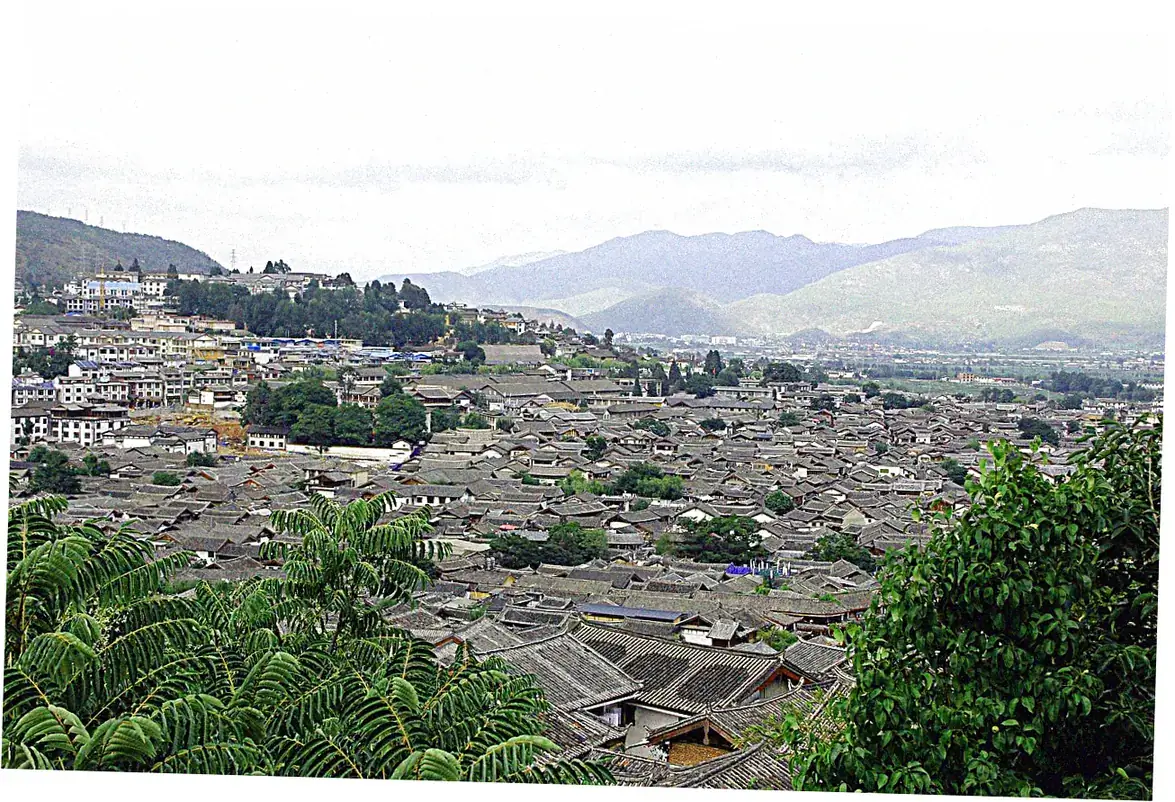
4. Black Dragon Pool: Picture-Perfect Serenity
4.1 The Iconic View
You can’t talk about Lijiang without mentioning Black Dragon Pool. This old garden gives you that perfect mountain reflection shot. The long marble bridge and pretty pavilions make everything look just right.
Get there at sunrise – best light and no crowds. It opens early so photographers can catch the first light on the peaks. Old folks doing tai chi by the water make it extra peaceful.
4.2 Dongba Cultural Museum
Inside the park, the Dongba Museum shows off Naxi culture. They’ve got these old picture writings – the last ones still used today. Seeing the colorful pages up close really showed me how smart the Naxi are.
You’ll also see Naxi clothes, instruments, and religious stuff. Guides explain Dongba religion – it mixes Buddhism, Taoism and local beliefs. It helps you really get Lijiang’s living culture.
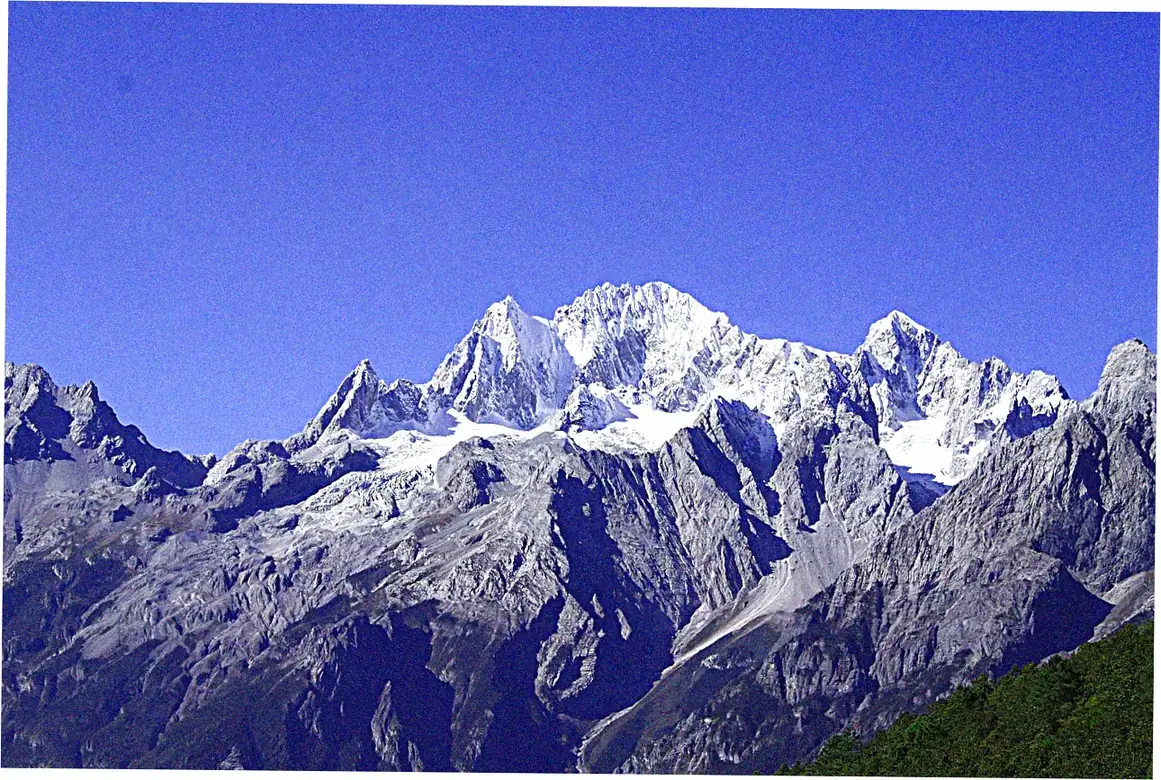
5. Shuhe Ancient Town: Lijiang’s Quieter Cousin
5.1 Escape the Crowds
Just 4km from Old Town is Shuhe – another cool Naxi spot that’s way quieter. Less tourists mean you see more real local life here. I loved strolling the quiet streets, watching craftspeople work outside.
The main square has an ancient stage still used for shows. Unlike busy Lijiang, here you can hear the canals flowing. Old courtyard houses are now cute guesthouses, away from the crowds.
5.2 Tea Horse Road History
Shuhe was key on the old Tea Horse Road between Yunnan and Tibet. The museum shows how tea, salt and stuff moved by mule for centuries.
Walking the old stone road, I pictured the mule trains that used to come through. At its busiest, over 5,000 mules came through each year. This trade history made Lijiang the cultural mix it is today.
6. Baisha Village: Artistic Heritage
6.1 Ancient Murals
Up north, Baisha Village has some of Yunnan’s best cultural stuff to see. The Baisha Murals mix Han, Tibetan and Naxi art from the 1300s-1700s. Locals risked everything to save these colorful Buddhist paintings during the Cultural Revolution.
What’s cool is how the murals mix Buddhism, Taoism and Naxi gods together. This mixing shows how Lijiang’s always been where cultures meet. Teams from around the world are fixing up these artworks for the future.
6.2 Traditional Naxi Medicine
Baisha’s still big on old-school Naxi medicine – some clinics still use ancient cures. At Dr. Ho’s clinic (his family’s been doing this for 4 generations), he showed how Naxi medicine mixes Tibetan, Chinese and local know-how.
He showed me rare healing plants picked from the mountain. Yunnan Uni says some Naxi cures actually work pretty well in tests. You can watch check-ups (if they say okay) or buy herbal stuff that’s gathered right.
7. Lashi Lake: Wetland Wonderland
7.1 Birdwatcher’s Paradise
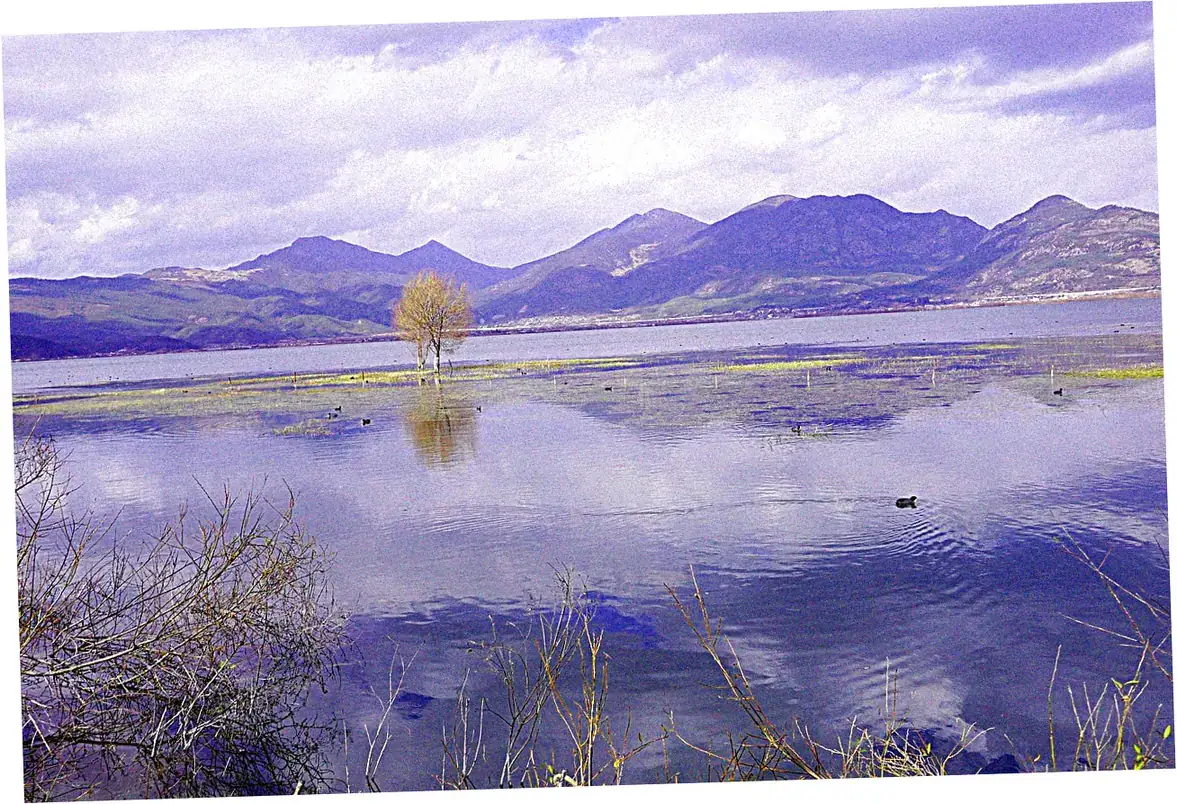
Just 8km west, Lashi Lake is perfect for nature fans. This seasonal wetland becomes a bird sanctuary each winter when migratory species arrive from Siberia. My visit coincided with the arrival of black-necked cranes, an endangered species that holds special significance in Tibetan Buddhism.
The lake’s boardwalks allow close observation without disturbing the wildlife. Local guides provide telescopes and help identify the various species. According to the China Ornithological Society, over 200 bird species have been recorded here, making it one of Yunnan’s top birding spots.
7.2 Horseback Riding Experiences
For a different perspective, visitors can explore Lashi Lake’s shores on horseback. Several Naxi families offer guided rides through the picturesque countryside. My gentle horse followed a trail used by local farmers for generations, passing traditional villages and farmland.
These community-run operations provide income while preserving equestrian traditions. Rides can be tailored from one-hour excursions to full-day adventures with picnic lunches. It’s a wonderful way to experience rural life while supporting sustainable tourism initiatives.

8. Yufeng Temple: Spiritual Sanctuary
8.1 Ancient Buddhist Temple
Tucked at the base of Jade Dragon Snow Mountain, Yufeng Temple ranks among the most spiritually significant interesting places to visit in Lijiang region. Founded in 1756, this Tibetan Buddhist monastery features stunning frescoes and a peaceful atmosphere. Unlike more touristy sites, Yufeng retains an authentic religious atmosphere – I observed monks going about their daily rituals undisturbed.
The temple’s highlight is its 500-year-old camellia tree, which blooms spectacularly each spring. Local legend says the tree flowers exactly 10,000 blossoms each year. Whether true or not, seeing this ancient tree in bloom is a magical experience that draws pilgrims and photographers alike.
8.2 Pilgrimage Routes
Yufeng Temple marks the starting point for pilgrimages around Jade Dragon Snow Mountain. Devotees believe circumambulating the sacred mountain brings merit. While the full 3-day trek is challenging, visitors can walk the initial section to experience this spiritual tradition.
The well-marked trail passes prayer flags, mani stones, and meditation caves. Even a short walk provides insight into Tibetan Buddhist practices while offering stunning mountain views. Remember to walk clockwise, as is customary, and respect worshippers you may encounter.
9. Dongba Valley: Cultural Immersion
9.1 Living Cultural Center
For deeper understanding of Naxi heritage among interesting places to visit in Lijiang, Dongba Valley offers interactive experiences. This cultural park recreates a traditional Naxi village complete with working artisans. I tried my hand at making Dongba paper using ancient techniques – much harder than it looks!
The valley’s highlight is its Dongba shamans who demonstrate rituals and explain their spiritual beliefs. Unlike static museums, this living cultural center allows genuine interaction. Researchers from Beijing University praise its authentic representation of endangered traditions.
9.2 Sustainable Craft Workshops
Many workshops focus on preserving traditional crafts through ethical tourism. Visitors can learn silver smithing from Naxi artisans or try weaving with local materials. All proceeds directly support the craftspeople, helping sustain these disappearing skills.
I particularly enjoyed the natural dye workshop, where we created patterns using plants from Jade Dragon Snow Mountain. Such hands-on experiences create meaningful connections with Naxi culture while providing fair income to practitioners.
10. Lijiang’s Culinary Delights
10.1 Must-Try Local Dishes
No exploration of interesting places to visit in Lijiang is complete without sampling its unique cuisine. Lijiang baba, a savory wheat flatbread, makes for perfect hiking fuel. I still dream about the version stuffed with spring onions and pork at a tiny Old Town stall.
Other specialties include yak meat hotpot (best enjoyed on chilly mountain evenings) and Naxi sour pork. The latter is prepared using ancient fermentation techniques – an acquired taste but worth trying. Local food tours offer introductions to these flavors while supporting small family-run eateries.
10.2 Tea Culture Experiences
Lijiang’s tea culture reflects its position on the historic Tea Horse Road. Numerous teahouses offer tasting sessions featuring Yunnan’s famous pu’er tea. At one atmospheric Old Town establishment, the owner taught me the proper way to brew and appreciate this aged tea’s complex flavors.
For something stronger, try Naxi barley wine, traditionally served during festivals. Responsible tourism initiatives promote visits to ethical tea plantations where visitors can learn about sustainable production methods that protect Yunnan’s ancient tea forests.
Conclusion and Call to Action
From ancient towns to breathtaking natural wonders, Lijiang offers endless interesting places to visit that cater to all interests. Having explored this region extensively, I can confidently say it’s one of China’s most rewarding destinations. The blend of natural beauty, living culture, and historical significance creates an experience unlike anywhere else.
As tourism grows, it’s crucial we visit responsibly – choosing eco-friendly accommodations, supporting local businesses, and respecting cultural traditions. Lijiang’s magic lies in its authenticity, which we all play a role in preserving. Start planning your trip today, but remember to travel slowly and mindfully to fully appreciate this special corner of Yunnan.
FAQ About Interesting Places to Visit in Lijiang
What’s the best time to visit Lijiang?
The ideal times are spring (March-May) and autumn (September-November) when temperatures are mild and skies clear. Summer brings rain while winter can be chilly, though the snow-capped mountains are spectacular.
How many days should I spend in Lijiang?
Plan at least 3-4 full days to see the main attractions without rushing. A week allows time for deeper exploration of surrounding areas like Tiger Leaping Gorge and Baisha Village.
Is Lijiang Old Town wheelchair accessible?
The cobblestone streets and bridges pose challenges, but some areas are manageable. Jade Dragon Snow Mountain and Black Dragon Pool offer better accessibility options.
What should I pack for Lijiang?
Bring layered clothing as temperatures vary greatly between day and night. Comfortable walking shoes are essential, along with sun protection due to the high altitude.
Are there altitude sickness risks in Lijiang?
At 2,400 meters, most visitors adjust fine. However, Jade Dragon Snow Mountain reaches over 4,500 meters – ascend gradually and stay hydrated to avoid problems.
Can I visit Lijiang independently or need a guide?
The Old Town is easy to explore alone, but guides enhance understanding at cultural sites and are required for certain mountain areas. Local guides also support the community.
What cultural etiquette should I observe in Lijiang?
Ask permission before photographing people, especially monks. Remove shoes when entering temples, and avoid touching religious artifacts. Dress modestly at sacred sites.

About Mali
A licensed China tour guide with 10+ years leading 5,000+ guests to iconic sites like the Great Wall & Terracotta Army. Expert in seamless tours, cultural insights, and VIP access!