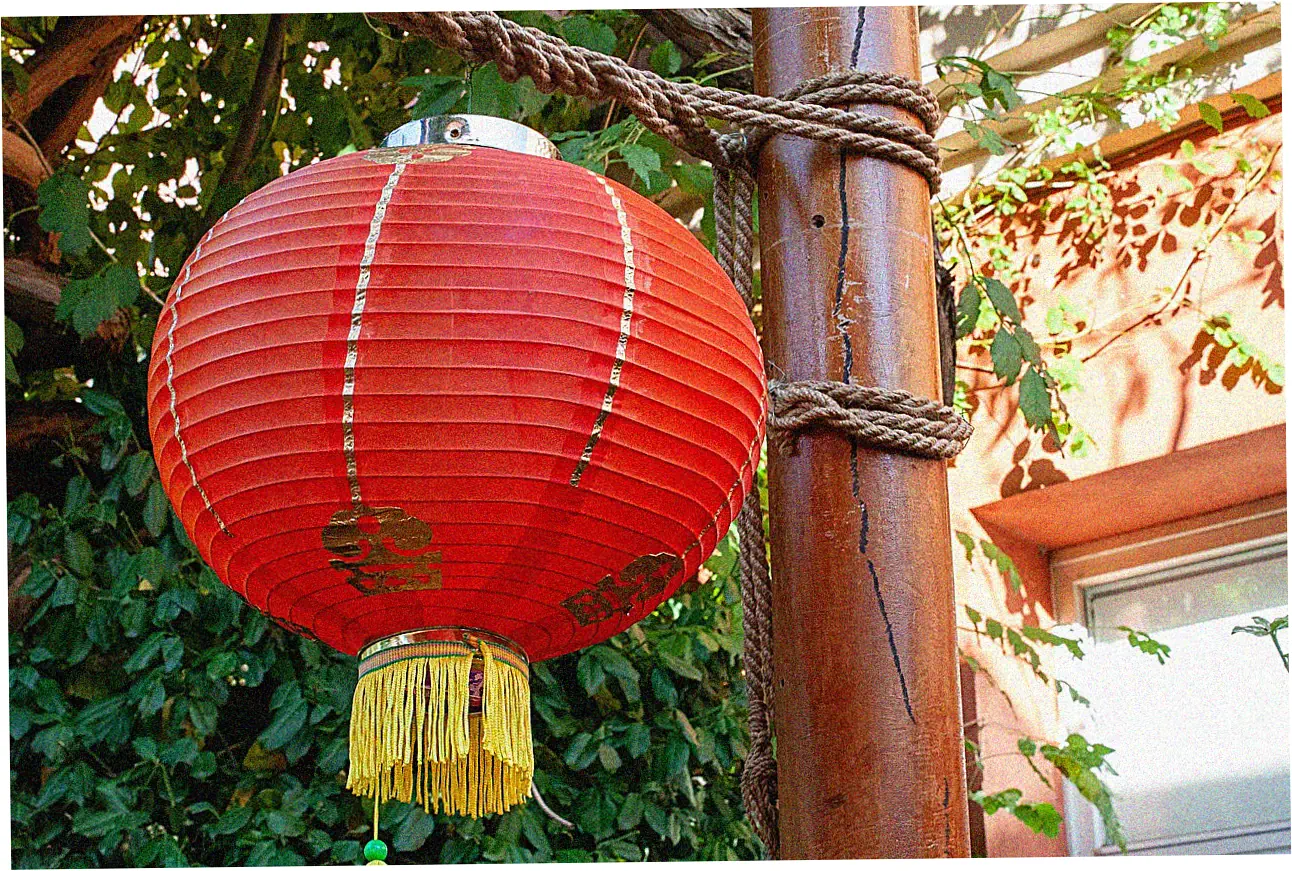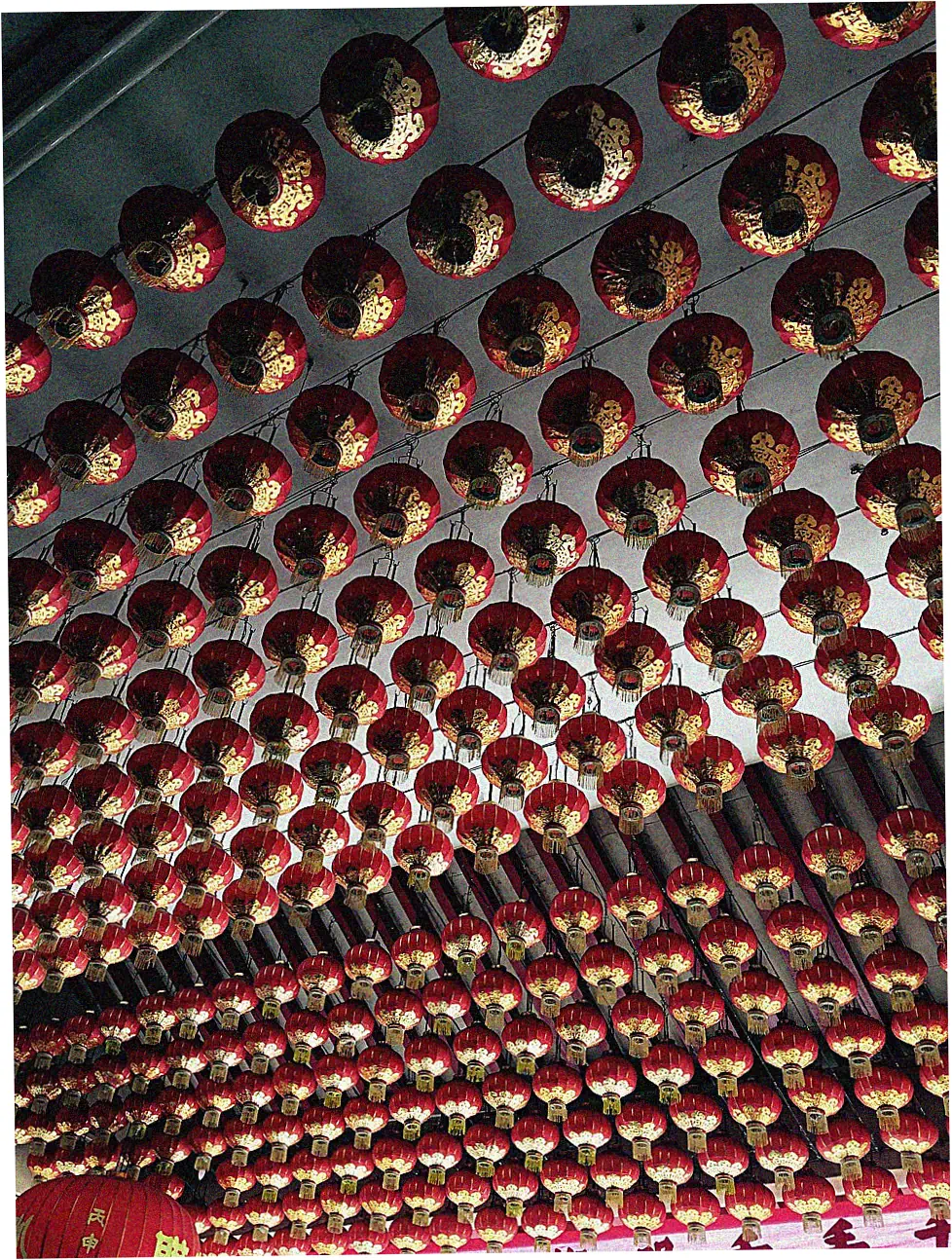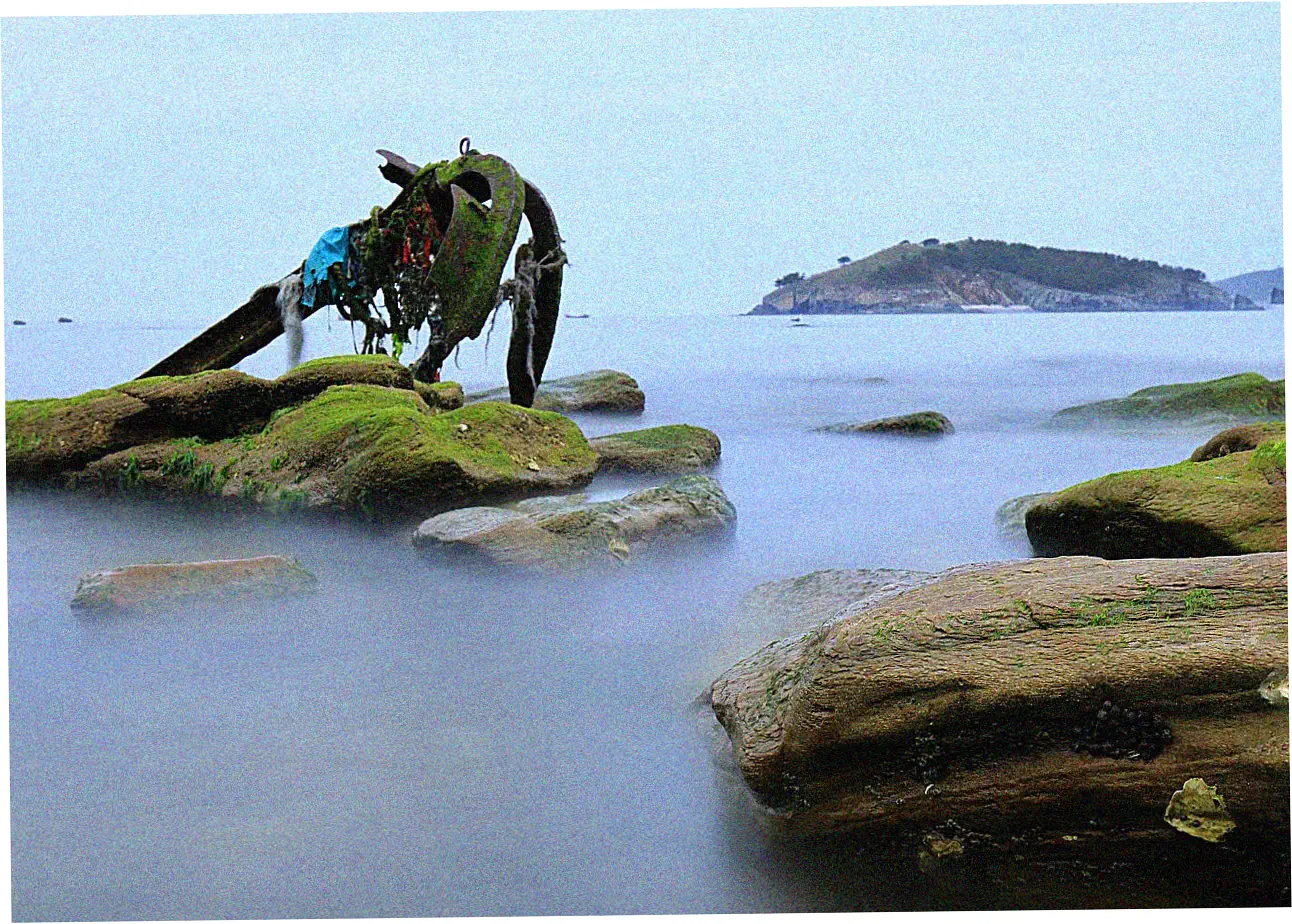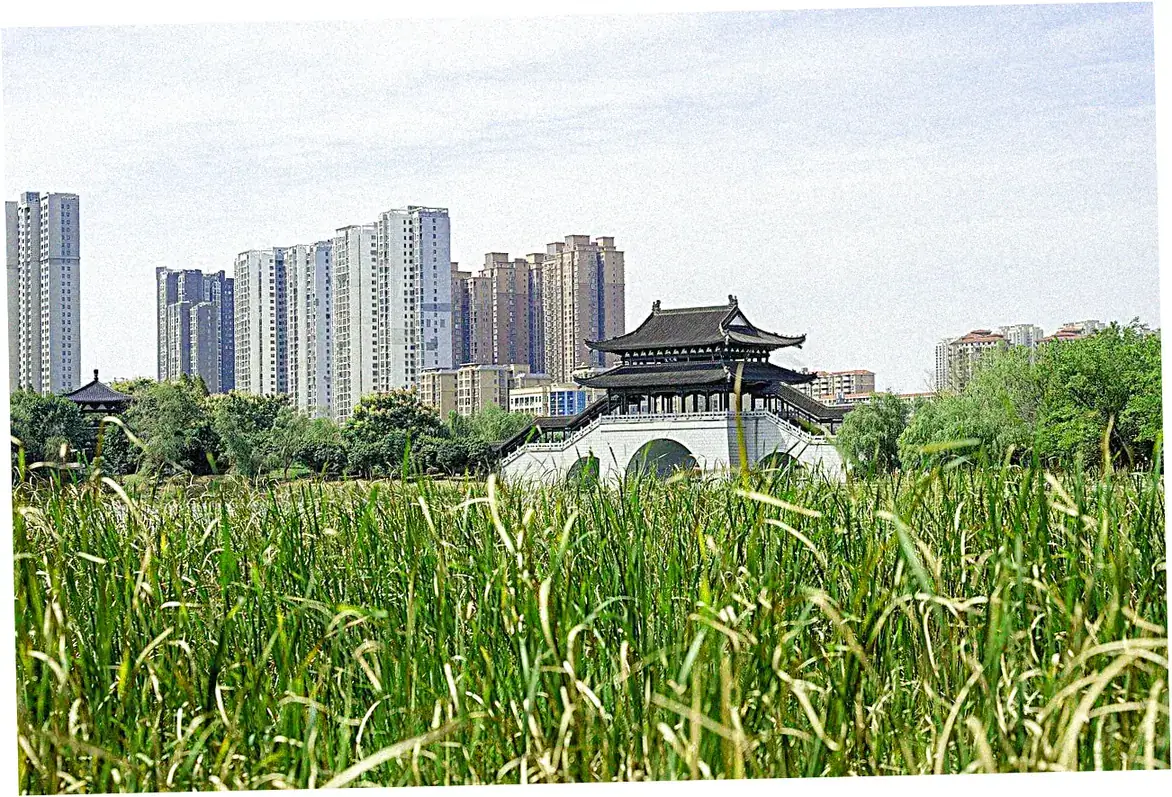
China’s city parks aren’t only green spots. They’re cultural icons, pieces of history, and cool modern spaces that give you a break from busy city life. You’ve got Beijing’s fancy Summer Palace and Shanghai’s high-tech Century Park. These parks show off China’s awesome history and creative side. No matter if you’re a tourist wanting peace, a photographer after great pics, or a local needing a weekend break, China’s best city parks won’t disappoint.
Table of Content
- The Historical Gems Among China’s City Parks
- Modern Marvels in China’s Urban Parks
- The Ecological Wonders of China’s Urban Parks
- Cultural Hotspots Within China’s City Parks
- The Recreational Havens of China’s Urban Parks
- Architectural Wonders in China’s City Parks
- Seasonal Spectacles in China’s Urban Parks
- Family-Friendly Features in China’s City Parks
- Hidden Gems Among China’s Urban Parks
- Planning Your Visit to China’s Greatest City Parks
- Conclusion and Call to Action
- FAQ About Greatest of City Parks in China
The Historical Gems Among China’s City Parks
1.1 The Imperial Legacy of Beijing’s Summer Palace
Beijing’s Summer Palace shows off China’s royal history. It mixes beautiful nature with amazing buildings. This UNESCO spot was once for emperors only. Now millions visit every year. Big lakes, fancy pavilions, and green gardens show how rich the Qing Dynasty was.
The Long Corridor has 14,000 paintings. Walking there feels like being in a real-life museum. Every painting tells a story – myths or history. That’s why it’s one of China’s top parks for culture lovers.
1.2 The Timeless Charm of Suzhou’s Humble Administrator’s Garden
Suzhou’s Humble Administrator’s Garden is a classic Chinese garden. It shows how people and nature can work together. Made in Ming Dynasty times, the park has twisty paths, calm ponds, and carefully made rock gardens. Funny thing – the name says humble but it’s actually super fancy.
The garden uses Feng Shui rules. This makes everything feel balanced and peaceful. No surprise it’s one of China’s best parks. Both smart folks and tourists love it.
Modern Marvels in China’s Urban Parks
2.1 Shanghai’s Century Park: A Futuristic Oasis
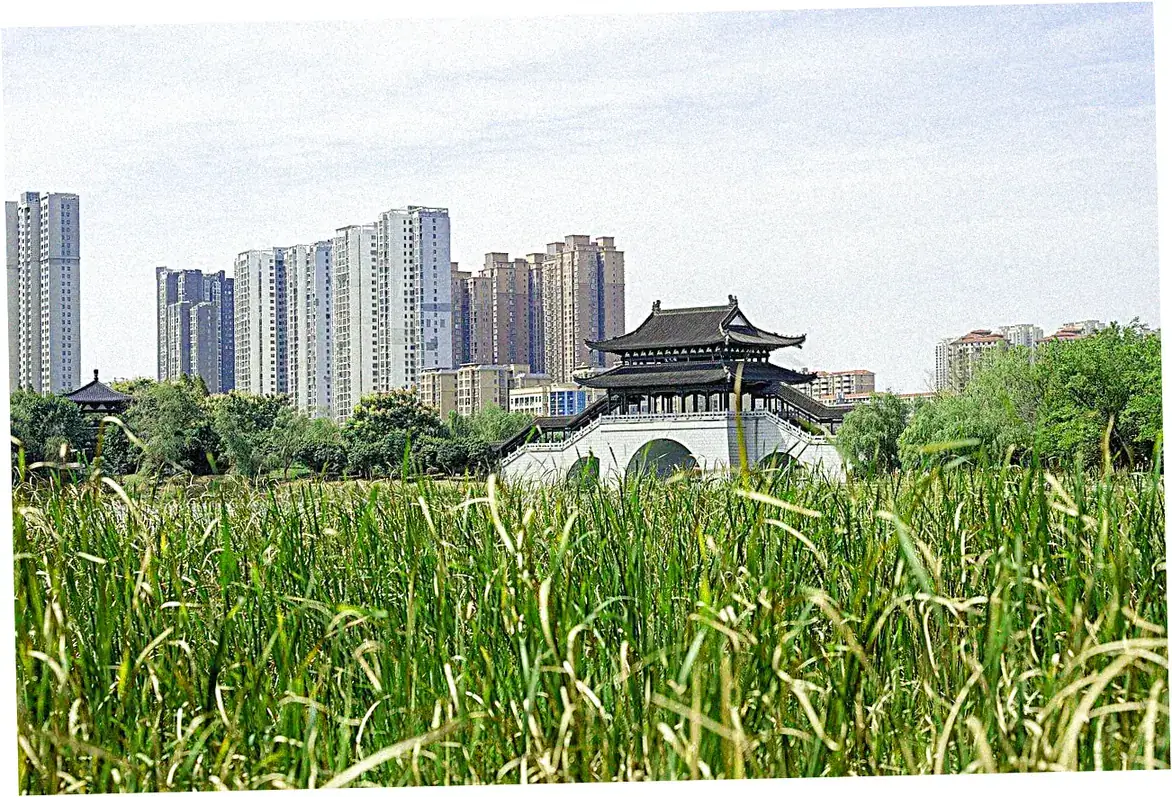
Shanghai’s Century Park is huge – 140 hectares right in the city center. It shows off modern city planning. Big lawns, man-made lakes, and modern art make it different from old-style Chinese parks. It’s a new take on green areas.
The park uses eco-friendly stuff like solar lights and systems to collect rainwater. These cool features make it both a top park in China and an example of green city growth.
2.2 Shenzhen’s Lianhuashan Park: Where Nature Meets Technology
Shenzhen’s Lianhuashan Park shows both sides of the city – tech center and nature spot. The main attraction is a huge man-made lake with awesome light shows at night.
What makes this park special is its smart tech. Scan QR codes to learn about plants or use AR apps to find your way around. Mixing nature with tech makes it one of China’s best city parks.
The Ecological Wonders of China’s Urban Parks
3.1 Xiamen’s Gulangyu Island: A Car-Free Paradise
Xiamen’s Gulangyu Island is special – no cars allowed at all. Only walkers can visit this island, which has 2,000 plants and lots of birds. No cars means it’s super peaceful – rare for China’s cities.
Old colonial buildings make it even nicer. Great for folks who want both nature and history.
3.2 Hangzhou’s West Lake: A Poetic Landscape
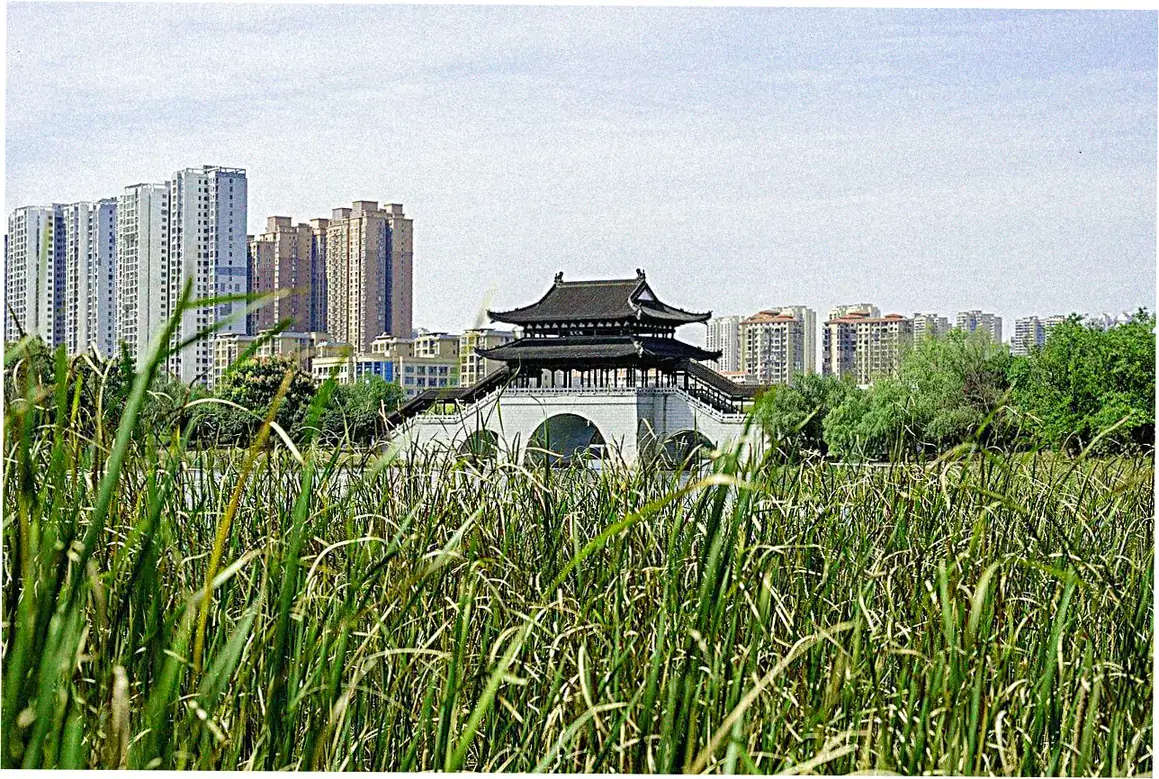
Hangzhou’s West Lake is so pretty it’s inspired artists for hundreds of years. Foggy mornings and willow trees make it look like an old Chinese painting. Most people don’t know this natural view is actually man-made.
They take great care of the lake, checking the water every day. This care makes West Lake both gorgeous and a great example of how to manage city water.
Cultural Hotspots Within China’s City Parks
4.1 Beijing’s Temple of Heaven Park: Where History Comes Alive
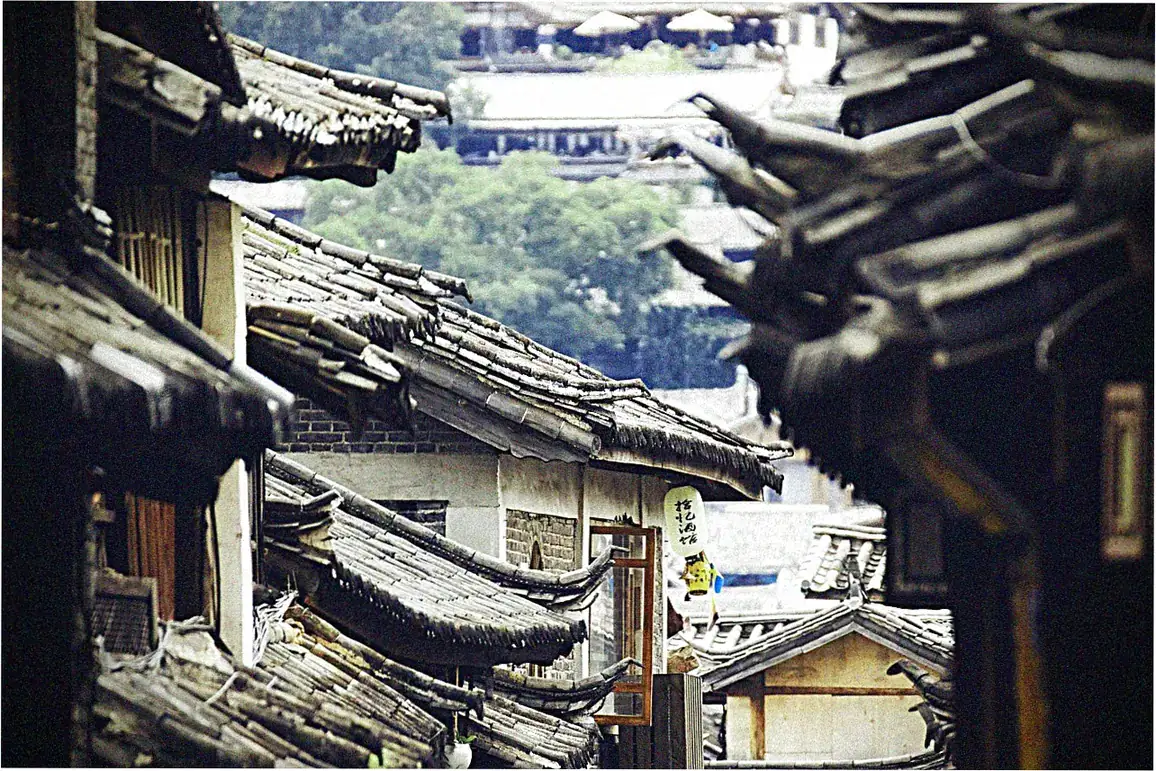
Beijing’s Temple of Heaven Park is both a historic site and a lively local hangout. Each morning, you’ll see locals doing tai chi, dancing, or playing music – like a live culture show. The main building, the Hall of Prayer for Good Harvests, looks amazing with its round shape and three roofs.
It’s a top park in China because it’s both for tourists and locals keeping traditions going.
4.2 Xi’an’s Qujiang Pool Park: Reviving Tang Dynasty Splendor
Xi’an’s Qujiang Pool Park brings back the glory days of the Tang Dynasty when Xi’an was China’s capital. It has rebuilt Tang-style buildings and puts on cultural shows often. You can see tea ceremonies or old-style music while walking through pretty gardens.
It’s special among China’s best parks for mixing history with modern comforts.
The Recreational Havens of China’s Urban Parks
5.1 Guangzhou’s Yuexiu Park: Sports and Leisure Combined
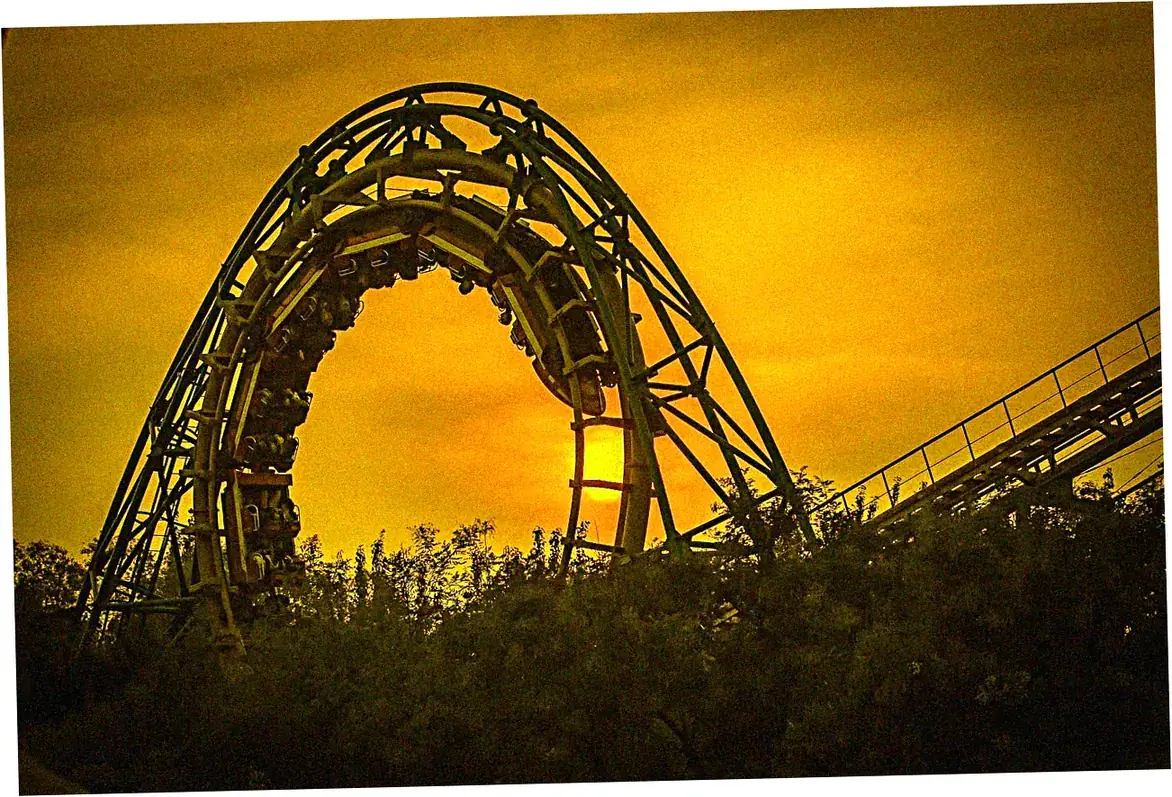
Guangzhou’s Yuexiu Park has everything – basketball courts, pools, all in lovely green spaces. The park’s famous five-ram statue looks over people running, picnicking, or doing martial arts.
It’s one of China’s best parks because it’s huge (212 acres) and has something for everyone – active types or folks just wanting to chill.
5.2 Chengdu’s People’s Park: Tea Culture and Community
Chengdu’s People’s Park is known for its teahouses. Locals hang out for hours talking and playing mahjong. The easygoing vibe shows Sichuan’s chill culture. You can even try ear cleaning – a weird but fun local thing done by street sellers.
It’s a top park in China because it shows real local life, not just pretty gardens.
Architectural Wonders in China’s City Parks
6.1 Nanjing’s Xuanwu Lake Park: Ancient Walls Meet Modern Design
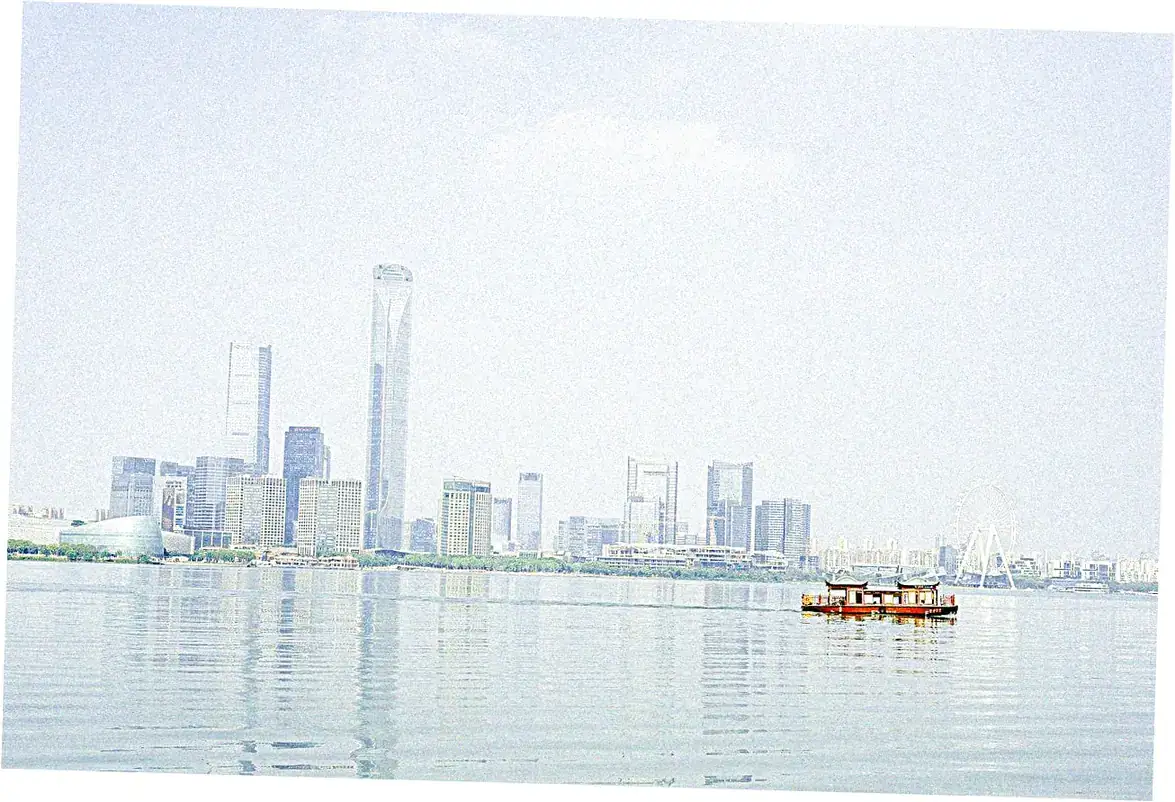
Nanjing’s Xuanwu Lake Park mixes old city walls with modern park design. Five islands link with bridges that look good and are eco-friendly too.
Old Ming walls next to new buildings make this a must-see for architecture fans.
6.2 Tianjin’s Water Park: A Study in Waterfront Design
Tianjin’s Water Park uses water in creative ways. Canals and fake waterfalls help keep things cool when it’s hot. Floating buildings look like they’re on the water – really cool to see.
It’s special among China’s parks for how it uses water in the city.
Seasonal Spectacles in China’s Urban Parks
7.1 Wuhan’s East Lake Cherry Blossom Festival
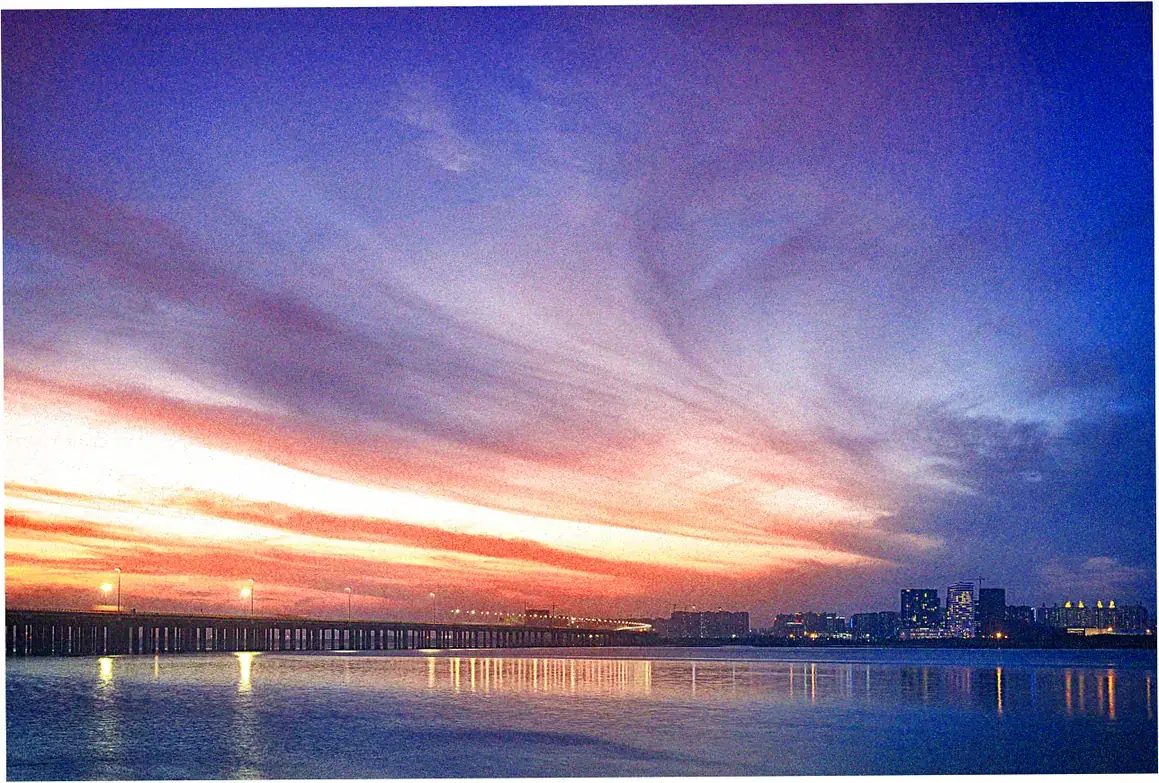
Every spring, Wuhan’s East Lake turns pink with cherry blossoms. 10,000 cherry trees make it as good as Japan’s famous spots. By the lake, the flowers reflect beautifully in the water.
This flower show makes East Lake one of China’s best parks for blooms.
7.2 Harbin’s Sun Island Snow Sculpture Festival
In winter, Harbin’s Sun Island Park has amazing snow art. Artists make huge, detailed snow statues. The frozen river makes it even more magical, with ice skating and sledding.
This winter fun makes Sun Island a top park in China for cold weather.
Family-Friendly Features in China’s City Parks
8.1 Shanghai Disneyland Park: Where Fantasy Meets Nature
Shanghai Disneyland is mainly a theme park, but it’s got great green areas too. The big castle has gardens based on Disney tales. It’s special because it’s eco-friendly, with recycling and solar power.
Fun plus being green makes it stand out among China’s best family parks.
8.2 Beijing’s Olympic Forest Park: Legacy of the 2008 Games
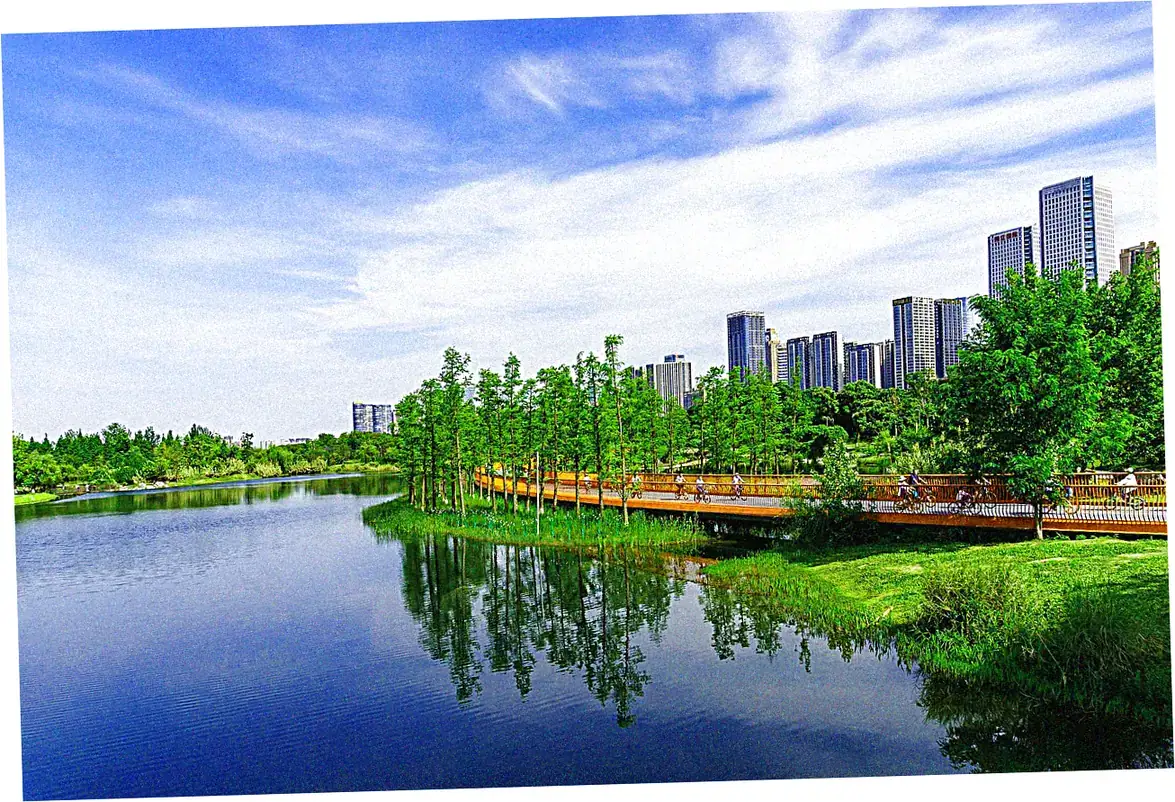
Built for the 2008 Olympics, Beijing’s Olympic Forest Park is now a huge play area. Great for families with bike paths, playgrounds, and Olympic displays. Kids can learn about nature in the wetland areas.
It’s special among China’s parks for changing from Olympic site to local hangout.
Hidden Gems Among China’s Urban Parks
9.1 Kunming’s Green Lake Park: A Local Secret
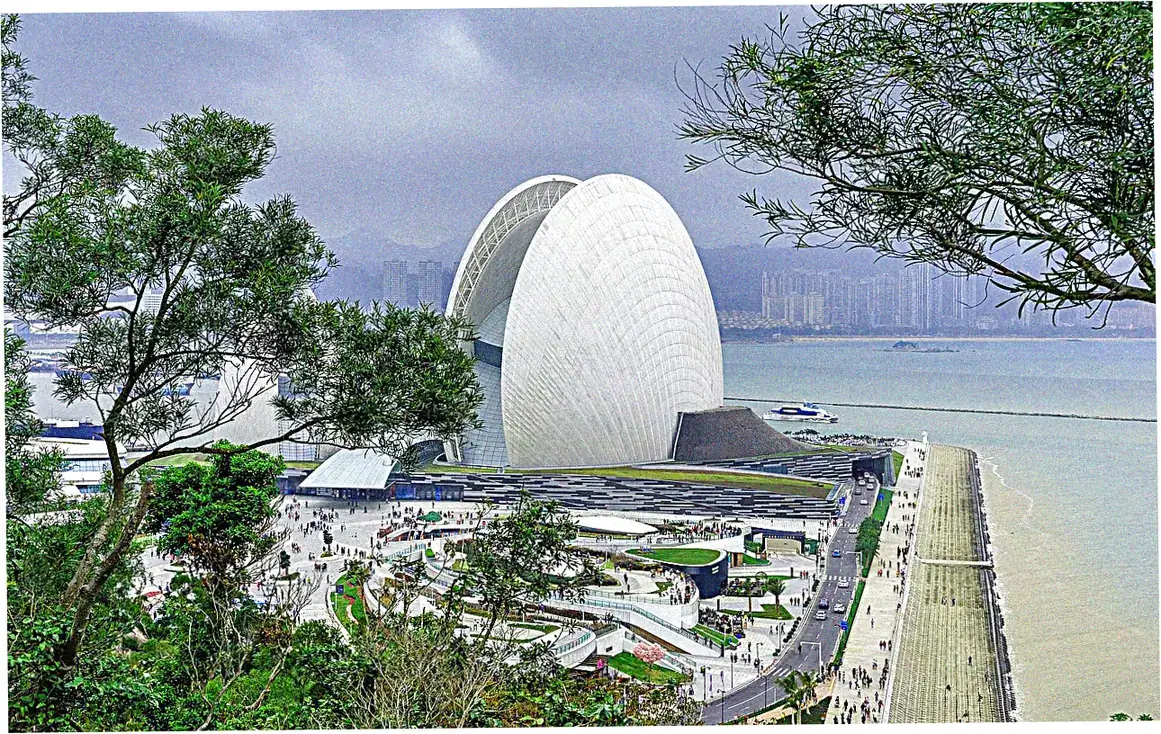
Not many foreign tourists know Kunming’s Green Lake Park, but locals love it. What’s cool is the Siberian gulls that come every winter. You can buy food to feed the birds.
Getting close to nature makes it one of China’s best parks for real local vibes.
9.2 Guilin’s Seven Star Park: Karst Landscape in the City
Seven Star Park in Guilin brings the region’s famous karst mountains into the urban environment. Visitors can hike through caves and along ridges with panoramic city views. The park’s panda enclosure adds an unexpected wildlife element.
This combination of dramatic geology and urban accessibility makes it one of the greatest of city parks in China for nature lovers.
Planning Your Visit to China’s Greatest City Parks
10.1 Best Times to Visit China’s Urban Parks
Timing is crucial when visiting the greatest of city parks in China. Spring (March-May) offers pleasant temperatures and blooming flowers, while autumn (September-November) provides comfortable weather and fall foliage. Avoid national holidays like Golden Week when parks become overcrowded.
Early mornings are magical in most parks, when locals practice tai chi and the air is fresh. Evenings can be equally special, especially in parks with lighting displays.
10.2 Essential Tips for Enjoying China’s City Parks
To fully enjoy the greatest of city parks in China, come prepared with comfortable walking shoes, sunscreen, and plenty of water. Many parks charge small entrance fees (usually under 50 RMB), so carry cash. Download translation apps to understand signage, and consider hiring local guides at historical parks for deeper insights.
Remember that these parks are living spaces – observe local customs, don’t litter, and be respectful of people’s activities whether they’re dancing, singing, or practicing calligraphy on the pavement with water brushes.
Conclusion and Call to Action
China’s greatest city parks offer windows into the country’s soul – its history, culture, and aspirations for sustainable urban living. From imperial gardens to futuristic green spaces, these parks demonstrate how cities can harmonize development with nature.
Now it’s your turn to explore! Start with one park that resonates with your interests, whether it’s history at Beijing’s Summer Palace or modern design at Shanghai’s Century Park. Share your experiences and help preserve these urban treasures by practicing responsible tourism. Which of China’s magnificent city parks will you visit first?
FAQ About Greatest of City Parks in China
What makes a city park in China great compared to others?
The greatest of city parks in China typically combine exceptional natural beauty, cultural significance, historical value, and innovative design. They often serve multiple purposes – as tourist attractions, community spaces, and ecological preserves.
Are China’s city parks free to enter?
Many of the greatest of city parks in China charge modest entrance fees (usually 10-50 RMB), especially those with historical monuments or special features. Some urban green spaces are free, while others offer free admission during certain hours or to senior citizens.
Which Chinese city has the best parks?
Beijing, Shanghai, and Hangzhou are often considered to have some of the greatest of city parks in China due to their combination of historical sites (like the Summer Palace) and modern green spaces (like Century Park). However, many smaller cities also boast exceptional parks worth visiting.
What activities can you do in China’s city parks?
The greatest of city parks in China offer diverse activities from boating and hiking to cultural experiences like tai chi sessions or traditional tea ceremonies. Many have playgrounds, sports facilities, and seasonal events like flower festivals.
How do Chinese city parks compare to Western parks?
The greatest of city parks in China often emphasize harmonious design following Feng Shui principles, integrate historical elements more prominently, and tend to be more actively used by communities for group exercises and social activities compared to many Western parks.
What’s the best time of day to visit China’s city parks?
Early morning (6-8am) is magical in the greatest of city parks in China, when locals practice exercises and the light is beautiful. Evenings are also pleasant, especially in summer. Midday can be hot and crowded on weekends.
Are China’s city parks wheelchair accessible?
Many of the greatest of city parks in China have improved accessibility in recent years, though some historical sites with uneven terrain or steps may still present challenges. Modern parks like Century Park in Shanghai generally offer good accessibility features.

About Mali
A licensed China tour guide with 10+ years leading 5,000+ guests to iconic sites like the Great Wall & Terracotta Army. Expert in seamless tours, cultural insights, and VIP access!