Ever asked yourself What’s Chengdu famous for? You’re not the only one. I’ve traveled China for years, and let me tell you – Chengdu never stops amazing me.
Table of Content
- Chengdu’s Iconic Giant Pandas
- Sichuan Cuisine – Chengdu’s Spicy Soul
- Chengdu’s Ancient History and Culture
- Chengdu’s Vibrant Contemporary Arts Scene
- Chengdu’s Famous Tea House Culture
- Chengdu’s Famous Shopping Experiences
- Chengdu’s Famous Surrounding Attractions
- Chengdu’s Famous Nightlife and Entertainment
- Chengdu’s Famous Transportation and Accessibility
- Sustainable Tourism in Chengdu
- Conclusion and Call to Action
- FAQ About What Chengdu Is Famous For
Chengdu’s got it all – crazy good spicy food, cute pandas, big city vibes with small town charm. Come with me to see why Chengdu rocks – amazing food, cool culture, and those pandas everyone loves.
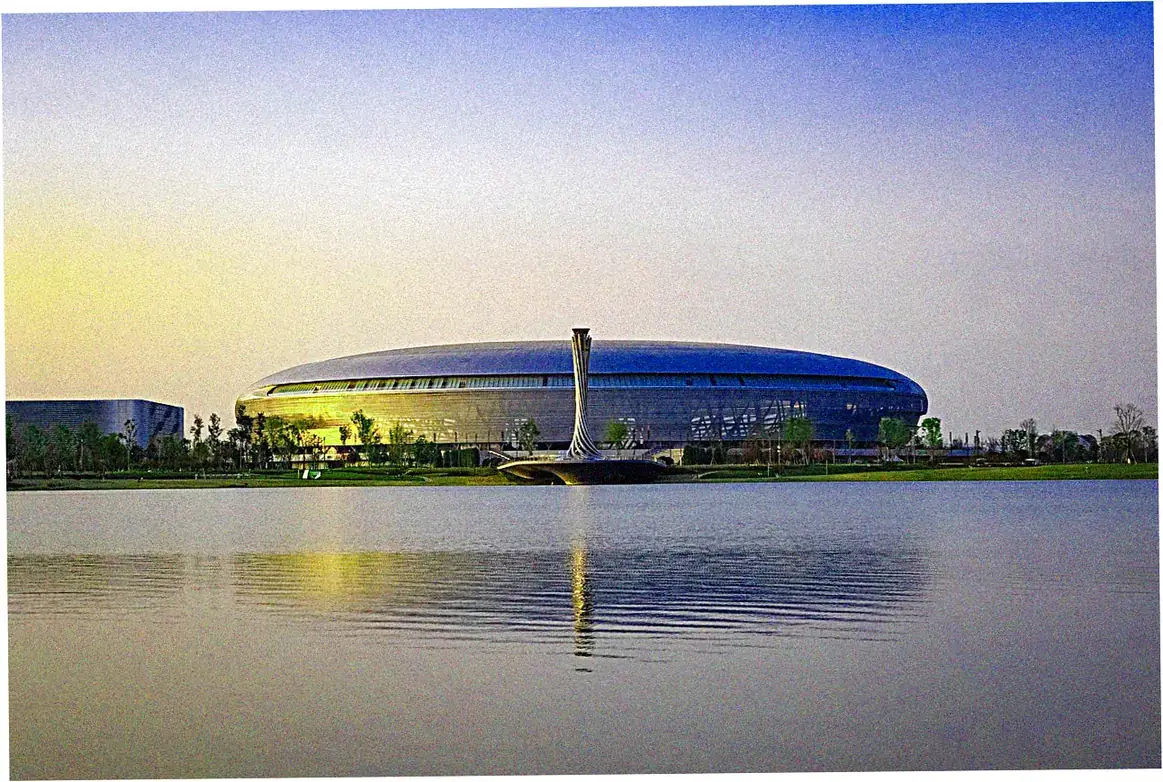
Chengdu’s Iconic Giant Pandas
Chengdu Research Base of Giant Panda Breeding
Ask anyone What’s Chengdu known for? First thing they’ll say – pandas!
At the panda base, you’ll see 100 pandas living like they would in the wild – it’s awesome. Baby pandas playing around? Cutest thing ever – still makes me smile.
This place isn’t just for tourists – they’re doing real work to save pandas. They’re breeding pandas like pros – 20 babies each year! Come at breakfast time (8:30-10) to see pandas chow down on bamboo – they’re pretty skilled!
Panda Volunteer Programs
Want more than just watching? You can actually volunteer with pandas!
You’ll chop bamboo, clean up, and maybe even cuddle baby pandas (in special suits). My friend Sarah, a veterinarian from Canada, described her week volunteering as the most rewarding animal experience of my life.
It’s pricey ($300 /day), but your money helps save pandas. Good companies like Pandahug keep groups small and put pandas first. Make sure your program’s approved by the real panda experts.
Sichuan Cuisine – Chengdu’s Spicy Soul
Famous Chengdu Dishes You Must Try: Talking Chengdu without mentioning its spicy food? No way!
With 25,000 restaurants, no wonder UNESCO called it a food city. Mapo tofu – spicy, tingly, amazing – is the dish everyone knows. A local chef told me the magic’s in Pixian’s special bean paste.
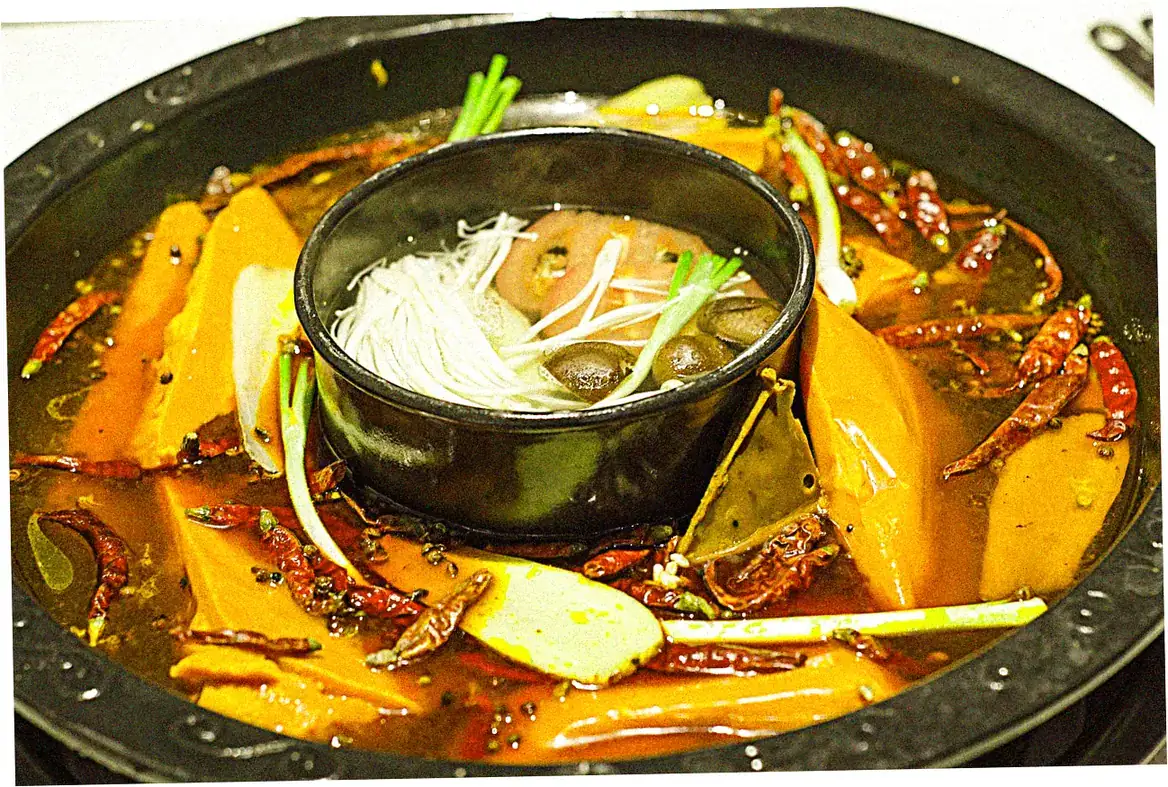
You gotta try hot pot – it’s how Chengdu folks hang out. Chengdu’s hot pot is less oily than Chongqing’s, but way more flavorful. At Xiaolongkan, you cook all sorts of stuff – even weird bits – in spicy oil. Newbies? Ask for mild spicy – it’ll still burn your mouth!
Cooking Classes and Food Tours: Want to get Chengdu food? Take a cooking class or food walk.
At the food museum, I made dan dan noodles myself – so cool! Lily’s food tour shows you weird-but-good eats like spicy beef guts.
Here’s something cool – tea’s part of every meal here. People sit for hours eating skewers, playing mahjong, and drinking flower tea. That’s how laid-back Chengdu life is.
Chengdu’s Ancient History and Culture
Wuhou Shrine and Jinli Ancient Street: Chengdu’s not just pandas and spice – it’s got 2,300 years of history too.
The peaceful Wuhou Shrine remembers an ancient genius general. Walking under 500-year-old trees? Like time traveling! Nearby Jinli Street has old-style shops – great for souvenirs.
Stick around for the Sichuan opera shows at night. The mask-changing tricks are for tourists, but still amazing. A performer told me they train for years – some tricks are family secrets!
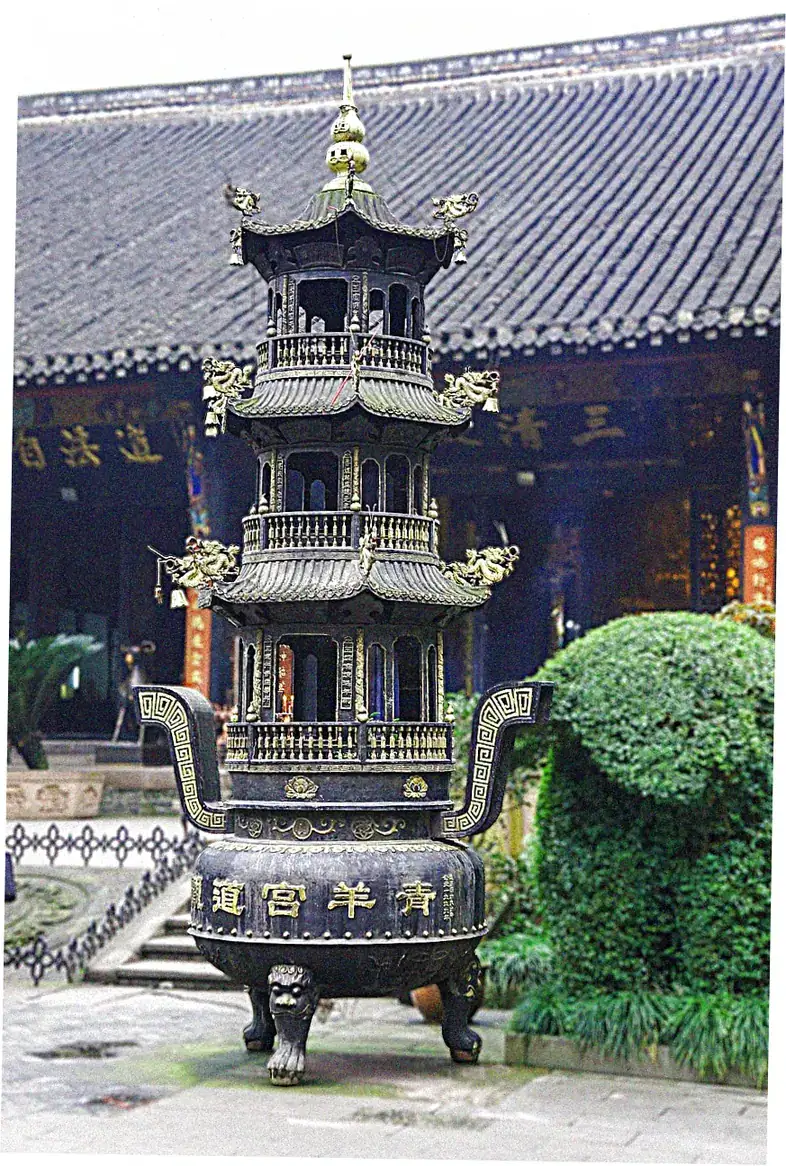
Qingyang Palace and Taoist Culture: Qingyang Palace shows Chengdu’s spiritual side – it’s super old.
Check out the 1667 pavilion with awesome carvings. Old guys playing chess under ancient trees – just like old times.
Their teahouse has special herb teas. Master Li did this crazy tea pouring trick – like a water acrobat! This old-school tea art shows how Chengdu keeps traditions alive.
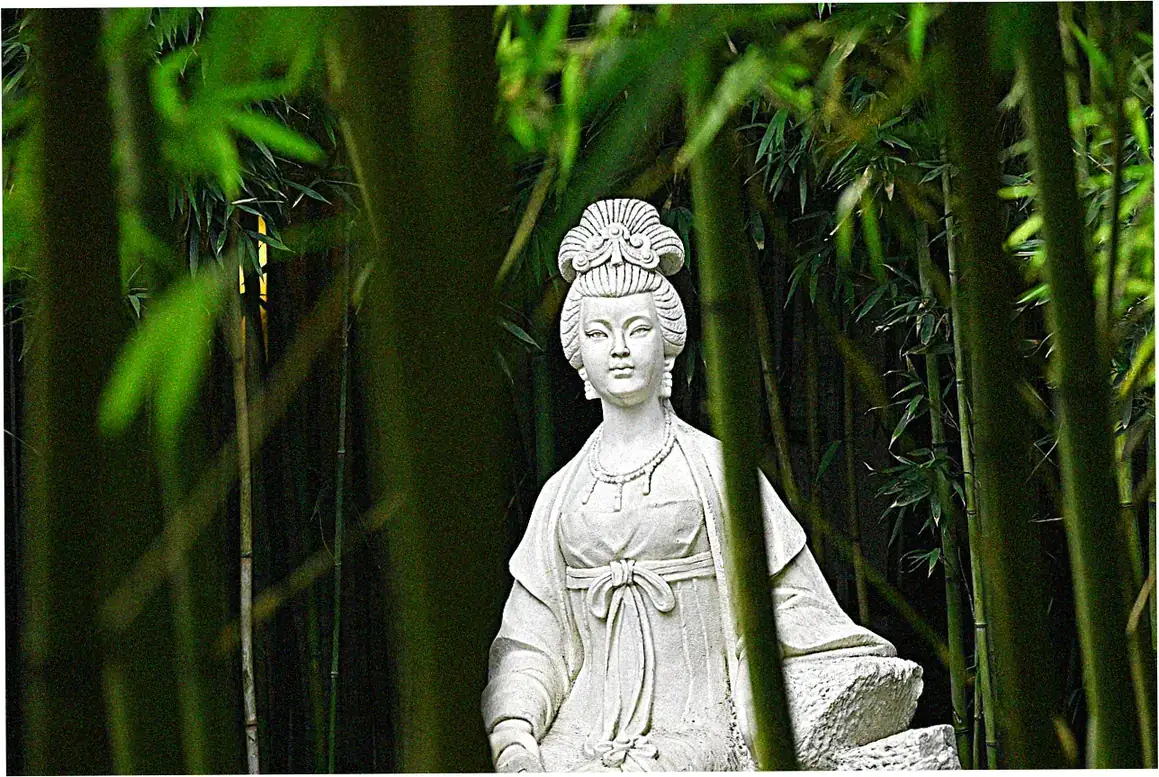
Chengdu’s Vibrant Contemporary Arts Scene
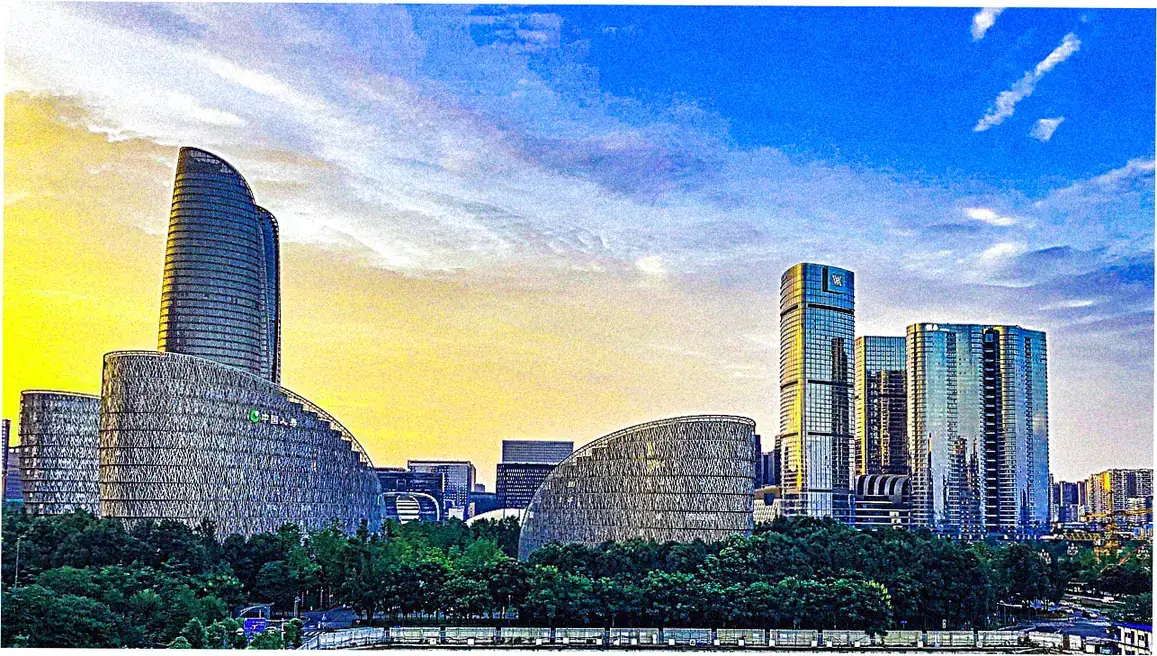
Tianfu Software Park and Digital Arts: Chengdu’s got a modern side too – super creative. Tianfu has 600 tech firms and a cool digital art museum. They mix Sichuan stuff with VR – like flying through digital bamboo!
A local company makes awesome panda video games. They put opera stuff in their game characters – neat idea. Old meets new – that’s Chengdu today.
Dongjiao Memory Creative Park: An old factory turned artsy spot? That’s Dongjiao Memory.
Artist Mei makes ancient masks look modern – so cool. Her panda masks get kids into old art.
Their markets feature eco-friendly stuff. Chen makes wallets from old opera clothes – fashion that helps the planet. New ideas that respect the past – that’s Chengdu.
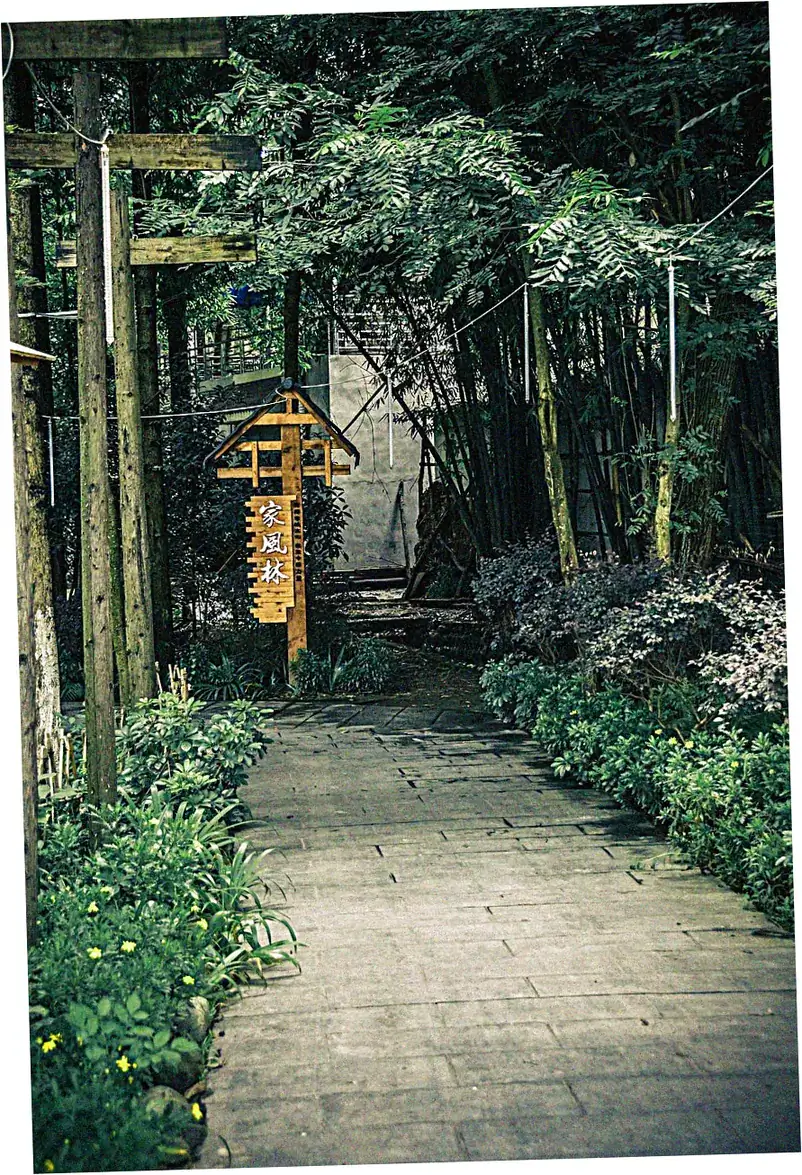
Chengdu’s Famous Tea House Culture
People’s Park Tea Houses: Want real Chengdu life? Hang at Heming Teahouse.
People sit around playing mahjong or just shooting the breeze. Drinking tea here taught me more than any museum could.
They clean your ears with tiny tools – weird but nice. Practitioner Mr.
Zhao has plied his trade here for 30 years: The trick is making people comfortable enough to sit still, he chuckled while demonstrating on a willing tourist. Only in Chengdu would ear cleaning be leisure.
Modern Tea Culture Innovations: Young folks go to modern spots like Shuxiang now.
They mix fancy tea with booze – looks cool too. Owner Lin Yue sees this as natural evolution: My grandparents generation valued tea ceremony; we value tea experimentation.
Big chains go local with tea here. Starbucks here uses bamboo stuff and special local teas. Chengdu keeps old ways fresh – pretty smart.
Chengdu’s Famous Shopping Experiences
Chunxi Road and International Luxury: Chengdu’s China’s western fashion hub – 1,200 brands on Chunxi Road.
Taikoo Li mixes shopping with old Chinese buildings. LV here has panda stuff you can’t get elsewhere!
Local brands do well too. One line puts chili designs on office clothes – spicy!
A salesperson told me: Chengdu girls like bold looks. That attitude shapes shopping here.
Traditional Markets and Handicrafts: Want real souvenirs? Hit Wenshu Market.
Du’s been selling handmade mahjong here 40 years. His wood pieces beat cheap plastic ones. Next door, they sell fancy panda silk art.
Haggle nicely at markets. I learned from Mrs.
Wang, a jade vendor, that starting at 30% of the asking price is customary. She says: Chat over tea – you’ll get better prices. This personal touch makes Chengdu shopping memorable.
Chengdu’s Famous Surrounding Attractions
Leshan Giant Buddha Day Trip: Just two hours from Chengdu, the 71-meter tall Leshan Giant Buddha is the world’s largest stone Buddha statue.
Carved into a cliff during the Tang Dynasty, it’s an engineering marvel with a sophisticated drainage system still functioning today. Taking the river cruise provides the best perspective – watching the massive face emerge from the mist gives me chills every time.
Climbing the steep staircase beside the Buddha rewards visitors with close-up views of the intricate carvings. Local guide Xiao Ming pointed out where the statue’s eyebrows actually function as gutters, diverting rainwater away from the face. This blend of artistry and practicality typifies ancient Chinese craftsmanship.
Qingcheng Mountain and Dujiangyan: As the birthplace of Taoism, Qingcheng Mountain’s forested peaks house ancient temples where monks still practice qigong at dawn.
The cable car ride up reveals breathtaking vistas, but the real magic lies in the mountain’s tranquility. I joined a meditation session with Master Wu, who teaches visitors simple breathing techniques amidst the birdsong.
Nearby, the 2,300-year-old Dujiangyan Irrigation System remains operational, a testament to ancient hydrological wisdom. Engineer Li Bin explained how the fish mouth levee naturally divides water without dams. This UNESCO site demonstrates how Chengdu’s surroundings shaped its agricultural prosperity.
Chengdu’s Famous Nightlife and Entertainment
Jiuyanqiao Bar Street: When the sun sets, Chengdu transforms into China’s City of Bars with over 2,000 drinking establishments.
Jiuyanqiao’s neon-lit alleys offer everything from craft beer pubs to live jazz clubs. My favorite, The Beer Nest, serves Sichuan-inspired brews like a mala (numbing spicy) porter that surprisingly works.
Local band The Spicy Peppers fuse Sichuan opera vocals with rock – their Thursday gigs at Nu Space always sell out. Bartender Zhang Wei crafts cocktails using baijiu (Chinese liquor) and indigenous ingredients like goji berries. We want foreigners to taste real Sichuan, not just Tsingtao beer, he told me while shaking a fiery concoction.
Traditional Night Markets: For tamer evenings, Kuanzhai Alley’s lantern-lit night markets buzz with food stalls and folk performances. The Shu Feng Yun show combines face-changing, fire-spitting, and puppetry – a spectacular introduction to Sichuan performing arts. I still can’t figure out how performers change masks in milliseconds!
Street food here is safer than you’d think – vendors proudly display hygiene certificates. Must-tries include chuanchuan (skewers dipped in communal broth) and sweet water noodles with fragrant sesame paste. Eating shoulder-to-shoulder with locals at plastic stools is quintessential Chengdu.
Chengdu’s Famous Transportation and Accessibility
Chengdu Metro System: Boasting China’s fourth-largest metro network, Chengdu makes exploration effortless.
The panda-themed Line 3 connects major attractions, while announcements play in English. I was impressed by the cleanliness and efficiency – trains arrive every 3 minutes during rush hour.
Purchase a Tianfu Tong card for seamless transfers between metro, buses, and even bike shares. The card’s panda design makes a cute souvenir too! Senior traveler Margaret from Australia praised the system: At 72, I could navigate Chengdu alone thanks to clear signage and helpful staff.
Bike Sharing and Walking Routes: Chengdu’s bike lanes and shared Mobike bicycles encourage eco-friendly exploration.
The Jinjiang Greenway follows the river for 10 scenic kilometers, passing teahouses and public art installations. Morning joggers share the path with tai chi practitioners – join them for an authentic local experience.
For short distances, walking reveals hidden gems. The alley behind Wenshu Monastery hides family-run printmaking workshops.
Artist Chen Bo taught me traditional woodblock techniques, explaining how Chengdu’s humid climate actually benefits paper preservation. These serendipitous discoveries make wandering rewarding.
Sustainable Tourism in Chengdu
1 Eco-Friendly Panda Experiences: As panda tourism grows, responsible practices become crucial. The Dujiangyan Panda Base focuses on wilderness training for captive-born pandas before reintroduction.
Visitors here fund research but have limited interaction, minimizing human impact. Biologist Dr. Wang emphasized: Our goal is making pandas need us less.
Choose accommodations like The Temple House hotel, which partners with panda reserves and uses sustainable materials. Their bamboo straw initiative replaces 200,000 plastic straws annually. Small choices add up when millions visit Chengdu for its famous pandas.
Supporting Local Communities: Sustainable tourism means benefiting Chengdu residents too.
Homestay programs in Anren Ancient Town let travelers experience rural Sichuan life while providing income. Mrs. Yang’s courtyard home serves organic meals with vegetables from her garden – her pickled chili recipe is legendary!
When shopping, look for the Sichuan Handmade certification ensuring fair wages. The Chengdu Cultural Tourism Bureau’s app highlights ethical businesses. As traveler awareness grows, so does positive impact – your visit can help preserve what makes Chengdu famous.
Conclusion and Call to Action
From fiery hot pots to gentle giants, Chengdu’s fame stems from its ability to harmonize contrasts – ancient and modern, spicy and sweet, urban energy and laid-back charm. Having explored every corner of this city, I’m still discovering new layers to its personality.
Now that you know what Chengdu is famous for, it’s time to experience it yourself! Start planning with these tips: 1) Visit between March-June or September-November for pleasant weather 2) Learn basic Mandarin phrases – even wei la (mild spicy) saves your tastebuds 3) Mix famous sites with local hangouts for a balanced perspective. Chengdu awaits with open arms and steaming bowls of dan dan noodles – what are you waiting for?
FAQ About What Chengdu Is Famous For
Why is Chengdu called the Land of Abundance?
Chengdu earned this nickname due to its fertile Sichuan Basin location and advanced ancient irrigation systems like Dujiangyan, which created reliable agricultural surpluses. The mild climate allows year-round crop production, historically making the region prosperous even during droughts elsewhere in China.
How many days should I spend in Chengdu?
Most visitors find 3-4 days ideal. Dedicate one day to pandas, another for city attractions like Wuhou Shrine and Jinli Street, a third for day trips (Leshan or Qingcheng Mountain), plus extra time for spontaneous tea house relaxation and food exploration.
Is Chengdu suitable for non-spicy food eaters?
Absolutely! While famous for spicy cuisine, Chengdu offers plenty of mild options like sweet water noodles, zhong shui jiao (boiled dumplings), and Buddhist vegetarian dishes. Most restaurants can adjust spice levels – just say bu yao la (no spicy) or wei la (mild spicy).
What’s the best way to see pandas ethically?
Choose the Chengdu Research Base over smaller private facilities.
Avoid places allowing excessive handling. Better yet, volunteer through official programs that prioritize animal welfare. Morning visits (8:30-10am) offer most activity without stressing the pandas.
When is the best time to see baby pandas?
Panda cubs are typically born July-September and become visible to visitors around 3-6 months old.
The 100-day naming ceremonies each December are particularly adorable, though crowded. The base’s live Panda TV streams nursery activity year-round.
How do I get from Chengdu airport to downtown?
The metro Line 10 connects Terminal 1/2 to downtown in 40 minutes for ¥5.
Taxis cost ¥50-80 (use the official queue). Many hotels offer shuttle services too. Avoid unlicensed taxis – Chengdu’s regular cabs are safe and metered.
What unique souvenirs should I buy in Chengdu?
Top picks include Shu embroidery silk products, bamboo crafts, Sichuan pepper-infused chocolates, and panda-themed items from official research base shops. For authentic local flavor, bring home Pixian doubanjiang (fermented bean paste) – just pack it in

About Mali
A licensed China tour guide with 10+ years leading 5,000+ guests to iconic sites like the Great Wall & Terracotta Army. Expert in seamless tours, cultural insights, and VIP access!