Lijiang’s Naxi food is a real hidden treasure in China’s food scene. It mixes Tibetan, Han and local flavors to create dishes packed with stories from the old Tea Horse Road. I lived with a Naxi family in Lijiang’s Old Town for six months. To this day, I crave Grandma Yang’s rich yak butter tea and her famous crispy Baba cakes. There’s more to Naxi food than just Lijiang baba. Their fermented dishes like sour fish hotpot and herbal chicken soups are so special that UNESCO added them to China’s cultural heritage list in 2021. This guide will show you the real deal – where locals eat, how Naxi women keep ancient cooking methods alive, and why their mushroom dishes will make all other mushrooms taste boring.
Table of Content
Roots of Naxi Gastronomy in Lijiang
1.1 Ancient Tea Horse Road’s Culinary Legacy
The old trade routes didn’t just bring tea to Lijiang. They created a flavor highway where Tibetan yak butter, Sichuan peppercorns and Yunnan mushrooms all came together. A food expert from Yunnan University says Naxi cooks are preservation pros. They invented things like air-dried pork and fermented bean paste that lasted for months on long trips.
You can still taste these old influences today. Take Naxi grilled fish – they soak local trout in spicy fermented bean paste before cooking it on hot stones. Uncle Zhou showed me how they’ve always wrapped fish in lotus leaves. His ancestors did this to make easy-to-carry meals for mountain treks.
1.2 Dongba Script Recipes: Edible History
The Naxi’s picture writing, called Dongba, has some of China’s oldest food records. These 600-year-old texts talk about when to pick mushrooms and how to set up feast tables. At the Dongba museum, with help from the staff, I figured out an old winter festival menu. It listed exactly which pork cuts to use for honoring different ancestors.
Modern chefs like He Yulan are bringing back old recipes. She makes an amazing buckwheat bread that ferments for three days – you have to pray to the Kitchen God at each step. A food expert says this matches old writings about bread that remembers who kneaded it.
Must-Try Naxi Dishes in Lijiang
2.1 Beyond Lijiang Baba: Street Food Secrets
Tourists all go for Lijiang baba, but foodies know to try jidou baba. It’s a purple pancake filled with pickles that Naxi people have eaten for breakfast since the Ming Dynasty. At dawn near Sifang Street, you’ll see grandmas cooking these on stone griddles. This cooking method is so special that UNESCO protected it in 2019.
The best street snack? Naxi blood sausage. It’s got pig’s blood, rice and spices – sounds gross but tastes amazing. Chef Yang at the morning market shared his trick: use yesterday’s rice because it absorbs the blood better. Locals say it helps with altitude sickness – but that might just be the spicy kick.
2.2 Festival Feasts: Seasonal Specialties
At July’s Torch Festival, they serve whole roasted pigs with honey and pine glaze. The Mu family has kept this recipe secret for 23 generations. I got lucky to join a special festival meal. They used twelve types of mushrooms, one for each month in the Naxi calendar.
Come winter, they make sticky rice cakes by pounding them in wooden bowls. At a Baisha wedding, I helped pound rice cakes. Master Li taught me: three quick hits for heaven, earth and ancestors, then a slow push for good luck. The chewy rose-filled cakes showed me why Naxi people say no rice cakes means it’s not a real wedding.
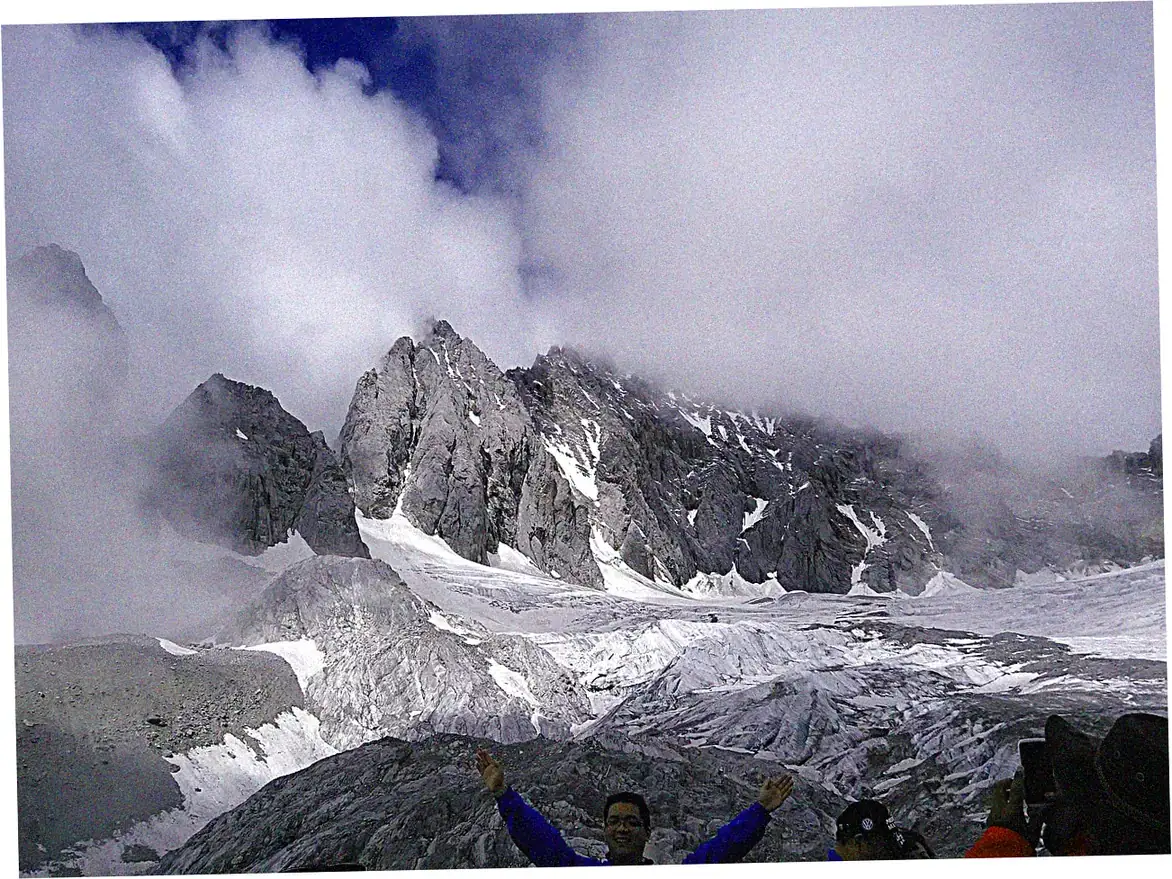
Lijiang’s Naxi Food Markets
3.1 Morning Market Treasure Hunts
At sunrise, Lijiang’s markets come alive as Naxi women bring down wild foods from the mountains. The mushroom ladies at Zhongyi Market sell over 30 types from May to October. The fancy matsutake mushrooms can go for ¥2000 per kilo when Japanese buyers come.
My market friend Xiao Mei says come at 5:30am to see them beautifully arrange purple peas and black rice before tourists arrive. The good cured meats are in back. Look for the triple spiral symbol – it means the ham’s been aged three years.
3.2 Cooking Equipment: Stone Bronze
At Xiamei Market’s old stuff section, the cooking tools have stories to tell. I kick myself for not buying an old bronze tea pot. Its worn surface held years of flavor history. New copies work almost as good, especially with Lijiang’s black clay pots that stay hot forever.
The coolest things are the stone bowls carved from the local mountain rock. Old Zhang showed me how these bowls soak up flavors over years. His 60-year-old one makes garlic taste sweeter. He wouldn’t sell his family’s bowl but taught me to spot real ones by the sound they make when tapped.
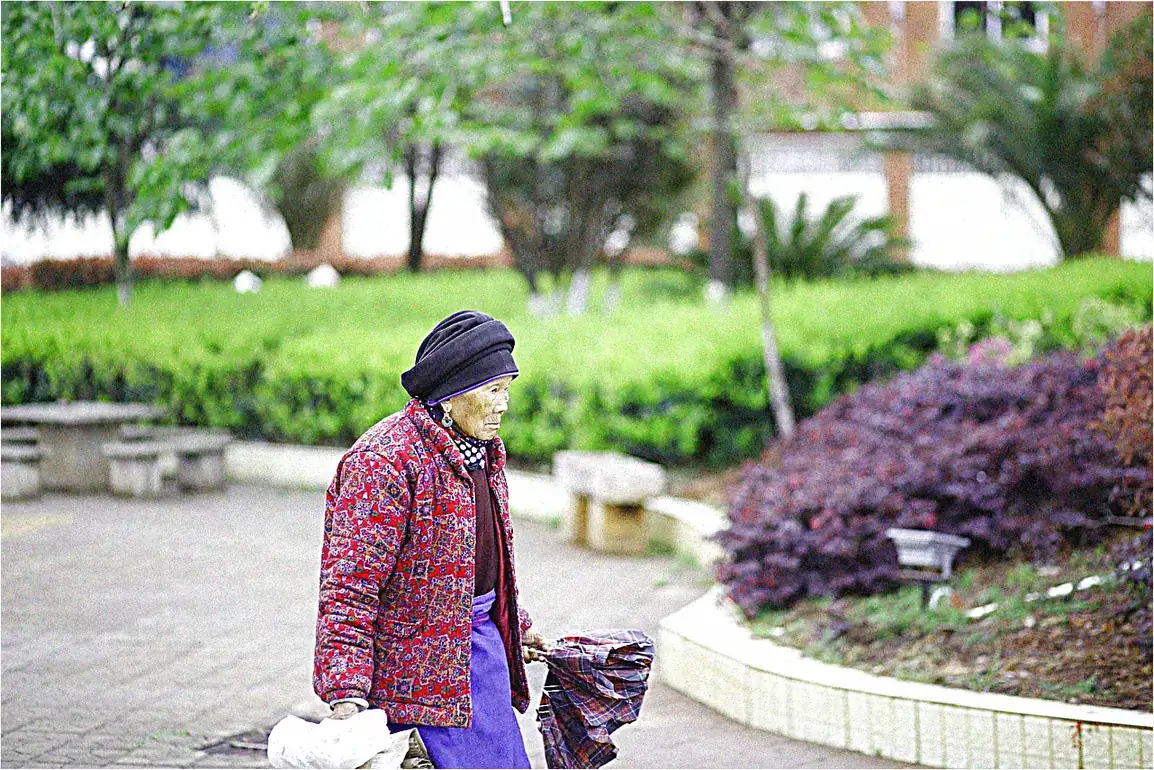
Naxi Food and Medicinal Traditions
4.1 Herbal Wisdom in Every Bite
Naxi cooking follows food is medicine. Dishes like chicken stuffed with goji berries help balance your energy. At Dr. Ho’s place, they diagnosed me through food – bitter greens for my stressed city liver, then mushroom soup that really helped my altitude sickness.
They take seasonal eating super seriously here. Spring dishes use dandelion to cool you down, while fall stews add spicy bark to warm you up. A recent study proved Naxi healing foods really fight inflammation, especially how they use snow lotus with fatty meats.
4.2 Longevity Secrets of Naxi Elders
In far-out villages, 100-year-olds say they stay healthy eating fermented buckwheat porridge with wild honey every day. I stayed with 103-year-old Grandma Yu who eats five colors each meal: white radish, black fungus, red goji, yellow corn and green wild plants.
Her health secret? Pickled ant eggs – she’s had a spoonful daily since age seven. I couldn’t handle the ant eggs, but I did start her other habit – pu’er tea with pine nut oil each morning. Studies show Naxi old folks have way more gut bacteria variety than city people, probably from all their fermented foods.
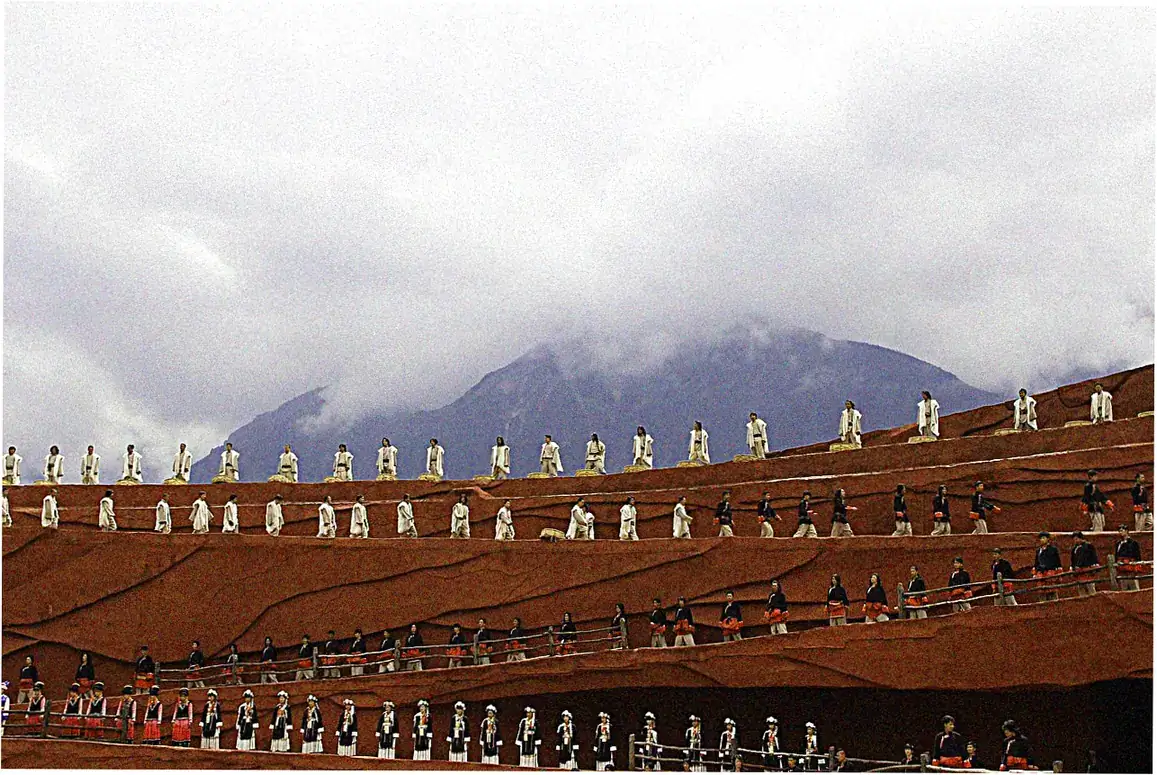
Cooking Classes Homestays
5.1 Hands-on With Naxi Grandmothers
You learn real Naxi cooking in people’s homes, not tourist classes. I cooked with three generations of the Li family. Their measurements like two pinches of salt change when grandma’s old hands do the pinching.
Their family recipes show smart changes – like using potato starch during food shortages, which led to today’s gluten-free baba. The sweetest moment was when A-Mei translated her grandma’s secret: stir one way for family, the other for ancestors – but keep that from tourists.
5.2 Professional Chef Workshops
Chef Liu runs hardcore five-day classes. You’ll learn everything from special cleaver skills to fancy yak dish presentation. His famous bean paste class uses a bamboo thermometer from 1920 and work songs to help the fermentation.
I totally bombed his fast chicken cutting test but learned his market trick: ask where mushrooms were picked – sellers like experts. His top-level class goes mushroom picking with shamans who show you poisonous plants (if water beads up on leaves, don’t eat them).
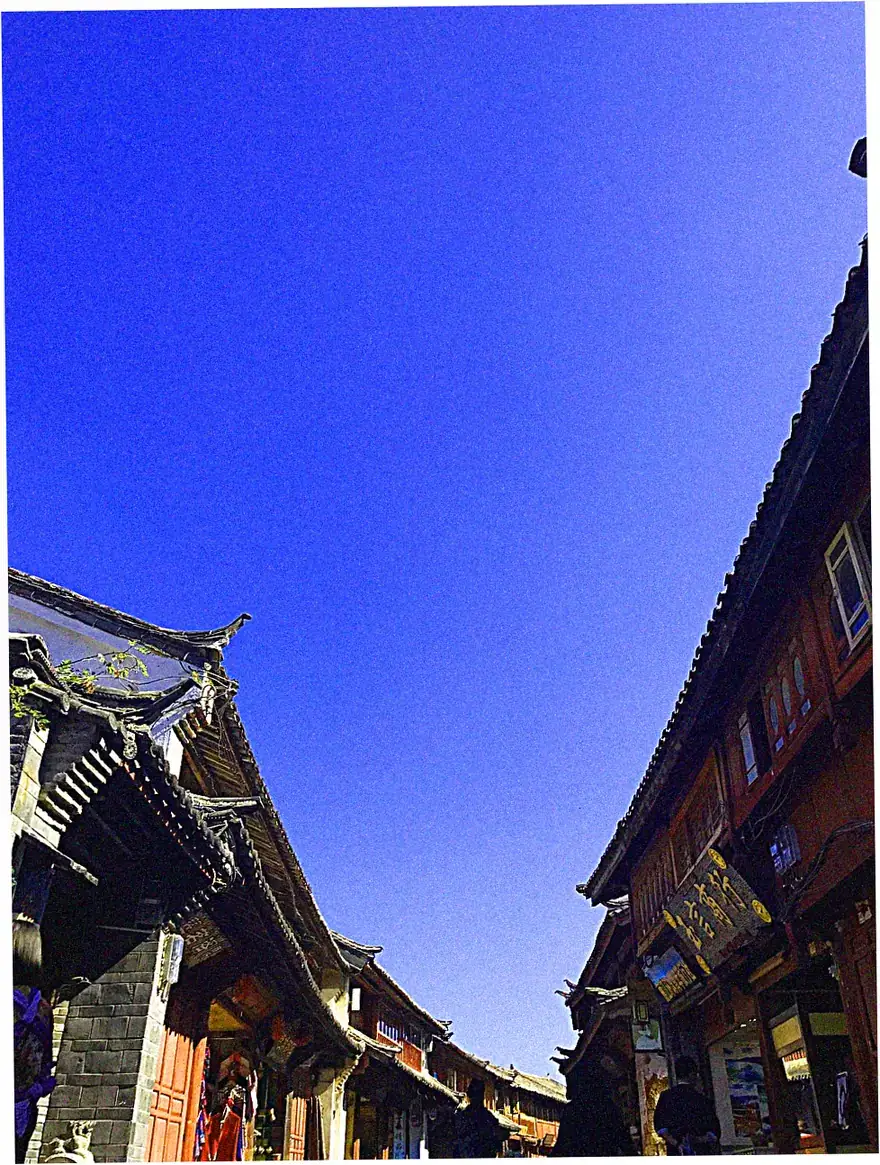
Naxi Food in Modern Lijiang
6.1 Fusion Experiments
Young chefs are mixing things up. At one spot, I had fancy yak tartare with berry sauce and baba bread turned into foam. Old-timers complain, but Chef Duan says his grandpa used new ingredients too – so why not try Parmesan?
Their best mashup? Pizza cooked in old stone ovens with local toppings like pickled greens and Yunnan ham. The crust uses buckwheat flour to get that real baba bread texture. Even Grandma Yang admitted after trying it: Not wrong… just sideways.
6.2 Sustainability Challenges
Rising tourism threatens delicate Naxi food ecosystems – wild mushroom stocks have declined 40% since 2010 according to Yunnan Forestry Department. Smart initiatives like the Naxi Culinary Heritage Association’s Adopt a Recipe program connect chefs with sustainable suppliers. I sponsored Auntie Feng’s jidou baba recipe, ensuring she gets fair prices for heirloom purple peas.
Climate change alters ancient rhythms too. Village elder Mr. Mu told me: The cuckoo used to sing when we foraged morels – now it comes two weeks early. Some adaptations work – new greenhouse techniques allow year-round production of traditional medicinal herbs, though shamans insist winter-grown lack mountain spirit.

Beverage Culture
7.1 Beyond Yak Butter Tea
Naxi butter tea gets all the press, but their complex tea culture includes three course ceremonies featuring young raw pu’er (bitter as life), aged ripe pu’er (sweet as memory) and medicinal herbal blends. At the 300-year-old Yuelong Teahouse, Master Wang taught me to read tea leaves in Dongba patterns – my attempt supposedly revealed a tall foreigner coming with gifts.
The real surprise was Naxi wine made from fermented glutinous rice and dozens of mountain herbs. After one shot of this murky brew at a village wedding, I understood why they call it tiger tamer liquor. Modern versions at Baisha’s micro-distillery incorporate goji and honey for smoother sipping – though at 58% alcohol, it still kicks like a mule.
7.2 Sacred Drinking Rituals
Alcohol plays spiritual roles in Naxi culture, particularly the nine cup ceremony honoring the Jade Dragon Snow Mountain deities. During my participation at a coming-of-age ritual, each cup represented a different virtue – the seventh (courage) contained chili-infused liquor that made my ears smoke. Anthropologist Dr. Erin Matson notes these rituals encode ecological knowledge: Toasts mention specific mountain streams, reinforcing water source protection.
Most moving was the funeral custom where mourners pour liquor into the deceased’s favorite bowl daily for 49 days. The evaporation takes our prayers to heaven, explained my host Mr. He. His family still maintains his grandfather’s antique cup collection for this purpose – including a CIA-issued canteen from WWII’s Flying Tigers era.
Regional Variations
8.1 Baisha vs Dayan Styles
Just 10km apart, Lijiang’s old town (Dayan) and Baisha village developed distinct food personalities. Dayan’s Naxi cuisine shows more Han influence with stir-fries and steamed buns, while Baisha retains Tibetan-style heavy use of barley and yak products. The most telling difference? Dayan’s baba uses wheat flour, Baisha’s uses barley – a 15th-century divergence when Baisha resisted Ming Dynasty wheat subsidies.
I conducted a highly unscientific taste test with 20 locals – Baisha’s heartier, earthier flavors won 3:1 among elders, while young prefered Dayan’s lighter touch. The compromise? New Year’s fusion baba layers both flours, symbolizing family unity. Chef Duan’s version adds a modern twist with rose petal filling between the layers.
8.2 Remote Village Specialties
Trekking to isolated Naxi settlements reveals extraordinary culinary diversity. In Yongning near the Sichuan border, matriarchal Mosuo Naxi make sun-dried pig – whole hogs butterflied and cured with salt and wild rhododendron petals. The result resembles Parma ham but with a floral aroma that lingers for minutes.
Most astonishing was Tiger Leaping Gorge’s stone-fried cuisine, where superheated river rocks instantly cook paper-thin meat slices. Village chef Ah-Zhu demonstrated using stones from specific gorge sections: Red ones for beef, grey for fish – they hold different heats. His dancing tofu made with stones that pop and spin had me applauding like a kid at a magic show.

Naxi Food Tourism Ethics
9.1 Avoiding Cultural Exploitation
As Naxi food gains fame, unethical operators commodify sacred traditions. I walked out of one shamanic dinner show where tourists threw money at performers reenacting funeral rites. Responsible alternatives exist – the Naxi Cultural Center’s meals include thorough explanations of customs, with proceeds funding village schools.
Photography requires special sensitivity. After my early gaffe snapping altar offerings, I learned to ask sheng bu sheng? (is this sacred?) first. Local photographer Yang Ming suggests waiting until after blessings to photograph food, and never interrupt a toast to the mountain gods – unless you want your camera cursed.
9.2 Supporting Authentic Providers
Identifying real Naxi restaurants gets tricky among Lijiang’s 800 tourist traps. Look for these signs: menus handwritten in Dongba script (not printed), elderly women cooking (not young men), and prices listed in yuan (not tourist dollars). My gold standard is any place where locals outnumber visitors 3:1 at lunch.
The Naxi Culinary Alliance’s sticker program helps – their silver snail logo guarantees at least 60% traditional ingredients. I always seek out member establishments like Ancient Tea Horse Kitchen, where profits support heirloom seed banks. Their farmer Fridays let diners meet the growers – sipping tea with mushroom forager Old Ma was my most memorable meal.

Bringing Naxi Flavors Home
10.1 Sourcing Authentic Ingredients
Recreating Naxi dishes abroad requires creative substitutions – Korean gochugaru works for some chili needs, while miso paste approximates certain fermented bean flavors. For true authenticity, I mail-order from Lijiang-based Yunnan Sourcing (no relation). Their air-dried yak jerky and wild morels arrive vacuum-sealed with cooking notes in broken but charming English.
Essential tools include a good stone mortar (substitute granite molcajete) and Yunnan-style hotpot divider for simultaneous spicy/clear broths. My biggest splurge was a $200 Naxi bronze tea kettle – its unique pour creates perfect froth for butter tea, though my Brooklyn neighbors think I’m performing alchemy on the fire escape.
10.2 Adapting Traditional Techniques
Without access to Lijiang’s 2500m altitude, Naxi fermentation requires adjustments. My sour cabbage experiments failed until I consulted Chef Liu via WeChat: Use less water and sing to it – microbes like vibration! Now my NYC kitchen features a fermentation altar with temperature controls and a Bluetooth speaker playing Naxi folk songs.
For baba bread, I substitute half buckwheat flour with whole wheat when unable to find Yunnan’s purple variety. The secret weapon? A pinch of activated charcoal powder mimics the distinctive greyish hue. My greatest triumph was serving Brooklyn baba to visiting Naxi students – their verdict? Strange… but good strange.
Conclusion Call to Action
Lijiang’s Naxi food represents one of humanity’s great unbroken culinary traditions – a living museum where every meal connects you to centuries of mountain wisdom. Beyond the Instagrammable baba bread lies a deeper world of medicinal ferments, ceremonial feasts and grandmothers kitchen magic waiting to nourish both body and soul.
Start your journey at Lijiang’s morning markets, take a cooking class from a real Naxi family, and taste how food becomes prayer in this ancient culture. Then share these flavors responsibly – cook a Naxi meal for friends, support sustainable producers, or simply raise a glass of barley wine to the Jade Dragon Snow Mountain. The tea road may be gone, but its flavors still have stories to tell.
FAQ</strong

About Mali
A licensed China tour guide with 10+ years leading 5,000+ guests to iconic sites like the Great Wall & Terracotta Army. Expert in seamless tours, cultural insights, and VIP access!