Tiger Leaping Gorge Hike is right in the middle of Yunnan Province. It’s an amazing adventure that draws hikers from all over the world. The hike is famous for its steep cliffs, loud river, and awesome views. It’s got the perfect mix of tough trails and beautiful scenery. No matter if you’re a pro hiker or a newbie, Tiger Leaping Gorge will give you memories that last. Before you start hiking, you should know what makes Tiger Leaping Gorge special. Learn how to get ready and what you’ll see on the trail. This guide covers all you need – from trail info to safety advice. It’ll help make your Tiger Leaping Gorge Hike both fun and safe.
Table of Content
- Introduction to Tiger Leaping Gorge Hike
- Planning Your Tiger Leaping Gorge Hike
- Tiger Leaping Gorge Hike Trails Overview
- Safety Tips for Tiger Leaping Gorge Hike
- Accommodations and Facilities
- Wildlife and Nature
- Cultural Experiences
- Photography Tips
- Solo vs. Group Hiking
- Post-Hike Recovery and Reflection
- Conclusion and Action Call
- FAQ
Introduction to Tiger Leaping Gorge Hike
What Makes Tiger Leaping Gorge Unique
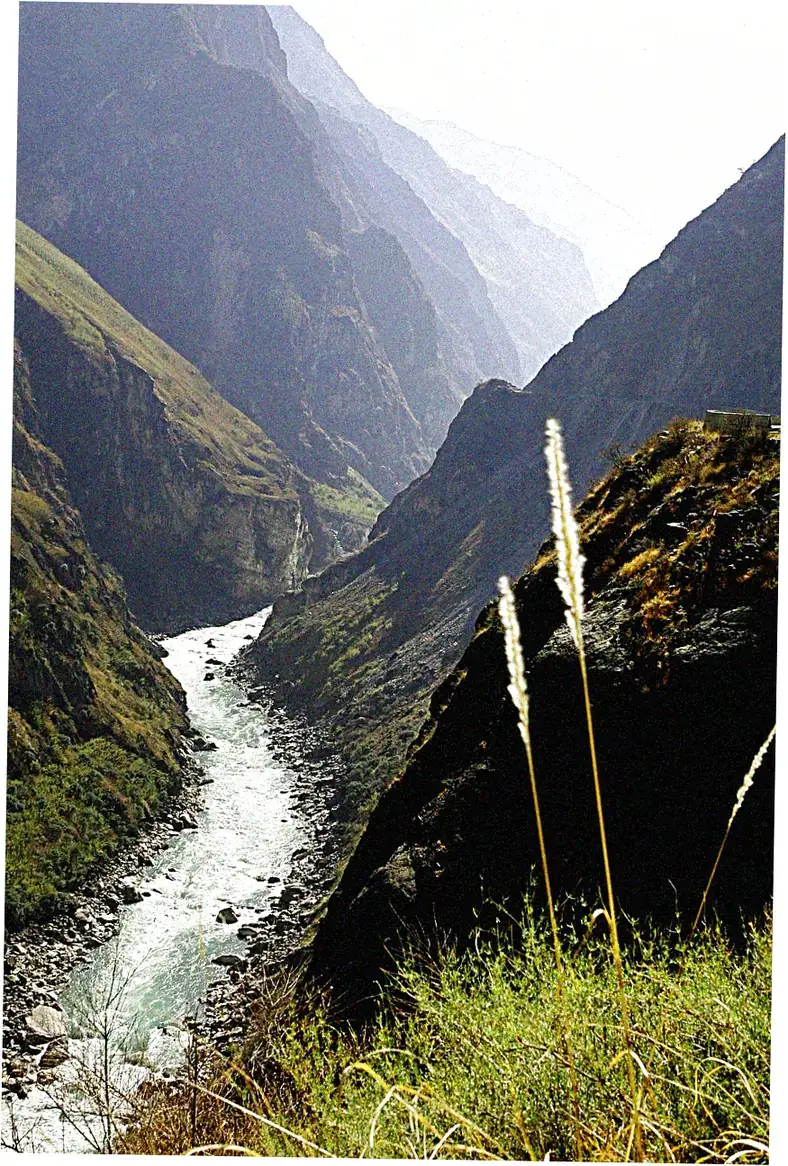
Tiger Leaping Gorge Hike is famous for its crazy landscapes. The Jinsha River cuts through huge cliffs, making one of Earth’s deepest gorges. You’ll find rough trails, thick plants, and views you won’t see anywhere else in the area. China’s tourism folks say over 100,000 people visit each year. Lots come just to hike Tiger Leaping Gorge.
What makes this hike special? It’s easy to get to and has different options. Unlike some hard-to-reach hikes, Tiger Leaping Gorge is close to Lijiang. That’s why both locals and foreigners love it. The trail splits into upper and lower parts. Each has its own tough spots and cool things to see. Want a hard one-day hike or a longer trip? Tiger Leaping Gorge has options for you.
Historical and Cultural Significance
Tiger Leaping Gorge Hike is full of local stories and culture. Local Naxi stories say a tiger jumped the river’s narrow spot to get away from hunters. That’s how the gorge got its name. That’s just one of many tales showing the area’s cool culture. Naxi and Yi people live here too. Their traditions make hiking here even more interesting.
Besides culture, the gorge is important in local history too. Long ago, it was part of the Tea Horse Road trade route between Yunnan and Tibet. You can still see bits of this history on the trail. It makes the hike educational too. Want to know more? Local guides will tell you stories about the gorge’s history.
Planning Your Tiger Leaping Gorge Hike
Best Time to Visit
Picking the right time is key for a good Tiger Leaping Gorge Hike. September through November is best. The weather’s cool and dry, and trails are in great shape. Spring (March-May) is nice too. Wildflowers make everything colorful. Summer can be rainy though. That makes trails slippery and maybe risky.
You can hike in winter, but you’ll need to prepare more. It gets really cold, and some trail parts might be icy. Yunnan hikers say winter trekkers need crampons and warm gear to stay safe. No matter when you hike, always check weather and trail conditions first.
Essential Gear and Packing List
Bringing the right stuff can decide if your hike is great or terrible. Good hiking boots with ankle support are a must – the ground is rocky and rough. You’ll also need a light backpack, lots of water, energy snacks, and a first-aid kit. Bring sun protection too – the sun’s strong up high, even when it’s cloudy.
Staying overnight? You’ll need a good tent and sleeping bag. Lots of hikers say trekking poles help on steep parts. REI says trekking poles can cut knee stress by 25%. That makes them worth bringing. Finally, bring a map or GPS – some trail spots aren’t well marked.

Tiger Leaping Gorge Hike Trails Overview
Upper Trail vs. Lower Trail
You’ve got two main choices for Tiger Leaping Gorge Hike: Upper Trail or Lower Trail. Most hikers pick the Upper Trail. It’s got amazing views and tougher ground. It’s less built-up too, giving a more real wilderness feel. The Lower Trail is easier and quicker. Good for new hikers or if you’re short on time.
Hiking China found 70% of hikers like the Upper Trail best for its views and adventure. But the Lower Trail has cool stuff too – you get closer to the river and see some pretty waterfalls. Either way, both trails show you awesome gorge views and nature spots.
Key Landmarks and Viewpoints
You can’t do Tiger Leaping Gorge Hike without seeing its famous spots. Don’t miss the Tiger Leaping Stone – it’s named after that famous tiger jump story. The 28 Bends are another must-do. It’s a tough zigzag climb, but worth it. When you reach the top, you get amazing views of the whole gorge.
Other cool stops are Halfway Guesthouse (great place to rest with awesome views) and Walnut Grove (peaceful spot for lunch). Guides say start early to beat the crowds and get the best photos. Take your time and enjoy the views – that’s what makes the hike so special.

Safety Tips for Tiger Leaping Gorge Hike
Navigating Challenging Terrain
Staying safe is super important on Tiger Leaping Gorge Hike. Steep, rocky parts can be dangerous, especially when wet. Watch where you step and don’t hurry – people slip and fall a lot here. Rescue teams say most accidents happen when hikers think the trail’s easier than it is.
Always stay on marked trails – that’s key for safety. Going off-trail might get you lost or on unsafe ground. Not sure about a trail part? Ask other hikers or guides. Better slow and safe than sorry.
Dealing with Altitude and Weather
Watch out for altitude sickness – parts of the hike go over 2,600 meters high. You might get headaches, feel sick, or dizzy. Spend a couple days in Lijiang first to get used to the height. Drink lots of water and skip alcohol – that helps too.
Gorge weather changes fast, so bring clothes you can layer. Pack a light rain jacket even if it’s supposed to be sunny. Weather experts say afternoon rainstorms happen often, especially in summer. Ready for anything? You’ll hike safer and more comfortably.

Accommodations and Facilities
Guesthouses and Homestays
Staying overnight? There are guesthouses and homestays along Tiger Leaping Gorge Hike. Hikers love Halfway Guesthouse – simple but comfy rooms with amazing views. Tina’s and Sean’s are other good picks – friendly places with filling food.
A homestay lets you experience Naxi culture and kindness firsthand. Homestays often serve local dishes made with Yunnan ingredients – a real taste of the area. Travel writers say these stays can be the best part of your trip – really unique and real.
Camping Options and Regulations
You can camp on Tiger Leaping Gorge Hike too, but follow the rules. Designated camping areas are available near some guesthouses, but wild camping is generally discouraged due to environmental concerns. Always check with local authorities or your guesthouse before setting up camp.
If you do choose to camp, be prepared for cold nights, especially at higher elevations. A four-season tent and a warm sleeping bag are recommended. According to the Yunnan Environmental Protection Bureau, campers should also practice Leave No Trace principles to preserve the gorge’s natural beauty for future hikers.

Wildlife and Nature
Flora and Fauna of the Gorge
The Tiger Leaping Gorge Hike is a paradise for nature lovers, boasting a diverse range of flora and fauna. The area is home to over 200 species of birds, including the rare Yunnan nuthatch. Plant enthusiasts will appreciate the variety of wildflowers, rhododendrons, and ancient juniper trees that dot the landscape.
According to a study by the Kunming Institute of Botany, the gorge’s unique microclimate supports several endemic plant species found nowhere else in the world. Keep an eye out for wildlife, too—sightings of mountain goats, foxes, and even the occasional black bear have been reported. Remember to observe animals from a distance and avoid feeding them.
Environmental Conservation Efforts
Preserving the natural beauty of the Tiger Leaping Gorge Hike is a shared responsibility. Local organizations, such as the Tiger Leaping Gorge Conservation Society, work tirelessly to protect the area’s ecosystems. Hikers can contribute by sticking to marked trails, carrying out all trash, and using eco-friendly products.
Efforts to reduce plastic waste have been particularly impactful. Many guesthouses now offer refillable water stations, and some even provide reusable containers for hikers. According to conservationist Zhang Wei, these small changes have significantly reduced the amount of litter along the trail. By being mindful of your impact, you can help ensure the gorge remains pristine for years to come.

Cultural Experiences
Local Naxi and Yi Communities
The Tiger Leaping Gorge Hike isn’t just about nature—it’s also an opportunity to connect with local cultures. The Naxi and Yi people have lived in the region for centuries, and their traditions are deeply intertwined with the land. Visiting a local village can provide insight into their way of life, from traditional farming practices to unique festivals.
Many homestays offer cultural activities, such as Naxi music performances or handicraft workshops. According to anthropologist Dr. Wang Lin, these interactions enrich the hiking experience, offering a deeper understanding of the region’s heritage. Don’t miss the chance to try local dishes, either—Yunnan’s cuisine is as diverse as its landscapes.
Festivals and Events
Timing your Tiger Leaping Gorge Hike to coincide with a local festival can add an extra layer of excitement. The Naxi Torch Festival, held in late summer, is a vibrant celebration featuring dancing, music, and bonfires. The Yi New Year, usually in November, is another highlight, with traditional ceremonies and feasts.
These events offer a rare glimpse into the cultural fabric of the region. According to event organizer Li Ming, festivals are a time when communities come together to celebrate their shared history and identity. Participating in these celebrations can make your hike even more memorable, providing stories and experiences to cherish long after you’ve left the gorge.
Photography Tips
Best Spots for Stunning Shots
The Tiger Leaping Gorge Hike is a photographer’s dream, with endless opportunities for breathtaking shots. The 28 Bends viewpoint offers sweeping vistas of the gorge, especially at sunrise or sunset. The Tiger Leaping Stone is another iconic spot, perfect for capturing the power of the Jinsha River.
For a different perspective, consider hiking down to the riverbank. The lower vantage point allows for dramatic shots of the towering cliffs. According to professional photographer Chen Xia, early morning light provides the best conditions, with soft shadows and vibrant colors. Don’t forget to bring a polarizing filter to reduce glare and enhance the sky’s blue hues.
Gear and Techniques
Packing the right photography gear is essential for a successful Tiger Leaping Gorge Hike. A lightweight DSLR or mirrorless camera is ideal, but even a high-quality smartphone can capture stunning images. A sturdy tripod is recommended for long exposures, especially at dawn or dusk.
Composition is key when photographing the gorge. Leading lines, such as the trail or river, can draw the viewer’s eye into the frame. According to photography instructor Mark Johnson, using the rule of thirds can also create more balanced and engaging images. Experiment with different angles and perspectives to find the perfect shot.
Solo vs. Group Hiking
Pros and Cons of Solo Hiking
Solo hiking the Tiger Leaping Gorge Hike offers unparalleled freedom and solitude. You can set your own pace, take breaks whenever you like, and fully immerse yourself in the experience. However, solo hiking also comes with risks, including the lack of immediate help in case of an emergency.
According to solo hiker and blogger Emma Zhang, preparation is key. Always let someone know your itinerary and expected return time. Carrying a personal locator beacon (PLB) is also a good idea, especially in remote areas. While solo hiking can be rewarding, it’s not for everyone—assess your skills and comfort level before setting out alone.
Benefits of Group Hiking
Group hiking the Tiger Leaping Gorge Hike can enhance the experience in many ways. Sharing the journey with others creates camaraderie and makes the trek more enjoyable. It’s also safer, as group members can assist each other in case of injury or other issues.
Guided group hikes are another excellent option, especially for first-timers. Local guides provide valuable insights into the gorge’s history, culture, and ecology. According to tour operator James Wang, guided hikes often include perks like pre-arranged accommodations and meals, making the logistics much easier. Whether you choose to hike with friends or join a tour, the shared experience can be incredibly fulfilling.
Post-Hike Recovery and Reflection
Recovering After the Hike
After completing the Tiger Leaping Gorge Hike, your body will thank you for some TLC. Stretching and hydration are crucial to prevent soreness and stiffness. A warm bath with Epsom salts can help relax tired muscles, while light activities like walking or yoga can aid recovery.
Nutrition is equally important. Replenish lost electrolytes with sports drinks or coconut water, and eat protein-rich meals to repair muscle tissue. According to physiotherapist Dr. Liu Yang, proper recovery can reduce the risk of long-term fatigue and injury. Take it easy for a few days—your body has earned the rest.
Reflecting on the Experience
The Tiger Leaping Gorge Hike is more than just a physical challenge—it’s a journey of self-discovery. Taking time to reflect on the experience can deepen its impact. Journaling about your thoughts and feelings, or simply sharing stories with fellow hikers, can help process the adventure.
Many hikers find that the gorge leaves a lasting impression, inspiring a greater appreciation for nature and personal resilience. According to psychologist Dr. Mei Ling, such experiences can foster a sense of accomplishment and perspective. Whether you’re a first-time hiker or a seasoned trekker, the memories of the gorge will stay with you long after the blisters have healed.

Conclusion and Action Call
The Tiger Leaping Gorge Hike is a once-in-a-lifetime adventure that combines natural beauty, cultural richness, and physical challenge. Whether you’re drawn by the stunning landscapes, the local traditions, or the thrill of the trek, the gorge promises an experience like no other. With proper planning, preparation, and respect for the environment, your hike can be safe, enjoyable, and deeply rewarding.
Ready to take on the Tiger Leaping Gorge Hike? Start planning your trip today, and don’t forget to share your experiences with fellow adventurers. The gorge is waiting—lace up your boots and take the first step toward an unforgettable journey.
FAQ
How difficult is the Tiger Leaping Gorge Hike?
The difficulty of the Tiger Leaping Gorge Hike varies depending on the trail and your fitness level. The Upper Trail is more challenging, with steep climbs and rugged terrain, while the Lower Trail is easier and more accessible. Most hikers rate the Upper Trail as moderate to strenuous.
What is the best time of year to hike Tiger Leaping Gorge?
The best time for the Tiger Leaping Gorge Hike is from September to November, when the weather is cool and dry. Spring (March to May) is also a good option, though summer can be rainy and winter may bring icy conditions.
Do I need a guide for the Tiger Leaping Gorge Hike?
While a guide isn’t strictly necessary, it can enhance your experience, especially if you’re unfamiliar with the area. Guides provide valuable insights into the gorge’s history, culture, and ecology

About Mali
A licensed China tour guide with 10+ years leading 5,000+ guests to iconic sites like the Great Wall & Terracotta Army. Expert in seamless tours, cultural insights, and VIP access!