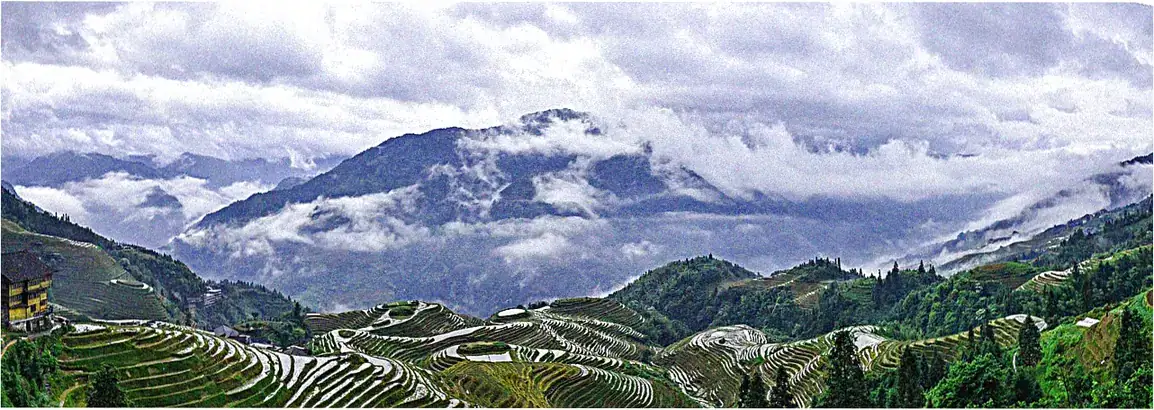
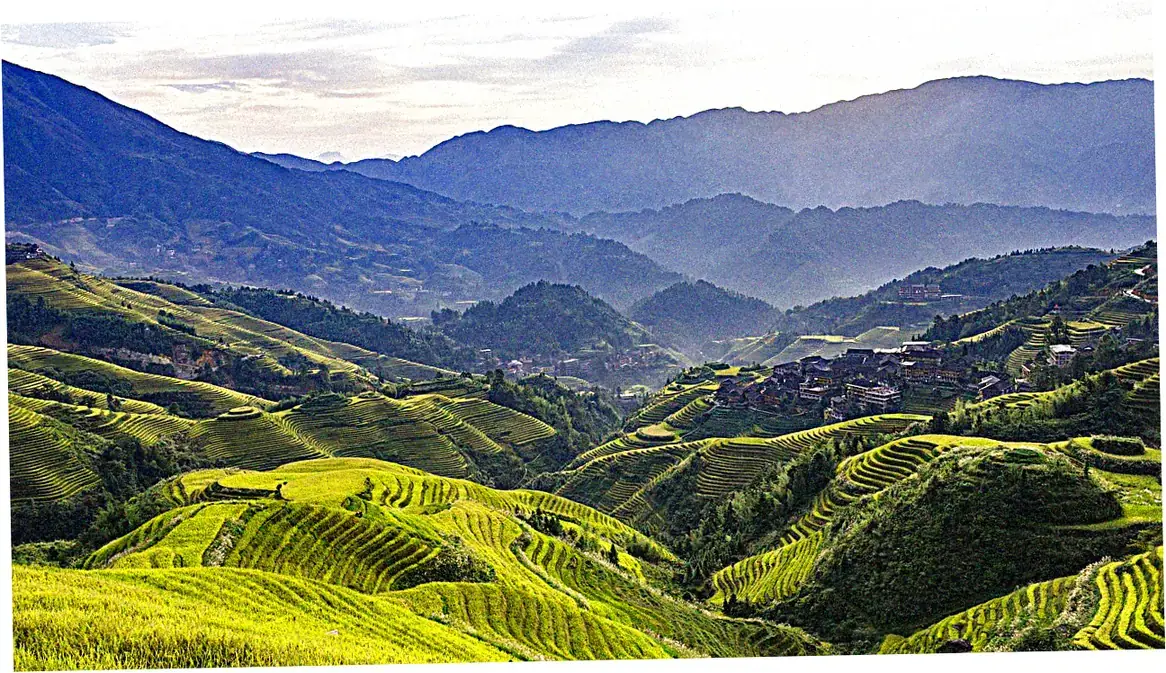
The Longji Rice Terraces, or Dragon’s Backbone, are tucked away in Longsheng’s mountains. They’re about two hours from Guilin and offer one of China’s most stunning views—both for farming and culture. I’ll never forget my first look at these terraces. They curve along the mountains like huge ribbons or dragon scales—that’s how they got that beautiful name. Unlike the meticulously planned Tour of the Forbidden City, exploring here feels like stepping into a living, breathing masterpiece shaped by the Zhuang and Yao people over 650 years. Travelers usually want to know the best time to see the terraces change with the seasons, which hiking trails to take, how to get great photos, and how to experience local culture. That’s what makes Longji such a cool mix—nature and people’s history together.
Table of Content
- Longji Terraces Scenic Area Overview and Significance
- Best Time to Visit Longji Terraces
- How to Get to Longji Terraces from Guilin
- Hiking Trails and Must-See Viewpoints
- Local Culture and Ethnic Villages Experience
- Practical Tips for Visitors and Sustainable Tourism
- Summary and Call to Action
- Frequently Asked Questions (FAQ)
Longji Terraces Scenic Area Overview and Significance
Location and Historical Background
Longji Rice Terraces are in Longsheng County, about 100 km away from Guilin. People started building them way back in the Yuan Dynasty and kept going through the Ming Dynasty. It took local ethnic groups centuries of hard work and clever ideas to create this. What’s really amazing is how well they blend with nature. These terraces stop soil from washing away and form a self-supporting system for growing rice. Compared to the imperial rigidity of a Tour of the Forbidden City, this landscape feels organic and dynamic, reflecting a deep connection between people and nature that has been honored for generations.
The terraces are a nationally protected area and might become a UNESCO World Heritage site too. They cover more than 66 square kilometers and go from 300 meters up to 1,100 meters above sea level.
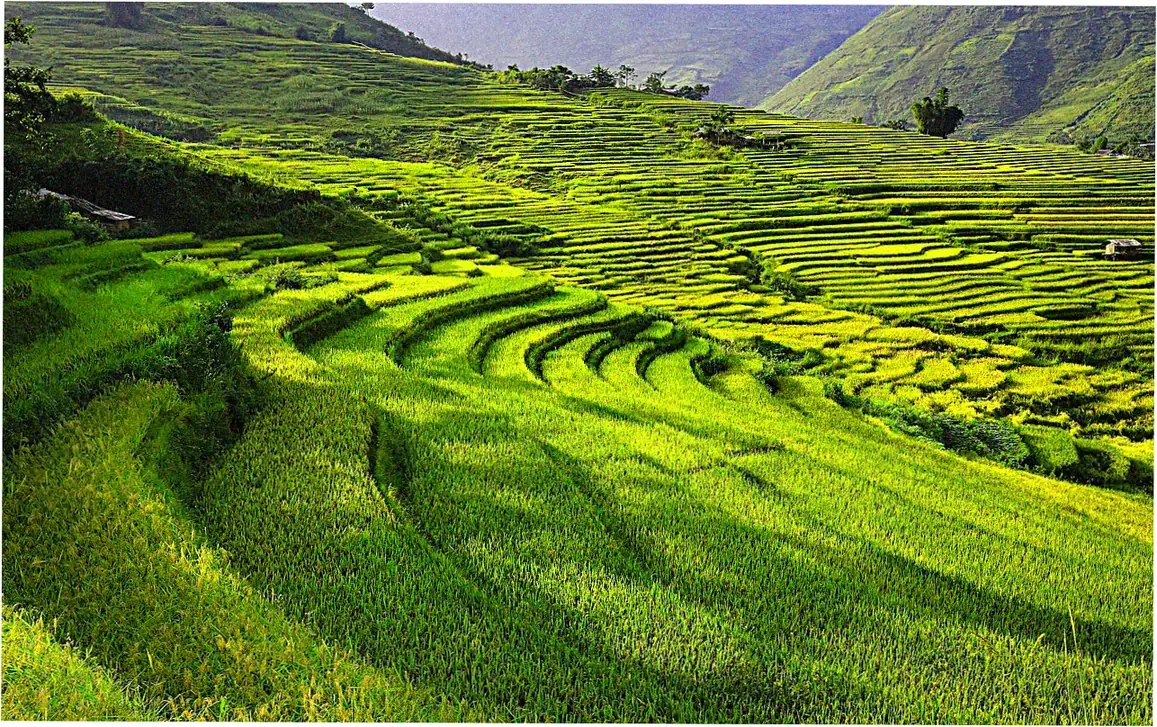
The different heights create incredible layers that look stunning as the seasons change. Two spots are especially famous: Ping’an Zhuang Village Terraces and Jinkeng Red Yao Terraces.
Each gives you unique views and cultural experiences. It’s not just a pretty place—it shows how people can adapt and persevere.
Cultural Importance of the Terraces
For the Zhuang and Yao folks, these terraces aren’t just farmland. They’re at the heart of their culture and traditions. Take the Red Yao women—they’re famous for their long hair, which stands for long life and good fortune. They often do hair-combing ceremonies for tourists. During my visit, I participated in a local festival similar to the Lunar Year Festival, where families gathered to celebrate the harvest with music, dance, and traditional meals. This cultural dive makes the experience much richer. It’s not just sightseeing—you’re stepping into the lives of communities who’ve cared for these slopes for hundreds of years.
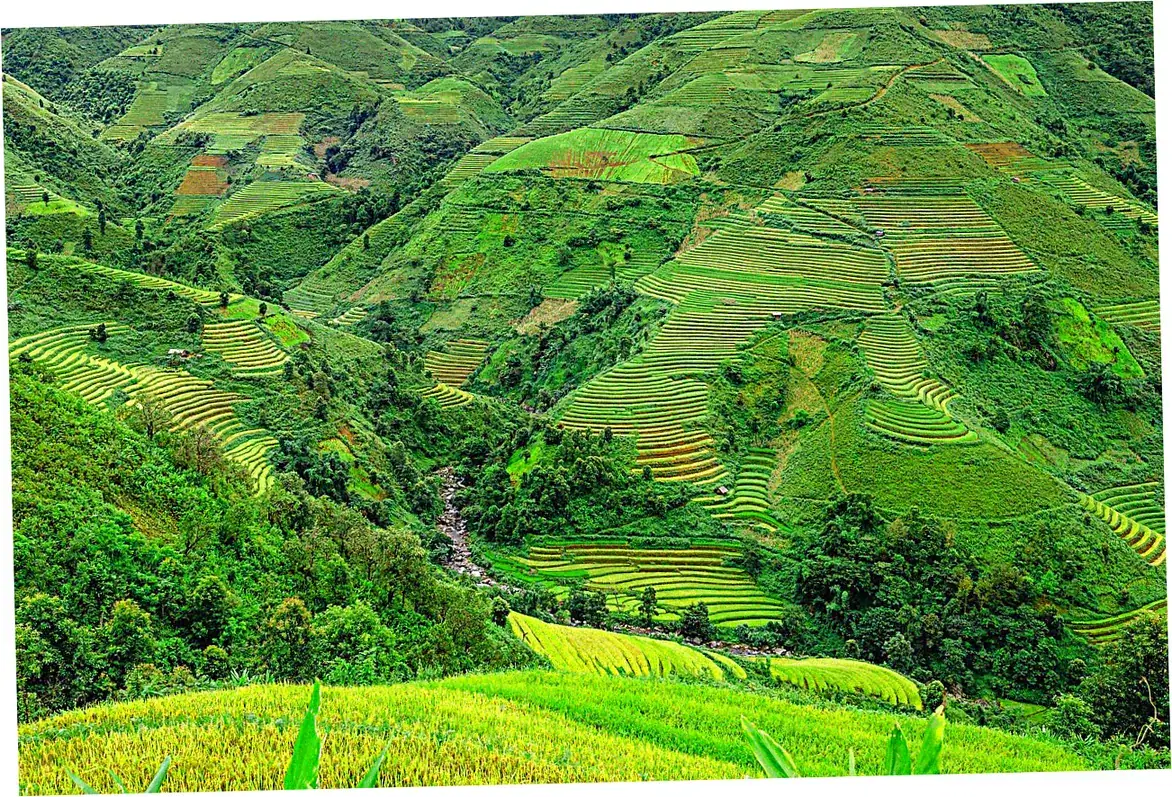
The terraces also show sustainable farming methods passed down through generations. They use an integrated system with fish and ducks in the rice fields. This boosts biodiversity and makes the soil richer.
This smart eco-friendly approach has caught the eye of groups like the FAO. They point to Longji as a top example of important agricultural heritage worldwide. Getting into these details helps visitors see there’s more to Longji than just gorgeous views.
Best Time to Visit Longji Terraces
Seasonal Changes and Visual Highlights
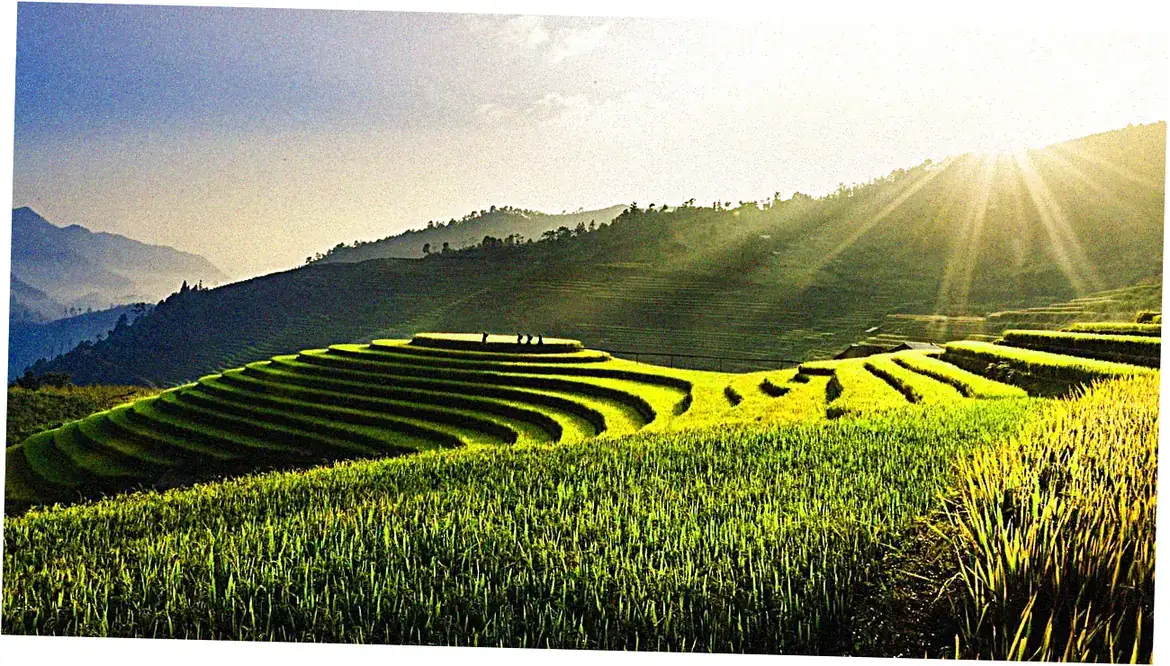
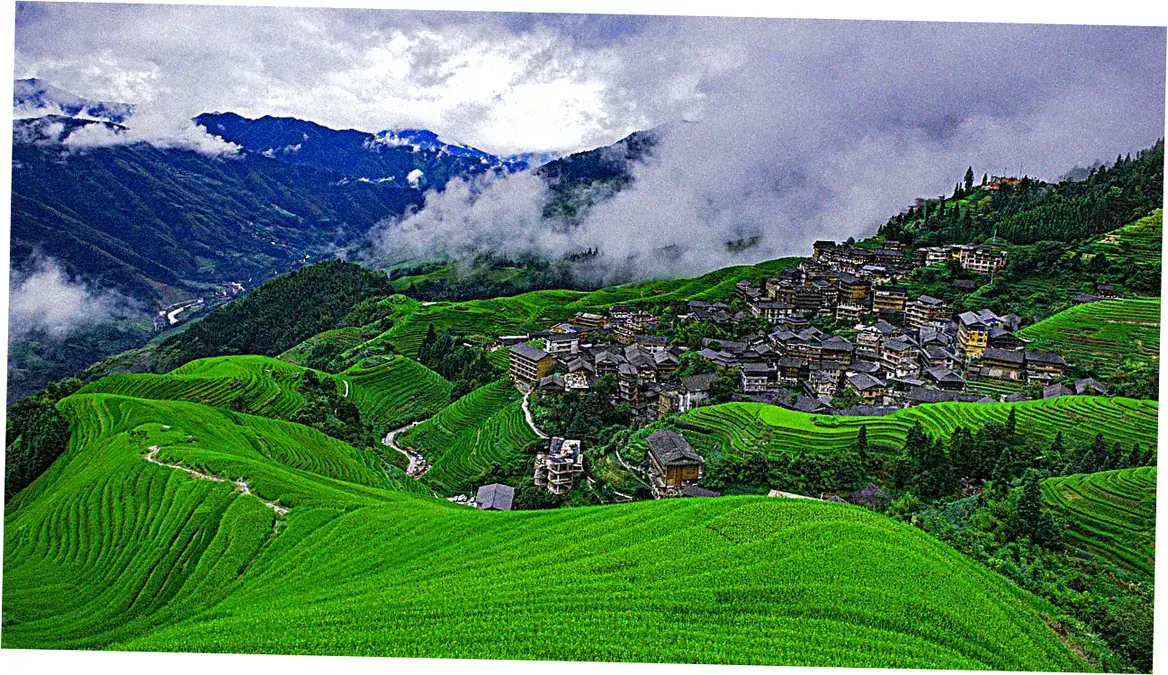
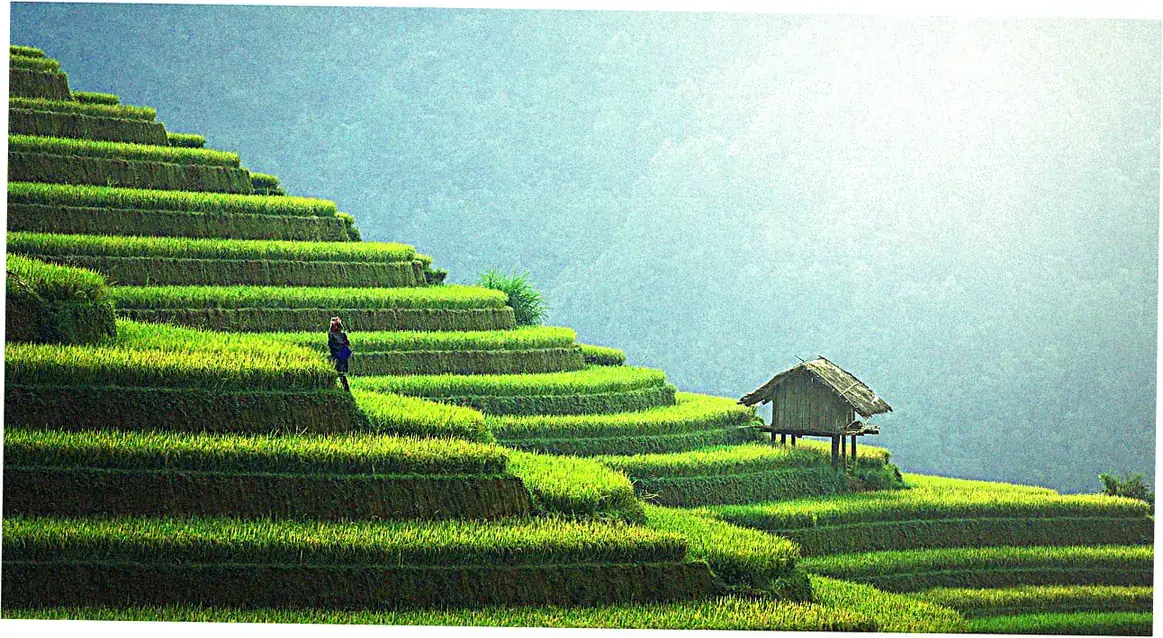
When to visit Longji Terraces in Guilin really depends on what you wanna see. From April to May in spring, the terraces fill with water and look like mirrors under the sun. Summer, from June to September, turns everything lush green.
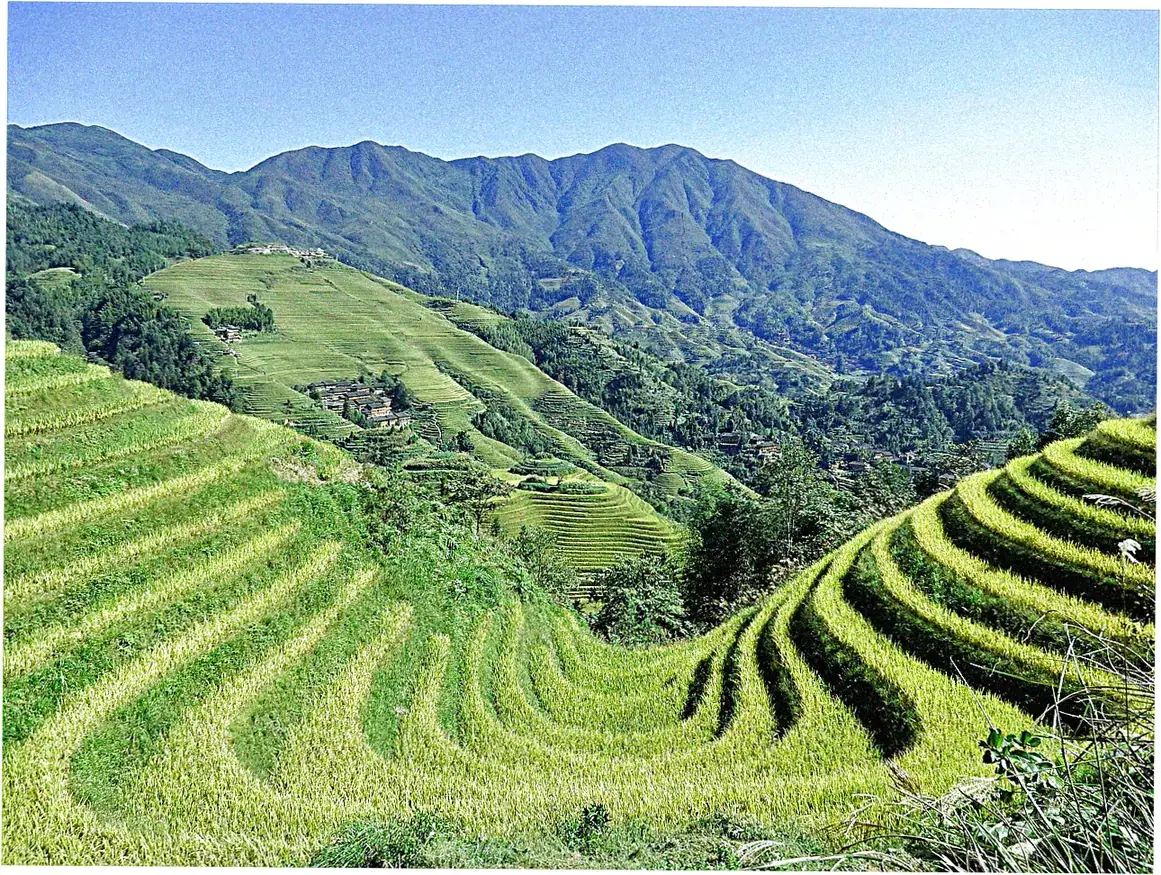
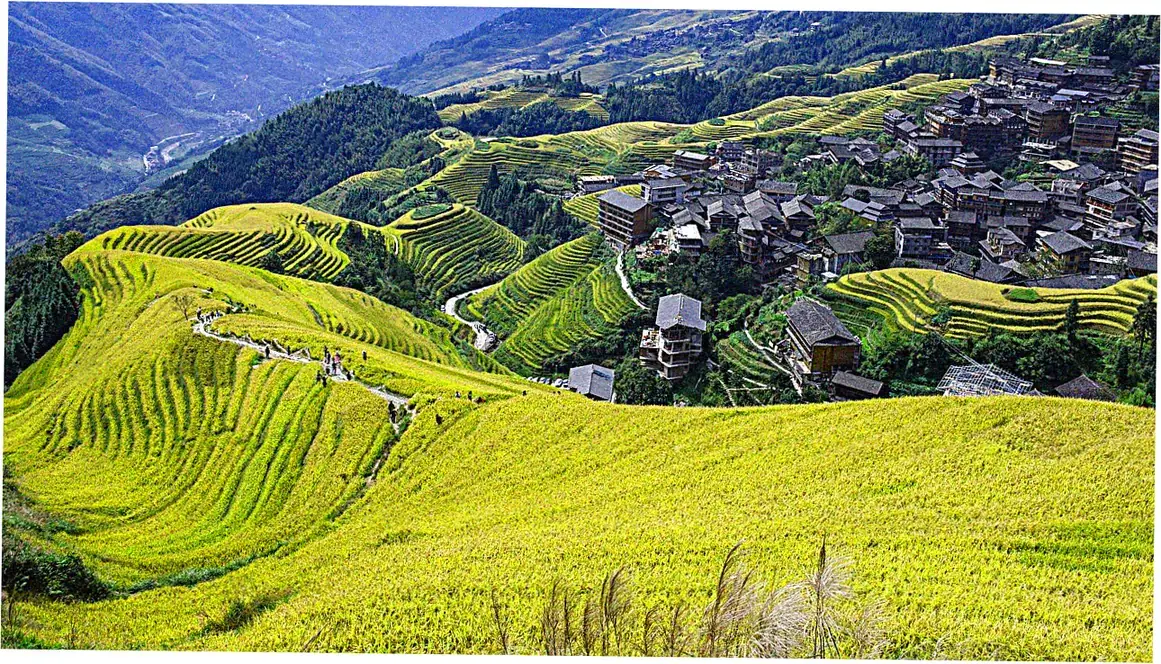
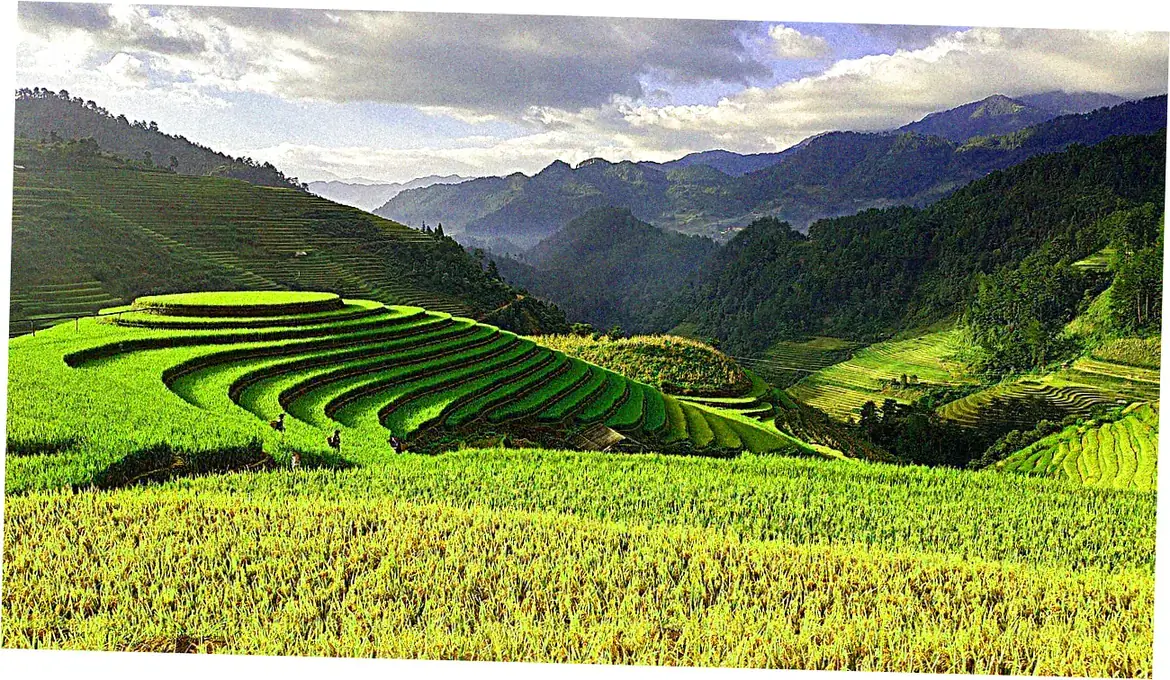
Late September to October is autumn—the rice turns golden. And in winter, from December to February, you might catch some snow, making the whole place look super peaceful and monochrome.
Every season has something special, but autumn’s a favorite for photos thanks to the bright colors and clear skies. I’d say check the weather before you go—fog can sometimes block the view, but it also adds a cool mystical vibe.
Timing your visit around local events, such as the Lunar Year Festival or harvest celebrations, can enhance the cultural experience. But try to avoid Chinese national holidays, like Golden Week in October—it gets super crowded. Weekdays are usually quieter, so you can explore more peacefully. Since the terraces are higher up, it’s cooler than Guilin—so bring layers, especially if you’re going early for sunrise or late for sunset views.
Monthly Breakdown and Photography Tips
Photographers, listen up—sunrise and sunset are the best times for great lighting. In Ping’an, don’t miss the iconic Seven Stars Around the Moon and Nine Dragons and Five Tigers viewing spots. Over in Jinkeng, Golden Buddha Peak gives you an awesome panoramic view. April and May are perfect for shooting those water-reflected skies, and late September is all about golden ripples. Grab a wide-angle for big views and a zoom lens to capture details of local life. I found that talking to local guides helped me discover hidden angles and avoid the crowds, much like finding a quiet corner in Shuzhuang Garden in Xiamen.
Heads up for winter visits—paths can be icy, but the snow-covered terraces are totally magical and rare. No matter when you go, wear good hiking shoes and bring water and snacks.
The local tourism office updates trail conditions, and lots of guided tours include photo workshops based on the season. Just remember, mountain weather changes fast, so stay flexible to make the most of your trip.
How to Get to Longji Terraces from Guilin
Transportation Options and Routes
Getting to the Longji Terraces from Guilin is pretty easy, and you’ve got a few ways to do it. The easiest way is to hop on a direct tourist bus from Guilin Bus Station or Yangshuo. The ride takes roughly 2 to 2.
5 hours and costs about 50 to 70 RMB per person. These buses drop you right at the entrance to the Longji Rice Terrace scenic spot. There, you’ll need to buy an entry ticket, which is around 100 RMB.
Or, you can hire a private car for more flexibility and comfort. This is a great choice if you’re with a group or have lots of camera gear. I booked a car through my hotel, and it was awesome because we could stop whenever we wanted to check out the cool countryside views.
If you’re on a budget, you can catch a public bus from Guilin to Longsheng County first. Then, you’ll need to take another local bus to get to the actual terraces. But fair warning, this way takes more time and hassle.
The bus connections don’t always line up perfectly. Especially during busy seasons, it’s a smart move to book your ride ahead of time to skip any delays. The roads up there are super winding and go through the mountains.
So if you get carsick easily, come prepared! Once you’re at the entrance, you can take an electric cart or a shuttle bus part of the way up. But to finally get to villages like Ping’an or Dazhai, you’ll need to do some hiking.
Ticket Information and Entry Points
Your ticket to the Longji Terraces scenic area gets you into all the sections, like Ping’an and Jinkeng. It’s good for one whole day. Lots of visitors though, they go for a multi-day pass so they can really explore everything properly.
You can buy your tickets online on sites like Ctrip, or just get them right at the entrance counters. Just a heads-up, the ticket price doesn’t include the shuttle rides inside the park. Those cost extra, about 40-50 RMB for unlimited trips.
There are two main entrances: one at Ping’an and another at Dazhai. Each one leads you to a different set of terraces. I started from the Dazhai entrance because they have a cable car that goes to the top. That’s really helpful if you have trouble getting around.
When you go in, they’ll give you a map. It shows all the main trails and the best viewpoints. Hold on to your ticket because they might check it at different spots inside. The park really focuses on sustainable tourism.
So please, stick to the marked paths to help protect the beautiful Longji Terraces. Thinking of staying overnight? Some local guesthouses throw in a guided tour with your stay. It makes sorting out your trip a lot easier.
It’s always a good idea to double-check the latest info. Rules can sometimes change during big festivals or if the weather gets bad.
Hiking Trails and Must-See Viewpoints
Ping’an Village Routes and Difficulty Levels
Ping’an Zhuang Village is super easy to get to and really popular. It’s got these nice stone paths that take you to all the best spots in the Longji Rice Terraces.
Walking from the village to Seven Stars Around the Moon takes like half an hour to 45 minutes if you go at a decent pace. There are some uphill bits, but most people can handle it just fine.
If you want a longer hike, you can add on Nine Dragons and Five Tigers. It’ll take about an extra hour, but the views are totally worth it – you get to see way more of the Guilin rice terraces.
I even saw some older folks taking breaks along the way and they were still loving the climb. Seriously, it’s not as tough as it seems!
The trails have signs in both English and Chinese. There are places to rest and little shops where you can grab drinks and snacks. You can hire a local guide for about 200-300 RMB if you want. It’s not necessary, but they’ll tell you cool stories about the terraces and local culture. Compared to the structured paths of Shuzhuang Garden, hiking here feels more adventurous but equally safe. Make sure to wear shoes with good grip – some steps are pretty steep and can get slippery if it rains. If you go early in the morning, there are fewer people around. You can really enjoy the misty views without anyone blocking your way.
Jinkeng Red Yao Terraces and Cable Car Access
Then there’s Jinkeng Terraces, where the Red Yao people live. This area’s bigger and more spread out. They’ve got a cable car that goes up to Golden Buddha Peak. A round trip on the cable car costs around 100 RMB.
It saves your energy so you can explore more at the top. The view from the top is amazing – you can see everything around you. It’s especially beautiful at sunrise when the terraces glow with that soft morning light.
If you prefer hiking, trails from Dazhai Village go through bamboo forests and little villages. It takes about 2-3 hours to reach the peak. What I liked was hiking up and then taking the cable car back down – it made for a nice mix of experiences.
Jinkeng also has these cool spots called Thousand-Layer Terraces and West Hill Music. Each one gives you a different angle on those amazing cascading rice fields. This area feels less touristy than Ping’an.
There are more homestays where you can experience real Yao culture. You’ve gotta try the local food at one of the family-run places – stuff like bamboo rice and oil tea is really tasty.
The trails here are a bit steeper, but they’re well maintained. And if you can’t do much hiking, the cable car makes it easy to still see everything.
Local Culture and Ethnic Villages Experience
Zhuang and Yao Traditions and Customs
Meeting the Zhuang and Yao folks is one of the best parts of visiting Longji Rice Terraces. The Zhuang people build cool stilt houses and make bright embroideries. Yao women never cut their hair—they use old rice water recipes to keep it super long. I caught a hair-show in Huangluo Yao Village. Elders there performed traditional songs and dances—it was amazing. These cultural exchanges are similar to the depth you’d experience in a Tour of the Forbidden City but with a living, community-based warmth.
Try joining workshops—like planting rice or learning embroidery—to really get a feel for their life. In tourist season, lots of villages light bonfires at night. Visitors and locals hang out, share stories, and eat together.
Be respectful—always ask before snapping photos. Help out the locals by buying their handmade crafts. Even with modern life around, these villages keep their traditions. Your visit helps keep their culture alive.
Homestays and Traditional Cuisine
For a real cultural dive, stay in a homestay. I stayed with a Yao family in Dazhai in their wooden house. Woke up to roosters and the smell of fresh oil tea—so cool. Rooms are simple but clean.
You share bathrooms, and they include big, tasty meals. You gotta try the local dishes—sticky rice in bamboo, cured meats, river fish—all from right around there. At dinner, hosts love sharing family stories and terrace legends. It really makes you feel connected.
It’s smart to book your homestay ahead of time, especially when it’s busy. You’ll pay around 150 to 300 RMB a night, breakfast included. It’s not fancy like a hotel, but the real-deal experience is totally worth it.
If you want more comfort, check out Ping’an. They’ve got cute lodges with private terraces views. Whatever you choose, the warm hospitality really makes your trip special.
Practical Tips for Visitors and Sustainable Tourism
What to Pack and Health Precautions
Pack smart and you’ll have a much more comfortable trip. Don’t forget the essentials: good hiking boots, rain gear like an umbrella or poncho, layers for the changing weather, sunscreen, and a first-aid kit that has motion sickness pills.
I also brought a power bank because it’s hard to find places to charge your phone in the local homestays. You’ll need cash for small buys in the villages, but bigger spots do take mobile payments. Help protect the environment—bring a reusable bottle and try to avoid single-use plastics.
Health tip: the high altitude and all the hiking can be tough on some people. So remember to take breaks, drink plenty of water, and don’t push yourself too hard. Some steep parts of the paths do have handrails, but you still gotta be careful.
There are small clinics in the villages for little problems, but for anything serious, you’ll need to go back to Guilin. It’s a really good idea to get travel insurance that covers outdoor activities.
If you prepare well, you can just relax and enjoy the amazing views of Longji Rice Terraces without worrying.
Supporting Local Communities and Eco-Friendly Practices
Sustainable tourism is super important for keeping Longji’s heritage alive. Please stay on the marked trails to stop erosion, and don’t litter—take your trash with you.
You can support the locals by buying handicrafts right from the makers or eating at family-owned restaurants. Lots of tour companies work with the communities to make sure people get fair pay and their culture is protected.
I picked a guide from the village association—that way the money goes straight to the people who live there.
The folks managing the Longji Scenic Area have started programs for recycling waste and saving water. As a visitor, you can help out by respecting what they’re doing and telling others about it too.
What you do helps save this beautiful place for the future, so your trip isn’t just fun—it means something. When you share your trip on social media, do it responsibly to spread the word without attracting too many people at once.
Summary and Call to Action
The Longji Rice Terraces in Guilin are just amazing. They mix stunning natural beauty with rich culture. It really shows how clever people can work with nature.
You’ve got the changing seasons and the super friendly Zhuang and Yao folks. Every part of it makes you want to explore and think. No matter if you love taking photos, hiking, or learning about cultures,
Longji Rice Terraces won’t disappoint. You’ll have awesome experiences and make memories that stick with you.
So, why not start planning your trip? Check out the best time to go based on what you like, and be sure to book your stay early. Remember to travel responsibly to help protect this special place.
And really dive into the local lifestyle while you’re there. Have any of you been to the Longji Terraces or ones like them? Drop your stories in the comments! And if you have questions, just ask—I’d love to help you plan an amazing trip to Guilin.
Got questions about Longji Rice Terraces? Here are some common ones!
When’s the best time to see the Longji Rice Terraces in Guilin?
Come between late April and early June to see the terraces filled with water. Or visit from late September to October for the golden harvest views. Each season looks totally different. Just try to avoid Chinese national holidays—it gets super crowded then.
How long are the hikes at the Longji Terraces?
Most trails take about 2 to 4 hours for a round trip. It really depends on how fast you walk and which path you pick. The Ping’an routes are shorter, around 1 to 2 hours. But the Jinkeng trails are a bit longer—maybe 3 or 4 hours. Good news: Jinkeng has a cable car that shortens the hike.
Is the Longji Terraces scenic spot okay for elderly or disabled visitors?
Some paths are pretty steep, so it’s not super accessible. But you can take the cable car in Jinkeng—it goes right to the top viewpoints. Ping’an has shorter walks and places to rest. Still, you might need some help on the tougher parts.
What should I pack for a day at the Longji Rice Terraces?
Wear comfy hiking shoes and layers. Bring a rain jacket too—the weather can change quickly. Don’t forget water, snacks, some cash, and your camera for photos. Try to pack light—a backpack is way easier to carry on the trails.

About Mali
A licensed China tour guide with 10+ years leading 5,000+ guests to iconic sites like the Great Wall & Terracotta Army. Expert in seamless tours, cultural insights, and VIP access!