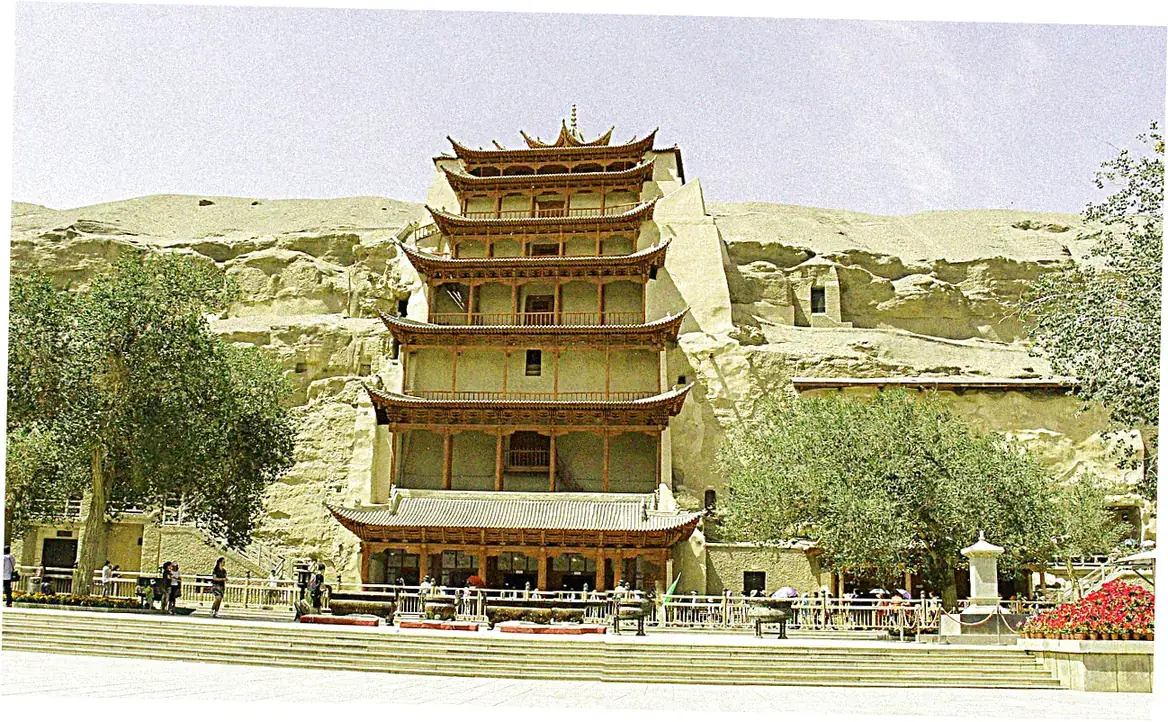
The Mogao Grottoes are super important – they’re a UNESCO World Heritage Site and one of the best Buddhist art spots globally. These caves sit near Dunhuang on the old Silk Road. They’ve got amazing paintings and statues that are over 1,000 years old!
Table of Content
- Best time to visit Mogao Grottoes for ideal weather
- How to purchase Mogao Grottoes tickets online
- Guided tour options at Mogao Buddhist caves
- Photography rules inside Mogao cave complex
- Essential items to pack for Mogao Grottoes visit
- Nearby attractions to combine with Mogao tour
- Accessibility features at Mogao Grottoes site
- Cultural etiquette for visiting Mogao holy site
- Comparing Mogao Grottoes with Yungang caves
- Mogao Grottoes conservation efforts explained
- Local dining options near Mogao Grottoes
- Transportation options to reach Mogao Grottoes
- Mogao Grottoes ticket discounts available dates
If you’re planning a Mogao Grottoes tour, you’ll probably want to know about tickets – types, costs, how to book. Plus some background on why this place matters so much. This guide answers all those common questions and gives you the full scoop on what your visit will be like.
Best time to visit Mogao Grottoes for ideal weather
Picking the best time for your Mogao Grottoes tour makes a huge difference to your trip. Spring (April-June) and fall (September-October) are perfect – nice temps and way less sandstorms than summer.
Summers get crazy hot – we’re talking over 95°F. Winters are cold but hey, fewer tourists! Inside the caves stays pretty steady temp-wise all year. But outside? Desert weather can be rough in summer and winter. Most folks say early morning or late afternoon are prime time – great weather and perfect light for pics.
How to purchase Mogao Grottoes tickets online
Getting Mogao Grottoes tour tickets is way easier now you can book online.
Foreigners can book in English on the Dunhuang Research Academy site – tickets open up about 30 days ahead. Ticket options: Regular (8 caves guide), emergency (4 caves in busy times), and special passes for extra exhibits.
You can pay with international cards or WeChat Pay. You’ll get a QR code as your ticket – keep it handy on your phone or print it out. In busy season (May-Oct), book at least a week early. They limit daily visitors to protect the delicate cave art.
Guided tour options at Mogao Buddhist caves
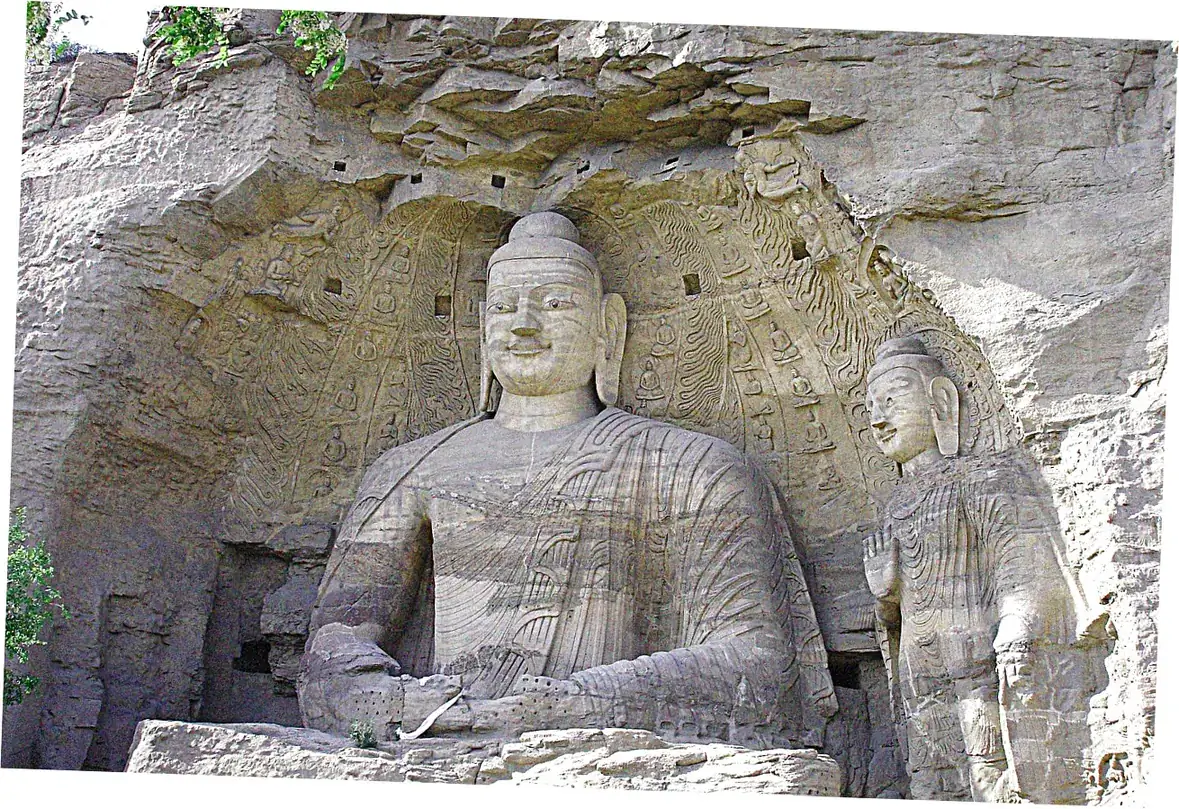
The guides from Dunhuang Academy really make the Mogao Grottoes tour special – they know their stuff!
Everyone gets a guided tour in their language – Chinese, English, Japanese or Korean. The regular tour runs 75 minutes. Guides explain the history, art tricks, and religious meaning of the caves you see.
Want more? Try a research tour to see hidden caves. But you’ll need to apply ahead and pay extra. From my visits, morning tours tend to have smaller groups and guides who really get into it. These guides are actually researchers – they can answer super detailed questions about the art and how they protect it.
Photography rules inside Mogao cave complex
Know the photo rules before your Mogao Grottoes tour – it’s important!
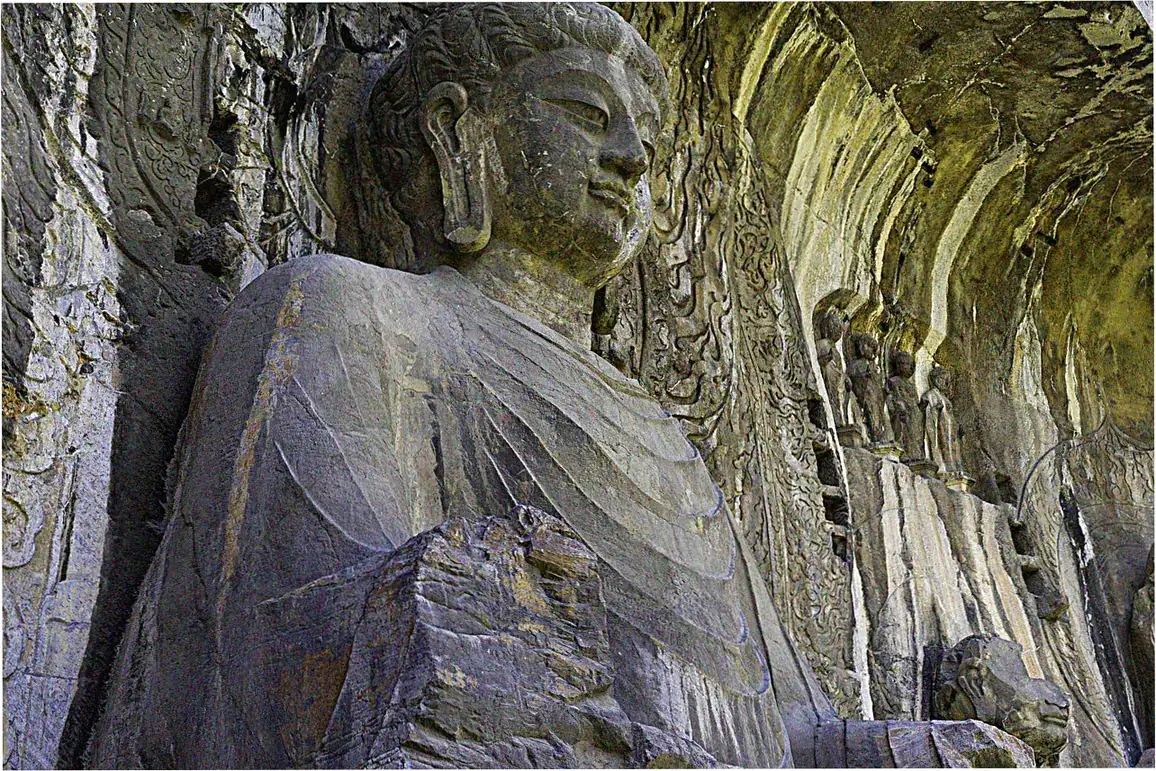
No flash photos in any caves – it damages the ancient paint. Some caves say no photos at all – signs will tell you which ones.
Outside shots are fine – the caves and desert views are all yours to photograph. At the Digital Exhibition Center, you can snap pics of their super clear replicas – honestly better than what you’d get in the real caves. Photo buffs should bring a good low-light camera – it’s pretty dark inside the caves. My tip? Put the camera down sometimes. These artworks look way more amazing in person than any photo can show.
Essential items to pack for Mogao Grottoes visit
Bring the right stuff and your Mogao Grottoes tour will be much nicer.
Don’t forget sun protection! Hat, shades, and strong sunscreen – there’s not much shade out there. Wear comfy shoes with grip – the paths between caves can be bumpy.
Bring plenty of water – it’s super dry (but there are refill spots). A small light helps read info signs in dark spots – just don’t point it at the paintings! Bring a notebook! Guides share so much info, you’ll want to write down cool stuff about your favorite caves.
Nearby attractions to combine with Mogao tour
Make your Mogao Grottoes tour even better by checking out nearby spots too.
Just 6km away, the Singing Sand Dunes and Crescent Moon Spring have awesome desert views and camel rides. The Dunhuang Museum gives great background on the area’s Silk Road history.
Yadan National Park’s crazy rock formations are perfect for sunset pics you’ll never forget. Lots of folks add Yumen Pass and Yangguan Pass to their trip – old Great Wall gates that marked China’s western edge. Got more time? Check out Yulin Grottoes 170km away – amazing art with way fewer tourists. These extra stops really show why Dunhuang matters so much historically.
Accessibility features at Mogao Grottoes site
They’ve made Mogao Grottoes tours more accessible lately, but it’s still tricky because it’s so old.
Wheelchair users can get around the visitor center and digital exhibits fine – they’ve got accessible toilets too. Shuttle buses take everyone to the caves – no long hot desert walk needed.
But you’ll need to climb some stairs to reach caves, and inside paths can be tight. They have loaner wheelchairs, but getting around on your own is tough. If stairs are hard, ask to see caves on lower levels with fewer steps. Got special needs? Contact Dunhuang Academy ahead to sort out help for your visit.
Cultural etiquette for visiting Mogao holy site
Good manners make the Mogao Grottoes tour better for everyone at this holy place.
Cover up a bit – it’s a religious site, so no skimpy outfits. Keep it down inside – loud talk ruins the peaceful vibe for others.
Hands off the art! Skin oils make it wear out faster. Stick to the photo rules – no exceptions. Our guide said 40 seconds of flash equals a whole day of light damage – that made us all careful real quick! See people praying? Give them space and quiet. Little things like this keep Mogao special and protect it for our kids to see.
Comparing Mogao Grottoes with Yungang caves
Torn between Mogao and other cave sites like Yungang? Knowing how they differ helps you choose.
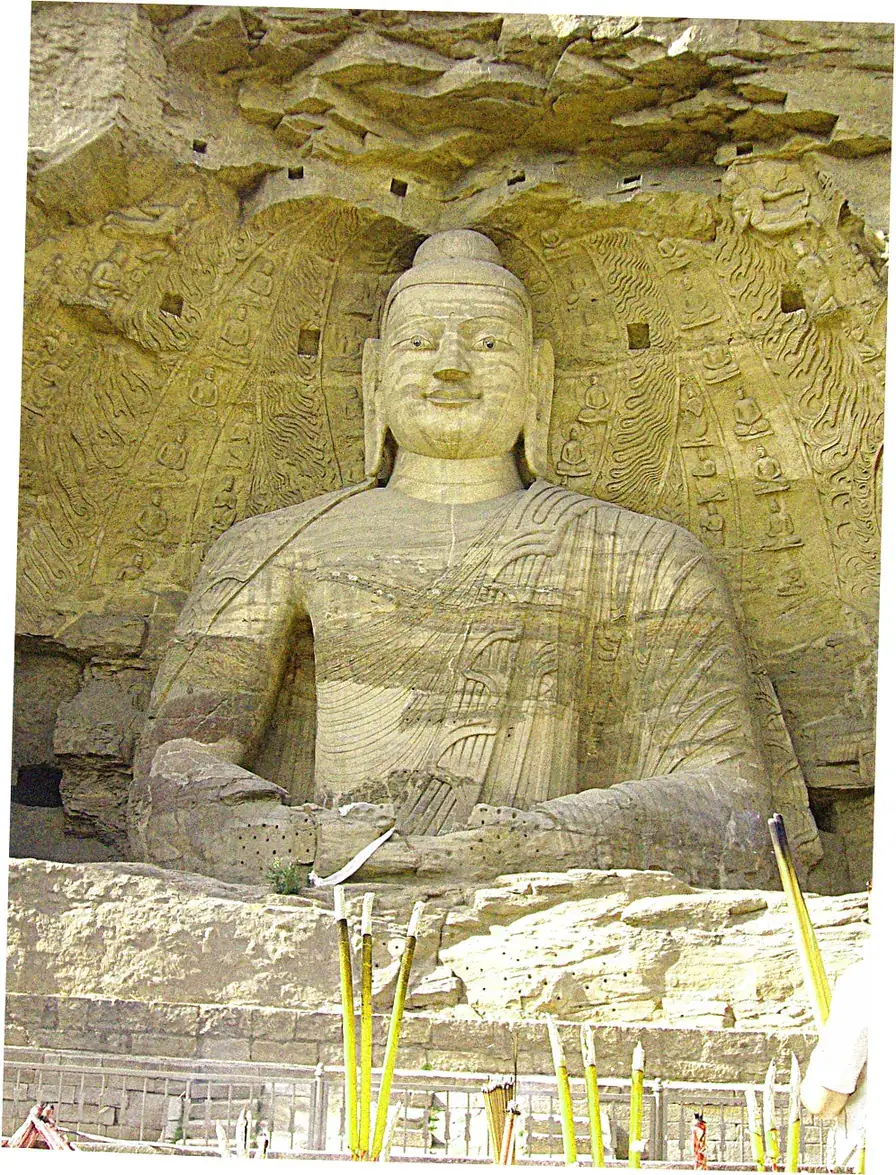
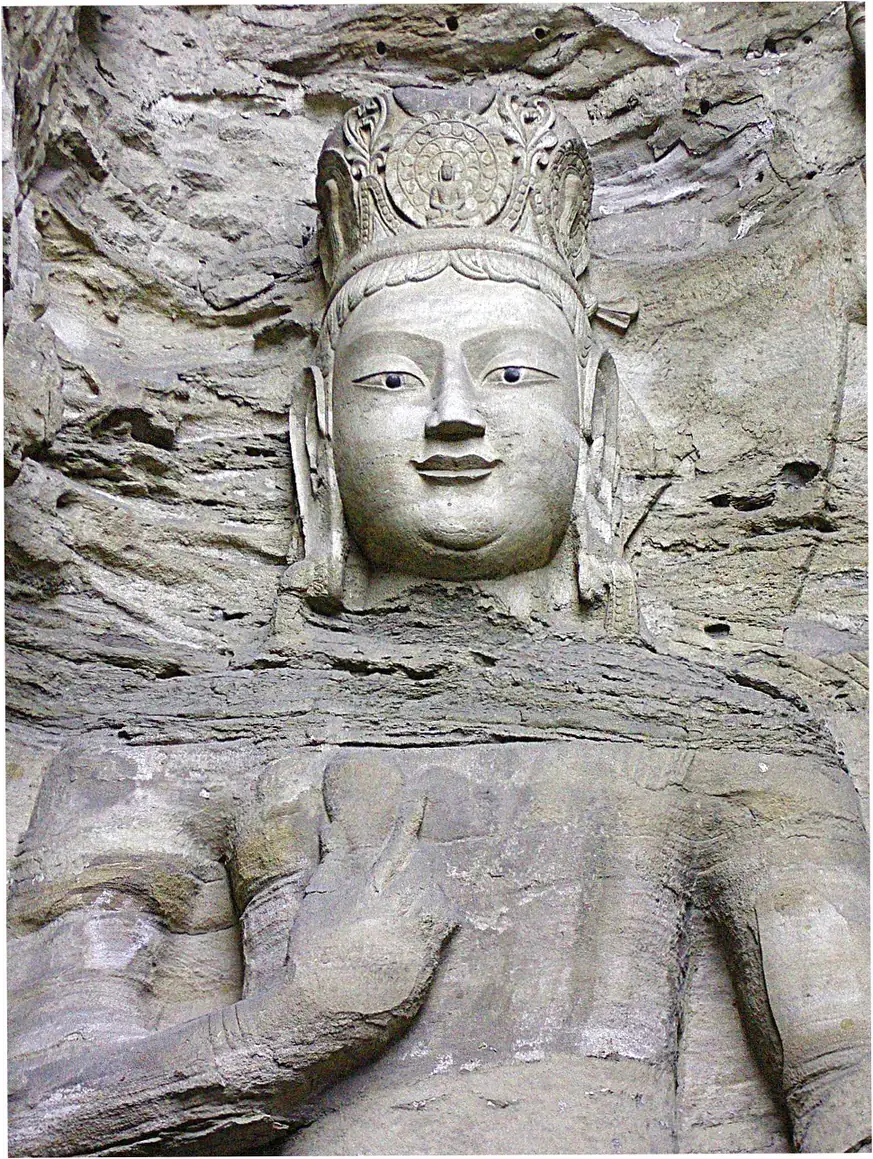
Both are UNESCO sites, but Mogao’s desert Silk Road spot gives it Central Asian vibes, while Yungang near Datong shows more Northern Wei style. Mogao shines with its huge painted areas (45,000 sq meters!), Yungang wows with giant stone statues.
They face different problems – Mogao’s dry air saved its colors, while Yungang’s sandstone wears away differently. From my visits, Mogao feels more historically real in its remote spot, while Yungang’s near Beijing – easier for quick trips. Both are amazing, just show different sides of Buddhist art history.
Mogao Grottoes conservation efforts explained
How they protect Mogao Grottoes is just as cool as the art!
Dunhuang Academy uses high-tech methods to fight moisture from breathing, sand damage, and paint peeling. Fancy sensors watch each cave’s temp and humidity – they limit visitors based on the readings.
Researchers invented special glues to stick peeling paint back on. They’ve strengthened the outside with hidden modern supports that look original. Super detailed digital copies preserve the art forever. During my last visit, seeing conservators at work (through special arrangement) gave me new appreciation for the delicate balance between public access and preservation. These efforts ensure that future generations can experience the same awe that Mogao’s art inspires today.
Local dining options near Mogao Grottoes
Complementing your Mogao Grottoes tour with local Dunhuang cuisine completes the cultural experience.
The most famous specialty is Dunhuang noodles, particularly the hand-pulled yellow noodles served with mushrooms and lamb. For something unique, try Shazhou cured apricot peel water, a traditional medicinal drink perfect for the dry climate.
Near the caves, the Mogao Hotel offers reliable meals with some Western options, while downtown Dunhuang’s night market buzzes with authentic food stalls. My personal favorite was the stuffed pancakes filled with minced lamb and spices, cooked in a tandoor-style oven – a delicious remnant of Silk Road culinary exchange. Remember that dining options right at the caves are limited, so consider bringing snacks or planning your main meals for before or after your cave visits.
Transportation options to reach Mogao Grottoes
Reaching your Mogao Grottoes tour starting point requires some planning.
Dunhuang Airport has connections to major Chinese cities, with the cave complex about 15km east of town. Taxis are readily available and affordable, but ensure you negotiate the return trip price if having the driver wait.
Public bus #12 runs from downtown to the visitor center, though schedules can be infrequent. Many hotels offer shuttle services or can arrange private drivers. For a unique approach, some tour operators provide sunrise camel rides from nearby dunes to the caves entrance. Having tried multiple options, I found hiring a driver for the day offered the best flexibility, allowing stops at other sites like the Singing Sand Dunes. Regardless of your choice, leave ample time – the mandatory digital exhibition before the cave tour adds about an hour to the experience.
Mogao Grottoes ticket discounts available dates
Budget-conscious travelers planning a Mogao Grottoes tour should note several discount opportunities.
From November 1 to April 30, off-peak prices are about 40% lower than summer rates. Students with valid ID (including international student cards) receive 50% discounts year-round.
Seniors over 60 enjoy similar reductions, while children under 1.4m enter free. The Dunhuang area occasionally offers combination tickets covering multiple attractions at a reduced rate – check local tourism websites before your visit. During my November visit, not only were tickets cheaper, but the smaller crowds allowed our guide to spend more time answering questions. Just remember that some caves may be closed for conservation during winter months, though the trade-off can be worthwhile for the more intimate experience.
The Mogao Grottoes offer an unparalleled journey through Buddhist art and Silk Road history. By planning ahead – booking tickets early, choosing the right season, and understanding the site’s regulations – you can maximize this extraordinary experience.
Whether you’re an art enthusiast, history buff, or spiritual seeker, these caves have something profound to offer. Remember that your visit contributes to ongoing preservation efforts, so follow all guidelines carefully. Start planning your Mogao Grottoes tour today to witness one of humanity’s greatest cultural treasures before daily access becomes even more restricted for conservation purposes.

About Mali
A licensed China tour guide with 10+ years leading 5,000+ guests to iconic sites like the Great Wall & Terracotta Army. Expert in seamless tours, cultural insights, and VIP access!