The Southern Silk Road didn’t get as much attention as the northern one, but it was super important. It linked China with Southeast Asia, India, and other places through trade routes. This old trade route wasn’t just about silk. People traded spices, tea, and shared ideas too, which really influenced the cultures along the way. While the Northern Silk Road gets more fame, the southern route was tougher – it went through rough mountains and thick forests. This made things hard for traders but also opened up special chances.
Table of Content
- 1. Origins and Historical Significance of the Southern Silk Road
- 2. Major Routes and Geographic Features
- 3. Cultural Exchanges Along the Southern Silk Road
- 4. Commodities and Economic Impact
- 5. Key Archaeological Discoveries
- 6. Ethnic Groups and Their Roles
- 7. Religious Sites Along the Route
- 8. Modern Rediscovery and Tourism
- 9. Political and Military Significance
- 10. Legacy and Contemporary Relevance
- Conclusion and Call to Action
- FAQ About Southern Silk Road
1. Origins and Historical Significance of the Southern Silk Road
1.1 Early Development and Key Players
The Southern Silk Road started up during China’s Han Dynasty, about 200 years BCE. Chinese traders created it to avoid dangerous areas in Central Asia. Old records in the Book of Han talk about messengers going southwest to set up trade with the Dian Kingdom – that’s today’s Yunnan.
Local groups like the Bai and Yi people were key middlemen. They helped Chinese traders do business with Southeast Asian kingdoms. Digs in Chengdu recently found Roman coins and Indian stuff. This shows the Southern Silk Road reached way farther, and much earlier, than we thought.
1.2 Comparison with Northern Silk Road
Both routes did similar jobs, but the southern one was different in two big ways: the landscape and what got traded. The northern road went through deserts with silk and china, while the southern path moved things like tea and spices through mountains – stuff that could go bad quicker.
When the northern routes got risky during political troubles, the Southern Silk Road kept right on going. As Professor Li from Peking University says, the southern route was tough – when northern trade went up and down with politics, the southern one just adjusted by working with locals.
2. Major Routes and Geographic Features
2.1 The Sichuan-Yunnan-Myanmar Corridor
The main path started in Chengdu, then twisted through the dangerous Hengduan Mountains all the way to Burma. Trading groups had to deal with heights over 3,000 meters. On the Tea-Horse Road part, they needed special mountain horses. Old Tang Dynasty poems tell how scary it was, with roads stuck to cliffs like bird nests.
Today’s hiking paths that follow the old route show the original stone roads and rest stops. UNESCO thinks some parts might be World Heritage sites, especially between Dali and Tengchong where old Ming Dynasty distance signs still stand.
2.2 The Yunnan-Indochina Branch
Splitting off south from Kunming, this path linked up with Vietnam, Laos and Thailand through the Red River area. Old French records from colonial times show the caravan trade was still going strong in the 1800s. They found Vietnamese pottery way over in Dali. You can still see the route’s impact in food – Yunnan’s Crossing the Bridge noodles definitely took some ideas from Vietnam.
When monsoon rains came, traders used rivers like the Mekong and Salween, setting up floating markets that came and went. New LiDAR scans have found old riverside trading spots we never knew about, now underwater because of dams.

3. Cultural Exchanges Along the Southern Silk Road
3.1 Transmission of Buddhism
Buddhism mainly came to China through the Southern Silk Road. Missionaries from Gandhara made it to Sichuan by 100 AD. The huge Leshan Buddha, made in Tang times, clearly shows it was inspired by Indian cave temples. While northern routes brought Mahayana Buddhism, the southern one spread Theravada Buddhism to Yunnan thanks to links with Burma.
Holy places like Jizu Mountain mixed together Chinese, Tibetan and Southeast Asian customs in special ways. Recent studies show Dai people in Xishuangbanna still do these mixed-up traditions today.
3.2 Musical and Artistic Influences
The pipa instrument came to China this way, changing from the Persian barbat to what we know now. Old paintings in Dali from the Nanzhao Kingdom show musicians with instruments just like ones in Borobudur carvings. This mixing of cultures was biggest from the 700s to 1100s, when sea trade helped out the land routes.
Yi people’s silver crafts have patterns from Bengal, and Bai tie-dye methods look like ones from Indonesia. The Yunnan Nationalities Museum has more than 200 items showing this back-and-forth of art styles.
4. Commodities and Economic Impact
4.1 Tea and the Horse Caravans
Pu’er tea was the big star of this route. People traded the pressed tea cakes like money. Ming Dynasty writings say one tea cake was worth two silver taels in Tibet. The Song Dynasty’s Tea-Horse Trade System set up special trading groups that kept working until the 1950s.
New DNA tests on Yunnan tea show surprises – some really old trees have markers like Assam tea, meaning they probably traded with northeast India way back when. Old tea-making methods still used in Lincang villages are exactly like those described in 1300s Burmese writings.
4.2 Spice Trade Dynamics
The northern routes moved lots of pepper, but the southern one dealt in fancy spices like sandalwood and galangal. Sunken ships found near Vietnam prove these spices went by land and sea. An old medical book from Tang times found in Dunhuang names 37 spices you could only get through the southern routes.
Sichuan food’s famous tingly-spicy taste came from mixing local peppercorns with chilies from elsewhere. Food expert Zhang Qiong found 12 types of chilies that came through Yunnan from Malacca when the Portuguese ruled there.

5. Key Archaeological Discoveries
5.1 Lost Cities of the Nanzhao Kingdom
Digs at Weishan recently found a big trading center from the 800s with writing in Chinese, Pyu and Sanskrit. The place was set up with separate areas for different groups of traders. Some amazing finds include perfect lacquer items with designs just like ones from old Burma.
Radar scans show a huge area outside town with workshops making special trade items. Dr. Yin Shaoting says they’re finding more than traded goods – people shared skills too, like glassmaking that matches how Persians did it then.
5.2 Shipwrecks and Maritime Connections
The Belitung shipwreck found in 1998 had Guangdong pottery meant for the Middle East, showing how land and sea routes connected. A newer find in the Java Sea had Sichuan iron tools with Sumatran camphor, showing complicated trade chains.
Dives near Hainan found Song Dynasty ships with Vietnamese betel nuts and Yunnan coins – real proof of the sea routes talked about in a 1178 book.

6. Ethnic Groups and Their Roles
6.1 The Dai and Cross-Border Networks
Dai traders had big networks into today’s Thailand, helped by sharing writing and Buddhism. Their bamboo warehouses on stilts by the Mekong River were famous among traders. A British explorer in the 1800s wrote that Dai trading groups moved goods on 300 mules each year to Kengtung.
Today’s Dai people still have family ties across borders that probably started as trade partnerships. At their yearly Water Festival, they act out old-time markets using real antique scales and measures.
6.2 Nakhi Caravan Organizers
The Nakhi people from Lijiang set up smart trading systems, shown in their picture writings. Their old trading contracts spelled out how to split profits, insure lost items, and even take care of sick pack animals.
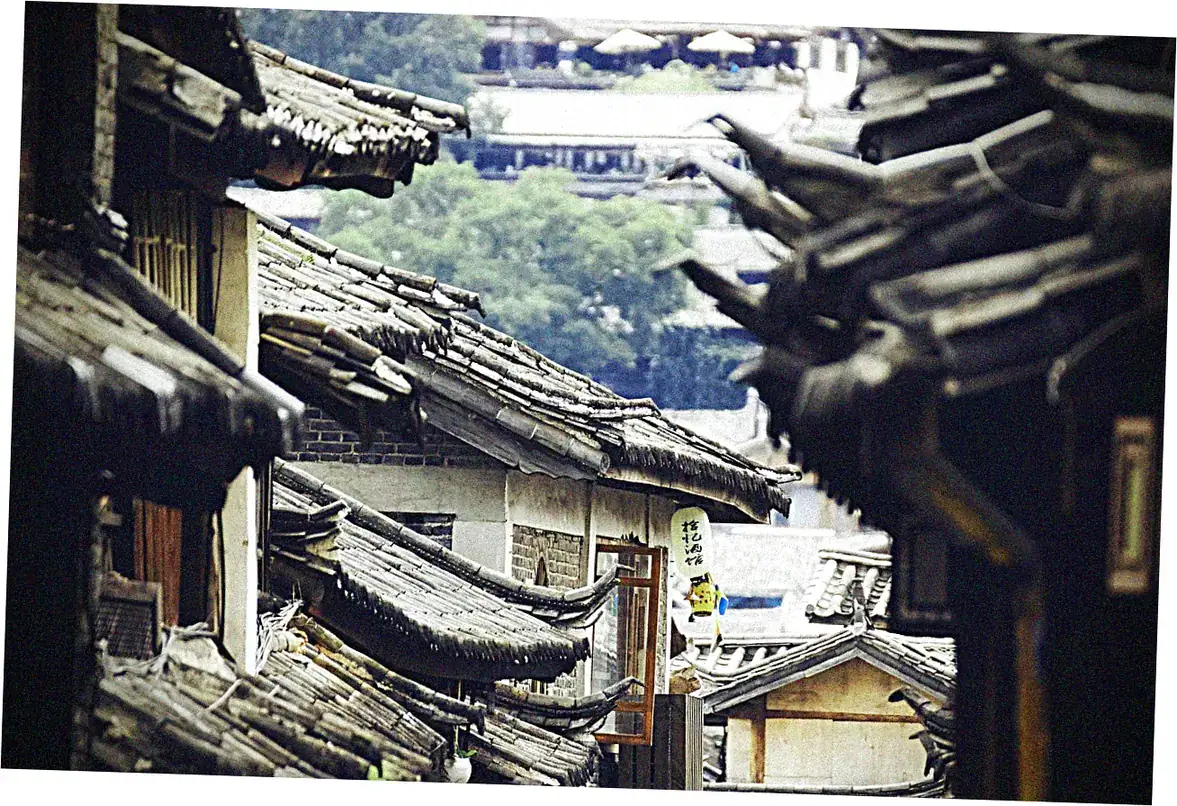
Since Nakhi inheritance went through mothers, trading know-how stayed in women’s hands. In Lijiang’s old town, former trading yards are now hotels, still with the stone water troughs for mules.
7. Religious Sites Along the Route
7.1 The Three Pagodas of Dali
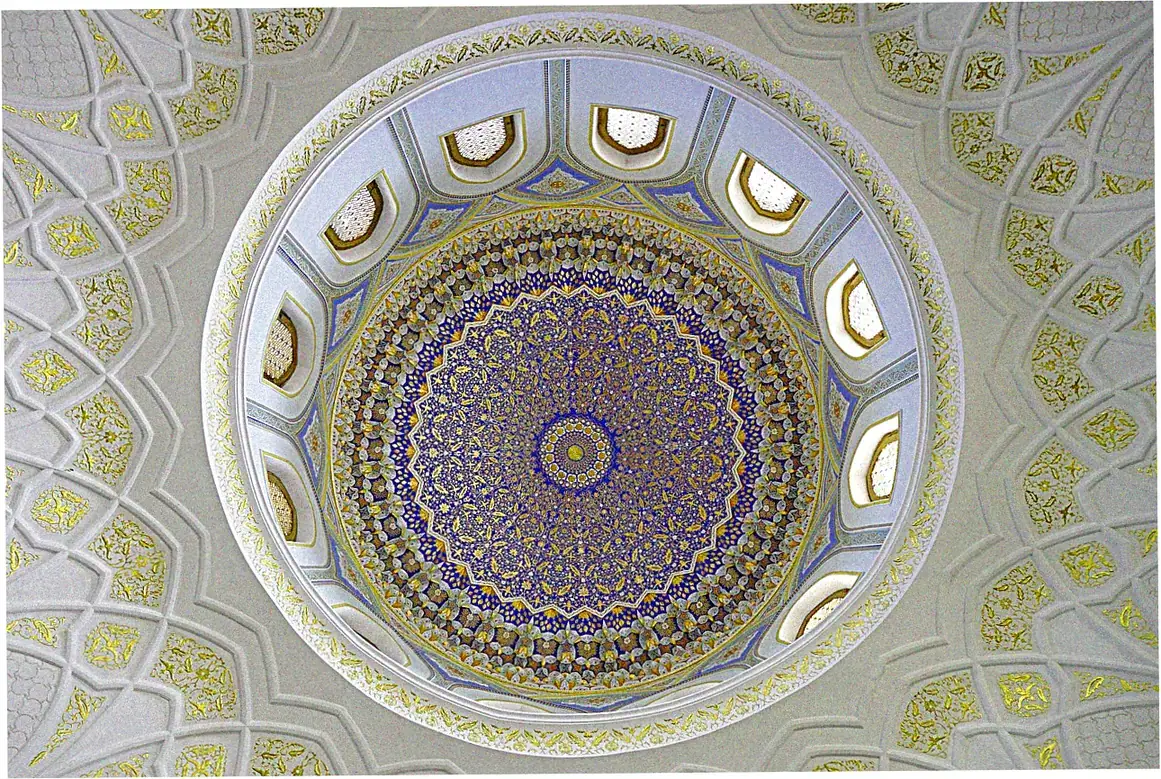
This famous group of pagodas from Nanzhao times mixes styles – the big middle one has a Tang-style square bottom, while the two side ones show Dvaravati influence with their eight sides. When they fixed it up recently, they found prayer scrolls in six languages tucked inside the top.
Folks say these pagodas stopped earthquakes by pinning down a huge snake under the land. Science shows they’re built right on a calm fault line, meaning the builders knew about earthquakes.
7.2 Ganden Sumtseling Monastery
Started by the Fifth Dalai Lama in 1679, this monastery was a major pit stop for traders going to Lhasa. The building mixes Bai woodwork with Himalayan designs in a special way. The monastery’s accounting records provide invaluable data on medieval trade volumes.
Modern pilgrims still follow ancient caravan routes to reach Sumtseling, though now by bus rather than mule. The monastery’s butter sculpture festival continues using molds dating to the caravan era.
8. Modern Rediscovery and Tourism
8.1 20th Century Explorers
Joseph Rock’s 1920s National Geographic articles first brought Western attention to surviving caravan routes. His photographs of Nakhi caravanners inspired later researchers like Sydney D. White, whose 1990s fieldwork documented oral histories from last surviving muleteers.
The Chinese Academy of Social Sciences launched systematic surveys in 2006, identifying over 800km of intact stone-paved paths. Many sections have been incorporated into national heritage trails, with interpretive signage detailing historical trade practices.
8.2 Sustainable Tourism Initiatives
UNESCO’s 2015 Southern Silk Road Sustainable Tourism program trains local communities as heritage guides. In Tengchong, former muleteer families now operate eco-lodges along restored caravan stops. The Tea Horse Road trekking route has received International Eco-Tourism certification.
Digital preservation projects include 3D scanning of vulnerable artifacts and AR recreations of historic market scenes. The Yunnan Cultural Heritage Bureau’s mobile app offers augmented reality overlays showing how modern towns appeared during caravan days.
9. Political and Military Significance
9.1 Ming Dynasty Defense Systems
The Hongwu Emperor established a chain of garrison towns along trade routes, combining military and commercial functions. Well-preserved examples like Zhenyuan show ingenious design – sloped streets allowed quick troop movement while accommodating pack animals. Ming records indicate these outposts generated substantial customs revenue.
Recent studies of Ming border policies by historian Wang Yuanzhou reveal a sophisticated trade-for-peace system where local chiefs received preferential trading rights in exchange for securing routes.
9.2 WWII Burma Road Connection
During Japan’s occupation of coastal China, the ancient Southern Silk Road gained new life as an Allied supply route. Engineers expanded caravan paths into the Burma Road, with many original stone bridges reinforced to handle trucks. Veterans accounts describe using millennia-old waystations as makeshift hospitals.
This modern adaptation proved the route’s enduring strategic value. Today’s Asian Highway Network follows significant portions of the ancient corridor, particularly the Kunming-Mandalay section.
10. Legacy and Contemporary Relevance
10.1 Belt and Road Initiative Links
China’s modern infrastructure projects consciously echo historical patterns. The China-Myanmar Economic Corridor follows the ancient Sichuan-Myanmar route, with new highways paralleling caravan tracks. Kunming’s designation as a BRI hub directly references its historic role as the Southern Silk Road’s gateway.
Cultural diplomacy programs emphasize these historical connections. The 2019 Southern Silk Road Arts Festival featured performers from all route countries, recreating medieval cultural exchanges.
10.2 Environmental Lessons
Ancient trade practices offer sustainable models – caravans followed seasonal patterns avoiding monsoon erosion, and tea was transported in biodegradable bamboo wrappers. Contemporary conservation projects like the Gaoligongshan Nature Reserve incorporate traditional ecological knowledge from caravan guides.
Climate studies using route records show microclimate changes over centuries. Tree ring data from ancient waystation timbers provides valuable baselines for modern reforestation efforts.
Conclusion and Call to Action
The Southern Silk Road’s legacy lives on in Asia’s cultural DNA, from culinary traditions to artistic motifs. As modern travelers rediscover these ancient paths, they participate in a dialogue spanning millennia. We invite you to explore these routes personally – whether through Yunnan’s well-marked heritage trails or by delving deeper into the fascinating academic resources available online. Consider supporting preservation initiatives like the Southern Silk Road Cultural Heritage Fund to ensure future generations can learn from this remarkable chapter in human connectivity.
FAQ About Southern Silk Road
What countries did the Southern Silk Road connect?
The primary route linked China (particularly Sichuan and Yunnan) with Myanmar, India, Thailand, Vietnam and Laos, eventually connecting to maritime networks reaching as far as the Middle East and East Africa.
How did the Southern Silk Road differ from the northern route?
While both facilitated East-West exchange, the southern path specialized in different commodities (tea, spices, precious stones), traversed more challenging mountainous terrain, and remained operational during periods when northern routes became unsafe.
What is the best-preserved section to visit today?
The Shaxi Valley in Yunnan offers exceptionally intact caravan stations and cobbled roads, with the Friday Market continuing a 1,000-year trading tradition. UNESCO-listed Dali’s ancient city also preserves numerous Southern Silk Road landmarks.
How did Buddhism spread via the Southern Silk Road?
Theravada Buddhism entered China through this route from Myanmar and Thailand, creating unique hybrid traditions in Yunnan. Sites like the Three Pagodas of Dali showcase this transmission through architecture and artifacts.
What role did ethnic minorities play in the trade network?
Groups like the Nakhi, Bai and Dai served as crucial intermediaries, using their cross-border kinship networks and specialized knowledge of mountain routes to facilitate trade between civilizations.
Are there any original caravan artifacts in museums?
The Yunnan Provincial Museum houses an exceptional collection including caravan contracts, mule gear, and rare trade goods like compressed tea cakes. The Sichuan Museum’s Southern Silk Road exhibit features recently excavated Roman coins found along the route.
How is the Southern Silk Road relevant today?
Beyond historical interest, the route’s legacy informs modern infrastructure projects like the China-Myanmar Economic Corridor and provides models for sustainable cross-cultural exchange in our globalized era.

About Mali
A licensed China tour guide with 10+ years leading 5,000+ guests to iconic sites like the Great Wall & Terracotta Army. Expert in seamless tours, cultural insights, and VIP access!