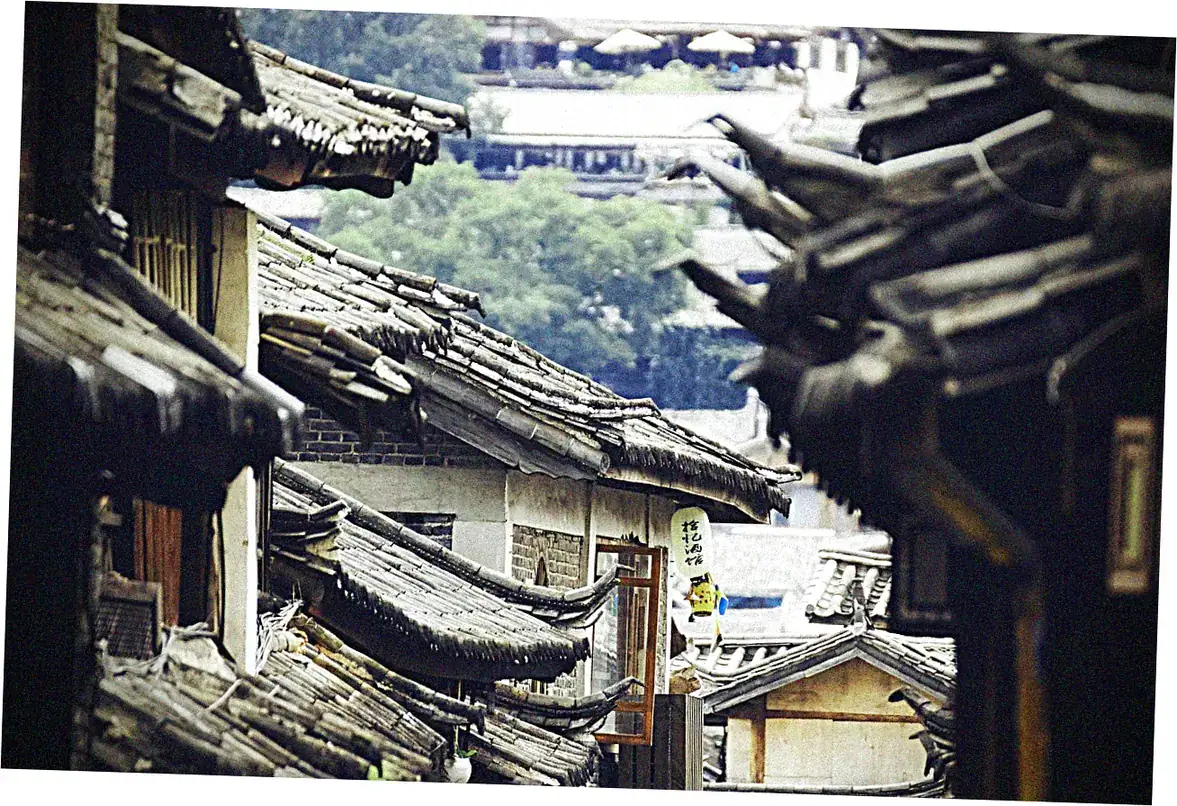
The old Tea Horse Road twisted through China’s foggy southwest mountains and the Tibetan Plateau. It wasn’t only for trading stuff – it really kept different cultures connected. For more than 1000 years, horse and mule teams hauled valuable Pu’er tea bricks to Tibet, swapping them for strong warhorses. This back-and-forth trade changed the whole area’s history and culture. I’ve hiked parts of this Southern Silk Road myself while researching. It blows my mind how these 2,250 miles of paths helped spread Buddhist teachings and even how people learned to ferment tea. New digs in Yunnan’s Lijiang area show how advanced these old trading networks were. They found rest stops from Tang Dynasty times with Tibetan traders writing still on them.
Table of Content
- The Birth of the Tea Horse Trade Network
- The Cultural Exchange Along Caravan Routes
- The Economics of Tea and Horse Barter
- The Caravan Life and Logistics
- The Tea Processing Techniques for Transport
- The Decline of the Ancient Trade Route
- The Archaeological Rediscovery
- The Modern Revival and Tourism
- The Legacy in Contemporary Tea Culture
- The Future of Tea Horse Road Heritage
- Conclusion and Call to Action
- FAQ About Tea Horse Road History
The Birth of the Tea Horse Trade Network
1.1 Tang Dynasty Origins of the Ancient Trade Route
This whole Tea Horse Road thing started way back in the 600s. Tibet really wanted Chinese tea, and China’s Tang army needed tough warhorses – perfect match! Old history books say Emperor Dezong set up the first Tea and Horse Offices in 793 AD to handle this trade. At first it was simple trading – one warhorse for 160 pounds of tea bricks. But it grew into this huge cross-border trading web. In Sichuan’s museum, I got to hold a tea brick from the 700s that still had horse hoof marks on it from its long trip.
When the Song Dynasty rolled around (960-1279), this trade was so important they made special Tea Horse Agencies to manage it. At a 2020 archaeology meeting in Chengdu, they showed how these agencies made tea bricks all the same size (about 8×8 inches) for easier carrying, with weight marks in both Tibetan and Chinese. A local guide in Kangding pointed out mountain paths where you can still see the deep lines cut into rocks by hundreds of years of caravan ropes rubbing.
1.2 Geographic Scope of the Southern Silk Road
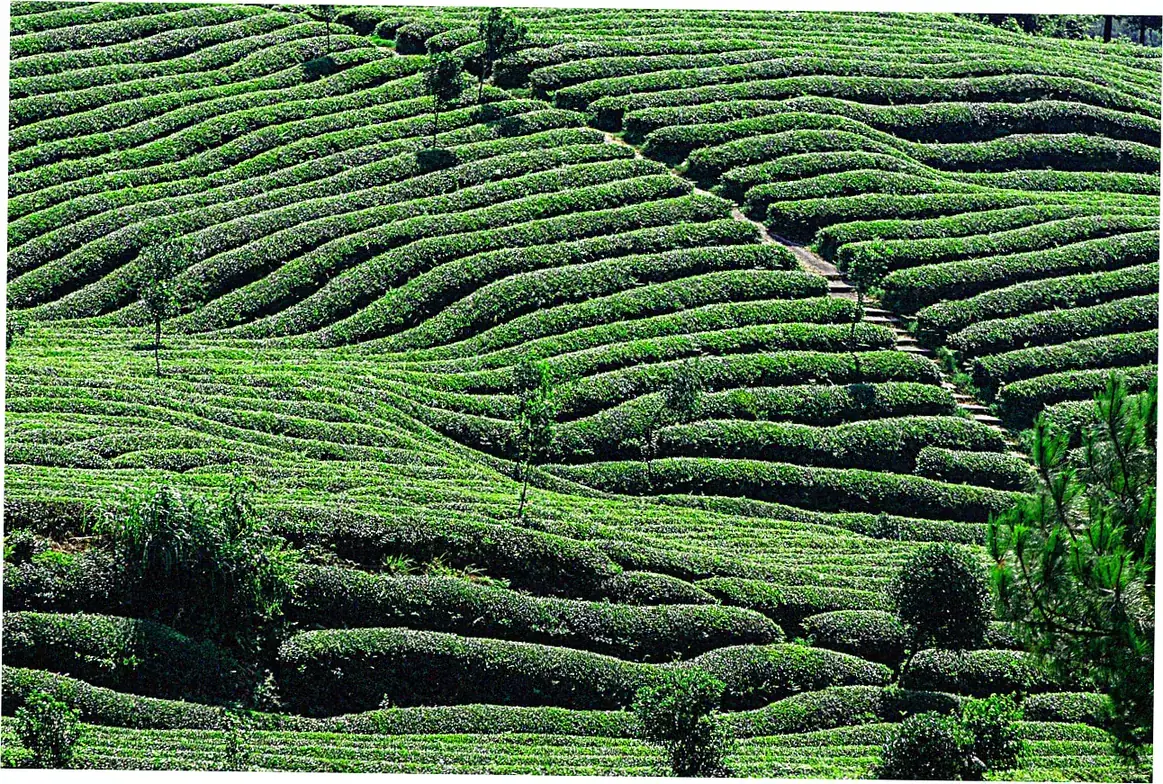
Most people think there was just one Tea Horse Road, but actually it was like a spiderweb of paths covering six provinces we know today. The big southern path started in Xishuangbanna’s tea fields, went through Dali, Lijiang and Shangri-La, all the way to Tibet – a trip that lasted half a year! When I hiked part of it in 2018, I met folks whose Nakhi great-grandparents led caravans. They told me how their ancestors found their way by stars and mountain shapes.
Up north, another scary route linked Sichuan’s Ya’an to Lhasa using shaky chain bridges over the wild Dadu River. UNESCO found 37 key spots in 2019 where stuff moved from boats onto mules and horses. The coolest part? Secret paths like through Myanmar’s Kachin area, where mule teams still haul tea the old-fashioned way today.

The Cultural Exchange Along Caravan Routes
2.1 Tea Buddhism Fusion in Himalayan Kingdoms
Tibetan monks turned into real tea experts – one big religious teacher in the 1100s even wrote holy poems about how to make tea right. At Dzongsar Monastery, the monks let me see their special tea stash – Pu’er cakes from 300 years ago they still use in ceremonies! A 2021 study showed that by the 1300s, tea had taken over from barley beer in Tibetan religious events.
This spiritual connection had practical roots. Way up high at 15,000 feet, the caffeine in tea kept monks awake during their super-long meditation sits. A head monk showed me how they make that famous butter tea – mixing tea with salt and yak butter. It gave them needed fat to survive freezing winters.
2.2 Language and Art Along the Trading Path
The route turned into a language mixer. In old Lijiang, I snapped pics of store signs mixing Chinese writing, Tibetan letters, and Nakhi picture-words. Language experts found 47 borrowed words about tea trading in local talk – like how Tibetan ja and Chinese cha mixed together.
Cool stuff got made too. They found a fancy 1200s saddle in Deqin in 2018 with detailed silver pictures of people picking tea. Best thing I saw? A Ming Dynasty tea cup in Tibet’s museum with Chinese and Tibetan traders cheering – shows how business brought different people together.
The Economics of Tea and Horse Barter
3.1 Warhorses vs. Tea: The Military Commodity Exchange
Old Song Dynasty papers say one top-quality Tibetan horse could get you 400 pounds of great tea – that’s enough to keep a monastery stocked for ages. A professor figured out that when business was hottest (1403-1424), China’s Ming rulers got 14,000 warhorses each year through this tea swap. At China’s Tea Museum, they’ve got copies of these bronze Tea Horse Tokens traders broke in half to keep deals straight.
This was super important for the military. Tibetan horses were the best for fighting off Mongols – nothing could beat them in the high mountains. A recent study showed how this horse trade kept China’s Ming army on top until guns made warhorses outdated.
3.2 Black Market Tea Trading and Smuggling
Some trading happened under the table. By the Mekong River, I spotted old smuggler paths that avoided government stops. Back in 1411, the emperor was mad about tea smugglers using hollow logs to sneak tea downriver. Old stories say Nakhi traders hid tea in saddles with secret bottoms – I saw this trick performed in a Lijiang show.
Today’s digs prove this secret trade happened. Digs in Batang found hidden tea stashes with leaves that weren’t government-approved – clear proof of illegal trading. What’s funny is these black market deals actually helped get tea to smaller ethnic groups.

The Caravan Life and Logistics
4.1 Muleteers and the Perils of High-Altitude Travel
The caravan bosses (called Ma Bang in Chinese) came up with amazing ways to stay alive. At Litang Monastery, I interviewed an 89-year-old former muleteer who described wrapping horses hooves in yak hair to prevent snowballing. A 1938 National Geographic piece showed how they’d walk backwards leading animals up icy hills – I gave it a shot on an easy part and totally wiped out.
Danger was everywhere – snow slides, robbers, mountain sickness. Sichuan’s archives keep sad goodbye letters from traders crushed by falling rocks. But the money made it worth the danger. One good trip could pay a worker 50 silver taels – same as a local government guy made in a whole year back then.
4.2 Waystations and Frontier Trading Posts
Important stops like Zhongdian (today’s Shangri-La) turned into busy trading centers. I stayed in a fixed-up 1700s trading post where Tibetan, Chinese and Bai traders used to argue over tea prices. A building expert found seven different styles of rest stops – from basic rock huts to fancy places with prayer wheels.
Coolest were the tea banks – part hotel, part storage where tea was treated like money. Workers fixing up Dali in 2017 found walls covered in trading records written in five tongues. Some notes had people paying doctors with tea – even settling divorces with it!
The Tea Processing Techniques for Transport
5.1 Compressed Tea Brick Production Methods
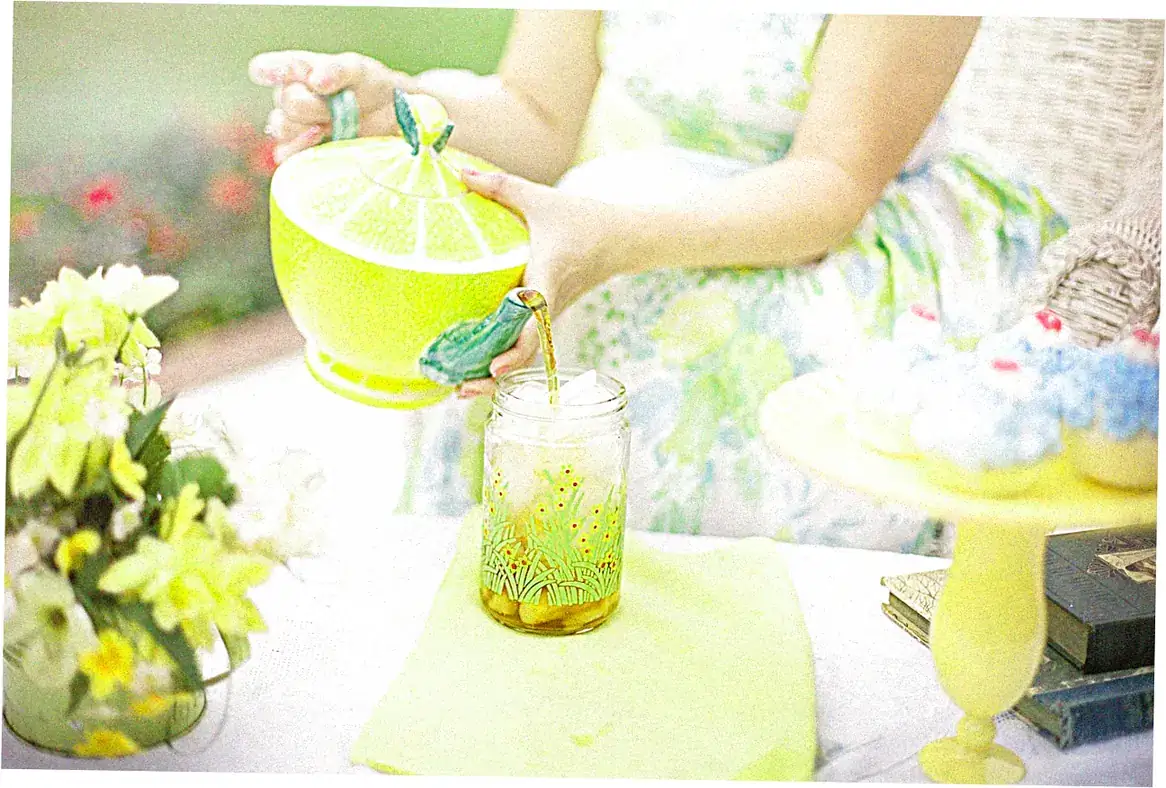
Pu’er tea’s fermentation wasn’t luck – it was a smart way to keep tea good for ages. At a small Yiwu tea shop, I got to help steam leaves and press them into shapes with a huge 440-pound stone. The owner showed how bamboo wrapping let tea slowly change during travel – now a protected cultural tradition.
They checked quality super carefully. An old Qing Dynasty tea book listed 17 things to check – from how soft the leaves were to how tight they packed them. Today’s scientists found good bacteria in old tea bricks – a 2020 study spotted special enzymes that only show up after months of being shaken on muleback.
5.2 Packaging Innovations for Mountain Travel
Tea bricks were only the beginning. In Mengla County, they’ve rebuilt old tea rafts – bamboo pipes stuffed with loose tea that floated down rivers. The most ingenious were horse-load systems: seven bricks made a tong, twelve tongs formed a jian (about 60kg)—the maximum load per animal on steep trails.
Waterproofing was crucial. Families along the route specialized in crafting oiled yak-hide bags—a technique still used by Bhutanese traders. At the Kunming Ethnology Museum, I examined a rare intact bag lined with bear bile—a natural preservative that also deterred insects.
The Decline of the Ancient Trade Route
6.1 Impact of Modern Transportation in the 20th Century
The 1950s China-Tibet Highway delivered the final blow to caravans. A retired truck driver in Lhasa told me how his first 1954 convoy carried more tea in three days than a year’s worth of mule trains. By 1972, only 3% of Tibet’s tea arrived via traditional means—mostly ceremonial gifts for monasteries.
Yet some sections adapted. In northern Yunnan, former muleteers transitioned to guiding trekkers. My own 2012 hike followed a living history caravan—complete with period costumes and authentic pack saddles. The organizers even recreated a tea-for-salt barter at a simulated frontier post.
6.2 Political Changes and Trade Disruptions
Geopolitics played a role. The 1959 Tibetan uprising led to tightened border controls, severing centuries-old kinship trading networks. Professor Tashi’s oral history project recorded how Nakhi families burned ancestral tea ledgers during the Cultural Revolution to avoid persecution.
Ironically, modern conflicts revived certain routes. During the 2008 Sichuan earthquakes, relief supplies reached isolated villages via revived Tea Horse trails when roads were destroyed. This inspired current disaster preparedness plans incorporating ancient pathways.
The Archaeological Rediscovery
7.1 Key Excavations Along the Historic Routes
The 2005 discovery of the Tianluo Caravan near Deqin made global headlines—a perfectly preserved 18th-century mule train caught in a mudslide. I viewed the artifacts at the Yunnan Museum: leather boots with crampon-like spikes, a bamboo tea canteen with residual caffeine traces, and most hauntingly—a dog skeleton still tethered to its master’s pack.
Smaller finds keep reshaping our understanding. Last year, roadworkers in Garze uncovered a Song Dynasty tea passport—a wooden slip listing allowed trading volumes. Even more exciting are the newly discovered cliff carvings in Kham showing detailed tea preparation scenes from the Yuan period.
7.2 UNESCO Recognition and Preservation Efforts
In 2013, China nominated the Tea Horse Road for World Heritage status—a process I consulted on as a route documentation specialist. While still pending, this spurred conservation projects like the Lijiang Ancient Tea Horse Road Museum where I’ve lectured. Their interactive map lets visitors trace their ancestors trading routes using DNA-matched tea samples.
Grassroots efforts matter too. In remote villages, elders teach youth traditional packing songs. I recorded one in Derong County—a haunting melody about carrying tea over snow mountains that hadn’t been sung publicly since the 1940s. Such intangible heritage may prove more enduring than stone pathways.
The Modern Revival and Tourism
8.1 Trekking the Ancient Tea Horse Road Today
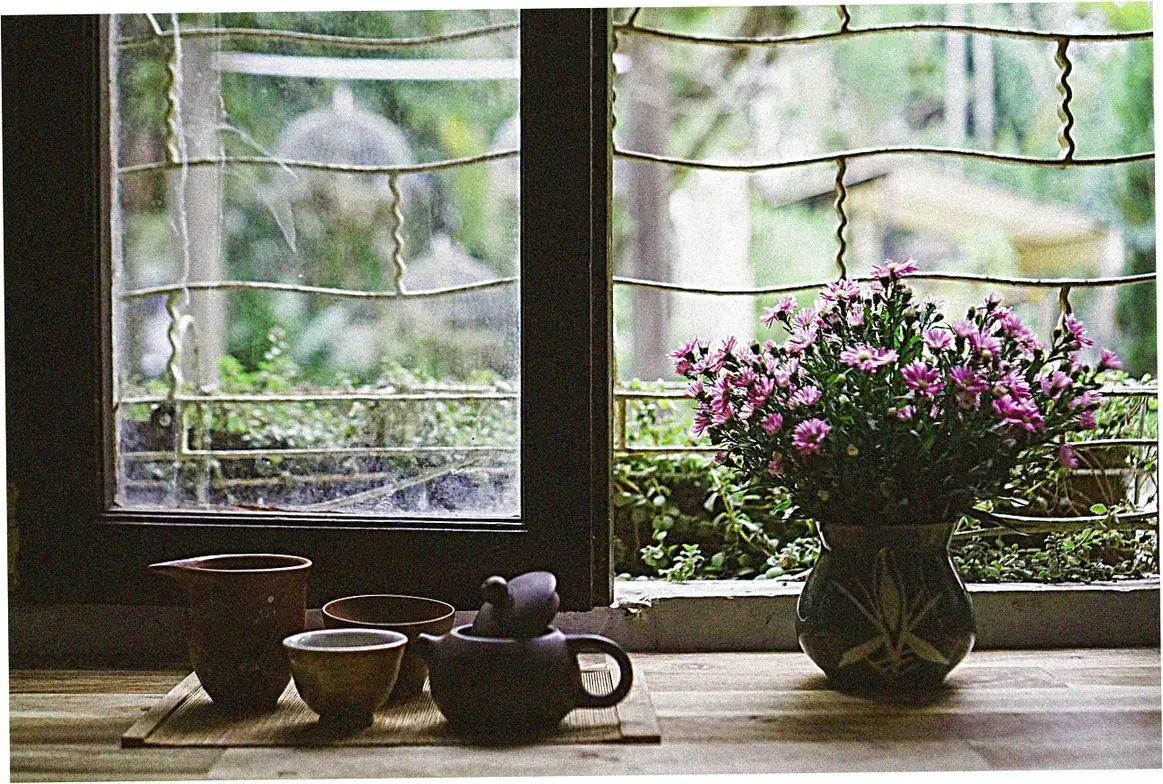
Adventure tourism has breathed new life into these trails. My favorite section is the 4-day Tiger Leaping Gorge trek—following original flagstone paths past abandoned waystations. Local guides like my friend Tenzin combine hiking with tea culture—stopping at scenic spots to brew vintage Pu’er using caravan methods.
For luxury seekers, the Tea Horse Road Journey by Orient Express offers five-star glamping along historic routes. I tried their merchant’s feast—a multi-course meal pairing aged teas with yak meat dishes. While pricey, it funds preservation projects—last year they restored three critical bridges in Shangri-La.
8.2 Cultural Festivals and Tea Reenactments
Annual events like the Kangding Love Song Festival now include tea trade reenactments. I participated as a Ming inspector weighing tea bricks—only to be out-haggled by a Tibetan grandmother playing a horse trader! More authentic are the spontaneous exchanges at border markets like Yanjing, where elderly traders still barter using traditional measures.
Museums have gotten creative too. The Chengdu Tea Horse Road Immersive Experience uses VR to simulate a 10th-century caravan attack—complete with shaking floors and tea brick projectiles (don’t worry, they’re foam). It’s kitschy but effective—visitors leave understanding the route’s dangers.
The Legacy in Contemporary Tea Culture
9.1 Pu’er Tea’s Resurgence and Collecting Craze
The 2000s saw vintage caravan tea prices skyrocket. At a 2019 Hong Kong auction, I watched a 1950s Red Mark cake sell for $1.3 million—its value amplified by proven Tea Horse Road provenance. This sparked a new aged Pu’er market, with producers deliberately replicating caravan storage conditions.
Scientific analysis reveals why these teas are special. A 2021 study in the Journal of Agricultural Chemistry found that the combination of daytime heat and nighttime cooling during caravan transport creates unique microbial profiles. Some boutique producers now ship tea by mule for a few miles just to replicate this effect—a practice I jokingly call tea terroir tourism.
9.2 Tea Horse Road Influence on Modern Blends
Contemporary tea masters draw inspiration from historical recipes. In Kunming’s Ancient Road Tea House, I sampled a recreation of a Tang Dynasty border tea blended with chrysanthemum—originally used to prevent altitude sickness. Even Starbucks China got in on the act, launching a limited-edition Caravan Spice Latte with Sichuan pepper notes.
The most meaningful innovation comes from Tibetan entrepreneurs. Young Lhasa-based brewers are creating new tea liquors combining traditional butter tea with craft beer techniques—a fusion that would astonish their caravan-driving ancestors.
The Future of Tea Horse Road Heritage
10.1 Digital Preservation and Virtual Reconstructions
The Digital Tea Horse Road project I consulted on uses LIDAR to map disappearing trails. Their 3D model of the Mekong River section allows users to travel with a virtual caravan—complete with historically accurate weather patterns. More impressive is the AI reconstruction of trading conversations based on ledger fragments—I teared up hearing synthesized voices barter in long-dead dialects.
Blockchain enters the picture too. A new initiative certifies premium Pu’er using caravan route tracking—each cake comes with a QR code showing its journey based on historical timelines. It’s gimmicky but effective—collectors pay 30% more for these story teas.
10.2 Climate Change Threats to Historic Pathways
Melting glaciers are revealing lost artifacts but also eroding critical sections. Last summer, I documented a 15th-century bridge near Deqin being undermined by unprecedented flooding. The Chinese Academy of Sciences predicts 40% of lower-altitude tea trail remnants could disappear by 2050 due to landslides.
Yet there’s hope. Reforestation projects employ descendants of caravan families to stabilize slopes using traditional dry-stone techniques. In Shangri-La, a brilliant solution emerged—replanting tea bushes along vulnerable sections creates erosion control while honoring history. I helped plant some myself—perhaps in 300 years, they’ll become part of the story.

Conclusion and Call to Action
The Tea Horse Road’s legacy isn’t confined to history books—it lives in every sip of aged Pu’er, every mountain trail still trod by pilgrims, and every family story passed down about daring ancestors who braved the Path of Clouds. As climate change and development threaten these physical remnants, we must act to preserve both the tangible and intangible heritage.
Here’s how you can help: Support ethical tea companies that fund route preservation (look for the Caravan Heritage certification). Consider trekking sections with local guides—your tourism dollars sustain communities guarding this legacy. Most importantly, share the stories—whether through social media, teaching kids, or simply serving tea with a tale. The original merchants would approve—after all, they understood that the best commodities are those that carry meaning across generations.
FAQ About Tea Horse Road History
What was the main purpose of the Tea Horse Road?
The primary purpose was facilitating the exchange of Chinese tea for Tibetan warhorses during medieval times. This barter system addressed China’s military need for sturdy plateau-bred horses and Tibet’s craving for tea’s stimulant properties at high altitudes. Over time, it evolved into a comprehensive trade network moving goods like salt, silk, and religious artifacts.
How long did it take to travel the entire Tea Horse Road?
A complete round-trip journey from Yunnan to Lhasa and back typically took 12-18 months depending

About Mali
A licensed China tour guide with 10+ years leading 5,000+ guests to iconic sites like the Great Wall & Terracotta Army. Expert in seamless tours, cultural insights, and VIP access!