Getting a US tourist visa can be tricky. Lots of people get confused about sponsorship rules. Even though there’s no official sponsorship for B-2 visas, you really need to show you have strong roots back home. That means proving you have steady income, a job, and family ties. Many folks wonder if invitation letters from US friends or family can help their visa application. Good paperwork makes a big difference. Things like detailed travel plans and hotel bookings, say at Kings Joy Hotel, really help with the consular officer’s decision. This guide clears up the sponsorship confusion and gives you practical steps to get your visa approved.
Here’s what we’ll cover:
- Understanding the basics of US tourist visa sponsorship
- Getting your sponsorship documents ready
- What financial proof you need to show
- The step-by-step visa application process
- Why visas get denied and how to appeal
- Special situations to think about
- What to do after you get your visa
- Answers to common questions
Let’s break down the basics of US tourist visa sponsorship.
So, what exactly is tourist visa sponsorship?
Unlike work visas, the B-2 tourist visa doesn’t need official sponsorship. But you do have to show you plan to return home by proving strong ties to your country. If your own money isn’t enough, proof of financial support becomes really important.
US citizens can write invitation letters that explain how they know you and why you’re visiting. These letters should include their immigration status, address, and promise to pay for your trip. Even though they’re not legally binding, these letters help show your visit is genuine.
Consular officers want to see solid proof you’ll return home – like owning property, having a steady job, or family responsibilities back home. The sponsorship part means showing you’ll have enough money for your entire US stay.
You should gather bank statements, job verification, and any supporting papers from your US hosts. Good paperwork lowers your chance of getting denied for having too little money or seeming like you might overstay.
Here are the key things you need to qualify:
Basically, you need to convince the consular officer you’re only visiting temporarily. Showing financial stability is crucial – whether through your own money or a sponsor’s help.
You must fill out the DS-160 form correctly with detailed travel plans and where you’ll stay. You’ll need a valid passport, photos, payment receipts, and supporting docs like property deeds or job letters.
Consulates want proof you have strong social, economic, and family connections back home. This means showing stable employment, family ties, property ownership, and past international travel.
Prepare complete documentation that addresses any worries they might have about you overstaying. The whole process requires you to be transparent and consistent with all your information.
Sponsorship Documentation Preparation
Essential Sponsor Documents
If you’re hosting someone in the US, you’ll need to get a notarized invitation letter. This letter should include your personal details, your immigration status, and how you know the applicant.
Make sure the letter clearly states how long the visit will be, why they’re coming, and where they’ll be staying. As a sponsor, you also need to show proof of your finances.
This includes your recent tax returns from the IRS, your bank statements, and a letter from your job to verify employment. If you’re paying for the applicant’s trip, you’ll have to fill out a detailed affidavit of support.
Don’t forget to include copies of your own documents too, like your passport, green card, or citizenship certificate. Things like a lease or a mortgage statement prove where you live and really help make the application stronger.
You should explain that you can provide a place to stay. This could be at your own home or at a hotel, for example, if they’re visiting for a special event like the Moon Festival, they might stay at the Kings Joy Hotel.
Putting together all these documents thoroughly helps show that the visitor only plans to stay temporarily.
Applicant’s Required Paperwork
On their end, applicants have to fill out the DS-160 form online. They need to put in all their correct personal and travel info. They also must have a valid passport that doesn’t expire until well after their trip is over.
To show they have strong reasons to return home, they should provide financial papers. These can be bank statements from the last half year, certificates for any fixed deposits, and papers that prove they own property.
A letter from their employer is really important. It should confirm their job title, their salary, and that their time off for the trip has been approved.
They should also put together a detailed plan for their trip. Include flight reservations (just hold them, don’t buy the tickets yet), hotel bookings, and what they plan to do.
If the trip is for something cultural, like going to see the Mysteries of the Terracotta Warriors exhibit, include details about the event or even tickets if they have them.
It also helps to show stamps from previous international trips and some family photos. This proves they have strong social and family ties back home. Finally, make sure all of these documents are organized in a logical way before heading to the visa interview.

Let’s talk about the money stuff and what proof you need.
First up, the minimum amount of money you need to show.
There’s no set number, but you gotta prove you can pay for the whole trip. The State Department does give some suggestions though. They say the minimum funds depend on where you’re going and how long you’ll stay.
For example, if you’re going to New York, plan for about $150 to $200 per person per day, and that’s not even including a place to stay. So, your bank balance should cover all your planned spending, plus a little extra just in case something unexpected happens.
The visa officer will look at your finances and see if it matches what you plan to do. If you’re hosting someone for a special event, like the Moon Festival, you should show you have extra money for those special activities.
Showing tax returns that prove you’ve had a steady income for years is way better than just having a big, recent deposit in your account. A steady paycheck and not spending way more than you have makes your financial picture look really solid.
Now, how do you actually prove you have the money?
You’ll need to get your IRS tax transcripts for the last three years. This shows your income has been stable. Recent bank statements are a must. They should show a consistent balance, with no weird, large deposits suddenly showing up.
A letter from your job that says your position, your salary, and how long you’ve worked there really helps prove your income is reliable. Things like property deeds or investment account statements also add credibility to your finances.
If the visitor is paying for themselves, they need detailed bank statements with a clear history of real transactions. A big deposit that just appears out of nowhere is a huge red flag for the officer.
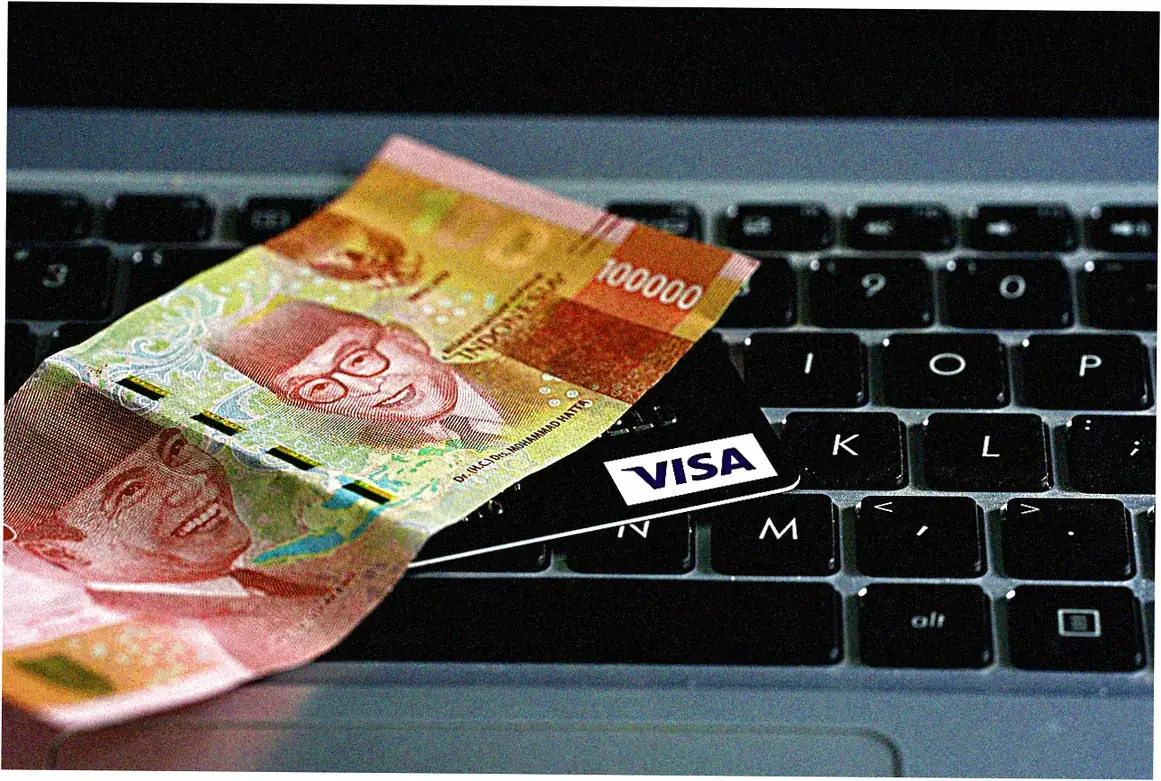
You should break down all the costs: where you’ll stay (whether at your home or a hotel), how you’ll get around, food, and things you’ll do. Gathering all this financial evidence helps ease the consular officer’s worry that someone might need government help.
Application Process Step-by-Step
DS-160 Form Completion
You gotta be super careful with the DS-160 form because if anything doesn’t match up, they’ll deny you right away. Make sure all your info is spot-on—your personal details, where you’ve traveled before, and who to contact in the US.
There are security questions too, like if you’ve ever been denied a visa or have a record—just be honest, it’s really important. Also, upload a recent photo that fits their rules for size and background.
Your travel plans need to line up with your documents—like when you’re arriving and leaving, where you’re staying, and what you plan to do. Double-check everything before you submit because you can’t make changes later—you’d have to start over.
Don’t forget to save that confirmation page with the barcode—you’ll need it to schedule your interview. Remember, they’ll ask you questions based on what you put in the form, so getting it right is key.

Visa Interview Preparation
When prepping for the interview, think about questions they might ask—like why you’re traveling, if you can afford it, and what ties you have back home.
Practice giving short, clear answers about your plans—maybe you wanna see something specific, like the Terracotta Warriors exhibit. Bring all your original docs—bank statements, property papers, and anything from your sponsor. Dress nicely and get to the consulate early.
Be ready for questions about your sponsor—who they are and how you know them. Make it clear why you’re coming back—maybe you have a job, family stuff, or property to look after.
Show you know what you’re doing there—like if you’re planning to check out the Moon Festival. Keep confident body language and look them in the eye. Whatever you say in the interview should match your application—that’s how you get approved.
Common Reasons for Denial and Appeals
Avoiding Common Mistakes
If your DS-160 form is incomplete or has sections that don’t match up, it’ll get denied automatically. Not showing enough financial proof or having big deposits you can’t explain looks suspicious.
If you can’t show strong home ties—like no job, no property, or no family—they’ll think you plan to immigrate and deny your tourist visa. If you overstayed a visa or lied before, you might be permanently barred from getting a US tourist visa.
Weak sponsor docs—like an invitation letter that’s not signed or old bank statements—can tank your visa application. If your travel plans seem unrealistic or too vague, officers might think you’re being dishonest.
Don’t talk about maybe looking for a job or staying long-term in the US. Before you reapply after a denial, talk to an immigration lawyer to tackle the specific reasons you were rejected.
Reapplication Strategies
Once you’re denied, find out exactly why by asking the consulate or filing a FOIA request. When you reapply, fix each issue one by one—show better financial proof, stronger home ties, or clearer travel plans.
Wait a few months before applying again so you can show things have changed. If your last sponsor’s finances were shaky, think about using someone else.
Add new evidence to your application—like if you bought property, got a promotion, or had family changes. Include a detailed letter explaining how you’ve fixed the problems from last time.
If you’re going for tourism, like to see the Moon Festival Bunny exhibits, show your booked tickets and solid plans. A lawyer can help you plan a better reapplication based on why you were denied.

Special Considerations and Scenarios
Event-Based Visa Applications
If you’re going to special events, like cultural exhibitions such as the Mysteries of the Terracotta Warriors or festivals like the Moon Festival, you’ll need specific documents.
Make sure to provide official invites, confirmations of registration, or proof you bought tickets. You should also explain why the event is important and what your role is in it. Sponsors ought to write detailed letters that link the event to the applicant’s interests or background.
Your travel plans shouldn’t just be about the event. Include other tourist activities and keep the trip length reasonable. For things like conferences or exhibitions, showing how it’s relevant to your job can make your application stronger.
Booking a place to stay near the event, say Kings Joy Hotel if it’s central, shows you’ve planned well. Consulates will approve these visas if they see you genuinely just want to participate temporarily.
Family Sponsor Applications
When a family sponsors you, you need extra proof of your relationship—like birth or marriage certificates, or family photos. The sponsor has to clearly explain your history together and why you’re visiting.
Showing you can financially support everyone gets even more important if you’re sponsoring several family members. You also need to prove you have enough space to host them, using a lease or property papers.
For family applications, highlight your close bonds but also show strong reasons why you’ll go back home. Older parents can show things like retirement benefits or property they own back home.
Younger folks need proof of a job or that they’re in school. If you’re reuniting for a holiday like the Moon Festival, explain the traditions and why it’s culturally significant. The best itineraries mix family time with some tourism.
Post-Approval Procedures and Compliance
Visa Activation and Entry
Once your US tourist visa is approved, check the stamp carefully. Make sure all details are correct—like your name, the dates, and the type of visa. You need to enter the US while your visa is still valid.
Usually, that means within six months after it’s issued. When you arrive, have copies of your sponsor’s documents ready. Also bring your invitation letter and return ticket. Officers might ask why you’re visiting and how long you’ll stay. Just give the same answers you put on your visa application.
Keep your records organized—like hotel bookings, your activity plans, and proof you have enough money. Don’t overstay your welcome. With a B-2 tourist visa, you can usually stay up to six months. Remember, you can’t work or study on a tourist visa.
It’s a good idea to register with your embassy. That way, they can contact you if there’s an emergency. If you follow all the rules, it’ll be easier to get visas in the future and travel without any problems.
Extending Stay and Status Changes
If you need more time, you’ll have to file Form I-539. Do it before your current stay expires. You need a good reason to extend—like medical treatment or something unexpected. Just wanting to travel more isn’t enough.
Include new financial proof from your sponsor and a letter that explains your situation in detail. If you want to switch to a student or work visa, that’s a whole new application. And there’s no guarantee it’ll be approved.
Make sure your passport doesn’t expire while you’re in the US. Don’t let your status expire. That could cause problems if you try to come back later. If a family emergency means you need to stay longer, talk to an immigration lawyer right away.
Keep records of what you’re doing and make sure you have health insurance. Stick to the rules of your visa. That helps keep your immigration record clean and makes it easier to come back to the US later.
Getting a US tourist visa with a sponsor takes careful prep. You really need to understand what’s required. You have to show you can afford the trip and prove you have strong ties back home. Every step needs close attention.
Always be honest and consistent—that’s super important throughout the whole process. If your application is complete and you have all the right documents, you’ve got a much better shot at getting approved.
Start pulling your documents together early. And check official sources for the latest info. Why not start your application today? Then you can begin planning your American adventure.
Frequently Asked Questions
What counts as good enough financial proof for US tourist visa sponsorship?
Good financial proof includes your recent tax returns, bank statements that show steady money, letters from your job, and info about any assets you own.
You need enough to cover all your planned costs plus emergencies—usually around $150 to $200 per person each day, not counting where you’ll stay. It’s better to show you’ve had steady income over time, not just big deposits you recently put in the bank.
Can a friend sponsor me if we’re not family?
Yes, friends can sponsor you too. They’ll need to provide a notarized invitation letter and proof they can support you financially. They should also clearly explain how you know each other and why they’re inviting you.
How strong your application is depends on two things: your sponsor’s finances, and how real your relationship looks—use photos, messages, and past visits as proof.
What if I was denied a visa before—does that affect a new application?
Old denials don’t mean you can’t apply again, but you’ll need to deal with why you were refused the first time. You can ask the consulate or file a FOIA request to find out exactly why you were denied.
Then, work on strengthening those weak spots—maybe better bank statements, proof you’ll return home, or a clearer travel plan. It’s also a good idea to wait a few months before applying again to show things have changed.
How long does it take to process a sponsor-based US tourist visa?
It depends on the consulate, but usually takes 3 to 6 weeks after your interview. There’s no fast track for tourist visas. How long it takes can depend on if your application is complete, background checks, and how busy the consulate is.
It might take longer during busy times—like summer holidays or before big events such as the Moon Festival. Your best bet is to check the website of the specific consulate you’re applying to for the latest wait times.

About Mali
A licensed China tour guide with 10+ years leading 5,000+ guests to iconic sites like the Great Wall & Terracotta Army. Expert in seamless tours, cultural insights, and VIP access!