Mapo tofu is a spicy Sichuan dish that’s won hearts worldwide. It packs a punch with chili oil, fermented bean paste, and that tingly Sichuan peppercorn kick. Whether you’re craving restaurant-style authenticity or a homemade version with accessible ingredients, this dish delivers a symphony of málà (numbing-spicy) sensations. We’ll walk you through 12 must-know tips – like picking the perfect tofu and getting the spice just right – so you can nail this pockmarked grandma classic.
Table of Content
- Choosing perfect tofu texture for mapo tofu
- Essential doubanjiang selection for authentic flavor
- Balancing málà sensation with Sichuan peppercorns
- Meat alternatives for vegetarian mapo tofu
- Controlling oil levels without sacrificing richness
- Proper sequencing for layering mapo tofu flavors
- Regional variations from Japan to Malaysia
- Troubleshooting common mapo tofu mistakes
- Pairing side dishes with mapo tofu meals
- Historical roots of pockmarked grandma’s tofu
- Modern twists on traditional mapo tofu
- Storing and reheating leftover mapo tofu
- Hosting a mapo tofu tasting party
Choosing perfect tofu texture for mapo tofu
Great mapo tofu starts with choosing the right tofu.
Silken tofu () is traditional, prized for its custard-like softness that absorbs the fiery sauce while maintaining structural integrity. Many chefs recommend kinugoshi tofu for Japanese variations, which offers slightly more firmness.
Don’t use medium-firm tofu – it turns chalky. Experts say silken tofu works best because it mixes better with the oily sauce. Want more texture? Some folks mix soft and medium tofu cubes together. Here’s a pro tip: Soak your tofu in salty water first to get rid of that beany taste and stop it from falling apart when you cook it.
Essential doubanjiang selection for authentic flavor
No mapo tofu achieves its signature depth without Pixian doubanjiang, the fermented chili-bean paste aged under Sichuan’s humid climate.
The best is Chen Pi Yuan brand – used in most recipes. It ferments for 3 whole years, giving it a deep umami taste that cheap copies just can’t match. The good stuff has visible bean bits and reddish oil separating out – that’s how you know it’s properly aged.
A Chengdu chef says to avoid the quick-made versions with food coloring – they taste too sharp and acidic. For the best flavor, mix one spoon of aged paste with half a spoon of fresh. Vegetarians can substitute mushroom-based zhajiang, though this alters the traditional flavor profile significantly.
Balancing málà sensation with Sichuan peppercorns
The dish’s characteristic tingling numbness comes from huajiao (Sichuan peppercorns), ideally the green maqin variety for brighter citrus notes. Toast the whole peppercorns first until they smell good, then grind them up. The pre-ground kind loses most of its kick in just weeks.
The magic ratio? 1 tsp peppercorns per 500g tofu creates noticeable málà without overwhelming beginners. If you’re not into super strong flavors, take out half the peppercorn skins after toasting to tone it down. Some chefs now use a cool two-step method: add ground peppercorns while cooking, then drizzle peppercorn oil at the end for extra tingly layers.
Meat alternatives for vegetarian mapo tofu
The classic version uses beef or pork, but veggie versions are getting way more popular these days.
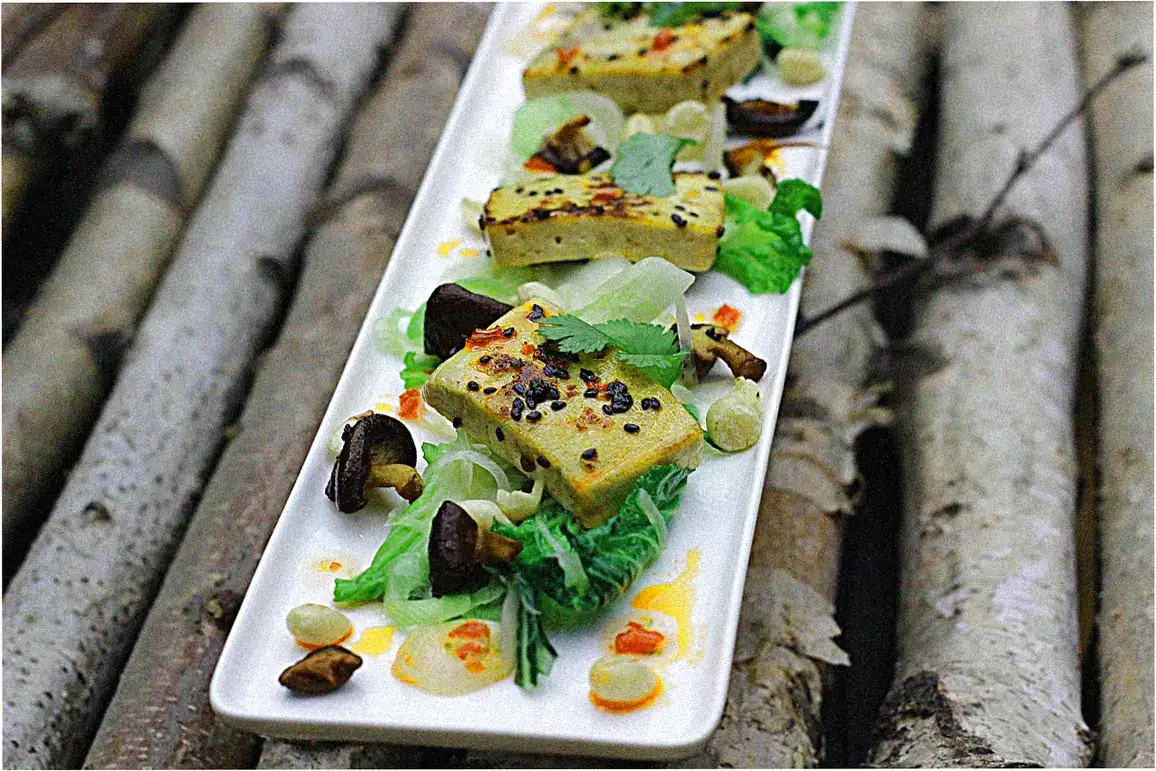
Chopped-up shiitake mushrooms fried crispy can stand in for meat and add that savory umami taste. One famous Taiwanese recipe uses fermented black beans and walnuts to make it hearty.
No soy? Shred king oyster mushrooms with a fork – it looks just like pulled pork. Fun fact: Nearly half of home cooks in Sichuan mix meat with mushrooms – a trick from the lean times in the 80s to save money. Important: Cook your veggie substitutes first to get that nice browned flavor that plain tofu can’t give you.
Controlling oil levels without sacrificing richness
Real mapo tofu is seriously oily – the sauce should cling to your chopsticks.
You can cut the oil by almost a third without losing flavor – just use flavored chili oil instead of regular oil. A little of the good stuff goes a long way.
The Japanese version uses dashi broth to thicken it, or you can add a pinch of xanthan gum if you’re watching calories. Old-school chefs swear by beef fat – they say it makes the chili flavors pop better than veggie oils. Here’s a happy medium: save half the oil to add at the end – you’ll get all the flavor without going overboard.
Proper sequencing for layering mapo tofu flavors
Getting the timing right is what makes great mapo tofu.
First, cook your chili paste in medium-hot oil until it turns red and smells amazing – this step builds all the flavor. Then add your meat and fry it crispy before any liquids go in – keeps it from getting mushy.
Add the tofu last and stir gently to keep those nice cubes intact. Food historians say this method copies how street vendors in the 1800s made the most of what little they had. Big mistake alert: Put the Sichuan pepper in too soon and it turns bitter. Best way? Use most of it while cooking, then sprinkle the rest on top at the end.
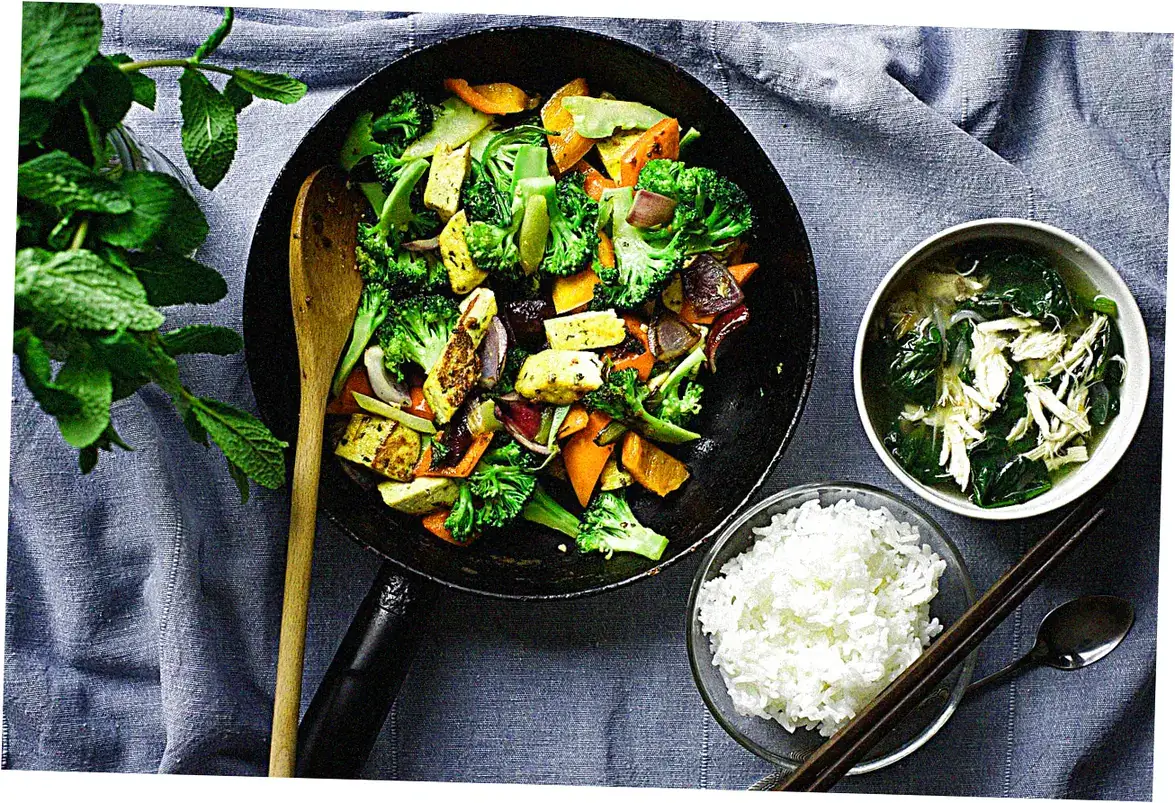
Regional variations from Japan to Malaysia
Mapo tofu changes up nicely to suit different Asian tastes.
Japanese mābōdōfu (per NHK surveys, 3rd most popular home-cooked dish) uses mirin and soy sauce for sweetness, with 60% less chili. In Korea they add gochujang and perilla seeds, while Malaysia throws in lemongrass and shrimp paste.
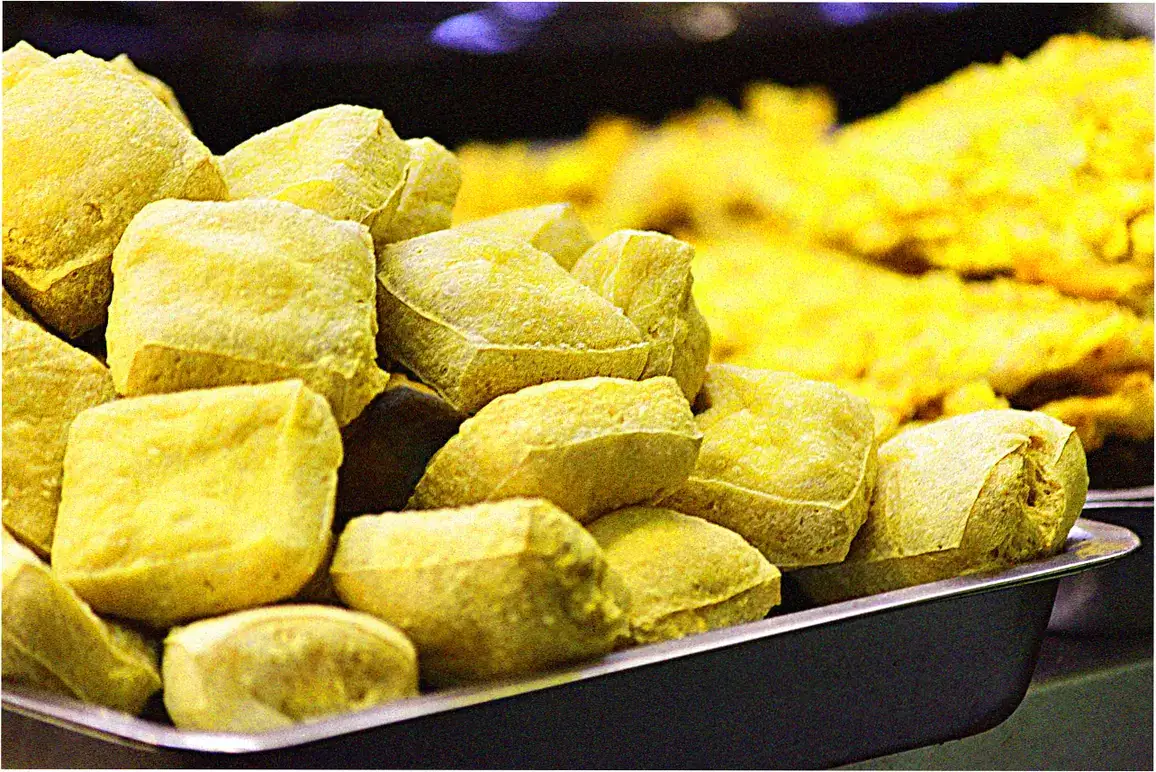
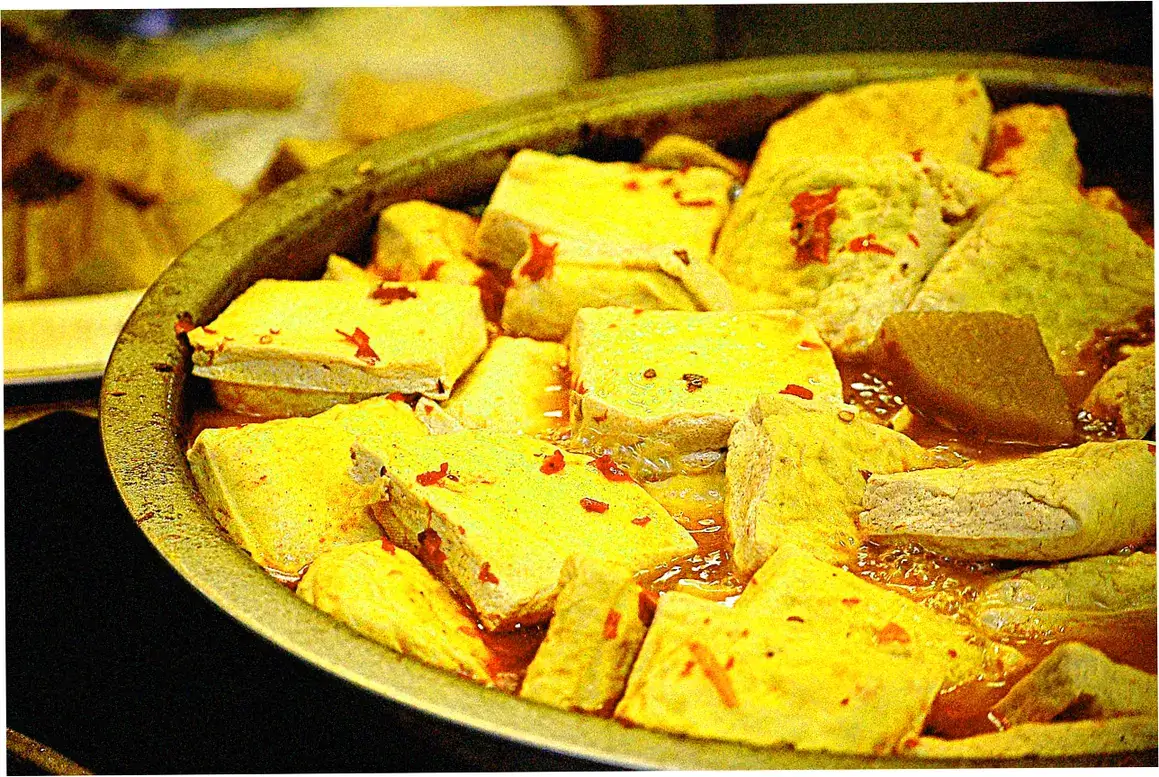
Even in China, Chongqing makes it extra spicy with just beef, while Taiwan sometimes uses stinky tofu. One Tokyo chef mixes in miso and sansho pepper – critics called it the most creative version last year. No matter how you make it, you still get that perfect mix of soft tofu and bold sauce – that’s why this dish works so many ways.
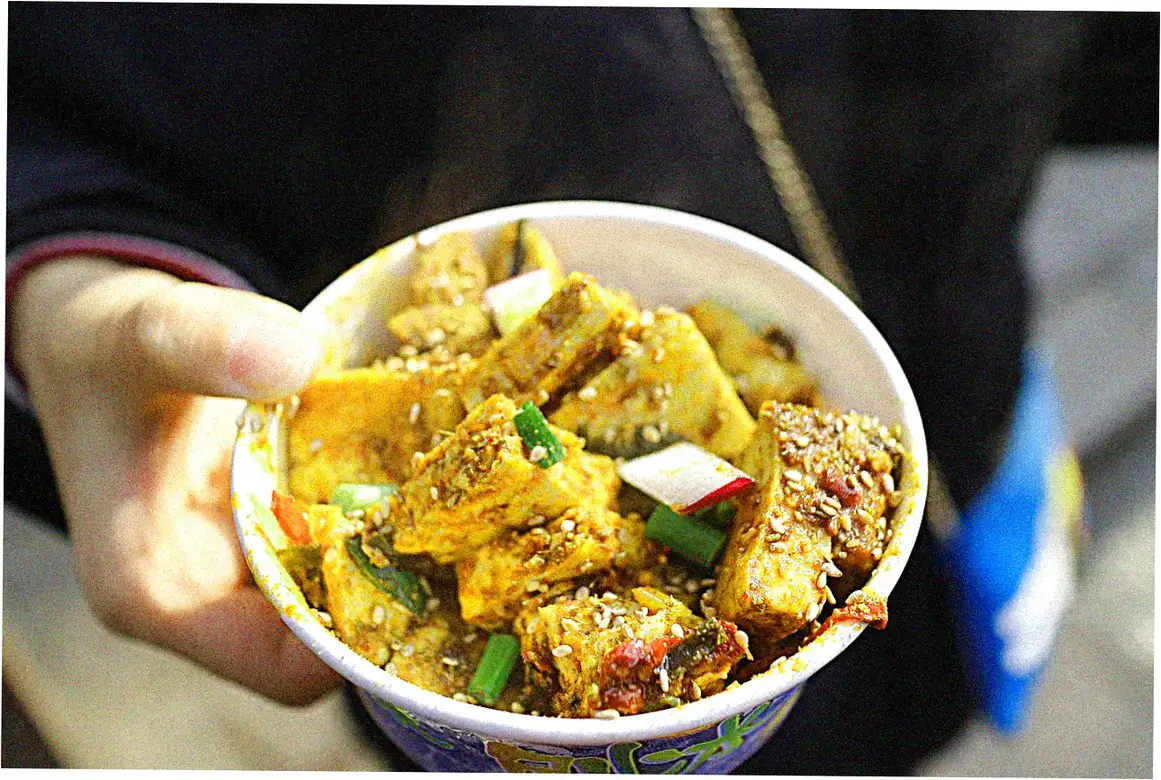
Troubleshooting common mapo tofu mistakes
Most first-timers mess up by making it too watery.
Easy fix: Cook down the sauce by about a third before adding tofu. Don’t overload your wok – it’ll cool down and just stew instead of searing properly.
A big 14-inch wok works best to let steam escape. If it tastes blah, jazz up store-bought paste with sugar and vinegar, then nuke it for 20 seconds to wake up the flavors. Too much tingly feeling? A spoon of peanut butter can tone it down without killing the heat. Remember: Perfect mapo tofu should leave lips tingling for 15 minutes post-meal—this indicates proper málà calibration.
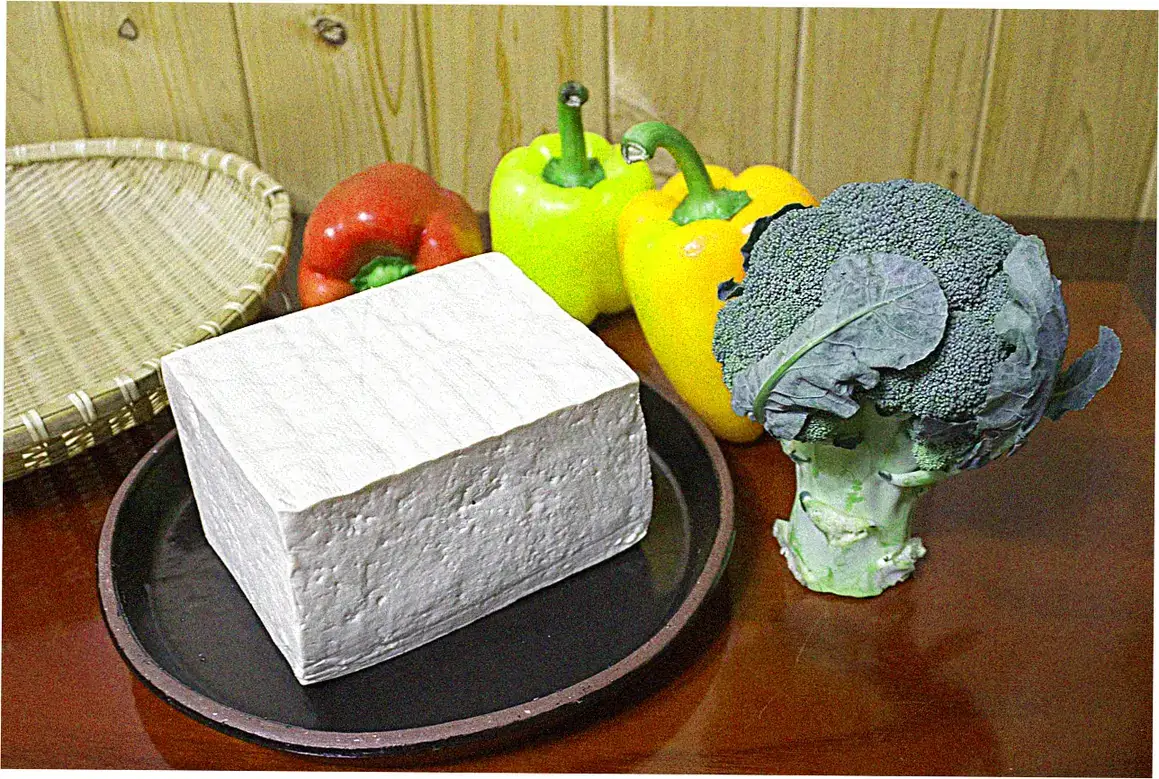
Pairing side dishes with mapo tofu meals
Pair your spicy mapo tofu with something cool to balance it out.
Classic Sichuan pairings include smashed cucumber salad () with garlic-vinegar dressing or steamed egg custard. Nutritionist Dr.
Tanaka’s studies show the dish’s capsaicin enhances iron absorption from leafy greens—try blanched pea shoots drizzled with sesame oil. For carb lovers, jasmine rice is traditional, but Sichuan street vendors also serve it with mantou buns to sop up sauce. Weird but great pairing: A slightly sweet Riesling wine – the acidity cuts the oil and matches the peppercorn’s citrusy taste. Skip the milk – science says it actually makes the spice burn worse.
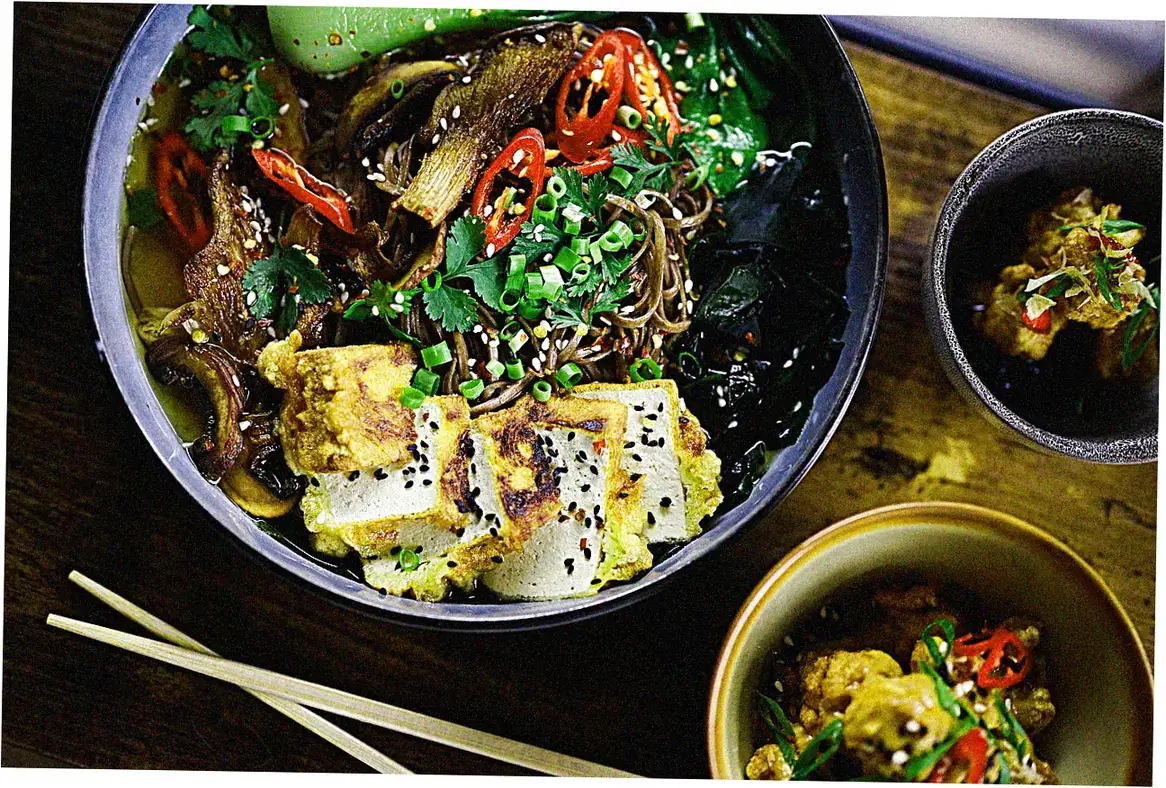
Historical roots of pockmarked grandma’s tofu
The story behind mapo tofu (might not be totally true) shows how clever Sichuan cooking can be.
As recorded in 1862’s Chengdu Gazetteer, widowed chef Chen Ma (whose pockmarked face inspired the name) created it using leftover tofu, cheap beef scraps, and abundant chili peppers to feed laborers. Her original restaurant’s still running near Chengdu’s Wanfu Bridge – now being run by her great-great-grandkids.
Over time, the recipe changed – more meat in the 50s, then pickled veggies when meat was hard to get during the Cultural Revolution. Now it’s officially part of Sichuan’s food heritage, with yearly festivals celebrating Chen Ma’s simple but genius creation.
Modern twists on traditional mapo tofu
Creative chefs are putting new spins on mapo tofu but keeping its heart.
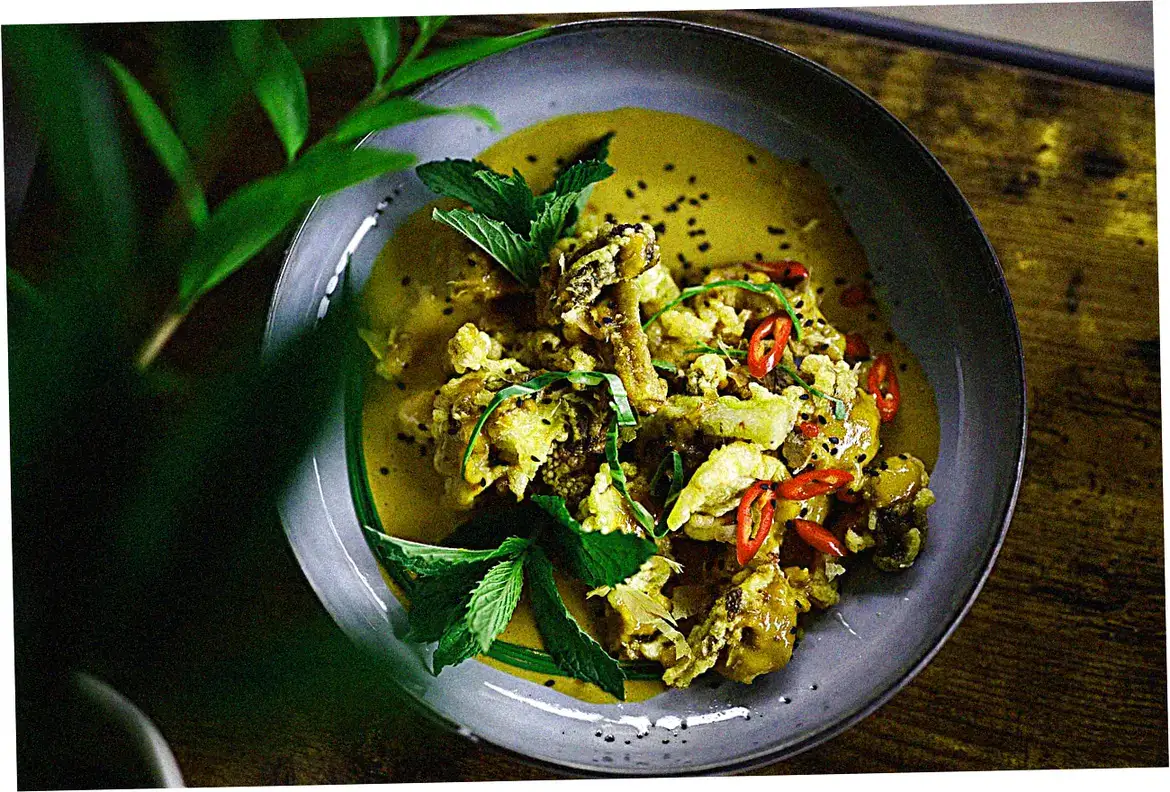
At Singapore’s Michelin-starred Shisen Hanten, chef Kentaro creates a deconstructed version with tofu espuma and Sichuan pepper air. Home cooks experiment with ingredients like truffle oil or Korean tteok rice cakes.
Surprisingly successful fusion: Mapo tofu lasagna layering bechamel-spiked doubanjiang with tofu sheets, voted #1 in BuzzFeed’s Crazy Good Carb Mashups. For quick weeknight versions, TikTok’s @SichuanSarah uses jarred mapo sauce mixed with crumbled firm tofu—controversial but time-efficient. Regardless of innovation, purists maintain the essence lies in the málà contrast—a principle even molecular gastronomy hasn’t.
Storing and reheating leftover mapo tofu
Unlike many dishes, mapo tofu often improves overnight as flavors meld.
Store in airtight containers with a thin oil layer to prevent drying—the sauce keeps for 4 days refrigerated or 3 months frozen. To reheat, avoid microwaving which makes tofu rubbery.
Instead, steam gently or stir-fry with 1 tbsp broth to revive texture. Chef Liu’s pro tip: Refresh leftovers by adding fresh Sichuan pepper oil and chopped cilantro. Surprisingly, cold mapo tofu makes excellent filling for bao buns or topping for congee. Food safety note: Due to doubanjiang’s high salt content, the dish resists spoilage—a 2020 University of Sichuan study found negligible bacteria growth even after 5 days at 4°C.
Hosting a mapo tofu tasting party
Elevate your dinner party by serving multiple mapo tofu variations.
Feature a traditional Sichuan version alongside Japanese and Korean interpretations—include small bowls of varying chili oils and peppercorns for guests to customize heat. Set up a tofu texture bar with silken, medium, and fried tofu options.
Interactive element: Let guests grind their own Sichuan peppercorns with mortar and pestle. For dessert, surprise with mapo-inspired chocolate mousse using Sichuan pepper-infused dark chocolate. Party favor idea: Mini jars of homemade doubanjiang—according to event planner Mika Tanaka, these generate 3x more social media shares than typical favors. Remember to provide plenty of rice and tissues for teary-eyed guests!
From its humble Chengdu beginnings to global fame, mapo tofu continues to delight with its bold personality and comforting warmth. Whether you stick to tradition or invent your own version, the key lies in respecting the málà magic that makes this dish unforgettable. Ready to create your perfect mapo tofu? Grab your wok and let the numbing-tingling journey begin—your taste buds will thank you.

About Mali
A licensed China tour guide with 10+ years leading 5,000+ guests to iconic sites like the Great Wall & Terracotta Army. Expert in seamless tours, cultural insights, and VIP access!