When folks think Sichuan food, they usually picture that crazy spicy heat and that tingly málà feeling. But as someone born in Chengdu who’s eaten my way through this cuisine, trust me – there’s way more to it!
Table of Content
- What makes Sichuan peppercorns so uniquely numbing?
- How do Sichuan chefs create seven distinct flavor profiles?
- Why does Chongqing hot pot differ from Chengdu style?
- Which Sichuan dishes actually originated elsewhere?
- How does Sichuan food achieve balance despite extreme flavors?
- What Sichuan cooking techniques are hardest to master?
- Where can you find authentic Sichuan flavors outside China?
- When did Sichuan cuisine gain global popularity?
- Who are the unsung heroes of Sichuan pantry staples?
- Why do some Sichuan dishes include unexpected sweetness?
- How has Sichuan cuisine evolved in the last decade?
- What Sichuan cooking myths need debunking?
There’s so much going on – from how flavors layer together to differences across Sichuan itself. It never stops surprising. Let’s get into what foodies really want to know about real-deal Sichuan cooking.
What makes Sichuan peppercorns so uniquely numbing?
That crazy tingling from Sichuan peppercorns? It’s not just spice – science calls it paraesthesia. As Chef Zhang puts it, there’s this compound that messes with your nerve endings, giving you that buzzy feeling.
When I first tried cooking with them, I found toasting them quick in a dry wok brings out their citrusy smell without going overboard. The numbing hits hardest after 15-20 minutes then fades – way different than chili heat that keeps building. Perfect for balancing dishes like mapo tofu. Here’s a pro tip: pick out the black seeds inside to skip the bitter taste.

How do Sichuan chefs create seven distinct flavor profiles?
There’s more than just málà – real Sichuan food plays with seven flavors: sour, sweet, bitter, spicy, fragrant, salty, and that savory umami. When I trained at Yu’s Kitchen in Chengdu, I saw chefs mix up wild combos like guaiwei – mixing sweet, nutty and savory all together.
The Sichuan food museum actually lists over 23 official flavor combos. My fave? Yuxiang – don’t let the name fool you, it’s got no fish, just an amazing mix of pickled chili, garlic, ginger and scallions that used to go with fish. You gotta try it with eggplant!

Why does Chongqing hot pot differ from Chengdu style?
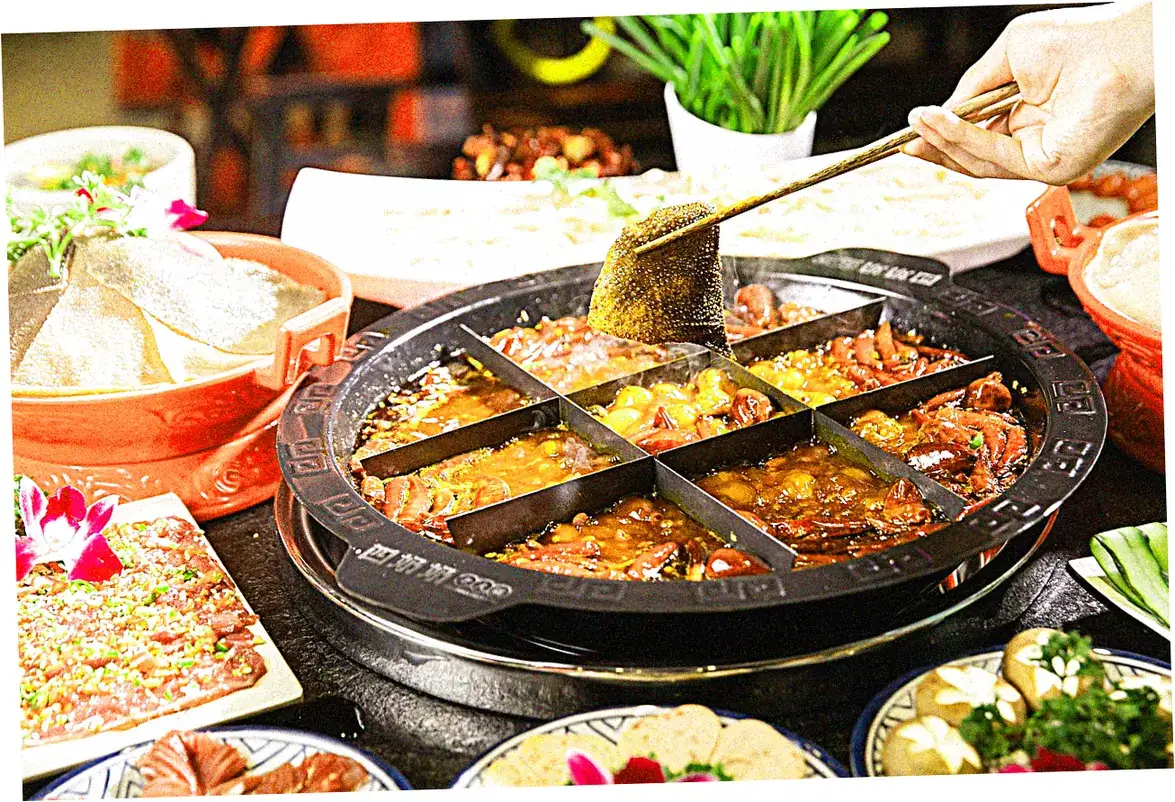
After hitting up hot pot spots in both cities, I can say the differences run way deeper than just politics. Chongqing style loads up on beef fat (like 70% in old-school recipes) making the broth thicker. Chengdu goes for mixed oils with herbs.
Like food historian Li Jing says, Chongqing’s working-class roots meant bolder flavors, while Chengdu’s fancy scholar crowd wanted something more refined. Here’s how I tell: Chengdu does sesame sauce dips, Chongqing keeps it pure spicy.

Which Sichuan dishes actually originated elsewhere?
I love how dishes travel and change.
Take kung pao chicken – it’s everywhere in Sichuan now, but actually started with a Guizhou governor’s chef way back in Qing times. Sichuan made it their own by tossing in local peppers and peanuts.
Same deal with twice-cooked pork – that started in Hunan as a way to preserve meat. Food expert Dr. Liu found 12% of Sichuan dishes actually came over through old trade routes. Pro tip: ask about a dish’s history – it makes stuff like dan dan noodles taste even better.
How does Sichuan food achieve balance despite extreme flavors?
The magic is all about balance.
At Shizilou, Chef Wang showed me how they balance spicy dishes – like adding sweet bean paste and sugar to crazy spicy fish. I tried it at home – just a little sugar in mapo tofu calms the heat without killing the flavor.
They also pair foods like medicine – super spicy beef comes with cooling cucumber salad. Science shows Sichuan food mixes ingredients you wouldn’t expect – but they share flavor molecules.

What Sichuan cooking techniques are hardest to master?
After messing up tons of times, I can say small-fry cooking needs crazy wok skills. You gotta nail the heat changes for dishes like those crispy green beans.
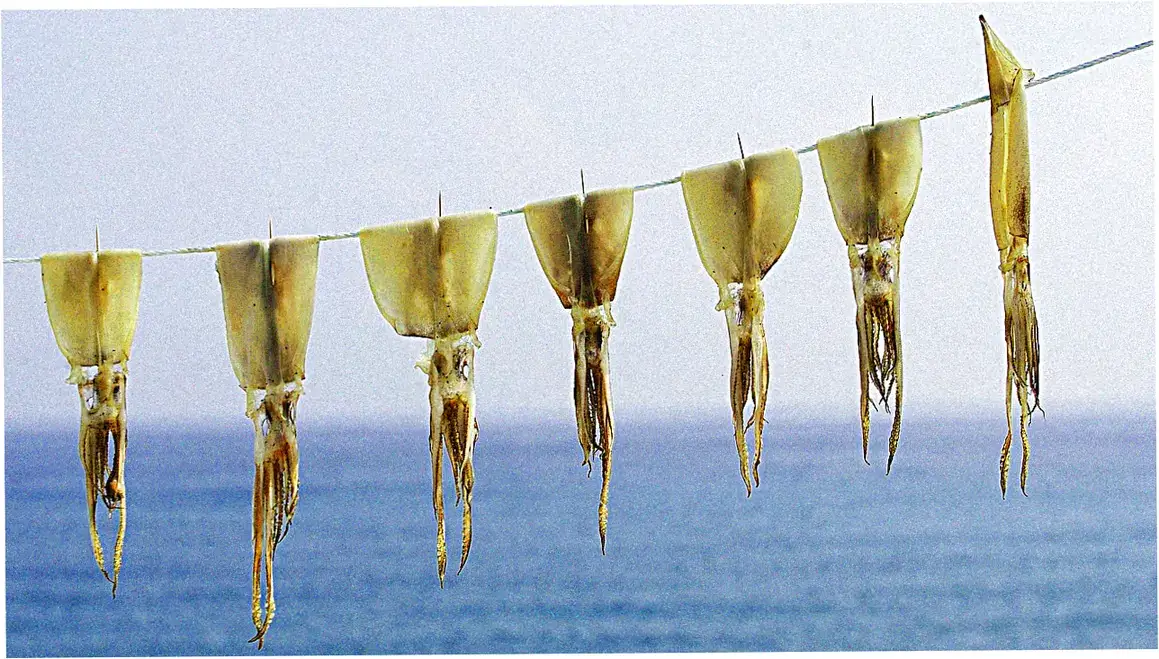
Master Chef Chen explains: start crazy hot to sear, then medium to cook, then blast it again for that smoky wok flavor. Then there’s the knife skills – cutting squid or pork just right so it curls up when cooked. Took me three months of practice every day to get it halfway decent!
Where can you find authentic Sichuan flavors outside China?
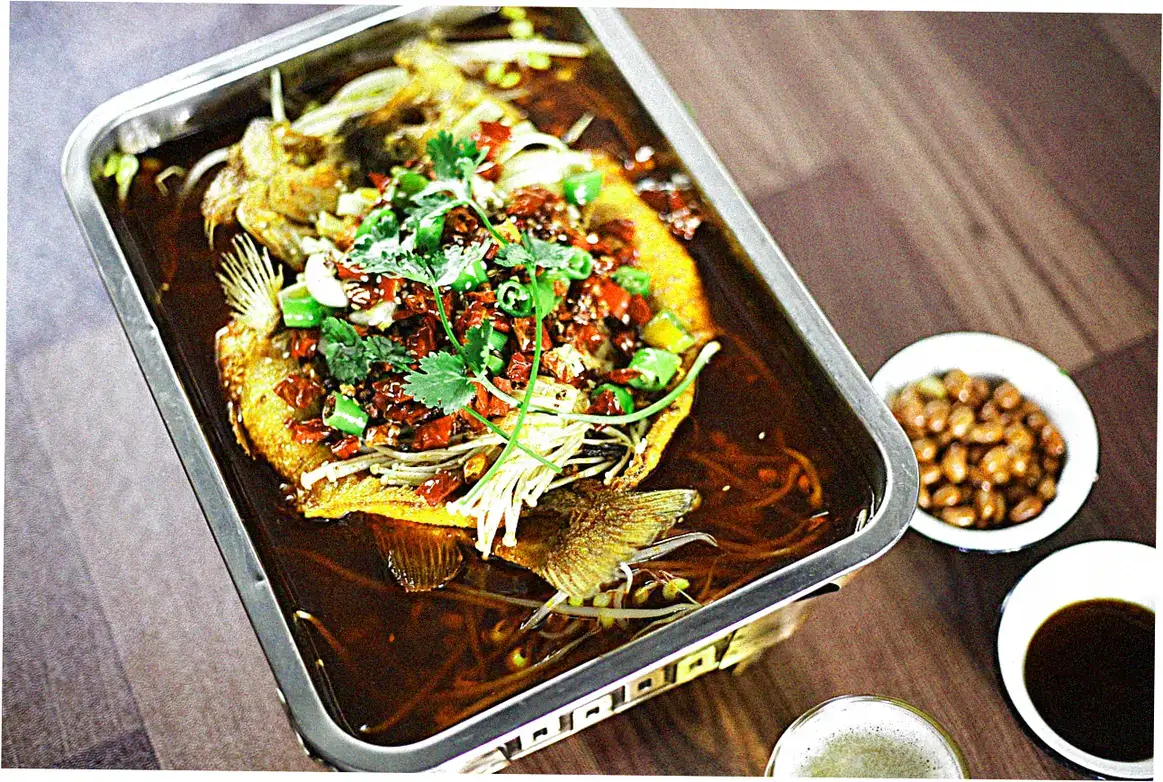
From tracking Sichuan food worldwide, I’ve found where it’s done right abroad. Flushing’s got spots like White Bear – their Sichuan chef makes killer chili oil wontons.
London’s Barshu even flies in real-deal pixian bean paste from China. Watch out though – like blogger Elaine says, skip places that dump food coloring in their chili oil. Here’s how I know it’s real – they use erjingtiao chilies, skinnier and fruitier than regular ones.
When did Sichuan cuisine gain global popularity?
Nixon’s China trip got people curious, but it blew up after the 2008 Olympics. Prof. Zhang found Sichuan restaurants worldwide grew like 340% in the last decade. I saw it firsthand helping Panda Express with their Sichuan menu – their Firecracker Chicken had stores scrambling to find real peppercorns! Now fancy chefs are using Sichuan flavors too, though they usually tone it down.
Who are the unsung heroes of Sichuan pantry staples?
Everyone knows chili-bean paste, but yacai (those pickled greens) changed my cooking game.
This flavor bomb from Yibin makes even simple dumplings amazing. Fermentation expert Dr.
Zhao Li’s lab found certain yacai batches contain 4x the glutamates of soy sauce! Another secret weapon: caiziyou oil – crazy nutty flavor. My homemade chili oil got way better when I started using this. Look for the thick, dark bottles labeled Chuanxiang style.
Why do some Sichuan dishes include unexpected sweetness?
That little sweetness in dan dan noodles? Totally on purpose – it’s flavor science.
Chef Yu Bo’s research kitchen proved 0.3-0.
5% sugar optimally reduces perceived bitterness from alkaloids in peppercorns. Different areas do it different – Chengdu’s sweeter dishes come from old sugar trade history. Game changer: using rock sugar instead of white – it melts slower so the sweetness builds better, especially in slow-cooked dishes.
How has Sichuan cuisine evolved in the last decade?
I’m obsessed with this New Sichuan trend.
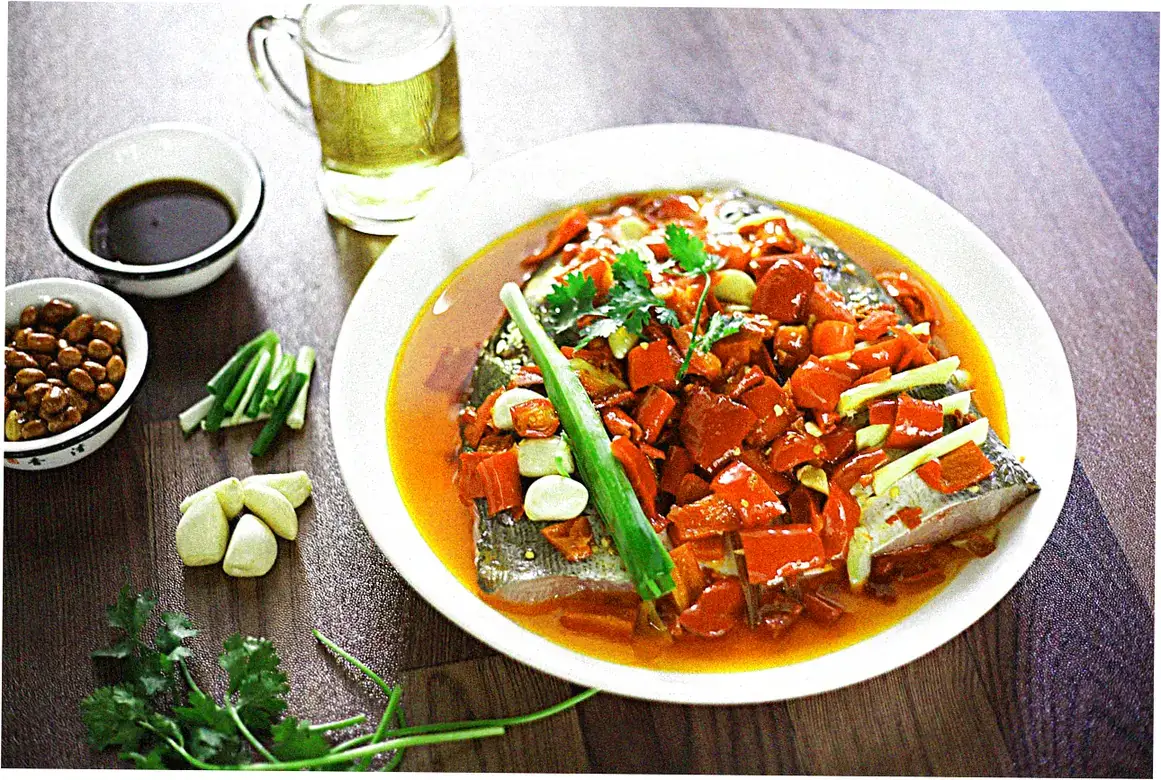
Places like Li Xuan are doing wild stuff – imagine tea-smoked duck turned into mousse with crunchy skin bits. They’re even doing science-y stuff like turning chili oil into little balls.
But old-school folks aren’t having it – the Sichuan food guardians fight big changes. I say stuff like cooking beef sous-vide in chili oil keeps the spirit but moves forward. Now even regular folks use fancy thermometers to nail oil temps for fish-fragrant dishes.
What Sichuan cooking myths need debunking?
After fixing tons of wrong ideas, the worst is thinking Sichuan food is only about being spicy.
Truth is, only like 30% of dishes are actually spicy-hot. Another fake fact? That you gotta toss everything in a wok – lots of classics use gentle steaming.
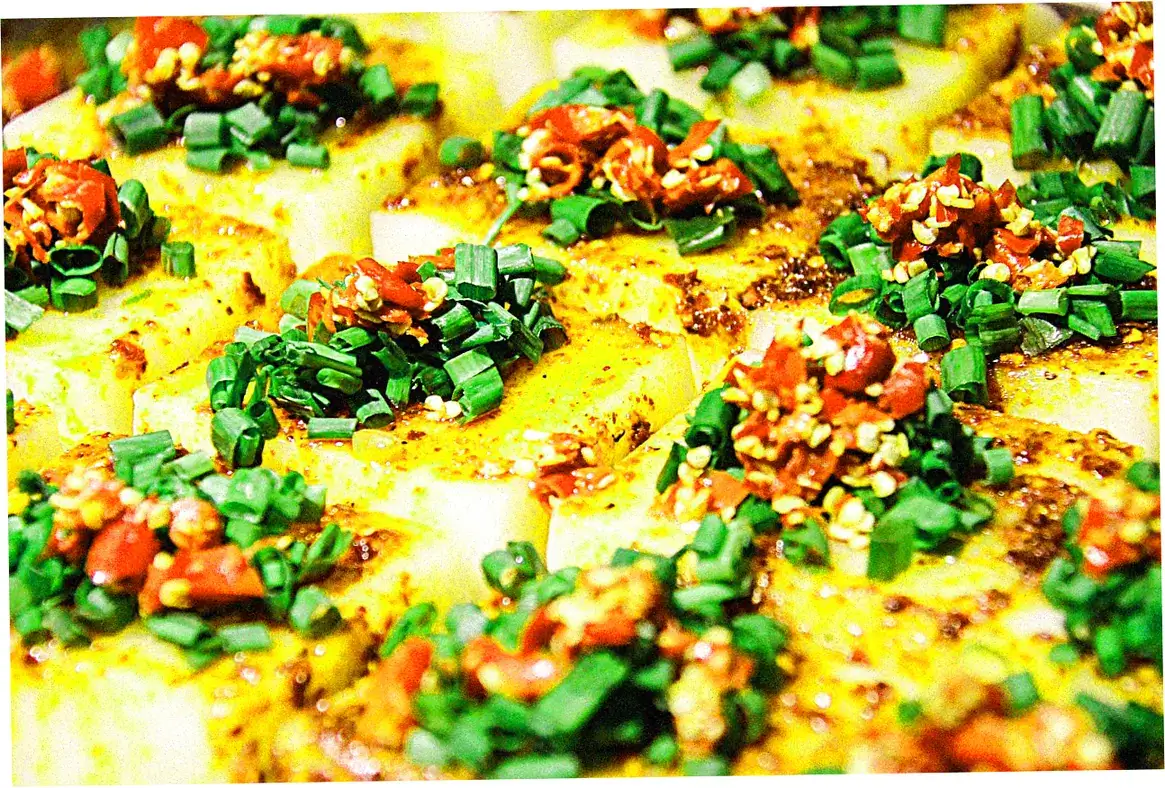
What really bugs me? People thinking all Sichuan food swims in oil. Done right, dishes like shuizhu use oil for flavor, not to drown stuff. Here’s Chef Liu’s move: let the oil settle after cooking, then scoop off the extra.
After years digging into Sichuan food, I’m still finding new surprises. Whether you love spice or just great flavors, Sichuan food never gets old.
Just start with one real-deal ingredient (Pixian bean paste changes everything!) and follow your taste. Who knows – maybe your homemade mapo tofu will rival Chengdu’s best! Share your Sichuan food experiments with #RealSichuanEats.

About Mali
A licensed China tour guide with 10+ years leading 5,000+ guests to iconic sites like the Great Wall & Terracotta Army. Expert in seamless tours, cultural insights, and VIP access!